
Global etik, tak!

For et par måneder siden erklærede den islandske præsident at folketinget, Det Hvide Hus og traditionelle magtinstanser næsten er blevet et ”side show” i forhold til sociale medier. Ligeså stille bevæger vi os væk fra nationalstaten som den suveræne magtinstans til globale netværk i forskellige udformninger. Med andre ord er det folk som dig og mig, der har ansvar for, hvor verden bevæger sig hen. Men hvilke værdier skal vi handle efter i denne nye verdensorden?

Moralsk tomrum
I Danmark er mange værdier blevet sideordnede. Fordi vi har indset, at jeg ganske rigtigt ser verden fra mit perspektiv, mens du ser verden fra dit, har vi konkluderet at alt er lige godt. Om du bruger dine penge på designermøbler eller sender dem til Afrika er stort set hip som hap. Lige bortset fra at det første er mere hipt. Enhver må leve sit liv som han vil, sålænge han ikke forvolder skade mod andre og iøvrigt betaler sin skat.

I dette normative tomrum opstår en masse divergerende teorier om, hvordan man bør leve sit liv. Hvordan man bør klæde sig, opdrage sine børn, lede sin virksomhed og ikke mindst, hvilket føde man må indtage. Den ene dag giver det kræft at spise æg, den næste dag er det sundt for håret. Det normative input mangler på én gang substans, konsistens og mening, der rækker udover os selv.

Det samme er tilfældet på det religiøse felt. Ligesom bogtrykkerkunsten hjalp til at udbrede biblen har internettet givet anledning til en helt ny tilgang til religion – hvad den danske forfatter, Morten Thomsen Højsgaard, kalder google buddhisme.

Denne form for spiritualitet indebærer, at man krydrer sit ellers sækulære liv med diverse indput fra forskellige spirituelle retninger, som man selv samensætter (jf. søger på google). For at religion ikke blot bliver et projekt på linie med andre narcisistiske foretagender, mangler vi også her et moralsk kompas til at navigere i dette net af ideer, teorier og praksiser.

Globale netværk
Forleden snakkede jeg med en 12 årig pige, der var dybt engageret i Japan med alt fra manga og suchi til japansk humor og politiske forhold. Hun sad klistret til dr-update hele dagen efter tsunamien og føler lige stor forbundethed med hændelser i Japan som i fx Norge.

Og hun er ikke den eneste. Om det er Liberal Alliance der oprigtigt bekymrer sig om den globale konkurrence, soldater der sendes til Afghanistan, patienter der behandles af irakiske læger eller min mormor, der har sat sig for at lære kinesisk.

På finurligvis er vi alle forbundet på kryds og tværs. Mine bukser er syet af børn i Indien, mine bananer er fra Mellem Amerika, min computer fra USA og metallerne heri fra Afrika.

Hvis vi skal tage de fulde konsekvenser af denne forbundethed, må vi erkende vores ansvar. Ligesom vi har empati og ansvar for vores nærmeste familie i kraft af vores indbyrdes afhængighed, kan vi ligeledes have dette for vores nation, religiøse fællesskab – ja sågar for hele kloden. Vi kan udvikle globalt medborgerskab og udvide vores horisont til global bevidsthed.

Men er det overhovedet muligt at se verden i et globalt perspektiv? At lægge låg på debatten om en enlig mors budget og fokusere på, hvordan vi kan skabe et velfærdsamfund på verdensplan, så vores arbejdspladser ikke ryger til Kina?

En af de ting der muliggør global bevidsthed er moderne teknologi. De nye medier gør det meget vanskeligt at undgå input fra andre steder på kloden – pludselig står oprørerne fra det arabiske forår midt i vores stue og råber på frihed.

På mange måder er internettet en analogi for de globale netværk som vi alle indgår i, forbundet på kryds og tværs i et net af uendelig kompleksitet. Samtidig er internettet et af de værktøjer, der muliggør globalt engagement. Fx har organisationen Avaaz over ti millioner medlemmer verden over, der skriver emails og støtter sager om klimaaftaler, menneskerettigheder og demokrati.
Ansvar og guldskeer
Men det individuelle ansvar i forhold til verden må række udover ”kliktivisme” og være en del af vores valg i dagligdagen. For at leve op til et sådant ansvar mener jeg vi har brug for to ting: 1) et moralsk kompas og 2) konkrete handlingsmuligheder for at bidrage.

Jeg har her understreget ansvar og empati for folk på den anden side af kloden som passende værdier til den måde verden hænger sammen på i dag. Jo større perspektiv jo bedre.

Problemet er, at det er umuligt at opstille endegyldige regler, der til enhver tid kan fortælle, hvad der er det rigtige at gøre. Tidernerne skifter konstant og hvad der er passende i én situation er måske tåbeligt i en anden. Vi må derfor skærpe vores opmærksomhed og være bevidste i enhver situation for at komme med en passende respons. Hvad er virkelig min intention med denne handling? Gør jeg det også for et højere formål? Har jeg set situationen i det størst mulige perspektiv?

Her kommer problematikken om vores handlemuligheder ind i billedet. For selv hvis jeg oprigtigt ønskede at handle etisk og globalt – hvilke muligheder har jeg herfor uden nødvendigvis at sætte hele mit liv over bord?

Jeg tror der er virkelig mange, som inderligt ønsker at gøre en forskel, men ikke helt ved hvor de skal sætte ind. Vi må skabe flere handlingsmuligheder sammen, undersøge hvordan vi hver især bidrager bedst og bygge skoler hvor initiativ, global bevidsthed og mod på at forandre verden styrkes.

Netop fordi vi ikke længere blot kan slå op i en enkelt bog for at finde svar på de udfordringer vi står overfor i dag, har vi brug for at sætte os sammen og diskutere, i hvilken retning vi gerne vil dreje udviklingen.
Vi er ikke blot ansvarlige for verden, fordi vi er en del af den, men også fordi vi tilhører den mest priviligerede del af den.

Med andre ord: os der er født med en guldske i røven må se at få fingeren ud – der er simpelthen ikke plads til begge dele.
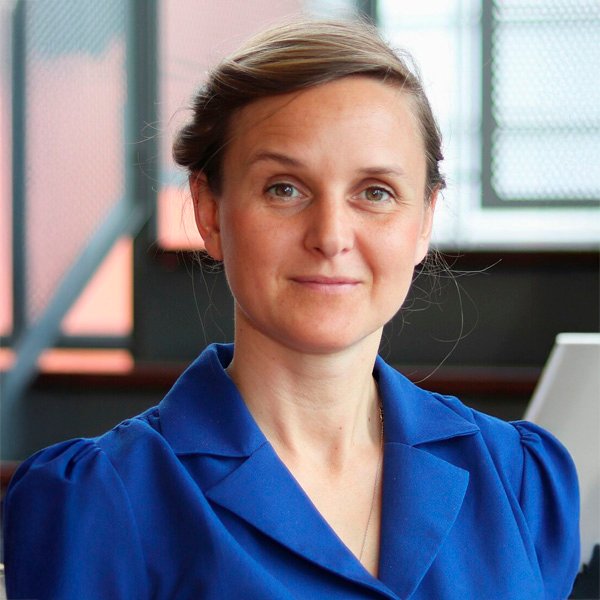

"2011-2012 MA in Peace and Conflict Studies Malmö University 2011 Peace Research (MA level), Oslo University 2011 Peace-building Course at University for Peace (MA level). 2010 Peace and conflict studies in India (BA level). 2008 – 2010 Roskilde university, Cultural encounters and psychology 2008 Testrup Højskole, theatre 2004 – 2007 Rønde High School "

Share

Leave a Reply

Your email address will not be published. Required fields are marked *

Related Posts

A donors’ conference, co-sponsered by the Burundian government, the Belgian government and UNDP will be held in Brussels January 12-13, 2004. This PressInfo offers a perspective on its urgency. See also TFF’s new Burundi Forum. Imagine for a moment that politics is about goodness and generosity. Where could a few million dollars of government aid and a few civil society organisations – guaranteed – win the hearts of extremely poor millions who want peace and already work hard to achieve it after 10 years of war and genocide? The answer is Burundi, the heart-shaped country in the heart of Africa. Burundi makes a good story from Africa. But what does the world know about Burundi, its problems and struggles? Burundi’s tough reality Here are the basic facts. Burundi’s population is about 7 million and it is number 171 out of the 175 countries on the UNDP’s human development index. Their life...
Peace is promoted by constructive proposals and dialogue Four preceding PressInfos have expressed concern over — and criticised — the ongoing, militarisation of the EU. Some will say: but there are no alternatives. We believe that there are always alternatives, that democracies are characterised by alternatives and choice, and that openly discussed alternatives will improve the quality and legitimacy of society’s decision–making. In addition, it is an intellectual and moral challenge to not only criticise but also be constructive. If we only tell people that we think they are wrong, they are not likely to listen. However, if we say: what are your views on this set of ideas and steps? — we may sometimes engage them in dialogue and sow a seed. Most people in power circles live their daily lives in in a time frame and a social space where certain ideas, viewpoints and concepts are just not...
Photos © TFF 2000 Read PressInfo 90 “Lift the Sanctions and Bring More Aid to Yugoslavia” See Pictures from Belgrade © TFF 2000 Please reprint, copy, archive, quote or re-post this item, but please retain the source.

Recent Articles

Jan Oberg May 15, 2026 Go to this Fox News page and scroll the whole way down: President Donald Trump tells the world that his meeting with President Xi Jinping yielded a lot of very concrete political and economic results – of course, only where the Chinese side, according to him, agreed with him. He does not mention the Taiwan issue, but Secretary of State, Marco Rubio, says that it did not feature prominently in their talks and that the US policy on Taiwan has not changed. Then go to China Daily – or Global Times – and you will see that for the Chinese it is framework, principles, structure of cooperation etc. that matters – all embedded in the overall idea of “constructive bilateral relationship of strategic stability.” Nowhere is any concrete agreement or deal – all that Trump refers to – mentioned. At the general level, this gives you insights into the very different social...
Lena Petrova of “World Affairs In Context” with more than half a million subscribers on YouTube wanted to explore what a peace researcher like me has to say about, among other things, the First and the Second Cold War and why eethics has disappeared from politics. I am particularly happy about this conversation that also yielded an amazing number of very appreciative comments on YouTube. No doubt, people are longing for alternatives, including peace perspectives.
The MIMAC – Military-Industrial-Media-Academic Complex – drives the world’s rampant militarism and wars without end. Here is a short reflection of how it works against all interests of humanity. #5 deals with why there is no real enemy or threat images/analysis. It’s all ex-post constructions. And, btw, theTFF Peace Pulse is now on Rumble.

TFF on Substack

Discover more from TFF Transnational Foundation & Jan Oberg.

Most Popular

Jan Oberg May 15, 2026 Go to this Fox News page and scroll the whole way down: President Donald Trump tells the world that his meeting with President Xi Jinping yielded a lot of very concrete political and economic results – of course, only where the Chinese side, according to him, agreed with him. He does not mention the Taiwan issue, but Secretary of State, Marco Rubio, says that it did not feature prominently in their talks and that the US policy on Taiwan has not changed. Then go to China Daily – or Global Times – and you will see that for the Chinese it is framework, principles, structure of cooperation etc. that matters – all embedded in the overall idea of “constructive bilateral relationship of strategic stability.” Nowhere is any concrete agreement or deal – all that Trump refers to – mentioned. At the general level, this gives you insights into the very different social...
Lena Petrova of “World Affairs In Context” with more than half a million subscribers on YouTube wanted to explore what a peace researcher like me has to say about, among other things, the First and the Second Cold War and why eethics has disappeared from politics. I am particularly happy about this conversation that also yielded an amazing number of very appreciative comments on YouTube. No doubt, people are longing for alternatives, including peace perspectives.
The MIMAC – Military-Industrial-Media-Academic Complex – drives the world’s rampant militarism and wars without end. Here is a short reflection of how it works against all interests of humanity. #5 deals with why there is no real enemy or threat images/analysis. It’s all ex-post constructions. And, btw, theTFF Peace Pulse is now on Rumble.
Read More
Screenshot-2026-05-15-103534
Jan Oberg May 15, 2026 Go to this Fox News page and scroll the whole way down: President Donald Trump tells the world that his meeting with President Xi Jinping yielded a lot of very concrete political and economic results – of course, only where the Chinese side, according to him, agreed with him. He does not mention the Taiwan issue, but Secretary of State, Marco Rubio, says that it did not feature prominently in their talks and that the US policy on Taiwan has not changed. Then go to China Daily – or Global Times – and you will see that for the Chinese it is framework, principles, structure of cooperation etc. that matters – all embedded in the overall idea of “constructive bilateral relationship of strategic stability.” Nowhere is any concrete agreement or deal – all that Trump refers to – mentioned. At the general level, this gives you insights into the very different social...
Screenshot-2026-05-12-104023
Lena Petrova of “World Affairs In Context” with more than half a million subscribers on YouTube wanted to explore what a peace researcher like me has to say about, among other things, the First and the Second Cold War and why eethics has disappeared from politics. I am particularly happy about this conversation that also yielded an amazing number of very appreciative comments on YouTube. No doubt, people are longing for alternatives, including peace perspectives.
Screenshot-2026-04-13-154551 (2)
The MIMAC – Military-Industrial-Media-Academic Complex – drives the world’s rampant militarism and wars without end. Here is a short reflection of how it works against all interests of humanity. #5 deals with why there is no real enemy or threat images/analysis. It’s all ex-post constructions. And, btw, theTFF Peace Pulse is now on Rumble.
Screenshot-2026-04-13-154551 (1)
Jan Oberg, TFF director April 28, 2026 In this third TFF Peace Pulse, I make the important distinction between the violence and the conflict that violence is a symptom of. If you want peace, focus on the underlying conflict because that is the key to resolution, peacemaking, and a better future for the parties. The West is obsessed with violence, just look around you – and 90+ per cent of the public debate is about military issues and other violence – totally wasted for peace. These Peace Pulses will only be published here a few times. You will also not find them on YouTube and Vimeo because both platforms have blocked TFF and me; you know, peace is dangerous these days. Most TFF’s videos since 2007 are now on Rumble.
Screenshot-2026-04-13-154551
In contrast to most, we’ll bring alternatives, solutions, hope and strategies for a better future. Times are dangerous, yes, but that only intensifies the need for constructive thinking and action! Jan Oberg, TFF director April 13, 2026 The new TFF Peace Pulse uses video messages in a new way: Max 3-5-minute-long comments, ideas or perhaps mini-lectures, all about peace – positive peace. We launch them today on April 13, 2026 with a carefully crafted visual aesthetic fitting the content. We hope to publish them regularly from now on. We launch Peace Pulse (PP) – for a number of reasons. The world is in chaos, and there are countless reasons to feel concerned, frustrated, even angry. The atmosphere is saturated with doom and gloom, with negative energy and rear‑mirror thinking, while vision, imagination, alternatives, strategies and genuine future‑mindedness remain in short supply. And without them, we simply can’t save the world. Looking at problems from a hundred angles will...
IMG_5165 (1)
PART II — Publishing Peace in a System That Prioritises Militarism Jan Oberg, TFF director April 10, 2026 How TFF Maintains a Daily Voice in a Digital World Built for Noise This article is part of the series “TFF at 40″ and it invites you to learn about Four Decades of Publishing Peace. It takes a look at how a small, people‑financed peace foundation has communicated across four generations of technology — from wax stencils and fax machines to mass email and Substack — and why TFF continues to publish every single day in a system that rewards noise, conflict, and militarism. ◆ What it means to publish peace every single day in a digital system built for 24/7 news and other noise, confrontation, and militarism. How TFF’s independence, continuity, and global readership defy algorithms, donor cycles, and Western media censorhip — and why the Majority World keeps listening. When the...

