
Buddha i världen
Generic thumbnail

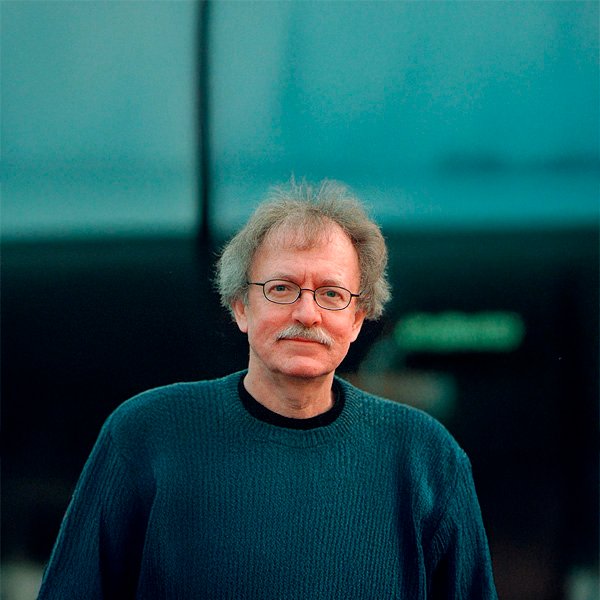
Pankaj Mishra
Buddha i världen
Översättning och förord Zac O’Yeah
Ordfront 2007


Telefonen ringde i den lilla byn Mashobra i indiska Himalaya hemma hos författaren Pankaj Mishra. En vän i Calcutta hade sett förfärliga bilder på tv. Författaren, utan egen mottagare, knackade på hos sin värd herr Sharma, redaktör för en sanskrittidskrift. Men han ville inte bli störd i sin andaktsstund. Några dagar senare såg han på en flimrande svartvit tv hos en puckelryggig bonde i byn bilderna från attentatet mot World Trade Center.

Den indiske författaren hade skaffat sig rummet hos herr Sharma redan 1992 efter avslutade universitetsstudier. För att studera och arbeta på en bok om Buddhas liv hade han sökt isolering i bergen. Arbetet med Buddhaboken skulle komma att ta tolv år. Andra böcker kom till under tiden och Mishra etablerade sig internationellt som författare och skribent i västerländska tidningar som The Guardian och London Review of Books. Men frågan om vad Buddha hade att säga vår tid upptog honom fortfarande och ställdes på sin spets efter den elfte september.

Det blev en bok till slut, Buddha i världen. I Indien hälsades den med entusiasm. I vår har den kommit på svenska i översättning av den i Indien bosatte svenske författaren Zac O’Yeah. I sitt förord berättar Zac O’Yeah att han under de femton år han varit bosatt i Indien sett sin hemstad Bangalore och dess invånare förändras omvälvande, genom välkommet växande välstånd men också genom tidigare okända välfärdssjukdomar. Kan den moderna civilisationens dilemman förstås genom en flertusenårig filosofi? Ja kanske.

Pankaj Mishra söker, skriver Zac O’Yeah, “i de indiska traditionerna efter nycklar till nytänkande och visioner för en värld där civilisationerna förefaller att vara på kollisionskurs”. Mishra är både en sökare och en författare och hans välskrivna bok väcker återkommande reflexioner om detta att vara människa.

Pankaj Mishra föddes 1969 i en by nära gränsen till Nepal, inte så långt från den plats där Buddha föddes i nuvarande Nepal. Hans familj flyttade snart till en stad och Pankaj bestämde sig tidigt för att bli författare. I Mashobra studerade han Buddhas lära och började för säkerhets skull också meditera. Så mycken indisk litteratur om Buddha fann han inte. Trots att Buddha verkade i Indien har den ursprungliga buddhismen nästan helt försvunnit från landet. I Himalaya finns tibetanska buddhister. Andra buddhistiska grupper består av före detta lågkastiga daliter, som konverterat i förhoppning att undkomma kastsamhällets diskriminering. Men den egentliga buddhismen har gått i exil från Indien.

Mishra, som är uppfostrad i en västerländskt influerad familj, fann omvägar till förståelse av buddhismen via västerländska tänkare. Den amerikanske beatpoeten Allen Ginsburg sökte österländsk visdom i Indien. Långt tidigare hade buddhismen attraherat författare som Herman Hesse men också Jorge Luis Borges, Rainer Maria Rilke och Henry David Thoreau och många andra. Einstein hade kallat buddhismen för framtidens religion, eftersom den var kompatibel med modern vetenskap. Några av de största västerländska författarna och intellektuella hade uppenbarligen förstått värdet av tankar som “uttryckts två och ett halvt årtusende senare av en obskyr indisk vishetslärare som suttit under ett träd”, skriver Mishra. Han är själv inte buddhist. Det här är ingen bekännelsebok, snarare en sympatisk tankebok, på en och samma gång självbiografisk, en studie av Buddhas liv och tänkande, en resebok och en essä med reflexioner om Indiens plats i den globaliserade världen.

Författaren ser likheter mellan vår tid och Buddhas, som skeden av omvälvande och snabba förändringar av människors grundläggande materiella villkor. Någonstans inser han att Buddha förmodligen har rätt när han menar att “girighet, hat och självbedrägeri” både är upphov till allt lidande och samtidigt själva livets ursprung. Han tar till sig vikten av att bringa etik till vardagslivet, så som Buddha betonar, att sinnet är där vansinnet uppstår, att sinnesro är något grundläggande för varje individ. Då har Mishra lämnat Himalaya och gett sig ut i världen. Med åren har han blivit en privilegierad, globaliserad författare och kulturskribent som återkommande bor långa perioder i väst, särskilt i London. Han ser tillbaka på sitt liv, den unge studenten i Allahabad som hoppades på revolution, ynglingen i Himalaya som ville skriva en bok om Buddha för att bli författare och nu den rastlöse världsresenären, en intellektuell vagabond. Men inte bara han själv förändras. Den isolerade byn Mashobra har blivit attraktiv för fastighetsspekulanter, där har byggts ett femstjärnigt hotell, kabel-tv har introducerats.

Kan Buddhas idéer tillämpas i en så snabbt föränderlig värld som vår? Kan Buddha ge hjälp åt människor som kämpar mot politiskt förtryck, sociala och ekonomiska orättvisor och miljöförstörelse? Mishra formulerar frågorna utan att ange enkla svar. För buddhismen står det dagliga enkla livet i centrum. Men det mesta i vår tid fokuserar på andra värden, tillväxt, ökad förbrukning och mångfaldigade behov av ständigt nya varor och tjänster, allt det som Buddha varnade för. I London funderar Pankaj Mishra över de brittiska kolonisatörer som erövrade världen. Varför gav de sig iväg? Varför ville de erövra världen och göra den likadan som sin egen? “… vad för slags ny mening har de givit – i sina försök att omdana en mångfacetterad mänsklighet till sin egen avbild – åt idén om att vara människa.”

Share

Leave a Reply

Your email address will not be published. Required fields are marked *

Related Posts

Peace is promoted by constructive proposals and dialogue Four preceding PressInfos have expressed concern over — and criticised — the ongoing, militarisation of the EU. Some will say: but there are no alternatives. We believe that there are always alternatives, that democracies are characterised by alternatives and choice, and that openly discussed alternatives will improve the quality and legitimacy of society’s decision–making. In addition, it is an intellectual and moral challenge to not only criticise but also be constructive. If we only tell people that we think they are wrong, they are not likely to listen. However, if we say: what are your views on this set of ideas and steps? — we may sometimes engage them in dialogue and sow a seed. Most people in power circles live their daily lives in in a time frame and a social space where certain ideas, viewpoints and concepts are just not...
Photos © TFF 2000 Read PressInfo 90 “Lift the Sanctions and Bring More Aid to Yugoslavia” See Pictures from Belgrade © TFF 2000 Please reprint, copy, archive, quote or re-post this item, but please retain the source.
Av FRANK SØHOLM GREVIL 16 augusti 2004  Vi er nu nået til tredje akt i det absurde teaterstykke, der i analogi med de store skueprocesser i Moskva 1936-38 er blevet døbt ‘Grevil-sagen’. Første akt bestod i min anonyme fremlæggelse af egenhændigt nedklassificerede rapporter i Berlingske Tidende i februar og marts. Andet akt udgjordes af min fremtræden med navn og billede i Information i april samt den efterfølgende mediestorm, som uden min direkte medvirken kostede en forsvarsminister taburetten samt en sigtelse for brud på tavshedspligten. Tredje akt bliver en retssag, hvor jeg står tiltalt for at have overtrådt straffelovens bestemmelser om uberettiget videregivelse eller udnyttelse af fortrolige oplysninger. Statsanklageren har ovenikøbet valgt at påberåbe sig særligt skærpende omstændigheder. Da jeg aldrig har modtaget betaling for at stille rapporterne til rådighed eller lade mig interviewe, må det skærpende bestå i, at “videregivelsen eller udnyttelsen er sket under sådanne omstændigheder, at det påfører...

Recent Articles

Jan Oberg May 15, 2026 Go to this Fox News page and scroll the whole way down: President Donald Trump tells the world that his meeting with President Xi Jinping yielded a lot of very concrete political and economic results – of course, only where the Chinese side, according to him, agreed with him. He does not mention the Taiwan issue, but Secretary of State, Marco Rubio, says that it did not feature prominently in their talks and that the US policy on Taiwan has not changed. Then go to China Daily – or Global Times – and you will see that for the Chinese it is framework, principles, structure of cooperation etc. that matters – all embedded in the overall idea of “constructive bilateral relationship of strategic stability.” Nowhere is any concrete agreement or deal – all that Trump refers to – mentioned. At the general level, this gives you insights into the very different social...
Lena Petrova of “World Affairs In Context” with more than half a million subscribers on YouTube wanted to explore what a peace researcher like me has to say about, among other things, the First and the Second Cold War and why eethics has disappeared from politics. I am particularly happy about this conversation that also yielded an amazing number of very appreciative comments on YouTube. No doubt, people are longing for alternatives, including peace perspectives.
The MIMAC – Military-Industrial-Media-Academic Complex – drives the world’s rampant militarism and wars without end. Here is a short reflection of how it works against all interests of humanity. #5 deals with why there is no real enemy or threat images/analysis. It’s all ex-post constructions. And, btw, theTFF Peace Pulse is now on Rumble.

TFF on Substack

Discover more from TFF Transnational Foundation & Jan Oberg.

Most Popular

Jan Oberg May 15, 2026 Go to this Fox News page and scroll the whole way down: President Donald Trump tells the world that his meeting with President Xi Jinping yielded a lot of very concrete political and economic results – of course, only where the Chinese side, according to him, agreed with him. He does not mention the Taiwan issue, but Secretary of State, Marco Rubio, says that it did not feature prominently in their talks and that the US policy on Taiwan has not changed. Then go to China Daily – or Global Times – and you will see that for the Chinese it is framework, principles, structure of cooperation etc. that matters – all embedded in the overall idea of “constructive bilateral relationship of strategic stability.” Nowhere is any concrete agreement or deal – all that Trump refers to – mentioned. At the general level, this gives you insights into the very different social...
Lena Petrova of “World Affairs In Context” with more than half a million subscribers on YouTube wanted to explore what a peace researcher like me has to say about, among other things, the First and the Second Cold War and why eethics has disappeared from politics. I am particularly happy about this conversation that also yielded an amazing number of very appreciative comments on YouTube. No doubt, people are longing for alternatives, including peace perspectives.
The MIMAC – Military-Industrial-Media-Academic Complex – drives the world’s rampant militarism and wars without end. Here is a short reflection of how it works against all interests of humanity. #5 deals with why there is no real enemy or threat images/analysis. It’s all ex-post constructions. And, btw, theTFF Peace Pulse is now on Rumble.
Read More
Screenshot-2026-05-15-103534
Jan Oberg May 15, 2026 Go to this Fox News page and scroll the whole way down: President Donald Trump tells the world that his meeting with President Xi Jinping yielded a lot of very concrete political and economic results – of course, only where the Chinese side, according to him, agreed with him. He does not mention the Taiwan issue, but Secretary of State, Marco Rubio, says that it did not feature prominently in their talks and that the US policy on Taiwan has not changed. Then go to China Daily – or Global Times – and you will see that for the Chinese it is framework, principles, structure of cooperation etc. that matters – all embedded in the overall idea of “constructive bilateral relationship of strategic stability.” Nowhere is any concrete agreement or deal – all that Trump refers to – mentioned. At the general level, this gives you insights into the very different social...
Screenshot-2026-05-12-104023
Lena Petrova of “World Affairs In Context” with more than half a million subscribers on YouTube wanted to explore what a peace researcher like me has to say about, among other things, the First and the Second Cold War and why eethics has disappeared from politics. I am particularly happy about this conversation that also yielded an amazing number of very appreciative comments on YouTube. No doubt, people are longing for alternatives, including peace perspectives.
Screenshot-2026-04-13-154551 (2)
The MIMAC – Military-Industrial-Media-Academic Complex – drives the world’s rampant militarism and wars without end. Here is a short reflection of how it works against all interests of humanity. #5 deals with why there is no real enemy or threat images/analysis. It’s all ex-post constructions. And, btw, theTFF Peace Pulse is now on Rumble.
Screenshot-2026-04-13-154551 (1)
Jan Oberg, TFF director April 28, 2026 In this third TFF Peace Pulse, I make the important distinction between the violence and the conflict that violence is a symptom of. If you want peace, focus on the underlying conflict because that is the key to resolution, peacemaking, and a better future for the parties. The West is obsessed with violence, just look around you – and 90+ per cent of the public debate is about military issues and other violence – totally wasted for peace. These Peace Pulses will only be published here a few times. You will also not find them on YouTube and Vimeo because both platforms have blocked TFF and me; you know, peace is dangerous these days. Most TFF’s videos since 2007 are now on Rumble.
Screenshot-2026-04-13-154551
In contrast to most, we’ll bring alternatives, solutions, hope and strategies for a better future. Times are dangerous, yes, but that only intensifies the need for constructive thinking and action! Jan Oberg, TFF director April 13, 2026 The new TFF Peace Pulse uses video messages in a new way: Max 3-5-minute-long comments, ideas or perhaps mini-lectures, all about peace – positive peace. We launch them today on April 13, 2026 with a carefully crafted visual aesthetic fitting the content. We hope to publish them regularly from now on. We launch Peace Pulse (PP) – for a number of reasons. The world is in chaos, and there are countless reasons to feel concerned, frustrated, even angry. The atmosphere is saturated with doom and gloom, with negative energy and rear‑mirror thinking, while vision, imagination, alternatives, strategies and genuine future‑mindedness remain in short supply. And without them, we simply can’t save the world. Looking at problems from a hundred angles will...
IMG_5165 (1)
PART II — Publishing Peace in a System That Prioritises Militarism Jan Oberg, TFF director April 10, 2026 How TFF Maintains a Daily Voice in a Digital World Built for Noise This article is part of the series “TFF at 40″ and it invites you to learn about Four Decades of Publishing Peace. It takes a look at how a small, people‑financed peace foundation has communicated across four generations of technology — from wax stencils and fax machines to mass email and Substack — and why TFF continues to publish every single day in a system that rewards noise, conflict, and militarism. ◆ What it means to publish peace every single day in a digital system built for 24/7 news and other noise, confrontation, and militarism. How TFF’s independence, continuity, and global readership defy algorithms, donor cycles, and Western media censorhip — and why the Majority World keeps listening. When the...

