
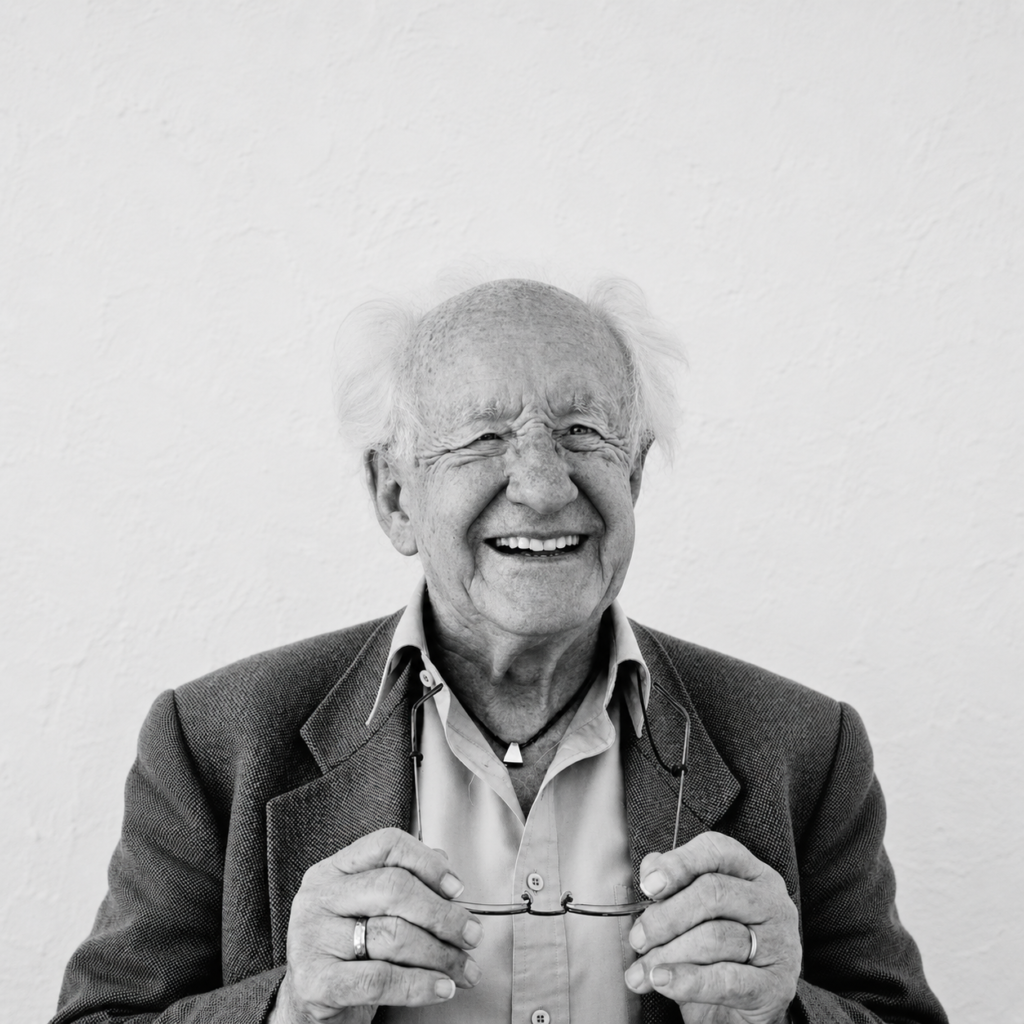
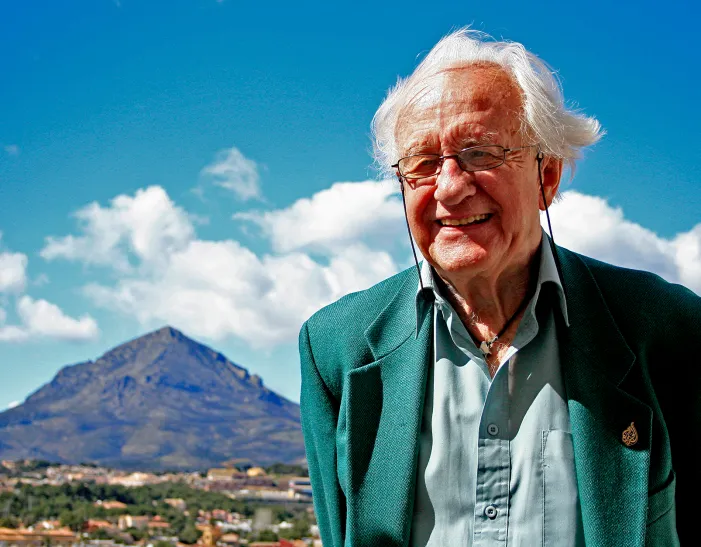
BRICS: The real "Global South" today

Keynote European Center for Peace and Development, Beograd,

Two basic facts stand out in the world economic development, leaving aside military, political, cultural and social development:

* The BRICS – an acronym becoming a social fact–are emerging;

* The USA-EU are declining; not only as markets, also as producers.

Another way of saying this is that the West has been outcompeted, not by the Rest but by – so far – a select part. The world market is not constant but increasing sum, but much demand may be met by domestic production, not by import-export. As part of the story.

The West got the definition of development wrong, still clinging to economic development = economic growth (measured by annual GNP/capita increase). The BRICS understood development differently, adding economic distribution (measured by the ratio in acquisitive power between the top and bottom 20%, and between the CEO and average worker salary; at the macro and micro levels). No growth spells recession-depression, no distribution spells worse: death. For economic, like for geographic, positioning, at least two dimensions are needed. A professor in latitudes, or growth, only, is simply not good enough.

Development becomes increasing growth and increasing equality. Growth alone may lead to flagrant inequality at the expense of those at the bottom and nature–a system we know only too well–distribution alone may lead to the shared misery of some human past. We need both.

The map of the world was also wrong. Rather than two parts, a developed global North and a developing global South, the old division in three was better: the Northwest First Western-[neo]liberal World; the Northeast Second Western-Marxist/socialist World; Alfred Sauvy’s Southwest Third poor World – after the French tiers-état – with three continents, Catholic South America, mixed Africa, and Islamic, Hindu Asia; and, still better, add a Southeast Fourth Daoist-Confucian-Buddhist World, spearheaded by Japan, and now, indeed, by China.

The second, third and fourth worlds all contribute to the BRICS: R from the Second; B, S and I from the three continents in the Third; C from the Fourth. Today’s real global South is all of the above; the West is Northwest only. Surprising, and there is much more to come.

The mainstream development model was also wrong: learning from the more developed countries, MDC, the less developed LDC would catch up and the least developed LLDC with them; supervised by Washington DC to preserve, by and large, the order. Socialism was a loser.

The counter trend models were also wrong. There was a Second World socialist model of socializing means of production, a Third World Latin American dependency model of cutting ties to the Center, African and Asian green models of local development like Gandhi’s sarvodaya, Julius Nyerere’s Ujama’a and Mao’s Fourth World People’s Communes (a stage in the Chinese model of alternating growth and distribution), but, none of the above became the “global south” model. Nor did the Third World G77 trade unionism model for better terms of trade with the First World which would benefit the elites, not people in general. And some countries were, like trade union leaders, co-opted into the OECD-Organization for Economic Cooperation and Development.

So, what succeeded?

As Brazil’s President Fernando Henrique Cardoso said, making a 180-degree turn from dependency theory: capitalism as “the only game in town”. But his successor Lula understood development better, adding distribution. So did Russia making a modernity out of feudalism. So did China – deeply inspired by imperial Japan with socio-economic development first, education and health to all, infrastructure–drawing on its Confucianism for growth, its Buddhism for distribution and its Daoism for alternating between them, adding the giant 400 million “lifting the bottom up” 1991-2004. So did South Africa eliminating apartheid. Only India did not, still paralyzed by caste, closed to the Naxalite challenge. The growth is impressive; the misery at the bottom is not. India does not belong; Turkey does, by opening for non-secular Islam.

By lifting up the bottom that has been trampled upon, including nature, society is triply rewarded. From suffering to reproductive capacity of humans and nature. From the troubles of inequality to the blessings of equality. And from starvation and subsistence to participation as consumers-producers. The Chinese call it capi-communism, combining the Marxist focus on basic needs and the liberal on the market. Highly combinable, and BRCS+Turkey show the way.

On top of the state system comes the gender-generation system: women have been trampled upon, so have the retired; with both as producers there will be quantum jumps. The Northwest has improved on gender for middle and upper class women, but complain about aging and put their experience and wisdom in old age ghettos. Asia does better.

And instead of lifting the bottom up the US lets the bottom sink even further, reducing the economy to flipping and eating hamburgers. The EU has increasing inequality in practically all countries – rampant in Germany – and between Germany and the GIPSI (Greece-Italy-Portugal-Spain-Ireland). Both are de-developing, the new category. So is Eastern Europe by turning its back to the good in a socialist past.

Any economy is ridden by two internal contradictions in addition to class: between the real and the finance economy and inside the real income between goods and services. The West gambled on services and found China+India alone able to produce all the industrial goods the world needs. The West turned to finance economy – using money to produce more money by speculation – and harvested a well-deserved crash in 2008. There will be more crashes. The countries best insulated against the US economy will survive; the BRICS among them, now cooperating internally on a currency basket and a US-free internet against spying.

The Northwest must learn. And the world needs dialogues of models of development: Western-liberal, Western-Marxist, Islamic, Buddhist, Japanese, Chinese. For better economic theory and practice. For all.

Originally published by Transcend Media Service, TMS, here.
Share

Leave a Reply

Your email address will not be published. Required fields are marked *

Related Posts

Peace is promoted by constructive proposals and dialogue Four preceding PressInfos have expressed concern over — and criticised — the ongoing, militarisation of the EU. Some will say: but there are no alternatives. We believe that there are always alternatives, that democracies are characterised by alternatives and choice, and that openly discussed alternatives will improve the quality and legitimacy of society’s decision–making. In addition, it is an intellectual and moral challenge to not only criticise but also be constructive. If we only tell people that we think they are wrong, they are not likely to listen. However, if we say: what are your views on this set of ideas and steps? — we may sometimes engage them in dialogue and sow a seed. Most people in power circles live their daily lives in in a time frame and a social space where certain ideas, viewpoints and concepts are just not...
Photos © TFF 2000 Read PressInfo 90 “Lift the Sanctions and Bring More Aid to Yugoslavia” See Pictures from Belgrade © TFF 2000 Please reprint, copy, archive, quote or re-post this item, but please retain the source.
Av FRANK SØHOLM GREVIL 16 augusti 2004  Vi er nu nået til tredje akt i det absurde teaterstykke, der i analogi med de store skueprocesser i Moskva 1936-38 er blevet døbt ‘Grevil-sagen’. Første akt bestod i min anonyme fremlæggelse af egenhændigt nedklassificerede rapporter i Berlingske Tidende i februar og marts. Andet akt udgjordes af min fremtræden med navn og billede i Information i april samt den efterfølgende mediestorm, som uden min direkte medvirken kostede en forsvarsminister taburetten samt en sigtelse for brud på tavshedspligten. Tredje akt bliver en retssag, hvor jeg står tiltalt for at have overtrådt straffelovens bestemmelser om uberettiget videregivelse eller udnyttelse af fortrolige oplysninger. Statsanklageren har ovenikøbet valgt at påberåbe sig særligt skærpende omstændigheder. Da jeg aldrig har modtaget betaling for at stille rapporterne til rådighed eller lade mig interviewe, må det skærpende bestå i, at “videregivelsen eller udnyttelsen er sket under sådanne omstændigheder, at det påfører...

Recent Articles

PressInfo # 141, December 21, 2001It’s time to prepare reconciliation between Albanians and Serbs PressInfo # 140, December 14, 2001Ibrahim Rugova’s decade-long leadership in Kosovo/a PressInfo # 139, 11. december, 2001En god nyhet: Jugoslaviens Sannings- och försoningskommission PressInfo # 139, 11. december, 2001Gode nyheder: Jugoslaviens Sandheds- og Forsoningskommission PressInfo # 139, December 11, 2001Good news: Yugoslavia’s Truth and Reconciliation Commission PressInfo # 138, November 8, 2001TFF co-founder PhD with thesis about young people with roots in other cultures PressInfo # 138, November 8, 2001TFF:s medstiftare doktor på avhandling om unga med ursprung i andra kulturer PressInfo # 137, October 17, 2001A new Marshall Plan: Advancing human security and controlling terrorism PressInfo # 136, October 15, 2001The UN and Annan really deserve it PressInfo # 135, October 10, 2001Preventing a terrorist mushroom cloud PressInfo # 134, 17 oktober, 2001Sverige og 11. september PressInfo # 134, October 9, 2001Sweden and September 11...
Peace is promoted by constructive proposals and dialogue Four preceding PressInfos have expressed concern over — and criticised — the ongoing, militarisation of the EU. Some will say: but there are no alternatives. We believe that there are always alternatives, that democracies are characterised by alternatives and choice, and that openly discussed alternatives will improve the quality and legitimacy of society’s decision–making. In addition, it is an intellectual and moral challenge to not only criticise but also be constructive. If we only tell people that we think they are wrong, they are not likely to listen. However, if we say: what are your views on this set of ideas and steps? — we may sometimes engage them in dialogue and sow a seed. Most people in power circles live their daily lives in in a time frame and a social space where certain ideas, viewpoints and concepts are just not...
Photos © TFF 2000 Read PressInfo 90 “Lift the Sanctions and Bring More Aid to Yugoslavia” See Pictures from Belgrade © TFF 2000 Please reprint, copy, archive, quote or re-post this item, but please retain the source.

TFF on Substack

Discover more from TFF Transnational Foundation & Jan Oberg.

Most Popular

PressInfo # 141, December 21, 2001It’s time to prepare reconciliation between Albanians and Serbs PressInfo # 140, December 14, 2001Ibrahim Rugova’s decade-long leadership in Kosovo/a PressInfo # 139, 11. december, 2001En god nyhet: Jugoslaviens Sannings- och försoningskommission PressInfo # 139, 11. december, 2001Gode nyheder: Jugoslaviens Sandheds- og Forsoningskommission PressInfo # 139, December 11, 2001Good news: Yugoslavia’s Truth and Reconciliation Commission PressInfo # 138, November 8, 2001TFF co-founder PhD with thesis about young people with roots in other cultures PressInfo # 138, November 8, 2001TFF:s medstiftare doktor på avhandling om unga med ursprung i andra kulturer PressInfo # 137, October 17, 2001A new Marshall Plan: Advancing human security and controlling terrorism PressInfo # 136, October 15, 2001The UN and Annan really deserve it PressInfo # 135, October 10, 2001Preventing a terrorist mushroom cloud PressInfo # 134, 17 oktober, 2001Sverige og 11. september PressInfo # 134, October 9, 2001Sweden and September 11...
Peace is promoted by constructive proposals and dialogue Four preceding PressInfos have expressed concern over — and criticised — the ongoing, militarisation of the EU. Some will say: but there are no alternatives. We believe that there are always alternatives, that democracies are characterised by alternatives and choice, and that openly discussed alternatives will improve the quality and legitimacy of society’s decision–making. In addition, it is an intellectual and moral challenge to not only criticise but also be constructive. If we only tell people that we think they are wrong, they are not likely to listen. However, if we say: what are your views on this set of ideas and steps? — we may sometimes engage them in dialogue and sow a seed. Most people in power circles live their daily lives in in a time frame and a social space where certain ideas, viewpoints and concepts are just not...
Photos © TFF 2000 Read PressInfo 90 “Lift the Sanctions and Bring More Aid to Yugoslavia” See Pictures from Belgrade © TFF 2000 Please reprint, copy, archive, quote or re-post this item, but please retain the source.
Read More
Imagen-thumbnail-The-Transnational-1
PressInfo # 141, December 21, 2001It’s time to prepare reconciliation between Albanians and Serbs PressInfo # 140, December 14, 2001Ibrahim Rugova’s decade-long leadership in Kosovo/a PressInfo # 139, 11. december, 2001En god nyhet: Jugoslaviens Sannings- och försoningskommission PressInfo # 139, 11. december, 2001Gode nyheder: Jugoslaviens Sandheds- og Forsoningskommission PressInfo # 139, December 11, 2001Good news: Yugoslavia’s Truth and Reconciliation Commission PressInfo # 138, November 8, 2001TFF co-founder PhD with thesis about young people with roots in other cultures PressInfo # 138, November 8, 2001TFF:s medstiftare doktor på avhandling om unga med ursprung i andra kulturer PressInfo # 137, October 17, 2001A new Marshall Plan: Advancing human security and controlling terrorism PressInfo # 136, October 15, 2001The UN and Annan really deserve it PressInfo # 135, October 10, 2001Preventing a terrorist mushroom cloud PressInfo # 134, 17 oktober, 2001Sverige og 11. september PressInfo # 134, October 9, 2001Sweden and September 11...
Imagen-thumbnail-The-Transnational-1
Peace is promoted by constructive proposals and dialogue Four preceding PressInfos have expressed concern over — and criticised — the ongoing, militarisation of the EU. Some will say: but there are no alternatives. We believe that there are always alternatives, that democracies are characterised by alternatives and choice, and that openly discussed alternatives will improve the quality and legitimacy of society’s decision–making. In addition, it is an intellectual and moral challenge to not only criticise but also be constructive. If we only tell people that we think they are wrong, they are not likely to listen. However, if we say: what are your views on this set of ideas and steps? — we may sometimes engage them in dialogue and sow a seed. Most people in power circles live their daily lives in in a time frame and a social space where certain ideas, viewpoints and concepts are just not...
Imagen-thumbnail-The-Transnational-1
Photos © TFF 2000 Read PressInfo 90 “Lift the Sanctions and Bring More Aid to Yugoslavia” See Pictures from Belgrade © TFF 2000 Please reprint, copy, archive, quote or re-post this item, but please retain the source.
Imagen-thumbnail-The-Transnational-1
Av FRANK SØHOLM GREVIL 16 augusti 2004  Vi er nu nået til tredje akt i det absurde teaterstykke, der i analogi med de store skueprocesser i Moskva 1936-38 er blevet døbt ‘Grevil-sagen’. Første akt bestod i min anonyme fremlæggelse af egenhændigt nedklassificerede rapporter i Berlingske Tidende i februar og marts. Andet akt udgjordes af min fremtræden med navn og billede i Information i april samt den efterfølgende mediestorm, som uden min direkte medvirken kostede en forsvarsminister taburetten samt en sigtelse for brud på tavshedspligten. Tredje akt bliver en retssag, hvor jeg står tiltalt for at have overtrådt straffelovens bestemmelser om uberettiget videregivelse eller udnyttelse af fortrolige oplysninger. Statsanklageren har ovenikøbet valgt at påberåbe sig særligt skærpende omstændigheder. Da jeg aldrig har modtaget betaling for at stille rapporterne til rådighed eller lade mig interviewe, må det skærpende bestå i, at “videregivelsen eller udnyttelsen er sket under sådanne omstændigheder, at det påfører...
Imagen-thumbnail-The-Transnational-1
Af Svenska Irakkommittén mot de Ekonomiska Sanktionerna (SIES) 13 september 2002 FN:s ekonomiska sanktioner mot Irak har nu pågått i tolv år och drabbat det irakiska folket med svåra lidanden. Enligt FN:s egna siffror har mer än 1,5 miljoner människor, varav ca 600 000 barn, dött som en direkt följd av sanktionerna. Dessutom har ett lågintensivt bombkrig mot landet pågått under dessa år. Av all denna förödelse- orsakad huvudsakligen av amerikansk och brittisk politik- har Saddam Husseins brutala och diktatoriska regim snarast stärkts än försvagats. Nu förbereder USA under president Bushs ledning ett storskaligt bombkrig mot Irak som kommer att innebära ett ännu större lidande för civilbefolkningen. Ett sådant krig kommer dessutom att ytterligare undergräva freden och säkerheten i världen. Att upprätta en demokratisk regim i Irak är det irakiska folkets angelägenhet och får enligt folkrätten inte ske med krigshandlingar utifrån. Folkrätten och FN:s stadgar måste respekteras. Vi vädjar till...


