
2012 Peace Proposal: Human Security and Sustainability: Sharing reverence for the dignity of life

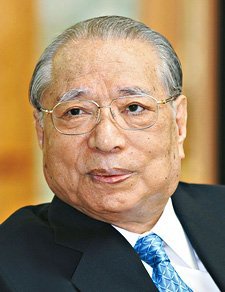
By Daisaku Ikeda
President of Soka Gakkai International (SGI)
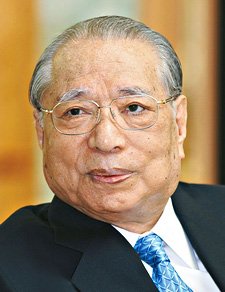
Every year Dr. Ikeda publishes his thoughts on what must be done to secure a better future for us all. He is a true contributor to the TFF pro-peace orientation that emphasizes how important it is to “imagine a better world”.
We are proud to have had this wise, visionary leader of what is probably the world’s largest peace movement, as TFF Associate over many years.
Much more about him here
.

The economist Amartya Sen, a renowned advocate of the methods and approaches of human security, has emphasized “the dangers of sudden deprivation.” Such unanticipated threats can take the form of natural disaster and conflict, and can also arise from economic crises and rapid environmental degradation brought about by climate change. It is crucial that we respond vigorously to such threats, which can grievously undermine people’s lives, livelihoods and dignity.

It is the nature of disasters that they destroy those things that are most precious, necessary and irreplaceable to human life. They inflict the suffering of the loss of friends and family members, the destruction of homes and the shredding of the bonds of community. When disasters strike, society as a whole must be prepared to offer long-term support, sharing the responsibility to assist people in rebuilding their lives.

The treatise “On Establishing the Correct Teaching for the Peace of the Land,” authored by Nichiren (1222-82), whose teachings are the foundation of the belief of members of the Soka Gakkai International (SGI), provides a useful framework for thinking about our contemporary world. Three aspects of this text are especially relevant in light of present-day conditions and the imperatives of human security: the philosophical stance that the highest priority of the state must be the well-being and security of ordinary people; a call for the establishment of a worldview rooted in a vital sense of our interconnectedness; and the insight that the greatest empowerment is realized when, through dialogue, we advance from a shared concern to a shared action-oriented pledge or vow.

Such empowerment is of particular relevance to the restoration of people’s sense of mental equilibrium and health in post-disaster situations, “the recovery of the heart.” Buddhism teaches that whatever our individual circumstances, we can always discover the capacity to help others; it also assures us that those who have suffered the most have the right to the greatest happiness.

Humanitarianism, human rights and sustainability

Turning to specific proposals, three major challenges–natural disasters, environmental degradation and poverty, and nuclear weapons–present future generations with threats and burdens that will only become greater the more we delay. Humanitarianism, human rights and sustainability need to be the core elements of a future vision of:

A world that, refusing to overlook human tragedy wherever it occurs, unites in solidarity to overcome threats;
A world that, based on the empowerment of individuals, gives priority to securing the dignity and right of all people to live in peace;
A world that, remembering the lessons of the past, does not allow unborn generations to inherit the negative legacies of human history and directs all its energies to transforming those legacies.

Disaster risk reduction

Regarding disaster risk reduction, international frameworks to support disaster-affected populations need to be strengthened, specifically by applying a rights-based approach and including such responses in the mandate of the Office of the United Nations High Commissioner for Refugees (UNHCR).

Human rights need to be given a central stress in all relief efforts, focusing on the right of those affected by disasters to live with dignity. We need to create a culture of human rights that champions the dignity of those afflicted by disasters, threats and social injustice. At the same time, it is absolutely vital that people be empowered to transform their own circumstances, and here a focus on women will prove indispensable.

Women bear a disproportionate burden of the deprivations resulting from disasters, and they are often exposed to grievous threats. At the same time, there is a need to afford greater recognition to women’s special capacities to contribute. Women must be empowered as effective change agents in the fields of disaster risk reduction, recovery and reconstruction, in line with similar recognition of their potential roles in conflict prevention, resolution and peacebuilding. Specifically, disaster risk reduction and recovery could be included in the scope of UN Security Council Resolution 1325, or a new resolution could be adopted with a focus on the roles women play in these areas.

Sustainable development

Ahead of the United Nations Conference on Sustainable Development (Rio+20) slated to be held in Rio de Janeiro, Brazil, this June, there have been many calls for the establishment of Sustainable Development Goals.

A set of common goals for a sustainable future should inherit the spirit of the Millennium Development Goals of alleviating the distortions in our global society generated by poverty and income disparities, and should also address the full range of human security issues.

Sustainable energy is also a key issue we need to face. As made painfully clear by the accident at the Fukushima Nuclear Power Plant that accompanied the devastating earthquake and tsunami which struck Japan last March, a rapid transition to an energy policy that is not dependent on nuclear power is urgently required. At the same time, the International Atomic Energy Agency (IAEA) needs to play a central role in responding to nuclear power plant accidents, in the decommissioning of obsolescent nuclear reactors and in handling the back end of the nuclear fuel cycle.

Nuclear abolition

For years, the SGI has promoted a movement to manifest the will of the world’s people for the outlawing of nuclear weapons through the adoption of a Nuclear Weapons Convention (NWC). There are numerous signs that we are now positioned at a tipping point where a “cascade” of governments start supporting adoption of an NWC.

The leading role played by civil society in developing a draft NWC and in actively seeking the start of negotiations demonstrates that the spiritual wellspring and normative source for such a treaty exist as a vital presence in the hearts and minds of the world’s ordinary citizens. What is required now is to take this living, breathing awareness and give it concrete form as a binding legal agreement expressing the shared conscience of humankind.

We must initiate concrete negotiations that will culminate in the realization of an NWC. One way to do this would be to present it as a basic treaty establishing the legal framework of a world without nuclear weapons with a set of associated protocols. The basic treaty would allow signatory states to clearly commit to the goal of a world without nuclear weapons and undertake a process of mutual threat reduction. Separate protocols could enumerate prohibited activities such as development and production, use or threat of use, and establish procedures for decommissioning and verification. NGOs and forward-looking governments should establish an action group to embark on this venture.

We should set a target of 2015 for the release–or better yet, the signing–of an agreed-upon draft of the basic framework treaty. Hiroshima and Nagasaki would provide a suitable venue for this, at a nuclear abolition summit to mark the effective end of the nuclear era. The Nuclear Non-Proliferation Treaty (NPT) Review Conference, scheduled for 2015, provides a good opportunity for such a summit.

The struggle for peace, like the struggle for human rights and humanity, should be thought of as the work of generating an uninterrupted and unstoppable flow of commitment connecting and passed on from one generation to the next. This is the conviction that has supported the SGI’s efforts to help build a better future for all, to promote a movement of empowerment that is of, for and by the people, laying the foundations for a global society of peace and harmonious coexistence.


Originally published here

Share

Leave a Reply

Your email address will not be published. Required fields are marked *

Related Posts

Peace is promoted by constructive proposals and dialogue Four preceding PressInfos have expressed concern over — and criticised — the ongoing, militarisation of the EU. Some will say: but there are no alternatives. We believe that there are always alternatives, that democracies are characterised by alternatives and choice, and that openly discussed alternatives will improve the quality and legitimacy of society’s decision–making. In addition, it is an intellectual and moral challenge to not only criticise but also be constructive. If we only tell people that we think they are wrong, they are not likely to listen. However, if we say: what are your views on this set of ideas and steps? — we may sometimes engage them in dialogue and sow a seed. Most people in power circles live their daily lives in in a time frame and a social space where certain ideas, viewpoints and concepts are just not...
Photos © TFF 2000 Read PressInfo 90 “Lift the Sanctions and Bring More Aid to Yugoslavia” See Pictures from Belgrade © TFF 2000 Please reprint, copy, archive, quote or re-post this item, but please retain the source.
Av FRANK SØHOLM GREVIL 16 augusti 2004  Vi er nu nået til tredje akt i det absurde teaterstykke, der i analogi med de store skueprocesser i Moskva 1936-38 er blevet døbt ‘Grevil-sagen’. Første akt bestod i min anonyme fremlæggelse af egenhændigt nedklassificerede rapporter i Berlingske Tidende i februar og marts. Andet akt udgjordes af min fremtræden med navn og billede i Information i april samt den efterfølgende mediestorm, som uden min direkte medvirken kostede en forsvarsminister taburetten samt en sigtelse for brud på tavshedspligten. Tredje akt bliver en retssag, hvor jeg står tiltalt for at have overtrådt straffelovens bestemmelser om uberettiget videregivelse eller udnyttelse af fortrolige oplysninger. Statsanklageren har ovenikøbet valgt at påberåbe sig særligt skærpende omstændigheder. Da jeg aldrig har modtaget betaling for at stille rapporterne til rådighed eller lade mig interviewe, må det skærpende bestå i, at “videregivelsen eller udnyttelsen er sket under sådanne omstændigheder, at det påfører...

Recent Articles

PressInfo # 141, December 21, 2001It’s time to prepare reconciliation between Albanians and Serbs PressInfo # 140, December 14, 2001Ibrahim Rugova’s decade-long leadership in Kosovo/a PressInfo # 139, 11. december, 2001En god nyhet: Jugoslaviens Sannings- och försoningskommission PressInfo # 139, 11. december, 2001Gode nyheder: Jugoslaviens Sandheds- og Forsoningskommission PressInfo # 139, December 11, 2001Good news: Yugoslavia’s Truth and Reconciliation Commission PressInfo # 138, November 8, 2001TFF co-founder PhD with thesis about young people with roots in other cultures PressInfo # 138, November 8, 2001TFF:s medstiftare doktor på avhandling om unga med ursprung i andra kulturer PressInfo # 137, October 17, 2001A new Marshall Plan: Advancing human security and controlling terrorism PressInfo # 136, October 15, 2001The UN and Annan really deserve it PressInfo # 135, October 10, 2001Preventing a terrorist mushroom cloud PressInfo # 134, 17 oktober, 2001Sverige og 11. september PressInfo # 134, October 9, 2001Sweden and September 11...
Peace is promoted by constructive proposals and dialogue Four preceding PressInfos have expressed concern over — and criticised — the ongoing, militarisation of the EU. Some will say: but there are no alternatives. We believe that there are always alternatives, that democracies are characterised by alternatives and choice, and that openly discussed alternatives will improve the quality and legitimacy of society’s decision–making. In addition, it is an intellectual and moral challenge to not only criticise but also be constructive. If we only tell people that we think they are wrong, they are not likely to listen. However, if we say: what are your views on this set of ideas and steps? — we may sometimes engage them in dialogue and sow a seed. Most people in power circles live their daily lives in in a time frame and a social space where certain ideas, viewpoints and concepts are just not...
Photos © TFF 2000 Read PressInfo 90 “Lift the Sanctions and Bring More Aid to Yugoslavia” See Pictures from Belgrade © TFF 2000 Please reprint, copy, archive, quote or re-post this item, but please retain the source.

TFF on Substack

Discover more from TFF Transnational Foundation & Jan Oberg.

Most Popular

PressInfo # 141, December 21, 2001It’s time to prepare reconciliation between Albanians and Serbs PressInfo # 140, December 14, 2001Ibrahim Rugova’s decade-long leadership in Kosovo/a PressInfo # 139, 11. december, 2001En god nyhet: Jugoslaviens Sannings- och försoningskommission PressInfo # 139, 11. december, 2001Gode nyheder: Jugoslaviens Sandheds- og Forsoningskommission PressInfo # 139, December 11, 2001Good news: Yugoslavia’s Truth and Reconciliation Commission PressInfo # 138, November 8, 2001TFF co-founder PhD with thesis about young people with roots in other cultures PressInfo # 138, November 8, 2001TFF:s medstiftare doktor på avhandling om unga med ursprung i andra kulturer PressInfo # 137, October 17, 2001A new Marshall Plan: Advancing human security and controlling terrorism PressInfo # 136, October 15, 2001The UN and Annan really deserve it PressInfo # 135, October 10, 2001Preventing a terrorist mushroom cloud PressInfo # 134, 17 oktober, 2001Sverige og 11. september PressInfo # 134, October 9, 2001Sweden and September 11...
Peace is promoted by constructive proposals and dialogue Four preceding PressInfos have expressed concern over — and criticised — the ongoing, militarisation of the EU. Some will say: but there are no alternatives. We believe that there are always alternatives, that democracies are characterised by alternatives and choice, and that openly discussed alternatives will improve the quality and legitimacy of society’s decision–making. In addition, it is an intellectual and moral challenge to not only criticise but also be constructive. If we only tell people that we think they are wrong, they are not likely to listen. However, if we say: what are your views on this set of ideas and steps? — we may sometimes engage them in dialogue and sow a seed. Most people in power circles live their daily lives in in a time frame and a social space where certain ideas, viewpoints and concepts are just not...
Photos © TFF 2000 Read PressInfo 90 “Lift the Sanctions and Bring More Aid to Yugoslavia” See Pictures from Belgrade © TFF 2000 Please reprint, copy, archive, quote or re-post this item, but please retain the source.
Read More
Imagen-thumbnail-The-Transnational-1
PressInfo # 141, December 21, 2001It’s time to prepare reconciliation between Albanians and Serbs PressInfo # 140, December 14, 2001Ibrahim Rugova’s decade-long leadership in Kosovo/a PressInfo # 139, 11. december, 2001En god nyhet: Jugoslaviens Sannings- och försoningskommission PressInfo # 139, 11. december, 2001Gode nyheder: Jugoslaviens Sandheds- og Forsoningskommission PressInfo # 139, December 11, 2001Good news: Yugoslavia’s Truth and Reconciliation Commission PressInfo # 138, November 8, 2001TFF co-founder PhD with thesis about young people with roots in other cultures PressInfo # 138, November 8, 2001TFF:s medstiftare doktor på avhandling om unga med ursprung i andra kulturer PressInfo # 137, October 17, 2001A new Marshall Plan: Advancing human security and controlling terrorism PressInfo # 136, October 15, 2001The UN and Annan really deserve it PressInfo # 135, October 10, 2001Preventing a terrorist mushroom cloud PressInfo # 134, 17 oktober, 2001Sverige og 11. september PressInfo # 134, October 9, 2001Sweden and September 11...
Imagen-thumbnail-The-Transnational-1
Peace is promoted by constructive proposals and dialogue Four preceding PressInfos have expressed concern over — and criticised — the ongoing, militarisation of the EU. Some will say: but there are no alternatives. We believe that there are always alternatives, that democracies are characterised by alternatives and choice, and that openly discussed alternatives will improve the quality and legitimacy of society’s decision–making. In addition, it is an intellectual and moral challenge to not only criticise but also be constructive. If we only tell people that we think they are wrong, they are not likely to listen. However, if we say: what are your views on this set of ideas and steps? — we may sometimes engage them in dialogue and sow a seed. Most people in power circles live their daily lives in in a time frame and a social space where certain ideas, viewpoints and concepts are just not...
Imagen-thumbnail-The-Transnational-1
Photos © TFF 2000 Read PressInfo 90 “Lift the Sanctions and Bring More Aid to Yugoslavia” See Pictures from Belgrade © TFF 2000 Please reprint, copy, archive, quote or re-post this item, but please retain the source.
Imagen-thumbnail-The-Transnational-1
Av FRANK SØHOLM GREVIL 16 augusti 2004  Vi er nu nået til tredje akt i det absurde teaterstykke, der i analogi med de store skueprocesser i Moskva 1936-38 er blevet døbt ‘Grevil-sagen’. Første akt bestod i min anonyme fremlæggelse af egenhændigt nedklassificerede rapporter i Berlingske Tidende i februar og marts. Andet akt udgjordes af min fremtræden med navn og billede i Information i april samt den efterfølgende mediestorm, som uden min direkte medvirken kostede en forsvarsminister taburetten samt en sigtelse for brud på tavshedspligten. Tredje akt bliver en retssag, hvor jeg står tiltalt for at have overtrådt straffelovens bestemmelser om uberettiget videregivelse eller udnyttelse af fortrolige oplysninger. Statsanklageren har ovenikøbet valgt at påberåbe sig særligt skærpende omstændigheder. Da jeg aldrig har modtaget betaling for at stille rapporterne til rådighed eller lade mig interviewe, må det skærpende bestå i, at “videregivelsen eller udnyttelsen er sket under sådanne omstændigheder, at det påfører...
Imagen-thumbnail-The-Transnational-1
Af Svenska Irakkommittén mot de Ekonomiska Sanktionerna (SIES) 13 september 2002 FN:s ekonomiska sanktioner mot Irak har nu pågått i tolv år och drabbat det irakiska folket med svåra lidanden. Enligt FN:s egna siffror har mer än 1,5 miljoner människor, varav ca 600 000 barn, dött som en direkt följd av sanktionerna. Dessutom har ett lågintensivt bombkrig mot landet pågått under dessa år. Av all denna förödelse- orsakad huvudsakligen av amerikansk och brittisk politik- har Saddam Husseins brutala och diktatoriska regim snarast stärkts än försvagats. Nu förbereder USA under president Bushs ledning ett storskaligt bombkrig mot Irak som kommer att innebära ett ännu större lidande för civilbefolkningen. Ett sådant krig kommer dessutom att ytterligare undergräva freden och säkerheten i världen. Att upprätta en demokratisk regim i Irak är det irakiska folkets angelägenhet och får enligt folkrätten inte ske med krigshandlingar utifrån. Folkrätten och FN:s stadgar måste respekteras. Vi vädjar till...

