
The sky above Turkey has much blue in it

Prefatory Note
An earlier version was published by Middle East Eye on August 10, 2016. It seems so important at this time for the sake of the future of Turkey that the West look at the country and its political circumstances in a far more balanced way than how the situation has been portrayed since the coup. How to explain this imbalance is another matterthat should be explored at some point, but for now is largely put aside.

Much uncertainty remains in Turkey, but there is enough evidence of positive tendencies to raise a tentative banner of hope. Being a witness to the political atmosphere in Turkey that has emerged after the failed coup of July 15th puts me at odds with the secular consensus in the West, which looks up at the sky and sees only dark, ominous clouds of human rights abuse and autocratic leadership.

What I have experienced and observed so far is quite different, a sky with much blue in it.

There are two opposed, although overlapping, tendencies present that seemed to be responsive to the political priorities that top the post-coup government agenda: sustaining the anti-coup unity by shifting political gears within the AKP leadership circles in the direction of “inclusive democracy” and pragmatism, and with it, a retreat from the polarizing claims of “majoritarian democracy” that greatly intensified after the 2011 national elections and were particularly evident in the clumsy, unacceptable way the Turkish government handled the Gezi Park demonstrations two years later.

The most important concrete embodiment of this post-15 July move toward inclusiveness has been a series of initatives intended to create a common front between the three leading political parties in the country, including the CHP (secular mainstream) and MHP (nationalist rightest) opposition parties.

This has been reinforced by several other developments, including a pragmatic approach to foreign policy and a decision by Recip Tayyip Erdoğan to drop the many law suits under a Turkish law that makes it a civil wrong to insult the president.

The Ataturk effect

There is also a reinforcement of these developments with clear evidence of an AKP appreciation of Kemal Ataturk as heroic founder of the country and defender of its political independence and unity, which had been notably absent from the AKP political profile ever since it initially took power in 2002.

It was notable that Erdoğan at his dramatic press conference at the Istanbul Airport on the night of the attempted coup spoke below a giant portrait of Ataturk.

This gesture was reinforced by the dominance of huge poster pictures of Erdoğan and Ataturk, and no one else, behind the speaker stage at the immense August 7th Democracy Watch rally, and even more so by a long Ataturk quotation in the course of Erdoğan’s speech, the highlight of the event.

This emphasis on Ataturk’s guidance has also been notable in the CHP effort to interpret the defeat of the coup as a great victory of Turkish democracy, as well as a historic moment of national unity and patriotic fervor.

It needs to be understood that invoking the image and thought of Ataturk are ways of expressing two realities: most significantly, a reaffirmation of the secularist orientation of the Turkish state accompanied by recognition that Turkey was experiencing a supreme “patriotic moment” that took precedence over all the pre-coup political divisions that had created such toxic polarization prior to July 15th.

Learning from mistakes

Also notable, and a return to an earlier style, has been the generally calm tone and restrained substance of Erdogan’s leadership. In the domestic pro-AKP media, there have been references back to Erdoğan’s then controversial advice to the Egyptian people to insist on a secular foundation for the governing process following the Tahrir uprising that overthrew Mubarak, a position at the time deeply resented by the Muslim Brotherhood as an intrusion on Egyptian internal politics and distrusted or ignored by the secular opposition to Erdoğan in Turkey and abroad.

Looking back, Egypt would almost certainly have benefitted greatly if it had followed Erdoğan’s advice, with the implication that Turkey’s present crisis was brought about by allowing the religiously oriented movement of Fetullah Gülen to penetrate so deeply into the sinews of government.

Of course, anti-AKP voices insist, with reason, that Erdoğan failed to adhere to his own guidelines, both by insinuating political Islam into the appointment and policy process of the Turkish state in recent years and also by striking an opportunistic bargain with Gülen forces that years earlier paved the way for this exercise of pernicious religious influence within the Turkish state.

Perhaps it is possible to learn from this past while admitting past mistakes – as Erdoğan has done by his extraordinary apology to the nation for past collaboration with and trust in the Gülen movement.

‘As many friends as possible’

Another facet of the present understanding of July 15th is the widespread agreement across the Turkish political spectrum that the US was involved to some degree in relation to the coup.

To what degree is a matter of wildly divergent beliefs ranging from active complicity to passive and indirect support. There is even the opinion present in Turkey that the timing of the coup reflected US government nervousness about Ankara’s seeming turn toward Moscow, and at minimum, if the coup had succeeded, Washington it seems would have shed few tears.

What lends some credibility to such suspicions is that a major foreign policy reset was underway and in motion prior to the coup attempt. It was centered upon diplomatic initiatives seeking to restore positive diplomatic and economic relations with Russia and Israel, and possibly even with Syria, Iran, and Egypt. Prospects for normalisation with Egypt took a turn for the worse as a result of Cairo’s seeming sympathy with the coup attempt, including possible receptivity to an asylum request from Fettulah Gülen.

Yet what seems in many respects to be a second coming of Turkey’s pre-Arab Spring approach of “zero problems with neighbours” has been reformulated by the current prime minister, Binali Yildirim, in a similar formula: “as many friends as possible, and as few enemies.”

This apparent move away from the sort of ideological foreign policy that Turkey has pursued since 2011 may not be pleasing to hardliners in the US and Europe, but it certainly makes sense from the perspective of Turkish national interests, given current national and regional realities.
</br< Atmosphere of fear

Having pointed to some positive responses by the Turkish government to the crisis following the coup attempt, let me mention a few disturbing negative features of the present atmosphere.

Erdoğan mobilized mass street support on the night of the failed coup, an initiative that even most of his critics here in Turkey treat as a stroke of political genius that probably turned the tide of battle on the fateful evening of July 15th.

Yet some fear that the nightly continuation of populist demonstration that continued for three weeks were leading the country back in the direction of majoritarian democracy and reawakened polarization, and something even worse, if the temporary consensus with the opposition starts to fray.

Also extremely worrisome are mass detentions, arrests, dismissals, and suspensions involving many thousands of people, many of whom are viewed as innocent of any incriminating involvement. There are also reliable reports of torture and abuse involving some of those being held, creating a widespread atmosphere of fear and intimidation, making some people even scared to voice their views.

Given the fresh memories of the coup attempt, its brutal violence, and the realistic worry that pro-coup elements remain strategically situated in the governing structures of society, great pressure to strengthen internal security exists and should be interpreted with a measure of sympathy, or at least understanding.

There is some reason to be guardedly hopeful as many individuals have been cleared and released, and the leadership has repeatedly promised to proceed in accord with the rule of law, including making diligent efforts not to confuse Gülen conspirators with anti-AKP critics.

Populist pressure

There is also reason to be concerned about Erdogan’s demagogic appeals that seem designed to mobilize populist pressures on Parliament to restore capital punishment for the intended purpose of prosecuting and punishing Fetullah Gülen.

It should be better appreciated in Turkey that any attempted application of capital punishment to Gülen would be unacceptably retroactive, and a violation of the rule of law as universally understood.

Among other effects, such a prospect would give the United States a credible legal pretext to deny the pending extradition request, which in turn would create a storm of anti-American resentment in Turkey. It is helpful to do a thought experiment that captures the Turkish political mood. The overwhelming majority of Turks feel what Americans would have felt if after the 9/11 attacks a supposedly friendly government had given safe haven to Osama Bin Laden.

The most shortsighted aspect of the current approach is the evident decision by Erdoğan to stop short of including the pro-Kurdish political party, HDP or People’s Democratic Party, in the national unity approach, and the absence of any show of a willingness to renew a peace process with the Kurdish national movement, including representatives of the PKK.

The government contends that this is not possible to do so long as the PKK engages in armed struggle, which proceeds on a daily basis.

Given ongoing concerns with the Islamic State (IS) group and spillovers from the Syrian war, the future of Turkey will seem far brighter if the Kurdish dimension can be constructively addressed.

Concluding Observation

What remains after this look at present pros and cons is a core reality of uncertainty, yet I believe there is presently enough evidence of positive tendencies, to raise a tentative banner of hope about the Turkish future.

Such a banner is also justified as a counter to the banner of despair and rage being waved so vigorously by anti-Erdoğan zealots around the world with much support given by mainstream media and not a few governments in the West who withheld support of the Turkish government in its hour of need and have been reluctant to accept the allegations that the coup was the work of the movement headed by Fetullah Gülen from his informal headquarters in Pennsylvania.

It is hardly surprising that Ankara should be looking elsewhere for friends, and even contemplating turning its back on Europe, and conceivably even NATO.

It could be that a major geopolitical realignment is underway, or maybe not. If it occurs it will be the most significant change in the geopolitical landscape since the collapse of the Soviet Union in the aftermath of the Cold War.
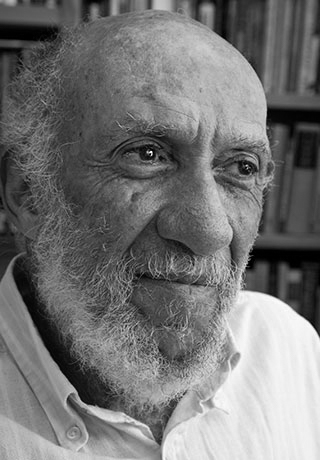

Professor Falk became an adviser to TFF when it was established in 1985.

Share

Leave a Reply

Your email address will not be published. Required fields are marked *

Related Posts

“En dag som berättigar till fest”, utropade den London-baserade al-Quds al-Arabi efter FN:s eldupphörresolution, “eftersom detta är första gången som Israel accepterar ett FN-beslut från en position som besegrad och inte som segrare”. Att ett arabisk-israeliskt krig för en gångs skull slutat med arabisk seger, är en helt dominerade åsikt i arabiska medier. Al-Quds al-Arabi tillåter sig att drömma om att det israeliska nederlaget skall leda till massflykt från Israel. Men i nästa andetag påminner tidningen om att Israel aldrig brukar genomföra sina internationella åtaganden och varnar för att förlorarna, liksom tidigare, kan hämnas genom att provocera fram inbördeskrig i Libanon. Med tanke på de otaliga massmediala vittnesmålen om det libanesiska folkets eniga motståndskraft förefaller risken för inre stridigheter i det sargade landet just nu liten. Men visst kan man urskilja nyansskillnader i libanesiska tidningar. Vänsterorganet al-Safir uppfattar FN-resolutionen som en komplott i syfte att rädda Israel från ännu större...
Greenland – the world’s largest island, a continent of its own with only 57.000 inhabitants. I visited it for the first time in May 2005. I flew across the inland ice to Nuuk, the tiny capital with some 14.000 inhabitants. I was overwhelmed by the pride and kindness of everyone I met as well as by the unique natural beauty. Unfortunately, due to weather conditions during my ten-day stay I could get nowhere else but Nuuk. Fortunately, however, among those I met was Gitte Arvegaard, a Danish lawyer and negotiator employed by the local government, Greenland Home Rule. She turned out to be an enthusiastic photographer with a lot of pictures taken during various trips around Greenland. So this Greeland series is the result of our cooperative effort. We both hope you enjoy it and are stimulated to visit Greenland – about which you may read more here. Finally, if you want to...
  Back to the series “Bujumbura, Burundi”

Recent Articles

“En dag som berättigar till fest”, utropade den London-baserade al-Quds al-Arabi efter FN:s eldupphörresolution, “eftersom detta är första gången som Israel accepterar ett FN-beslut från en position som besegrad och inte som segrare”. Att ett arabisk-israeliskt krig för en gångs skull slutat med arabisk seger, är en helt dominerade åsikt i arabiska medier. Al-Quds al-Arabi tillåter sig att drömma om att det israeliska nederlaget skall leda till massflykt från Israel. Men i nästa andetag påminner tidningen om att Israel aldrig brukar genomföra sina internationella åtaganden och varnar för att förlorarna, liksom tidigare, kan hämnas genom att provocera fram inbördeskrig i Libanon. Med tanke på de otaliga massmediala vittnesmålen om det libanesiska folkets eniga motståndskraft förefaller risken för inre stridigheter i det sargade landet just nu liten. Men visst kan man urskilja nyansskillnader i libanesiska tidningar. Vänsterorganet al-Safir uppfattar FN-resolutionen som en komplott i syfte att rädda Israel från ännu större...
Greenland – the world’s largest island, a continent of its own with only 57.000 inhabitants. I visited it for the first time in May 2005. I flew across the inland ice to Nuuk, the tiny capital with some 14.000 inhabitants. I was overwhelmed by the pride and kindness of everyone I met as well as by the unique natural beauty. Unfortunately, due to weather conditions during my ten-day stay I could get nowhere else but Nuuk. Fortunately, however, among those I met was Gitte Arvegaard, a Danish lawyer and negotiator employed by the local government, Greenland Home Rule. She turned out to be an enthusiastic photographer with a lot of pictures taken during various trips around Greenland. So this Greeland series is the result of our cooperative effort. We both hope you enjoy it and are stimulated to visit Greenland – about which you may read more here. Finally, if you want to...
 Jan Oberg’s storyof how he met Sir Paul Liverpool – where else to meet Paul McCartney? Paul’s old class mate and TFF Associate, Jonathan Power introduced me to Paul McCartney in Liverpool at an informal reception. It was held at what used to be their school, now the Liverpool Institute for Performing Arts and we were there to celebrate that Jonathan had written Amnesty International’s 40th Anniversary book. This happy event for “righting wrongs and writing songs” gave me an opportunity to meet Paul and tell him about TFF and get straight to the matter: would he consider making a donation in support of our work for peace? While I was probably the only one with such a wish that day, I was certainly not the only one who wanted to shake hands and talk with him. In the last minutes before Paul was to leave, Jonathan brought us together and we got about three...

TFF on Substack

Discover more from TFF Transnational Foundation & Jan Oberg.

Most Popular

“En dag som berättigar till fest”, utropade den London-baserade al-Quds al-Arabi efter FN:s eldupphörresolution, “eftersom detta är första gången som Israel accepterar ett FN-beslut från en position som besegrad och inte som segrare”. Att ett arabisk-israeliskt krig för en gångs skull slutat med arabisk seger, är en helt dominerade åsikt i arabiska medier. Al-Quds al-Arabi tillåter sig att drömma om att det israeliska nederlaget skall leda till massflykt från Israel. Men i nästa andetag påminner tidningen om att Israel aldrig brukar genomföra sina internationella åtaganden och varnar för att förlorarna, liksom tidigare, kan hämnas genom att provocera fram inbördeskrig i Libanon. Med tanke på de otaliga massmediala vittnesmålen om det libanesiska folkets eniga motståndskraft förefaller risken för inre stridigheter i det sargade landet just nu liten. Men visst kan man urskilja nyansskillnader i libanesiska tidningar. Vänsterorganet al-Safir uppfattar FN-resolutionen som en komplott i syfte att rädda Israel från ännu större...
Greenland – the world’s largest island, a continent of its own with only 57.000 inhabitants. I visited it for the first time in May 2005. I flew across the inland ice to Nuuk, the tiny capital with some 14.000 inhabitants. I was overwhelmed by the pride and kindness of everyone I met as well as by the unique natural beauty. Unfortunately, due to weather conditions during my ten-day stay I could get nowhere else but Nuuk. Fortunately, however, among those I met was Gitte Arvegaard, a Danish lawyer and negotiator employed by the local government, Greenland Home Rule. She turned out to be an enthusiastic photographer with a lot of pictures taken during various trips around Greenland. So this Greeland series is the result of our cooperative effort. We both hope you enjoy it and are stimulated to visit Greenland – about which you may read more here. Finally, if you want to...
 Jan Oberg’s storyof how he met Sir Paul Liverpool – where else to meet Paul McCartney? Paul’s old class mate and TFF Associate, Jonathan Power introduced me to Paul McCartney in Liverpool at an informal reception. It was held at what used to be their school, now the Liverpool Institute for Performing Arts and we were there to celebrate that Jonathan had written Amnesty International’s 40th Anniversary book. This happy event for “righting wrongs and writing songs” gave me an opportunity to meet Paul and tell him about TFF and get straight to the matter: would he consider making a donation in support of our work for peace? While I was probably the only one with such a wish that day, I was certainly not the only one who wanted to shake hands and talk with him. In the last minutes before Paul was to leave, Jonathan brought us together and we got about three...
Read More
Imagen-thumbnail-The-Transnational-1
“En dag som berättigar till fest”, utropade den London-baserade al-Quds al-Arabi efter FN:s eldupphörresolution, “eftersom detta är första gången som Israel accepterar ett FN-beslut från en position som besegrad och inte som segrare”. Att ett arabisk-israeliskt krig för en gångs skull slutat med arabisk seger, är en helt dominerade åsikt i arabiska medier. Al-Quds al-Arabi tillåter sig att drömma om att det israeliska nederlaget skall leda till massflykt från Israel. Men i nästa andetag påminner tidningen om att Israel aldrig brukar genomföra sina internationella åtaganden och varnar för att förlorarna, liksom tidigare, kan hämnas genom att provocera fram inbördeskrig i Libanon. Med tanke på de otaliga massmediala vittnesmålen om det libanesiska folkets eniga motståndskraft förefaller risken för inre stridigheter i det sargade landet just nu liten. Men visst kan man urskilja nyansskillnader i libanesiska tidningar. Vänsterorganet al-Safir uppfattar FN-resolutionen som en komplott i syfte att rädda Israel från ännu större...
Greenland – the world’s largest island, a continent of its own with only 57.000 inhabitants. I visited it for the first time in May 2005. I flew across the inland ice to Nuuk, the tiny capital with some 14.000 inhabitants. I was overwhelmed by the pride and kindness of everyone I met as well as by the unique natural beauty. Unfortunately, due to weather conditions during my ten-day stay I could get nowhere else but Nuuk. Fortunately, however, among those I met was Gitte Arvegaard, a Danish lawyer and negotiator employed by the local government, Greenland Home Rule. She turned out to be an enthusiastic photographer with a lot of pictures taken during various trips around Greenland. So this Greeland series is the result of our cooperative effort. We both hope you enjoy it and are stimulated to visit Greenland – about which you may read more here. Finally, if you want to...
p_mccartney_poem
 Jan Oberg’s storyof how he met Sir Paul Liverpool – where else to meet Paul McCartney? Paul’s old class mate and TFF Associate, Jonathan Power introduced me to Paul McCartney in Liverpool at an informal reception. It was held at what used to be their school, now the Liverpool Institute for Performing Arts and we were there to celebrate that Jonathan had written Amnesty International’s 40th Anniversary book. This happy event for “righting wrongs and writing songs” gave me an opportunity to meet Paul and tell him about TFF and get straight to the matter: would he consider making a donation in support of our work for peace? While I was probably the only one with such a wish that day, I was certainly not the only one who wanted to shake hands and talk with him. In the last minutes before Paul was to leave, Jonathan brought us together and we got about three...
Logo-Transnational
1942James Paul McCartney is born in Liverpool on June 18th. 1956Paul writes his first song, I Lost My Little Girl. 1957Paul meets John Lennon at St. Peter’s Church Fete, Woolton, Liverpool. He joins his first group, The Quarrymen and performs in his first gig at The New Clubmoor Hall, Liverpool, on October 18th. 1960Formation of The Beatles, who play residencies in Hamburg and at The Cavern in Liverpool. 1961First Beatles recordings issued in Germany, as the backing group for Tony Sheridan. 1962The first Beatles Parlophone recording, Love Me Do, reaches number 17 in the British charts. 1963The birth of Beatlemania. Please Please Me gives the group their first British Number 1. She Loves You cements their success. Please Please Me and With The Beatles albums released. 1964First triumphant American tour. The Beatles perform at the Royal Command Performance and release their first film, A Hard Day’s Night. Their single I...
Logo-Transnational
  Back to the series “Bujumbura, Burundi”
By JONATHAN POWER August 16, 2000 LONDON – Remember the summer of ’98? In the sweltering, torpid heat of a Roman august, charged with exhaust fumes, the international community gave its overwhelming approval to the establishment of an International Criminal Court that will enable those accused of “crimes against humanity” to be tried and, if convicted, sentenced. Only seven nations opposed or abstained from the motion, including Israel, China, India and the U.S.A. where the Pentagon had successfully waged bureaucratic guerrilla war to undermine the initially sympathetic stance of President Bill Clinton. Two years on we can now see what an epochal event that was. In a the stroke of 120 pens it changed the climate on political thuggery. After numerous half-starts and false starts ever since the Nuremberg and Tokyo trials that convicted the war criminals of the Second World War, the world at last had agreed en masse a common...

