
28 Juni - Katastrofernas Dag

I dag för nittio år sedan föll skotten i Sarajevo. Skotten var gnistan som tände första världskriget, brukar det heta. Sanningen var nog inte så enkel. Den ännu inte 18 fyllda mördaren bosnienserben Gavrilo Princip ville befria sitt folk från Österrike-Ungerns vanstyre och kolonialvälde. Men de verkliga skurkarna var krigsivriga grupper i främst Wien och Berlin som använde mordet på ärkehertig Franz Ferdinand som en förevändning.

I sin klassiska tusensidiga jugoslavienskildring “Black Lamb and grey Falcon” skriver Rebecca West:

“Princip hade kommit över sin revolver i Belgrad, och trots att han inte hade fått den av regeringen utan av en privatperson använde Österrike-Ungern detta faktum som en förevändning för att förklara krig mot Serbien”.

I Titos Jugoslavien var Princip en hjälte. Bron där mordet utfördes döptes till Princip Most. Platsen där Princip stod när han sköt markerades med hans fotsteg i en platta. “Att komma till Sarajevo utan att kunna stå i Gavrilo Princips fotspår skulle vara som att besöka Paris utan att se Eiffeltornet”, skrev Sarajevoförfattaren Zeljko Vukovic i “Mordet på Sarajevo”. Då kriget i Bosnien inleddes togs fotstegen i trottoaren bort med betongborr – Princip var ju serb.

Den 28 juni är på Balkan Vidovdan, en dag tillägnad helgonet St Veit eller Vitus. Det har genom historien varit en ödesmättad dag, en dag för katastrofer.

Samma Vidovdan är dock också positivt förknippad med det första Jugoslaviens födelse. “Serbernas, kroaternas och slovenernas kungarike” fick sin konstitution fastställd på Vidovdan 1921. 1948 utfärdade Stalin ett ultimatum till Tito den 28 juni, vilket ledde till en brytning mellan Sovjet och Jugoslavien, som med detta blev ett ledande land i den alliansfria rörelsen.

Ur serbiskt perspektiv inträffade den nationella traumatiska katastrofen den 28 juni 1389, när turkarna besegrade den serbiska armén på Kosovo Polje, Trastfältet. Förlusten gav upphov till serbisk folkdiktning. Johan Ludvig Runeberg översatte för övrigt dessa folkliga dikter till svenska. Senare omvandlade han den serbiska folkpoesin till nationell finsk. Kosovomyternas serbiska hjältar är föregångare till Sven Duva och bonden Paavo.

600 år senare stod Slobodan Milosevic på samma plats och höll på Vidovdan inför en miljon serber ett tal som eldade nationalistiska känslor, oacceptabla i Titos Jugoslavien, där broderskap och enhet gällde. Snart skulle huvudgatan i Kosovos centralort Prishtina ödesdigert byta namn från Marskalk Tito-boulevarden till Vidovdan-boulevarden.

Skulle du läsa dette just nu
om du inte hade nytta av det?
Få fler kvalitetsartiklar ifrån TFF i framtiden

Sedan dess har historien roterat 180 grader, offer och förövare har bytt plats. Vidovdangatan heter förstås något annat. Och Kosovo är ett vanstyrt internationellt protektorat. Tidigare diskriminerades och trakasserades den kosovoalbanska majoriteten, i dag gäller detsamma de serbiska och romska minoriteterna.

Få anade 1989 att den skrupelfrie politiker som eldade massorna på Trastfältet tolv år senare på just Vidovdan skulle utlämnas till Haagtribunalen. Processen mot honom pågår ännu.

Vidovdan har varit en ödesdag också i de jugoslaviska sönderfallskrigen. Såren är inte läkta. Inte överallt. Jag besökte för en vecka sedan Kroatien, Bosnien och Montenegro. Bosniska Mostar,centralort i den kroatisk-dominerade delen av Bosnien-Hercegovina, är en av krigets mest förstörda städer. Mer än tio år har gått sedan de värsta krigshändelserna här. Facit finns på gravplatserna, där de flesta offren är muslimska civila. De som dog 1992 föll offer för bosnienserbiska angrepp. Än fler har dödsårtalet 1993 och dödades av bosnienkroatisk eld.

Nu står den gamla turkiska bron i Mostar snart färdig, “som ny”. Få minns att den sköts sönder av kroatiska trupper. Mostar är ännu en ruinstad, märkt av kriget med så djupa ärr att det kommer att ta ytterligare decennier att läka. Bosnien är i dag, trots alla biståndsmiljarder ett av Europas fattigaste länder. Det är inte krig, nej, dessbättre. Men det går inte heller att tala om en fred och försoning.

Till Dubrovnik har freden kommit och det är en välsignelse. Turisterna har återvänt till denna sällsamma stad som aldrig upphör att fascinera. Med turismen har ekonomin kommit igång och hoppet om en bättre framtid. Kriget syns inte, om man inte tittar efter noga. Men vid varje stadsport finns stora kartor som visar hur många hustak som förstördes av de omkring 2000 granater som den “jugoslaviska armén, serber och montenegriner” avfyrade mot den belägrade staden 1991 – 92. Dessbättre förstördes bara ett fåtal hus.

Kriget förvandlade jugoslaviska Dubrovnik till en stad i Kroatien. 2004 ligger Dubrovnik nog än mer i Turistien, i samma elitliga som Venedig, Florens, Pisa.

I Montenegro, en timme med bil söderut vid den adriatiska kusten, har samma hoppfulla process just inletts. Flyktingarna har lämnat hotellen. De första turisterna har sökt sig hit, till bl a Kotor, som liksom Dubrovnik står på Unescos Världskulturarvslista.

I Serbien var det gångna veckoslutet ödesmättat. I går hölls andra omgången i presidentvalet. I den första fick ultranationalisten Tomislav Nikolic flest röster, 30.44 procent mot 27.6 procent för Demokratiska Partiets Boris Tadic. Om Nikolic vinner (hans partiledare den ökände Vojislav Seselj har frivlligt inställt sig i Haag) kommer Serbien att isoleras internationellt än värre än nu.

Amerikanska diplomater har (med sedvanlig total och förvärrande okänslighet) hotat premiärministern Vojislav Kostunica att han kommer att ställas ansvarig om Nikolic vinner.

För Serbien är den gångna helgens val den mest ödesdigra händelsen sedan Milosevic störtades 2000, skriver Zeljko Cvijanovic, redaktör för Belgradtidskriften Evropa.

Så annorlunda det då är i Dubrovnik. Jag bor privat högt uppe på sluttningarna, 376 trappsteg över gamla stan räknar jag. Familjens hus förstördes under kriget, men är sedan tre år återuppbyggt med rum för turister. Här går det att andas, att känna Dubrovniks oförlikneliga dofter av pinjeträd och fikon och känna glädje över att utvecklingen har vänt. När jag var här senast för sju år sedan var det inte alls så.

I den ortodoxa kyrkan i Dubrovnik berättar en man att det i Dubrovnik före kriget fanns 7.500 serber. 1.000 stannade under krigsåren. Nu finns det 2.500. Allt fler vågar återvända och kyrkan har mässa varje morgon klockan nio. I Dubrovniks moské skiner mannen som vaktar den upp när han hör att jag kommer från Sverige, “ni spelar bra fotboll, och vilket mål Zlatan Ibrahimovic gjorde!”

Vad bär årets Vidovdan i sitt sköte?

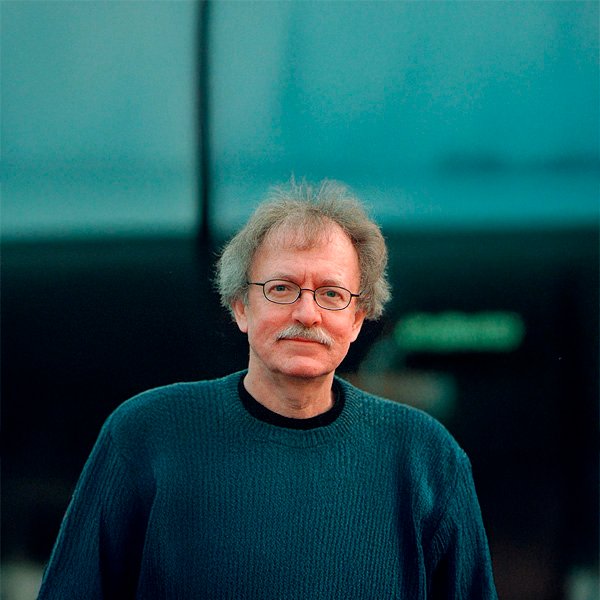
Sören Sommelius

sosommelius@hd.se

Tel 042-489 90 45

Billboard:

“Till Dubrovnik har freden kommit och det är en välsignelse”
Share

Leave a Reply

Your email address will not be published. Required fields are marked *

Related Posts

Peace is promoted by constructive proposals and dialogue Four preceding PressInfos have expressed concern over — and criticised — the ongoing, militarisation of the EU. Some will say: but there are no alternatives. We believe that there are always alternatives, that democracies are characterised by alternatives and choice, and that openly discussed alternatives will improve the quality and legitimacy of society’s decision–making. In addition, it is an intellectual and moral challenge to not only criticise but also be constructive. If we only tell people that we think they are wrong, they are not likely to listen. However, if we say: what are your views on this set of ideas and steps? — we may sometimes engage them in dialogue and sow a seed. Most people in power circles live their daily lives in in a time frame and a social space where certain ideas, viewpoints and concepts are just not...
Photos © TFF 2000 Read PressInfo 90 “Lift the Sanctions and Bring More Aid to Yugoslavia” See Pictures from Belgrade © TFF 2000 Please reprint, copy, archive, quote or re-post this item, but please retain the source.
Av FRANK SØHOLM GREVIL 16 augusti 2004  Vi er nu nået til tredje akt i det absurde teaterstykke, der i analogi med de store skueprocesser i Moskva 1936-38 er blevet døbt ‘Grevil-sagen’. Første akt bestod i min anonyme fremlæggelse af egenhændigt nedklassificerede rapporter i Berlingske Tidende i februar og marts. Andet akt udgjordes af min fremtræden med navn og billede i Information i april samt den efterfølgende mediestorm, som uden min direkte medvirken kostede en forsvarsminister taburetten samt en sigtelse for brud på tavshedspligten. Tredje akt bliver en retssag, hvor jeg står tiltalt for at have overtrådt straffelovens bestemmelser om uberettiget videregivelse eller udnyttelse af fortrolige oplysninger. Statsanklageren har ovenikøbet valgt at påberåbe sig særligt skærpende omstændigheder. Da jeg aldrig har modtaget betaling for at stille rapporterne til rådighed eller lade mig interviewe, må det skærpende bestå i, at “videregivelsen eller udnyttelsen er sket under sådanne omstændigheder, at det påfører...

Recent Articles

Jan Oberg May 15, 2026 Go to this Fox News page and scroll the whole way down: President Donald Trump tells the world that his meeting with President Xi Jinping yielded a lot of very concrete political and economic results – of course, only where the Chinese side, according to him, agreed with him. He does not mention the Taiwan issue, but Secretary of State, Marco Rubio, says that it did not feature prominently in their talks and that the US policy on Taiwan has not changed. Then go to China Daily – or Global Times – and you will see that for the Chinese it is framework, principles, structure of cooperation etc. that matters – all embedded in the overall idea of “constructive bilateral relationship of strategic stability.” Nowhere is any concrete agreement or deal – all that Trump refers to – mentioned. At the general level, this gives you insights into the very different social...
Lena Petrova of “World Affairs In Context” with more than half a million subscribers on YouTube wanted to explore what a peace researcher like me has to say about, among other things, the First and the Second Cold War and why eethics has disappeared from politics. I am particularly happy about this conversation that also yielded an amazing number of very appreciative comments on YouTube. No doubt, people are longing for alternatives, including peace perspectives.
The MIMAC – Military-Industrial-Media-Academic Complex – drives the world’s rampant militarism and wars without end. Here is a short reflection of how it works against all interests of humanity. #5 deals with why there is no real enemy or threat images/analysis. It’s all ex-post constructions. And, btw, theTFF Peace Pulse is now on Rumble.

TFF on Substack

Discover more from TFF Transnational Foundation & Jan Oberg.

Most Popular

Jan Oberg May 15, 2026 Go to this Fox News page and scroll the whole way down: President Donald Trump tells the world that his meeting with President Xi Jinping yielded a lot of very concrete political and economic results – of course, only where the Chinese side, according to him, agreed with him. He does not mention the Taiwan issue, but Secretary of State, Marco Rubio, says that it did not feature prominently in their talks and that the US policy on Taiwan has not changed. Then go to China Daily – or Global Times – and you will see that for the Chinese it is framework, principles, structure of cooperation etc. that matters – all embedded in the overall idea of “constructive bilateral relationship of strategic stability.” Nowhere is any concrete agreement or deal – all that Trump refers to – mentioned. At the general level, this gives you insights into the very different social...
Lena Petrova of “World Affairs In Context” with more than half a million subscribers on YouTube wanted to explore what a peace researcher like me has to say about, among other things, the First and the Second Cold War and why eethics has disappeared from politics. I am particularly happy about this conversation that also yielded an amazing number of very appreciative comments on YouTube. No doubt, people are longing for alternatives, including peace perspectives.
The MIMAC – Military-Industrial-Media-Academic Complex – drives the world’s rampant militarism and wars without end. Here is a short reflection of how it works against all interests of humanity. #5 deals with why there is no real enemy or threat images/analysis. It’s all ex-post constructions. And, btw, theTFF Peace Pulse is now on Rumble.
Read More
Screenshot-2026-05-15-103534
Jan Oberg May 15, 2026 Go to this Fox News page and scroll the whole way down: President Donald Trump tells the world that his meeting with President Xi Jinping yielded a lot of very concrete political and economic results – of course, only where the Chinese side, according to him, agreed with him. He does not mention the Taiwan issue, but Secretary of State, Marco Rubio, says that it did not feature prominently in their talks and that the US policy on Taiwan has not changed. Then go to China Daily – or Global Times – and you will see that for the Chinese it is framework, principles, structure of cooperation etc. that matters – all embedded in the overall idea of “constructive bilateral relationship of strategic stability.” Nowhere is any concrete agreement or deal – all that Trump refers to – mentioned. At the general level, this gives you insights into the very different social...
Screenshot-2026-05-12-104023
Lena Petrova of “World Affairs In Context” with more than half a million subscribers on YouTube wanted to explore what a peace researcher like me has to say about, among other things, the First and the Second Cold War and why eethics has disappeared from politics. I am particularly happy about this conversation that also yielded an amazing number of very appreciative comments on YouTube. No doubt, people are longing for alternatives, including peace perspectives.
Screenshot-2026-04-13-154551 (2)
The MIMAC – Military-Industrial-Media-Academic Complex – drives the world’s rampant militarism and wars without end. Here is a short reflection of how it works against all interests of humanity. #5 deals with why there is no real enemy or threat images/analysis. It’s all ex-post constructions. And, btw, theTFF Peace Pulse is now on Rumble.
Screenshot-2026-04-13-154551 (1)
Jan Oberg, TFF director April 28, 2026 In this third TFF Peace Pulse, I make the important distinction between the violence and the conflict that violence is a symptom of. If you want peace, focus on the underlying conflict because that is the key to resolution, peacemaking, and a better future for the parties. The West is obsessed with violence, just look around you – and 90+ per cent of the public debate is about military issues and other violence – totally wasted for peace. These Peace Pulses will only be published here a few times. You will also not find them on YouTube and Vimeo because both platforms have blocked TFF and me; you know, peace is dangerous these days. Most TFF’s videos since 2007 are now on Rumble.
Screenshot-2026-04-13-154551
In contrast to most, we’ll bring alternatives, solutions, hope and strategies for a better future. Times are dangerous, yes, but that only intensifies the need for constructive thinking and action! Jan Oberg, TFF director April 13, 2026 The new TFF Peace Pulse uses video messages in a new way: Max 3-5-minute-long comments, ideas or perhaps mini-lectures, all about peace – positive peace. We launch them today on April 13, 2026 with a carefully crafted visual aesthetic fitting the content. We hope to publish them regularly from now on. We launch Peace Pulse (PP) – for a number of reasons. The world is in chaos, and there are countless reasons to feel concerned, frustrated, even angry. The atmosphere is saturated with doom and gloom, with negative energy and rear‑mirror thinking, while vision, imagination, alternatives, strategies and genuine future‑mindedness remain in short supply. And without them, we simply can’t save the world. Looking at problems from a hundred angles will...
IMG_5165 (1)
PART II — Publishing Peace in a System That Prioritises Militarism Jan Oberg, TFF director April 10, 2026 How TFF Maintains a Daily Voice in a Digital World Built for Noise This article is part of the series “TFF at 40″ and it invites you to learn about Four Decades of Publishing Peace. It takes a look at how a small, people‑financed peace foundation has communicated across four generations of technology — from wax stencils and fax machines to mass email and Substack — and why TFF continues to publish every single day in a system that rewards noise, conflict, and militarism. ◆ What it means to publish peace every single day in a digital system built for 24/7 news and other noise, confrontation, and militarism. How TFF’s independence, continuity, and global readership defy algorithms, donor cycles, and Western media censorhip — and why the Majority World keeps listening. When the...


