
Kalejdoskop 104 - FN utan pengar i Kosovo - inte ens de nordiska regeringarna bryr sig

Är det inte otroligt att de nya utrikespolitiska moralister, som anser sig förespråka mänskliga rättigheter, demokrati och fred, och som spenderade obegränsade summor på krigföring, idag inte bryr sig om att frambringa det minimum av finansiella medel som krävs för återskapandet av fred i Kosovo?

Detta är vad FN:s “UN Wire” rapporterade den 3 februari, 2000 &endash; bara ett år efter “freds”-processens började i Rambouillet. Detta vittnar, ännu en gång, om hur detta inter-cyniska samfund verkligen fungerar.

“UNMIK har inga pengar, säger Kouchner.

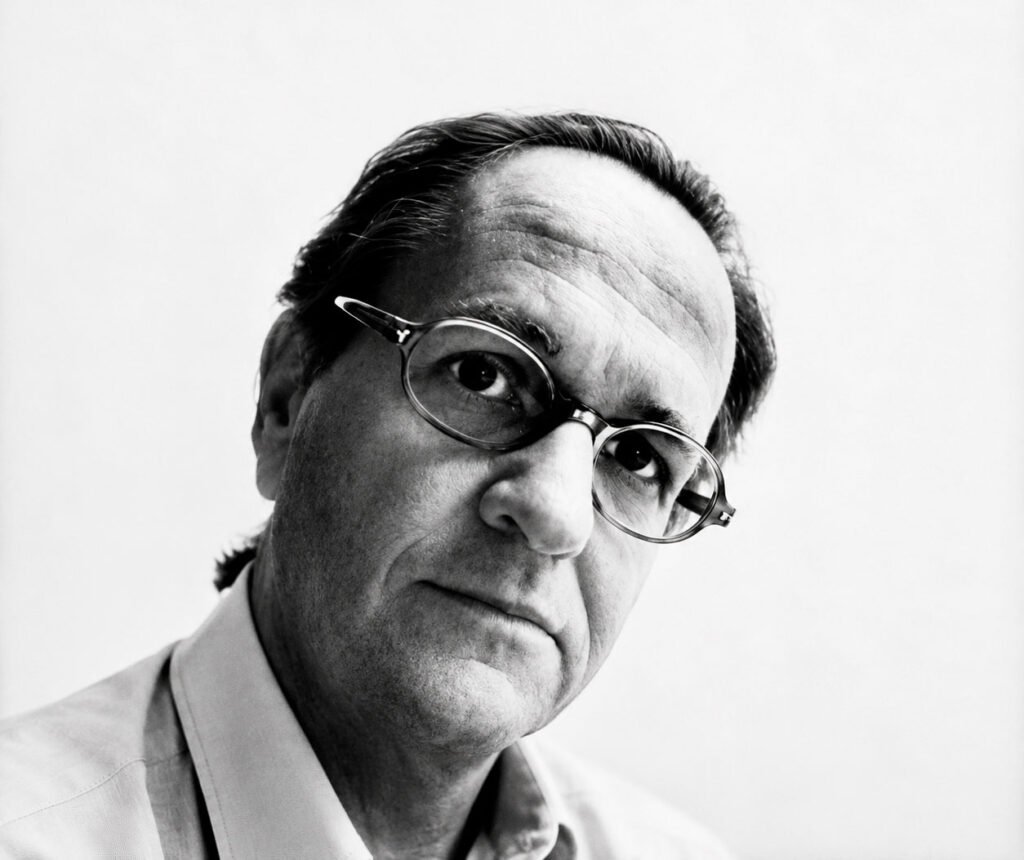
FN har inte råd att betala sina tjänstemän i Kosovo, meddelar FN administratören Bernard Kouchner idag.

I ett samtal i “Japan Press Club” i Tokyo med journalister hävdar Kouchner att FN-missionen i Kosovo (UNMIK) står inför en total krissituation, punkt. Vi måste betala tjänstemännen.” Somliga av arbetarna har inte fått lön i flera månader, och “det finns 0.00 D-mark i budgeten för Kosovo år 2000”, fortsatte Kouchner. “FN behöver 102 miljoner dollar för sin verksamhet,” tillade han.

“Det här är första gången i FN:s historia av fredsbevarande operationer som vi möter problem med budgeten, betalning av tjänstemän och organiseringen av en förvaltning”, sade Kouchner. “Det är därför det är så viktigt att inte bara erhålla löften utan även kontanter. Vi kan avvakta något när det gäller infrastrukturprojekten, men inte med utbetalning av löner till anställda. Vi måste betala dem.”

För en vecka sedan kritiserade den amerikanske utrikesministern Madeleine Albright det internationella samfundet för att det misslyckats med att efterleva sitt finansiella ansvar i Kosovo. “Tyvärr har en allvarlig finansieringskris uppstått”, sade hon. USA skulle bidra med ytterligare 10 miljoner US dollar och 100 polismän för operationen, tillade han.

USA kritiserar Europa för bristande engagemang

FN:s överhängande behov i Kosovo är, enligt polis kommissionären Sven Frederiksen, en specialpolis som tränats för att kontrollera uppror samt i försvarandet av FN byggnader och tjänstemän (Jerome Rivet, Agence France-Presse, 3 feb.).

“Om de länder som deltagit…vill ha en framgång, så måste de kunna ta fram personal”, sade han. “Vi behöver en internationell polis och behovet är desperat”.

Åtskilliga amerikanska senatorer uppmärksammade vad de anser vara en brist på europeiskt stöd för FN:s operationer på Balkan. I en “Armed Service Committe” hearing sade ordförande John Warner, en republikan från Virginia att; “FN och andra internationella organisationer som ansvarar för återuppbyggandet av de civila strukturerna i Bosnien och Kosovo helt enkelt inte utför sitt arbete”.

Senatorn Carl Levin, en demokrat från Michigan, tillade; “Jag är förbryllad över varför våra egna NATO-allierade inte har bidragit med fler poliser för tjänstgöring i deras egen bakgård. Den Europeiska Unionen, fortsatte han, har inte bidragit med något av de 35 miljoner US dollar de utlovat för återuppbyggnadsförsöken (Reuters/Central Europe Online, 3 feb.). “På mitt scorecard blir de europeiska länderna och EU underkända i testen”, sade han.

NATO generalen Wesley Clark upprepade behovet av ett stödjande av de polisiära ansträngningarna i Kosovo. “Vi har ett desperat och omedelbart behov av länder som kan bidra med ytterligare polis för att assistera vid detta viktiga uppdrag”, meddelade han kommittén (Sands/Pisik, Washington Times, 3 feb.).” Källa: http://www.unfoundation.org

Hur obscent det än förefaller, verkar det finnas ett outtalat samförstånd att efterkrigs-Serbien och Kosovo numera ska vara bortsuddade från den offentliga debatten. Här följer ett urval av frågor som vi inte förväntas föra en välinformerad offentlig debatt om:

• Att den internationella missionen ignorerar eller kränkar centrala delar av FN:s Säkerhetsråds resolution 1244 med anledning av vilken FN är i Kosovo/a;

• Att vi inte kan hjälpa de albaner som sitter fängslade i Serbien eftersom Väst officiellt inte vill beblanda sig med myndigheterna i Belgrad;

• Att NATO-ledare anklagas för krigsförbrytelser vid tribunalen i Hague, medan medborgare i NATO-länderna är mer eller mindre omedvetna om detta;

• Att det enligt internationella humanitära organisationer finns mellan 900.000 och 1.000.000 flyktingar i Serbien/Montenegro &endash; från Kroatien, Bonsien och Kosovo, d.v.s. fler än de albaner som flydde till Albanien och Makedonien och som lovades ett säkert återvändande;

• Att den största etniska rensningen som ägt rum på Balkan skedde framför ögonen på 45.000 NATO soldater, samt framför tusentals FN tjänstemän, polis, OSCE och NGO:s;

• Att CIA och andra “mörka” organisationer har erhållit miljoner av US för att underminera Jugoslaviens regering (s.k. Operation Matrix) liksom de lär ha varit aktiva före och under krisen;

• Att Väst upprätthåller sanktioner mot och isolering av Serbien, och därigenom skadas inte bara flyktingarna, men även de 9 miljoner multi-etniska invånarna i Serbien och Montenegro;

• Att media, med bara några få undantag, har upphört med att ställa frågor om allt detta;

• Att EU bara förser städer som styrs av de oppositionella partierna med olja. Därigenom bryter EU mot den mest centrala principen för humanitär hjälp: att mänskliga behov och mänskligt lidande ska vara det enda kriteriet vid hjälparbete;

• Att man aldrig hörde termen finansiell “kris” när NATO bombade och när 45.000 tungt beväpnade män gick in i området.

• Att kriminalitet, maffia aktivitet, korruption och prostitution skjutit i höjden i Kosovo sedan ankomsten av det internationella samfundet;

• Att det pågår ett fullskaligt krig bakom kulisserna om vem som ska utses till syndabock för denna mest falska policy efter det kalla krigets slut.

Detta är den sanna innebörden av västerländsk “humanitet”. Kosovo är numera “det vi inte talar om.” Förvisso handlar inte politik om etik, men vi förlöjligar demokratin när vi låter en handfull av mäktiga ledare komma undan utan att kräva dem på ansvar för konsekvenserna av sina handlingar.

Finns det EN ENDA regering i Europa som vågar sätta emot USA:s dominans och som vägrar att läxas upp (se ovan) av de amerikanska ledarna som dessutom är ansvariga för 90% eller mer av förödelsen i Kosovo och resten av Jugoslavien? Finns det EN ENDA europeisk regeringsledare som kan mobilisera den nödvändiga civil- courage och berätta vad det var som gick fel &endash; och som fortfarande är fel?

Det kan inte vara de stora länderna som iscensatte förödelsen, givetvis. Däremot skulle icke-NATO Sverige eller -Finland eller kanske NATO-Norge och -Danmark kunna. Den goda nyheten är att oberoende länder kan ha självständiga åsikter. Detta är vad internationell demokrati i grunden handlar om.

Den dåliga nyheten är att denna möjlighet ignoreras. De nordiska länderna har en lång och imponerande tradition av öppen debatt. Dessa länder brukade stödja FN, ha en stark förankring i internationell rätt och sist men inte minst föredrog de dialog framför vapen. Dessa länder brukade bry sig om rättvisa och hjälp till de mest behövande.

Tystnaden hos små länders regeringar om medansvaret för Balkantragedin är illavarslande. Det handlar faktiskt om Sveriges förmåga till självransakan, demokratisk debatt och kapacitet att föra självständig utrikespolitik. Och Europas Balkan-problem kommer inte att försvinna genom att man riktar strålkastarna mot Förintelsen eller använder Jörg Haider för att visa upp hur demokratiskt EU är.

Peace & future researcher + ‌Art Photographer

Share

Leave a Reply

Your email address will not be published. Required fields are marked *

Related Posts

Gandhi, Arun. Lord Richard Attenborough. Kasturba: a lifeNew Delhi: Penguin Books Ltd., 2000.315 pp, 295 Indian Rs, US $22.51 January 29, 2002 Arun Gandhi, grandson to Mohandas and Kasturba, has written a thorough account of Kasturba’s life. Arun begins with a description of Kasturba’s childhood in Porbandar in the late1800s, before she met Mohandas. By having chosen to embark on difficult research into his grandmother’s life, including her first years which are not well-documented, Arun ensures that the reader receives an intimate and life-long portrait of this amazing woman. Kasturba is presented as a lively woman &endash; obedient, yet with a mind of her own. As the relationship between Kasturba and Mohandas developed, Arun maintains that Kasturba’s influence over Mohandas in her own quiet way also grew, to which some of Mohandas’ writings also attest.  Arun paints a vivid picture of the beginnings of Mohandas’ non-violence movement in South Africa, a...
In response to an urgent Appeal from all the living Nobel Peace Prize Laureates, the General Assembly of the United Nations, on November 1998, unanimously declared the first decade of the twenty-first century to be The Decade for a Culture of Peace and Nonviolence. While people are naturally concerned about the amount of violence in our world and how it threatens our future, the Nobel Laureates are right to remind us of the potential of nonviolence and our calling to build a culture of peace and nonviolence.  The twentieth century is instructive in the way that the philosophy and practice of nonviolence have begun to flourish and in the way that nonviolent movements have had an exponential growth across the world. Mohandas Gandhi and Martin Luther King, Jr. are the most famous nonviolent leaders but many have built upon the paths they charted as in country after country, tyrannies and...
We know that medical personnel have failed to report to higher authorities wounds that were clearly caused by torture and that they have neglected to take steps to interrupt this torture. In addition, they have turned over prisoners’ medical records to interrogators who could use them to exploit the prisoners’ weaknesses or vulnerabilities. We have not yet learned the extent of medical involvement in delaying and possibly falsifying the death certificates of prisoners who have been killed by torturers. A May 22 article on Abu Ghraib in the New York Times states that “much of the evidence of abuse at the prison came from medical documents” and that records and statements “showed doctors and medics reporting to the area of the prison where the abuse occurred several times to stitch wounds, tend to collapsed prisoners or see patients with bruised or reddened genitals.” http://www.truthout.org/docs_04/080604J.shtml#16 According to the article, two doctors who...

Recent Articles

Gandhi, Arun. Lord Richard Attenborough. Kasturba: a lifeNew Delhi: Penguin Books Ltd., 2000.315 pp, 295 Indian Rs, US $22.51 January 29, 2002 Arun Gandhi, grandson to Mohandas and Kasturba, has written a thorough account of Kasturba’s life. Arun begins with a description of Kasturba’s childhood in Porbandar in the late1800s, before she met Mohandas. By having chosen to embark on difficult research into his grandmother’s life, including her first years which are not well-documented, Arun ensures that the reader receives an intimate and life-long portrait of this amazing woman. Kasturba is presented as a lively woman &endash; obedient, yet with a mind of her own. As the relationship between Kasturba and Mohandas developed, Arun maintains that Kasturba’s influence over Mohandas in her own quiet way also grew, to which some of Mohandas’ writings also attest.  Arun paints a vivid picture of the beginnings of Mohandas’ non-violence movement in South Africa, a...
In response to an urgent Appeal from all the living Nobel Peace Prize Laureates, the General Assembly of the United Nations, on November 1998, unanimously declared the first decade of the twenty-first century to be The Decade for a Culture of Peace and Nonviolence. While people are naturally concerned about the amount of violence in our world and how it threatens our future, the Nobel Laureates are right to remind us of the potential of nonviolence and our calling to build a culture of peace and nonviolence.  The twentieth century is instructive in the way that the philosophy and practice of nonviolence have begun to flourish and in the way that nonviolent movements have had an exponential growth across the world. Mohandas Gandhi and Martin Luther King, Jr. are the most famous nonviolent leaders but many have built upon the paths they charted as in country after country, tyrannies and...
We know that medical personnel have failed to report to higher authorities wounds that were clearly caused by torture and that they have neglected to take steps to interrupt this torture. In addition, they have turned over prisoners’ medical records to interrogators who could use them to exploit the prisoners’ weaknesses or vulnerabilities. We have not yet learned the extent of medical involvement in delaying and possibly falsifying the death certificates of prisoners who have been killed by torturers. A May 22 article on Abu Ghraib in the New York Times states that “much of the evidence of abuse at the prison came from medical documents” and that records and statements “showed doctors and medics reporting to the area of the prison where the abuse occurred several times to stitch wounds, tend to collapsed prisoners or see patients with bruised or reddened genitals.” http://www.truthout.org/docs_04/080604J.shtml#16 According to the article, two doctors who...

TFF on Substack

Discover more from TFF Transnational Foundation & Jan Oberg.

Most Popular

Gandhi, Arun. Lord Richard Attenborough. Kasturba: a lifeNew Delhi: Penguin Books Ltd., 2000.315 pp, 295 Indian Rs, US $22.51 January 29, 2002 Arun Gandhi, grandson to Mohandas and Kasturba, has written a thorough account of Kasturba’s life. Arun begins with a description of Kasturba’s childhood in Porbandar in the late1800s, before she met Mohandas. By having chosen to embark on difficult research into his grandmother’s life, including her first years which are not well-documented, Arun ensures that the reader receives an intimate and life-long portrait of this amazing woman. Kasturba is presented as a lively woman &endash; obedient, yet with a mind of her own. As the relationship between Kasturba and Mohandas developed, Arun maintains that Kasturba’s influence over Mohandas in her own quiet way also grew, to which some of Mohandas’ writings also attest.  Arun paints a vivid picture of the beginnings of Mohandas’ non-violence movement in South Africa, a...
In response to an urgent Appeal from all the living Nobel Peace Prize Laureates, the General Assembly of the United Nations, on November 1998, unanimously declared the first decade of the twenty-first century to be The Decade for a Culture of Peace and Nonviolence. While people are naturally concerned about the amount of violence in our world and how it threatens our future, the Nobel Laureates are right to remind us of the potential of nonviolence and our calling to build a culture of peace and nonviolence.  The twentieth century is instructive in the way that the philosophy and practice of nonviolence have begun to flourish and in the way that nonviolent movements have had an exponential growth across the world. Mohandas Gandhi and Martin Luther King, Jr. are the most famous nonviolent leaders but many have built upon the paths they charted as in country after country, tyrannies and...
We know that medical personnel have failed to report to higher authorities wounds that were clearly caused by torture and that they have neglected to take steps to interrupt this torture. In addition, they have turned over prisoners’ medical records to interrogators who could use them to exploit the prisoners’ weaknesses or vulnerabilities. We have not yet learned the extent of medical involvement in delaying and possibly falsifying the death certificates of prisoners who have been killed by torturers. A May 22 article on Abu Ghraib in the New York Times states that “much of the evidence of abuse at the prison came from medical documents” and that records and statements “showed doctors and medics reporting to the area of the prison where the abuse occurred several times to stitch wounds, tend to collapsed prisoners or see patients with bruised or reddened genitals.” http://www.truthout.org/docs_04/080604J.shtml#16 According to the article, two doctors who...
Read More
Imagen-thumbnail-The-Transnational-1
Gandhi, Arun. Lord Richard Attenborough. Kasturba: a lifeNew Delhi: Penguin Books Ltd., 2000.315 pp, 295 Indian Rs, US $22.51 January 29, 2002 Arun Gandhi, grandson to Mohandas and Kasturba, has written a thorough account of Kasturba’s life. Arun begins with a description of Kasturba’s childhood in Porbandar in the late1800s, before she met Mohandas. By having chosen to embark on difficult research into his grandmother’s life, including her first years which are not well-documented, Arun ensures that the reader receives an intimate and life-long portrait of this amazing woman. Kasturba is presented as a lively woman &endash; obedient, yet with a mind of her own. As the relationship between Kasturba and Mohandas developed, Arun maintains that Kasturba’s influence over Mohandas in her own quiet way also grew, to which some of Mohandas’ writings also attest.  Arun paints a vivid picture of the beginnings of Mohandas’ non-violence movement in South Africa, a...
Imagen-thumbnail-The-Transnational-1
In response to an urgent Appeal from all the living Nobel Peace Prize Laureates, the General Assembly of the United Nations, on November 1998, unanimously declared the first decade of the twenty-first century to be The Decade for a Culture of Peace and Nonviolence. While people are naturally concerned about the amount of violence in our world and how it threatens our future, the Nobel Laureates are right to remind us of the potential of nonviolence and our calling to build a culture of peace and nonviolence.  The twentieth century is instructive in the way that the philosophy and practice of nonviolence have begun to flourish and in the way that nonviolent movements have had an exponential growth across the world. Mohandas Gandhi and Martin Luther King, Jr. are the most famous nonviolent leaders but many have built upon the paths they charted as in country after country, tyrannies and...
Imagen-thumbnail-The-Transnational-1
We know that medical personnel have failed to report to higher authorities wounds that were clearly caused by torture and that they have neglected to take steps to interrupt this torture. In addition, they have turned over prisoners’ medical records to interrogators who could use them to exploit the prisoners’ weaknesses or vulnerabilities. We have not yet learned the extent of medical involvement in delaying and possibly falsifying the death certificates of prisoners who have been killed by torturers. A May 22 article on Abu Ghraib in the New York Times states that “much of the evidence of abuse at the prison came from medical documents” and that records and statements “showed doctors and medics reporting to the area of the prison where the abuse occurred several times to stitch wounds, tend to collapsed prisoners or see patients with bruised or reddened genitals.” http://www.truthout.org/docs_04/080604J.shtml#16 According to the article, two doctors who...
Imagen-thumbnail-The-Transnational-1
Jan Øberg behandler i artiklen en lang række faktorer, som ligger til grund for den måde vores samfund er organiseret på – og derfor også for konflikter. Artiklen introducerer således sammenhængen mellem familien, foreninger, regeringer, NGO’ er, nation, stat, nationalstat og alliancer for på denne måde bedre at kunne forstå konflikter og i sidste ende blive klogere mht. at løse disse. Øberg, der er fortaler for global bevidsthed, hvilket skal ses i lyset af den øgede globalisering, skelner mellem kulturkamp og kulturdialog. Endelig behandles begrebet magt og magtesløshed: giver magt ret til at udøve magt – fordi man mener at have ret? Litteraturliste og arbejdsspørgsmål efter artiklen. Ordene vi bruger om verden I satellitperspektiv kan man godt tale om den menneskelige familie eller menneskeheden. Udtrykket understreger, at der eksisterer – eller burde eksistere – et fællesskab fordi vi alle er mennesker og sammen bebor denne klode og ingen anden. Og...
Imagen-thumbnail-The-Transnational-1
Kapitel 2: Forskellige sider af Europa og USA…fortsat 2.5 Militære relationer I forbifarten har vi allerede sagt nogle ting om USA’s militære situation. Kig lige en gang til på afsnit 2.3. Nu skal vi uddybe det militære forhold mellem USA og EU. Der er en række ligheder mellem visse europæiske landes og USA’s militær. Næsten alle er med på en eller anden måde i NATO, direkte som medlem – selv Island, der ikke har et forsvar – eller indirekte i Partnerskab for Fred. USA og Canada er med i OSCE (på dansk OSSE), Organisationen for Sikkerhed og Samarbejde i Europa, der tæller over 50 lande. USA samt England og Frankrig er kernevåbenstater og de har styrker til intervention langt borte fra hjemlandet, om end USA’s er tifold større. Alle har også en omfattende våbeneksport og bruger den som et middel til at tjene penge og få loyale venner på, det...
Imagen-thumbnail-The-Transnational-1
Background Christian Harleman and Jan Oberg conducted a fact-finding mission to Burundi between November 26 and December 6, 2003. (See websites about the country here). The first TFF mission took place in March 1999. Unfortunately, since then it has not been practically possible to implement the co-operation with Burundi’s Ministry of Education and Burundian NGOs that was planned at the time. The 2003 mission had three purposes. First, to do fact-finding in general about the situation and, in particular, the progress under the Arusha Peace Process. Second, to explore the possibilities for co-operation between the government and relevant NGOs on the one hand and TFF on the other, in order to develop and deepen the existing competence in fields such as conflict-understanding, reconciliation and peace-building. Finally, third, to find out whether it would be possible, in co-operation with the Swedish Rescue Services Agency (Statens Räddningsverk), to establish a health care unit that...

