
Spain 2050 - Ten predictions

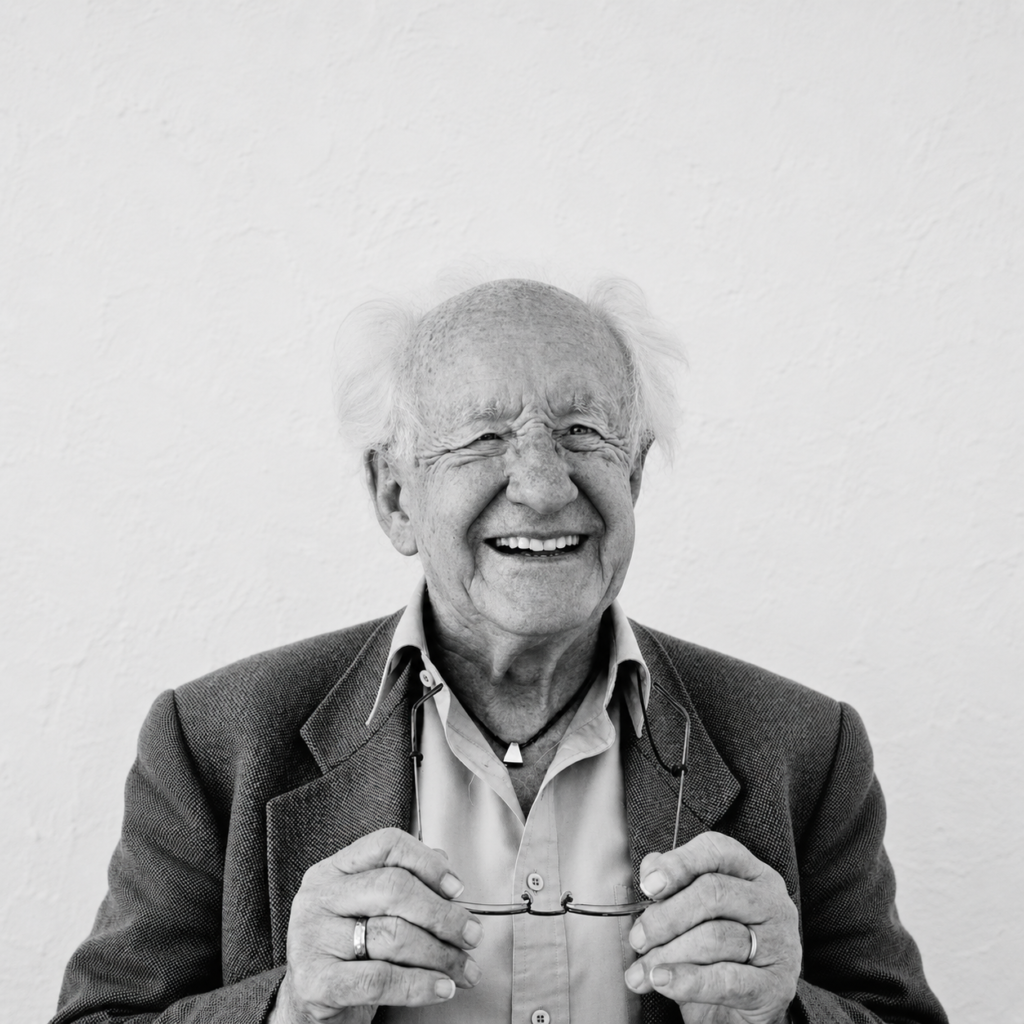
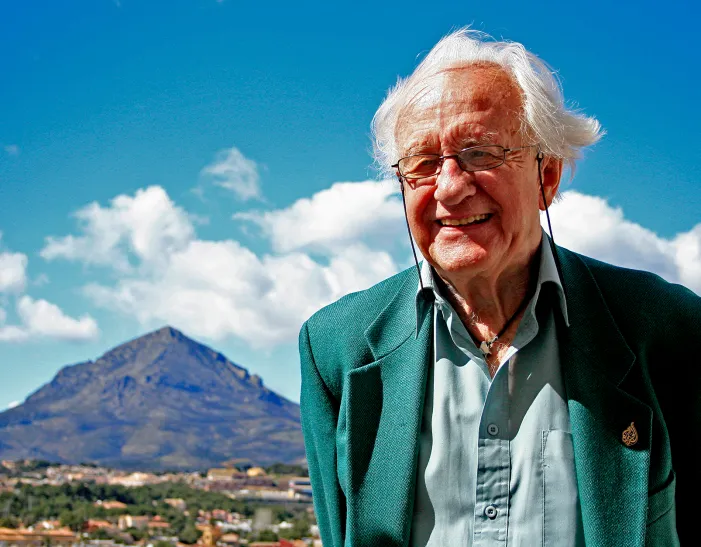
By Johan Galtung

Alfaz; History group, Municipio, Spain

Can we know the future? Rhetorical answer: can we know the past?

We rewrite history all the time, not because facts become dubious and new facts appear, but because our angle, perspective, changes. Say, from a series of kings, presidents etc. and their exercise of military and political power to economic and cultural changes in the life of common people, in their wellbeing and identity. Quite some change.

Will we arrive at that single, true, objective perspective?

No, objectivity may be multi-subjective, not inter-subjective. This is why Al Jazeera is so much better for knowing the present than CNN, which presents the US angle, and if there are other angles a US “expert” will give the final interpretation. Al Jazeera presents many angles of many parties and leaves final interpretations to the viewer.

How can we shed some light into the future? Basically there are two approaches: the Cartesian based on extending trends, and daoism based on holism and dialectics. They do not exclude each other.

Thus, there are three world trends that certainly affect Spain…

• the decline of the out-competed West and the rise of the Rest in general, and the decline of the USA and rise of China in particular;
• the decline of the state except the largest–Russia-India-China-USA –and the rise of regions, non-dominant nations, local communities;
• the counter-cyclicity of Islam and Christianity-secularism: when one declines the other rises–Islam right now–and vice versa.

Dictatorship or democracy, and which party is in power, matters little to such global trends. But Spain matters, for their impact.

The daoist holistic-dialectic approach focuses on Spain as a whole with contexts, asking which are the major contradictions?([i])

Not Catalonian-Basque autonomy/independence; the answer is in the trends. Hypothesis: the major contradictions are between democracy and corruption, and between democracy and the loss of power of the poderes fácticos, the landowners (add business)-military-clergy.

Democracy is too egalitarian for them; corruption enriches the rich, takes money destined for the poor, buys politicians with campaign money; all maintaining class distance. Spain is not alone in this post-democratic move toward banko/techno/corrupto-cracy.

But Spain, unlike France but like Italy, is a weak state on top of strong nations-regions and strong local communities. The basic problem may not be how to democratize Spain, but whether Spain exists.

General prediction: Spain will solve these basic contradictions by riding on the trends. More concretely, five specific predictions:

1. not the Franco slogan, España: Una, Grande, Libre but España: Una Comunidad de Naciones, of Catalonia, Vascondado (Basques), Galicia, Andalucia, Baleares, Canareses and Castilla, new and old will prevail;

2. add to this the likelihood that Portugal will join, together with Spain the peninsular Iberia, once three provinces of the Roman Empire;

3. this community of nations will be absorbed in the European Union, a community of countries (and nations), which will survive because it is riding on the global trend, also by distancing itself from the USA;

4. up comes the second strong point: the nation as a community of local communities, governed by ayuntamientos, town halls, mairies–Spain having oscillated between localism and centralism for centuries;

5. there will be some islamization, particularly in Andalucia, maybe a neo-Al Andaluz because Islam offers something the West needs badly: togetherness as opposed to loneliness, sharing as opposed to egoism and bureaucratic distribution in welfare states.

Four additional, specific predictions:

Politically the contradiction between democracy and corruption can be handled better at the levels of regions defined by nations (rather than the current 17 autonomías), and at the level of local communities, through direct, local democracy. Switzerland, built on nations and local communities, has so far survived 700+ years and may serve as a model, also for Italy; one day even for jacobin France.

Militarily Iberia will be in the hands of the EU; NATO will dissolve as the US Empire falls. But how will the EU relate to other regions? Some Islamization of EU and secularization of Islam might bridge the EU-OIC (Organization of Islamic Cooperation) gap; Eurasia might bridge the EU-Russia-China gaps.

Economically the relative decline of the West will lead to more national and local self-reliance. Companies with sharp divisions between employers and employees will decline, cooperatives where everybody is both–and Spain is a world leader, Mondragón–and self-employment will rise. Rural cooperatives, urbanized, will become a major habitat, relying on direct sale to the consumers from sales points, and excellent Iberia transportation-communication. This is already coming to counter the misery of the austerity policy, using government funds to bail out incompetent companies for “growth”.

Iberia will cooperate with the other three GIPSI countries in the EU: Greece-Italy-Portugal-Spain-Ireland against German dominance.

Culturally the citizens will become tri-lingual: their nation, Spanish and a world language, starting with English. They may also be tri-cultural: Christian, secular, Muslim. Like for politics and the economy there will be much diversity, much search for new syntheses.

How will the poderes fácticos react? Some will join, some will emigrate, some will make a military coup: prediction no. 10.

There is much at stake. The loser has a name, Madrid, that magnificent artificial city in the middle of nothing; the center of cooperating political-economic power, of the military, of the church. A neo-Franco, 23F([ii]) is likely, probably budding, using the Castillan-Catalan faultline; more difficult than the Castillan-Basque since the Basques stupidly fought with force, not with economics-politics.

But, a counter-trend coup, offering only the past, will come up against all the non-Castillan nations, mobilize women against men, younger against older, powerless against powerful, poor against rich. The heavy shadow of the civil war of 1936-39 makes the forces look dark. They will probably give up; hopefully before they get started.

And Madrid will become one community among the others; a cultural one rather than a political-economic-military center. A magnificent Spain.

NOTES:

[i] See Antonio Muñoz Molina in Le Nouvel Observateur 31 Oct 2013 about his book Tout ce qu’on croyait solide–it all looked so solid–for a different analysis.

[ii] 23 February, the day in 1981 when there was a failed coup in Madrid against the democratization.

This article was originally published here.
Share

Leave a Reply

Your email address will not be published. Required fields are marked *

Related Posts

Peace is promoted by constructive proposals and dialogue Four preceding PressInfos have expressed concern over — and criticised — the ongoing, militarisation of the EU. Some will say: but there are no alternatives. We believe that there are always alternatives, that democracies are characterised by alternatives and choice, and that openly discussed alternatives will improve the quality and legitimacy of society’s decision–making. In addition, it is an intellectual and moral challenge to not only criticise but also be constructive. If we only tell people that we think they are wrong, they are not likely to listen. However, if we say: what are your views on this set of ideas and steps? — we may sometimes engage them in dialogue and sow a seed. Most people in power circles live their daily lives in in a time frame and a social space where certain ideas, viewpoints and concepts are just not...
Photos © TFF 2000 Read PressInfo 90 “Lift the Sanctions and Bring More Aid to Yugoslavia” See Pictures from Belgrade © TFF 2000 Please reprint, copy, archive, quote or re-post this item, but please retain the source.
Av FRANK SØHOLM GREVIL 16 augusti 2004  Vi er nu nået til tredje akt i det absurde teaterstykke, der i analogi med de store skueprocesser i Moskva 1936-38 er blevet døbt ‘Grevil-sagen’. Første akt bestod i min anonyme fremlæggelse af egenhændigt nedklassificerede rapporter i Berlingske Tidende i februar og marts. Andet akt udgjordes af min fremtræden med navn og billede i Information i april samt den efterfølgende mediestorm, som uden min direkte medvirken kostede en forsvarsminister taburetten samt en sigtelse for brud på tavshedspligten. Tredje akt bliver en retssag, hvor jeg står tiltalt for at have overtrådt straffelovens bestemmelser om uberettiget videregivelse eller udnyttelse af fortrolige oplysninger. Statsanklageren har ovenikøbet valgt at påberåbe sig særligt skærpende omstændigheder. Da jeg aldrig har modtaget betaling for at stille rapporterne til rådighed eller lade mig interviewe, må det skærpende bestå i, at “videregivelsen eller udnyttelsen er sket under sådanne omstændigheder, at det påfører...

Recent Articles

PressInfo # 141, December 21, 2001It’s time to prepare reconciliation between Albanians and Serbs PressInfo # 140, December 14, 2001Ibrahim Rugova’s decade-long leadership in Kosovo/a PressInfo # 139, 11. december, 2001En god nyhet: Jugoslaviens Sannings- och försoningskommission PressInfo # 139, 11. december, 2001Gode nyheder: Jugoslaviens Sandheds- og Forsoningskommission PressInfo # 139, December 11, 2001Good news: Yugoslavia’s Truth and Reconciliation Commission PressInfo # 138, November 8, 2001TFF co-founder PhD with thesis about young people with roots in other cultures PressInfo # 138, November 8, 2001TFF:s medstiftare doktor på avhandling om unga med ursprung i andra kulturer PressInfo # 137, October 17, 2001A new Marshall Plan: Advancing human security and controlling terrorism PressInfo # 136, October 15, 2001The UN and Annan really deserve it PressInfo # 135, October 10, 2001Preventing a terrorist mushroom cloud PressInfo # 134, 17 oktober, 2001Sverige og 11. september PressInfo # 134, October 9, 2001Sweden and September 11...
Peace is promoted by constructive proposals and dialogue Four preceding PressInfos have expressed concern over — and criticised — the ongoing, militarisation of the EU. Some will say: but there are no alternatives. We believe that there are always alternatives, that democracies are characterised by alternatives and choice, and that openly discussed alternatives will improve the quality and legitimacy of society’s decision–making. In addition, it is an intellectual and moral challenge to not only criticise but also be constructive. If we only tell people that we think they are wrong, they are not likely to listen. However, if we say: what are your views on this set of ideas and steps? — we may sometimes engage them in dialogue and sow a seed. Most people in power circles live their daily lives in in a time frame and a social space where certain ideas, viewpoints and concepts are just not...
Photos © TFF 2000 Read PressInfo 90 “Lift the Sanctions and Bring More Aid to Yugoslavia” See Pictures from Belgrade © TFF 2000 Please reprint, copy, archive, quote or re-post this item, but please retain the source.

TFF on Substack

Discover more from TFF Transnational Foundation & Jan Oberg.

Most Popular

PressInfo # 141, December 21, 2001It’s time to prepare reconciliation between Albanians and Serbs PressInfo # 140, December 14, 2001Ibrahim Rugova’s decade-long leadership in Kosovo/a PressInfo # 139, 11. december, 2001En god nyhet: Jugoslaviens Sannings- och försoningskommission PressInfo # 139, 11. december, 2001Gode nyheder: Jugoslaviens Sandheds- og Forsoningskommission PressInfo # 139, December 11, 2001Good news: Yugoslavia’s Truth and Reconciliation Commission PressInfo # 138, November 8, 2001TFF co-founder PhD with thesis about young people with roots in other cultures PressInfo # 138, November 8, 2001TFF:s medstiftare doktor på avhandling om unga med ursprung i andra kulturer PressInfo # 137, October 17, 2001A new Marshall Plan: Advancing human security and controlling terrorism PressInfo # 136, October 15, 2001The UN and Annan really deserve it PressInfo # 135, October 10, 2001Preventing a terrorist mushroom cloud PressInfo # 134, 17 oktober, 2001Sverige og 11. september PressInfo # 134, October 9, 2001Sweden and September 11...
Peace is promoted by constructive proposals and dialogue Four preceding PressInfos have expressed concern over — and criticised — the ongoing, militarisation of the EU. Some will say: but there are no alternatives. We believe that there are always alternatives, that democracies are characterised by alternatives and choice, and that openly discussed alternatives will improve the quality and legitimacy of society’s decision–making. In addition, it is an intellectual and moral challenge to not only criticise but also be constructive. If we only tell people that we think they are wrong, they are not likely to listen. However, if we say: what are your views on this set of ideas and steps? — we may sometimes engage them in dialogue and sow a seed. Most people in power circles live their daily lives in in a time frame and a social space where certain ideas, viewpoints and concepts are just not...
Photos © TFF 2000 Read PressInfo 90 “Lift the Sanctions and Bring More Aid to Yugoslavia” See Pictures from Belgrade © TFF 2000 Please reprint, copy, archive, quote or re-post this item, but please retain the source.
Read More
Imagen-thumbnail-The-Transnational-1
PressInfo # 141, December 21, 2001It’s time to prepare reconciliation between Albanians and Serbs PressInfo # 140, December 14, 2001Ibrahim Rugova’s decade-long leadership in Kosovo/a PressInfo # 139, 11. december, 2001En god nyhet: Jugoslaviens Sannings- och försoningskommission PressInfo # 139, 11. december, 2001Gode nyheder: Jugoslaviens Sandheds- og Forsoningskommission PressInfo # 139, December 11, 2001Good news: Yugoslavia’s Truth and Reconciliation Commission PressInfo # 138, November 8, 2001TFF co-founder PhD with thesis about young people with roots in other cultures PressInfo # 138, November 8, 2001TFF:s medstiftare doktor på avhandling om unga med ursprung i andra kulturer PressInfo # 137, October 17, 2001A new Marshall Plan: Advancing human security and controlling terrorism PressInfo # 136, October 15, 2001The UN and Annan really deserve it PressInfo # 135, October 10, 2001Preventing a terrorist mushroom cloud PressInfo # 134, 17 oktober, 2001Sverige og 11. september PressInfo # 134, October 9, 2001Sweden and September 11...
Imagen-thumbnail-The-Transnational-1
Peace is promoted by constructive proposals and dialogue Four preceding PressInfos have expressed concern over — and criticised — the ongoing, militarisation of the EU. Some will say: but there are no alternatives. We believe that there are always alternatives, that democracies are characterised by alternatives and choice, and that openly discussed alternatives will improve the quality and legitimacy of society’s decision–making. In addition, it is an intellectual and moral challenge to not only criticise but also be constructive. If we only tell people that we think they are wrong, they are not likely to listen. However, if we say: what are your views on this set of ideas and steps? — we may sometimes engage them in dialogue and sow a seed. Most people in power circles live their daily lives in in a time frame and a social space where certain ideas, viewpoints and concepts are just not...
Imagen-thumbnail-The-Transnational-1
Photos © TFF 2000 Read PressInfo 90 “Lift the Sanctions and Bring More Aid to Yugoslavia” See Pictures from Belgrade © TFF 2000 Please reprint, copy, archive, quote or re-post this item, but please retain the source.
Imagen-thumbnail-The-Transnational-1
Av FRANK SØHOLM GREVIL 16 augusti 2004  Vi er nu nået til tredje akt i det absurde teaterstykke, der i analogi med de store skueprocesser i Moskva 1936-38 er blevet døbt ‘Grevil-sagen’. Første akt bestod i min anonyme fremlæggelse af egenhændigt nedklassificerede rapporter i Berlingske Tidende i februar og marts. Andet akt udgjordes af min fremtræden med navn og billede i Information i april samt den efterfølgende mediestorm, som uden min direkte medvirken kostede en forsvarsminister taburetten samt en sigtelse for brud på tavshedspligten. Tredje akt bliver en retssag, hvor jeg står tiltalt for at have overtrådt straffelovens bestemmelser om uberettiget videregivelse eller udnyttelse af fortrolige oplysninger. Statsanklageren har ovenikøbet valgt at påberåbe sig særligt skærpende omstændigheder. Da jeg aldrig har modtaget betaling for at stille rapporterne til rådighed eller lade mig interviewe, må det skærpende bestå i, at “videregivelsen eller udnyttelsen er sket under sådanne omstændigheder, at det påfører...
Imagen-thumbnail-The-Transnational-1
Af Svenska Irakkommittén mot de Ekonomiska Sanktionerna (SIES) 13 september 2002 FN:s ekonomiska sanktioner mot Irak har nu pågått i tolv år och drabbat det irakiska folket med svåra lidanden. Enligt FN:s egna siffror har mer än 1,5 miljoner människor, varav ca 600 000 barn, dött som en direkt följd av sanktionerna. Dessutom har ett lågintensivt bombkrig mot landet pågått under dessa år. Av all denna förödelse- orsakad huvudsakligen av amerikansk och brittisk politik- har Saddam Husseins brutala och diktatoriska regim snarast stärkts än försvagats. Nu förbereder USA under president Bushs ledning ett storskaligt bombkrig mot Irak som kommer att innebära ett ännu större lidande för civilbefolkningen. Ett sådant krig kommer dessutom att ytterligare undergräva freden och säkerheten i världen. Att upprätta en demokratisk regim i Irak är det irakiska folkets angelägenhet och får enligt folkrätten inte ske med krigshandlingar utifrån. Folkrätten och FN:s stadgar måste respekteras. Vi vädjar till...


