
Iran & Israel: What the West should and can do

IPS COLUMNIST SERVICE, APRIL 2012 © IPS and the author
Editor’s note:

The overall picture has turned much worse over the last few months. In particular, the Western demands to Iran made public prior to the Istanbul consultations on April 14, bodes ill for the next round of talks in Baghdad. Everyone has stated views, used rhetoric and taken concrete steps that bring us all closer to the a and the tightening of sanctions that already suffocate Iranian society. It is believed – ­falsely­ – that sanctions are somehow “soft weapons”. In Iraq, with one-third of the population of Iran, Western sanctions caused roughly one million Iraqi deaths.

What is indicative of a will to promote future peace among the parties? Well, the following are not: pre-negotiation demands, threats to destroy, an oil embargo, sanctions directed at citizens, condescending rhetoric to and about a nation with one of the oldest civilisations in the world, murdering its scientists, providing military training to its dissident terrorists abroad, telling it to abstain from what you have yourself done and requiring inspections there but not with the nuclear-armed “other side”. These are methods to make Tehran consider obtaining nukes although Iran’s highest leader has pronounced repeatedly that nuclear weapons are haram, i.e. strictly prohibited according to Islam (a fact never reported in Western media).

The world needs conflict-resolution capacity, knowledge and training. Those who run these matters steer their policies like unlicenced drivers. Under such conditions, accidents will happen and people will die. There is a huge spectrum of options between doing nothing and smashing up countries by military means.

This article offers plenty of constructive proposals.

• • • • •

Iran/Israel: What the West can and should do

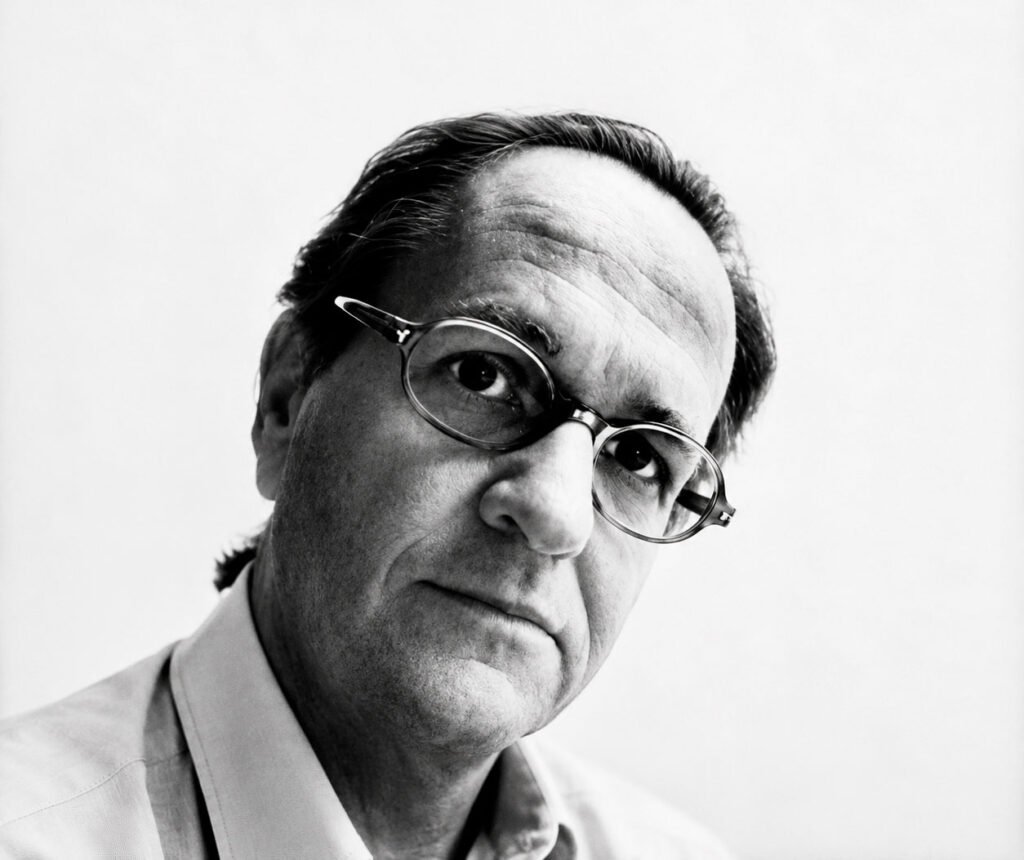
By Jan Oberg*

LUND, Apr (IPS) The overall picture has turned much worse over the last few months. In particular, the Western demands to Iran made public prior to the Istanbul consultations on April 14, bodes ill for the next round of talks in Baghdad. Everyone has stated views, used rhetoric and taken concrete steps that bring us all closer to the abyss called ‘War on Iran’. While it is easy and dangerous to escalate a conflict, it is difficult ­without losing face­ to de-escalate and make peace.

Among these counterproductive steps are the Western halting of imports of oil from Iran on July 1, 2012 and the tightening of sanctions that already suffocate Iranian society. It is believed ­falsely­ that sanctions are somehow “soft weapons”. In Iraq, with one-third of the population of Iran, Western sanctions caused roughly one million Iraqi deaths.

What is indicative of a will to promote future peace among the parties? Well, the following are not: pre-negotiation demands, threats to destroy, an oil embargo, sanctions directed at citizens, condescending rhetoric to and about a nation with one of the oldest civilisations in the world, murdering its scientists, providing military training to its dissident terrorists abroad, telling it to abstain from what you have yourself done and requiring inspections there but not with the nuclear-armed “other side”. These are methods to make Tehran consider obtaining nukes although Iran’s highest leader has pronounced repeatedly that nuclear weapons are haram, i.e. strictly prohibited according to Islam (a fact never reported in Western media).

Military expenditure (MILEX) is the most reliable single indicator of who would be able to threaten or harm someone else should the worst happen. Iran’s MILEX is about seven billion dollars or about one percent of the U.S.’s military expenses. Israel’s MILEX is 13 billon dollars – with one-tenth as many inhabitants as Iran. The U.S. spends four percent of its Gross National Product (GNP) on the military, Israel 6.5 percent and Iran 2.5 percent of its GNP. Iran has not invaded other countries since India in 1738 and has no bases abroad. Israel and the U.S. are nuclear weapons powers and occupiers, Iran isn’t.

Thanks to the overall pro-Israeli mainstream media in the West, most people are made to believe that Iran is a threat to the world because basic figures like these are never mentioned in the press. Given these figures, it would be suicidal for Iran to start a war on anyone. And the leaders in Tehran are neither insane nor stupid.

What the West, including Israel, can and should do:

1. Begin negotiations that offer a relaxation and lifting of sanctions, trade and diplomatic recognition as quid pro quo for steps taken by Iran; and scrap every precondition before the meeting.

2. Israel should stop feeding its citizens horror stories about Iran.

3. Allow Iran to continue its uranium enrichment program, but under close surveillance from the International Atomic Energy Agency (IAEA) according to an Additional Protocol.

4. Change focus from the present regime, (thereby leaving it up to the Iranians to decide their own leaders).

5. The U.S. should stop its coercion of the IAEA.

6. The US should apologise for its involvement in the coup d’état against Prime Minister Mohammad Mossadegh in 1953 and for the shooting down of Iran Air Flight 655 in 1988, which killed 290 passengers.

7. An apology for Western support to Saddam Hussein during the Iran-Iraq war that cost one million lives should be considered too.

8. The U.S. and Israel should end the terrorist acts, stop killing Iranian citizens and stop cyber warfare exemplified by the Stuxnet virus.

Here is what Iran can and should do:

9. End its support of terrorist groups that attack Israel.

10. End its talk of hatred against Israel and make it clear that they will not attack Israel, except if attacked first by Israel.

11. Iran should accept a far-reaching Additional Protocol for the inspection regime of the IAEA; ratify the Comprehensive Nuclear Test Ban treaty, thus setting a good example for the U.S.

12. Iran should intensify the Dialogue of Civilisation project.

Other actors such as the United Nations, the European Union or single countries can and should work for:

13. Mediation, consultations, facilitation of any type of contacts between the parties.

14. Hearings in the EU Parliament and/or in the U.N. General Assembly where Iranian and Western representatives could tell the world about their goals, grievances and preferred future solutions.

15. Provide scholarships to Iranian students and promote all kinds of people-to-people contact.

16. Revive the agreement signed by Iran, Brazil and Turkey in 2010 according to which Iran sends enriched uranium to Turkey (perhaps these countries could still serve as mediators in some way?).

17. Speed up the accession process of Iran to the World Trade Organisation.

18. Send a delegation of former Nobel Peace Prize laureates on a dialogue mission to Tehran.

19. Take concrete steps to establish the Middle East as a Nuclear Weapons-Free Zone.

In short, do just about everything else except what all the parties are doing now, that is, de-escalate the tension before it is too late.

Remember Pogo who allegedly once said: ” We have met the enemy and he is us.” The West seems unable to live without enemies and creates them by its own policies. It’s mind-boggling that suggestions such as those above hardly ever surface in the public discussion, journalists never raising them with decision-makers who advocate war again and again.

The world needs conflict-resolution capacity, knowledge and training. Those who run these matters steer their policies like unlicenced drivers. Under such conditions, accidents will happen and people will die. There is a huge spectrum of options between doing nothing and smashing up countries by military means.

Government mentality is unlikely to change course or introduce basic conflict and peace knowledge at this point. Therefore, it is of tremendous importance that citizens in the West, in Israel and in Iran use social media to link up with each other and strengthens the idea of citizens’ diplomacy. (END/COPYRIGHT)

(*) Jan Oberg is director and co-founder of the Transnational Foundation (TFF) in Lund, Sweden, PhD, peace and conflict researcher.

Peace & future researcher + ‌Art Photographer

Share

Leave a Reply

Your email address will not be published. Required fields are marked *

Related Posts

“En dag som berättigar till fest”, utropade den London-baserade al-Quds al-Arabi efter FN:s eldupphörresolution, “eftersom detta är första gången som Israel accepterar ett FN-beslut från en position som besegrad och inte som segrare”. Att ett arabisk-israeliskt krig för en gångs skull slutat med arabisk seger, är en helt dominerade åsikt i arabiska medier. Al-Quds al-Arabi tillåter sig att drömma om att det israeliska nederlaget skall leda till massflykt från Israel. Men i nästa andetag påminner tidningen om att Israel aldrig brukar genomföra sina internationella åtaganden och varnar för att förlorarna, liksom tidigare, kan hämnas genom att provocera fram inbördeskrig i Libanon. Med tanke på de otaliga massmediala vittnesmålen om det libanesiska folkets eniga motståndskraft förefaller risken för inre stridigheter i det sargade landet just nu liten. Men visst kan man urskilja nyansskillnader i libanesiska tidningar. Vänsterorganet al-Safir uppfattar FN-resolutionen som en komplott i syfte att rädda Israel från ännu större...
Jan Oberg, TFF director April 28, 2026 In this third TFF Peace Pulse, I make the important distinction between the violence and the conflict that violence is a symptom of. If you want peace, focus on the underlying conflict because that is the key to resolution, peacemaking, and a better future for the parties. The West is obsessed with violence, just look around you – and 90+ per cent of the public debate is about military issues and other violence – totally wasted for peace. These Peace Pulses will only be published here a few times. You will also not find them on YouTube and Vimeo because both platforms have blocked TFF and me; you know, peace is dangerous these days. Most TFF’s videos since 2007 are now on Rumble.
A donors’ conference, co-sponsered by the Burundian government, the Belgian government and UNDP will be held in Brussels January 12-13, 2004. This PressInfo offers a perspective on its urgency. See also TFF’s new Burundi Forum. Imagine for a moment that politics is about goodness and generosity. Where could a few million dollars of government aid and a few civil society organisations – guaranteed – win the hearts of extremely poor millions who want peace and already work hard to achieve it after 10 years of war and genocide? The answer is Burundi, the heart-shaped country in the heart of Africa. Burundi makes a good story from Africa. But what does the world know about Burundi, its problems and struggles? Burundi’s tough reality Here are the basic facts. Burundi’s population is about 7 million and it is number 171 out of the 175 countries on the UNDP’s human development index. Their life...

Recent Articles

“En dag som berättigar till fest”, utropade den London-baserade al-Quds al-Arabi efter FN:s eldupphörresolution, “eftersom detta är första gången som Israel accepterar ett FN-beslut från en position som besegrad och inte som segrare”. Att ett arabisk-israeliskt krig för en gångs skull slutat med arabisk seger, är en helt dominerade åsikt i arabiska medier. Al-Quds al-Arabi tillåter sig att drömma om att det israeliska nederlaget skall leda till massflykt från Israel. Men i nästa andetag påminner tidningen om att Israel aldrig brukar genomföra sina internationella åtaganden och varnar för att förlorarna, liksom tidigare, kan hämnas genom att provocera fram inbördeskrig i Libanon. Med tanke på de otaliga massmediala vittnesmålen om det libanesiska folkets eniga motståndskraft förefaller risken för inre stridigheter i det sargade landet just nu liten. Men visst kan man urskilja nyansskillnader i libanesiska tidningar. Vänsterorganet al-Safir uppfattar FN-resolutionen som en komplott i syfte att rädda Israel från ännu större...
Greenland – the world’s largest island, a continent of its own with only 57.000 inhabitants. I visited it for the first time in May 2005. I flew across the inland ice to Nuuk, the tiny capital with some 14.000 inhabitants. I was overwhelmed by the pride and kindness of everyone I met as well as by the unique natural beauty. Unfortunately, due to weather conditions during my ten-day stay I could get nowhere else but Nuuk. Fortunately, however, among those I met was Gitte Arvegaard, a Danish lawyer and negotiator employed by the local government, Greenland Home Rule. She turned out to be an enthusiastic photographer with a lot of pictures taken during various trips around Greenland. So this Greeland series is the result of our cooperative effort. We both hope you enjoy it and are stimulated to visit Greenland – about which you may read more here. Finally, if you want to...
 Jan Oberg’s storyof how he met Sir Paul Liverpool – where else to meet Paul McCartney? Paul’s old class mate and TFF Associate, Jonathan Power introduced me to Paul McCartney in Liverpool at an informal reception. It was held at what used to be their school, now the Liverpool Institute for Performing Arts and we were there to celebrate that Jonathan had written Amnesty International’s 40th Anniversary book. This happy event for “righting wrongs and writing songs” gave me an opportunity to meet Paul and tell him about TFF and get straight to the matter: would he consider making a donation in support of our work for peace? While I was probably the only one with such a wish that day, I was certainly not the only one who wanted to shake hands and talk with him. In the last minutes before Paul was to leave, Jonathan brought us together and we got about three...

TFF on Substack

Discover more from TFF Transnational Foundation & Jan Oberg.

Most Popular

“En dag som berättigar till fest”, utropade den London-baserade al-Quds al-Arabi efter FN:s eldupphörresolution, “eftersom detta är första gången som Israel accepterar ett FN-beslut från en position som besegrad och inte som segrare”. Att ett arabisk-israeliskt krig för en gångs skull slutat med arabisk seger, är en helt dominerade åsikt i arabiska medier. Al-Quds al-Arabi tillåter sig att drömma om att det israeliska nederlaget skall leda till massflykt från Israel. Men i nästa andetag påminner tidningen om att Israel aldrig brukar genomföra sina internationella åtaganden och varnar för att förlorarna, liksom tidigare, kan hämnas genom att provocera fram inbördeskrig i Libanon. Med tanke på de otaliga massmediala vittnesmålen om det libanesiska folkets eniga motståndskraft förefaller risken för inre stridigheter i det sargade landet just nu liten. Men visst kan man urskilja nyansskillnader i libanesiska tidningar. Vänsterorganet al-Safir uppfattar FN-resolutionen som en komplott i syfte att rädda Israel från ännu större...
Greenland – the world’s largest island, a continent of its own with only 57.000 inhabitants. I visited it for the first time in May 2005. I flew across the inland ice to Nuuk, the tiny capital with some 14.000 inhabitants. I was overwhelmed by the pride and kindness of everyone I met as well as by the unique natural beauty. Unfortunately, due to weather conditions during my ten-day stay I could get nowhere else but Nuuk. Fortunately, however, among those I met was Gitte Arvegaard, a Danish lawyer and negotiator employed by the local government, Greenland Home Rule. She turned out to be an enthusiastic photographer with a lot of pictures taken during various trips around Greenland. So this Greeland series is the result of our cooperative effort. We both hope you enjoy it and are stimulated to visit Greenland – about which you may read more here. Finally, if you want to...
 Jan Oberg’s storyof how he met Sir Paul Liverpool – where else to meet Paul McCartney? Paul’s old class mate and TFF Associate, Jonathan Power introduced me to Paul McCartney in Liverpool at an informal reception. It was held at what used to be their school, now the Liverpool Institute for Performing Arts and we were there to celebrate that Jonathan had written Amnesty International’s 40th Anniversary book. This happy event for “righting wrongs and writing songs” gave me an opportunity to meet Paul and tell him about TFF and get straight to the matter: would he consider making a donation in support of our work for peace? While I was probably the only one with such a wish that day, I was certainly not the only one who wanted to shake hands and talk with him. In the last minutes before Paul was to leave, Jonathan brought us together and we got about three...
Read More
Imagen-thumbnail-The-Transnational-1
“En dag som berättigar till fest”, utropade den London-baserade al-Quds al-Arabi efter FN:s eldupphörresolution, “eftersom detta är första gången som Israel accepterar ett FN-beslut från en position som besegrad och inte som segrare”. Att ett arabisk-israeliskt krig för en gångs skull slutat med arabisk seger, är en helt dominerade åsikt i arabiska medier. Al-Quds al-Arabi tillåter sig att drömma om att det israeliska nederlaget skall leda till massflykt från Israel. Men i nästa andetag påminner tidningen om att Israel aldrig brukar genomföra sina internationella åtaganden och varnar för att förlorarna, liksom tidigare, kan hämnas genom att provocera fram inbördeskrig i Libanon. Med tanke på de otaliga massmediala vittnesmålen om det libanesiska folkets eniga motståndskraft förefaller risken för inre stridigheter i det sargade landet just nu liten. Men visst kan man urskilja nyansskillnader i libanesiska tidningar. Vänsterorganet al-Safir uppfattar FN-resolutionen som en komplott i syfte att rädda Israel från ännu större...
Greenland – the world’s largest island, a continent of its own with only 57.000 inhabitants. I visited it for the first time in May 2005. I flew across the inland ice to Nuuk, the tiny capital with some 14.000 inhabitants. I was overwhelmed by the pride and kindness of everyone I met as well as by the unique natural beauty. Unfortunately, due to weather conditions during my ten-day stay I could get nowhere else but Nuuk. Fortunately, however, among those I met was Gitte Arvegaard, a Danish lawyer and negotiator employed by the local government, Greenland Home Rule. She turned out to be an enthusiastic photographer with a lot of pictures taken during various trips around Greenland. So this Greeland series is the result of our cooperative effort. We both hope you enjoy it and are stimulated to visit Greenland – about which you may read more here. Finally, if you want to...
p_mccartney_poem
 Jan Oberg’s storyof how he met Sir Paul Liverpool – where else to meet Paul McCartney? Paul’s old class mate and TFF Associate, Jonathan Power introduced me to Paul McCartney in Liverpool at an informal reception. It was held at what used to be their school, now the Liverpool Institute for Performing Arts and we were there to celebrate that Jonathan had written Amnesty International’s 40th Anniversary book. This happy event for “righting wrongs and writing songs” gave me an opportunity to meet Paul and tell him about TFF and get straight to the matter: would he consider making a donation in support of our work for peace? While I was probably the only one with such a wish that day, I was certainly not the only one who wanted to shake hands and talk with him. In the last minutes before Paul was to leave, Jonathan brought us together and we got about three...
Logo-Transnational
1942James Paul McCartney is born in Liverpool on June 18th. 1956Paul writes his first song, I Lost My Little Girl. 1957Paul meets John Lennon at St. Peter’s Church Fete, Woolton, Liverpool. He joins his first group, The Quarrymen and performs in his first gig at The New Clubmoor Hall, Liverpool, on October 18th. 1960Formation of The Beatles, who play residencies in Hamburg and at The Cavern in Liverpool. 1961First Beatles recordings issued in Germany, as the backing group for Tony Sheridan. 1962The first Beatles Parlophone recording, Love Me Do, reaches number 17 in the British charts. 1963The birth of Beatlemania. Please Please Me gives the group their first British Number 1. She Loves You cements their success. Please Please Me and With The Beatles albums released. 1964First triumphant American tour. The Beatles perform at the Royal Command Performance and release their first film, A Hard Day’s Night. Their single I...
Logo-Transnational
  Back to the series “Bujumbura, Burundi”
By JONATHAN POWER August 16, 2000 LONDON – Remember the summer of ’98? In the sweltering, torpid heat of a Roman august, charged with exhaust fumes, the international community gave its overwhelming approval to the establishment of an International Criminal Court that will enable those accused of “crimes against humanity” to be tried and, if convicted, sentenced. Only seven nations opposed or abstained from the motion, including Israel, China, India and the U.S.A. where the Pentagon had successfully waged bureaucratic guerrilla war to undermine the initially sympathetic stance of President Bill Clinton. Two years on we can now see what an epochal event that was. In a the stroke of 120 pens it changed the climate on political thuggery. After numerous half-starts and false starts ever since the Nuremberg and Tokyo trials that convicted the war criminals of the Second World War, the world at last had agreed en masse a common...

