February 2026

Showing 1-10 of 5227 stories

Sort by
Categories

Year

Author / Contributor

Region

Imagen-thumbnail-The-Transnational-1
A donors’ conference, co-sponsered by the Burundian government, the Belgian government and UNDP will be held in Brussels January 12-13, 2004. This PressInfo offers a perspective on its urgency. See also TFF’s new Burundi Forum. Imagine for a moment that politics is about goodness and generosity. Where could a few million dollars of government aid and a few civil society organisations – guaranteed – win the hearts of extremely poor millions who want peace and already work hard to achieve it after 10 years of war and genocide? The answer is Burundi, the heart-shaped country in the heart of Africa. Burundi makes a good story from Africa. But what does the world know about Burundi, its problems and struggles? Burundi’s tough reality Here are the basic facts. Burundi’s population is about 7 million and it is number 171 out of the 175 countries on the UNDP’s human development index. Their life...
Screenshot-2026-02-19-180042 (1)
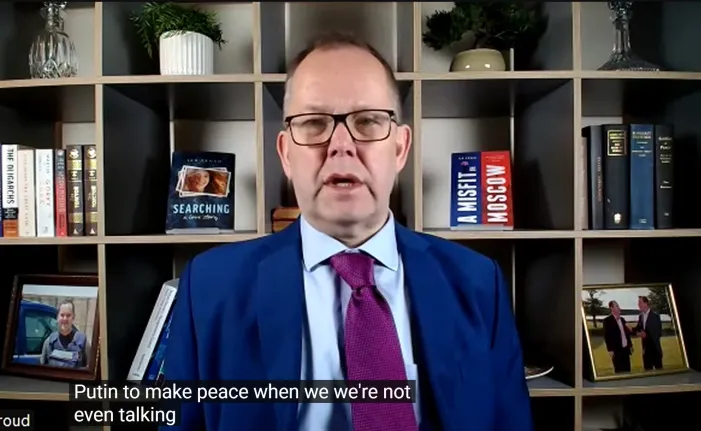
Jan Oberg February 19, 2026 What a thrill to be interviewed by former British diplomat Ian Proud! Don’t waste a minute: acquaint yourself with him here on his homepage, which he elegantly calls “Proud Diplomat.” Notice also his book, A Misfit In Moscow. Ian is, of course, also on Substack, where he calls himself The Peace Monger, and recently he set up his own PeaceMonger Channel on YouTube. For once, I was not interviewed as if I were a military geopolitical expert, where I normally have to twist the whole thing in the direction of peace. No, we both had a focus on peace – why it has been disappeared by research, politics and the media, but also what can be done to shape a more peaceful future for us all. One idea we came up with was that of connecting people through citizens diplomacy – in an era where more or less authoritarian leaders meet frequently and confirm each other as members...
Arctic_North_Pole_Map
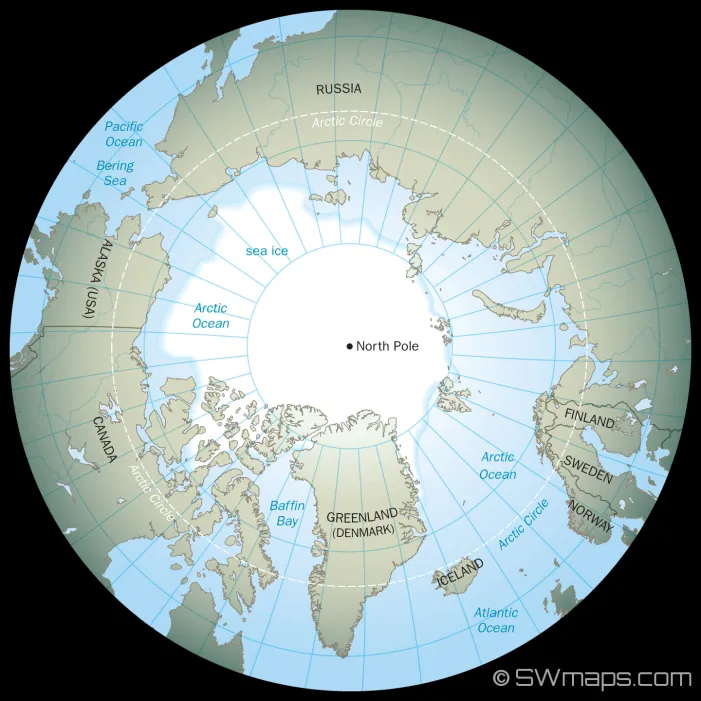
This is not another geopolitical commentary on the Arctic. It is a visionary peace proposal that can save the region from militarised rivalry and ecological ruin. A blueprint for shared security, sustainable development, and human dignity — benefitting Greenland, the Arctic, and the rest of us. Jan Oberg TFF director Lund, Sweden, February 17, 2026 I. Four Principles for a New Arctic Vision The Arctic is often framed as a cold arena of rivalry — a place where great powers test each other’s resolve. But this worldview is outdated, unimaginative, and ultimately self‑defeating. The Arctic is not a vacuum waiting to be militarised; it is a living region, a climate stabiliser, and a cultural homeland whose future will shape the future of humanity. If we begin from that understanding, a far more rational Arctic order becomes possible — one that is peaceful, cooperative, and centred on the people who actually live there. This vision rests...

Imagen-thumbnail-The-Transnational-1
PressInfo # 141, December 21, 2001It’s time to prepare reconciliation between Albanians and Serbs PressInfo # 140, December 14, 2001Ibrahim Rugova’s decade-long leadership in Kosovo/a PressInfo # 139, 11. december, 2001En god nyhet: Jugoslaviens Sannings- och försoningskommission PressInfo # 139, 11. december, 2001Gode nyheder: Jugoslaviens Sandheds- og Forsoningskommission PressInfo # 139, December 11, 2001Good news: Yugoslavia’s Truth and Reconciliation Commission PressInfo # 138, November 8, 2001TFF co-founder PhD with thesis about young people with roots in other cultures PressInfo # 138, November 8, 2001TFF:s medstiftare doktor på avhandling om unga med ursprung i andra kulturer PressInfo # 137, October 17, 2001A new Marshall Plan: Advancing human security and controlling terrorism PressInfo # 136, October 15, 2001The UN and Annan really deserve it PressInfo # 135, October 10, 2001Preventing a terrorist mushroom cloud PressInfo # 134, 17 oktober, 2001Sverige og 11. september PressInfo # 134, October 9, 2001Sweden and September 11...
Imagen-thumbnail-The-Transnational-1
Peace is promoted by constructive proposals and dialogue Four preceding PressInfos have expressed concern over — and criticised — the ongoing, militarisation of the EU. Some will say: but there are no alternatives. We believe that there are always alternatives, that democracies are characterised by alternatives and choice, and that openly discussed alternatives will improve the quality and legitimacy of society’s decision–making. In addition, it is an intellectual and moral challenge to not only criticise but also be constructive. If we only tell people that we think they are wrong, they are not likely to listen. However, if we say: what are your views on this set of ideas and steps? — we may sometimes engage them in dialogue and sow a seed. Most people in power circles live their daily lives in in a time frame and a social space where certain ideas, viewpoints and concepts are just not...
Imagen-thumbnail-The-Transnational-1
Photos © TFF 2000 Read PressInfo 90 “Lift the Sanctions and Bring More Aid to Yugoslavia” See Pictures from Belgrade © TFF 2000 Please reprint, copy, archive, quote or re-post this item, but please retain the source.
Screenshot-2026-02-13-165527
The MSC’s closed groupthink militarism offers only one prescription — more weapons — even as record military expenditures, squeezed from taxpayers in economic crisis, destroy diplomacy and drive escalation to the highest war risks in decades. Jan Oberg TFF director February 13, 2026 From Dialogue Forum to Militarised Ritual For decades, the Munich Security Conference (MSC) – which opened today and runs till Sunday – was one of the few places where adversaries could meet without theatrics. Founded in 1963 as the Wehrkundetagung, it served as a discreet Cold War dialogue forum between NATO and the Warsaw Pact. Even at moments of high tension, Soviet and later Russian representatives were present, and Munich allowed uncomfortable messages to be delivered directly rather than through press releases or military manoeuvres. That era has vanished. The MSC has become something entirely different: a €13–20 million annual gathering of a closed Western security elite, a polished meeting...
ResistanceImage-Part-3-EconTradeFinance-copy
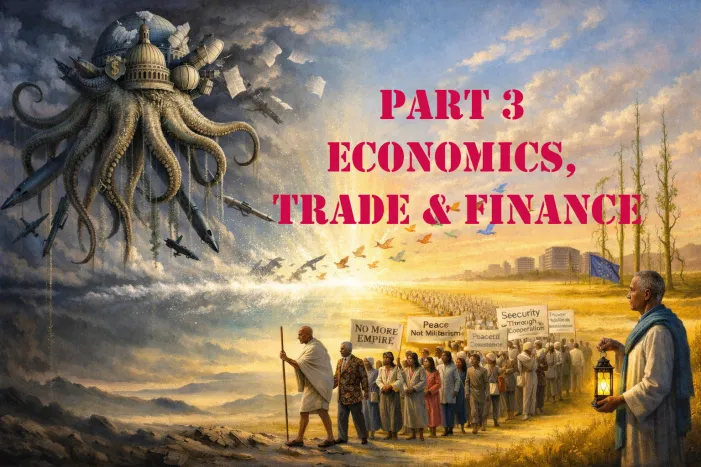
By Jan ObergTFF co-founder and director February 11, 2026 PART 3 — ECONOMICS, TRADE & FINANCIAL SOVEREIGNTY A. Trade Measures & Market Signaling Economic pressure can be applied instantly and scaled without violence. Immediate Measures (within a week) Government boycott US goods and services  A very powerful signal which over time will be felt. Targeted tariffs on selected U.S. goods Symbolic but high-visibility sectors send a clear message. Suspend trade facilitation talks A peaceful pause that signals deep concern. Freeze U.S. participation in public procurement – military procurement in particular A nonviolent way to reduce influence. Competition law review of U.S. corporations A legal tool to scrutinise market dominance. Longer-Term Measures EU–Asia–Africa trade corridors Reducing reliance on U.S. markets. European supply chains for critical minerals Strategic autonomy in resource access. European Strategic Trade Authority Monitoring coercive practices globally. Euro-denominated commodity markets Weakening the dollar’s pricing monopoly. The EU must resume contacts and negotiations with Russia, focusing on energy cooperation To...
alireza-heydarifard-zKlFiUcqdZQ-unsplash
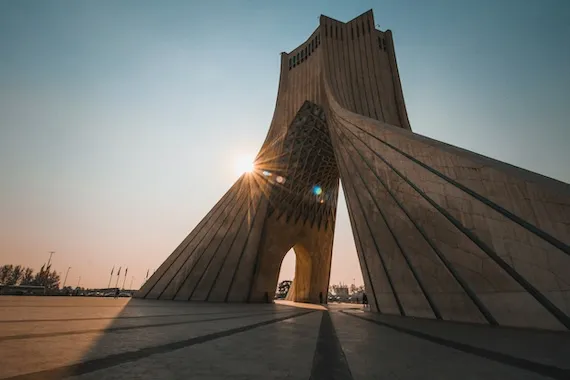
Farhang Jahanpour TFF Associate, former Board member February 11, 2026 Oxford (Special to Informed Comment; Feature) – Today, 11 February, marks the 47th anniversary of the victory of the Islamic Revolution in Iran, and coincidentally, it also marks the 15th anniversary of the ousting of Hosni Mubarak after 30 years of oppressive rule. There were some other uprisings during what came to be known as the Arab Spring, which resulted in the ousting of ruling dictators. Undeterred, Iranian leaders, after the terrible carnage in January this year, are making big plans to celebrate the anniversary of the 1979 Islamic Revolution. Many people optimistically assume that massive popular revolutions against dictators will automatically result in the establishment of democratic governments. Unfortunately, the aftermath of the Iranian revolution and the massive uprisings by Arab masses during the so-called Arab Spring have led to the establishment of even worse regimes. Far from resulting in...
Imagen-thumbnail-The-Transnational-1
Av FRANK SØHOLM GREVIL 16 augusti 2004  Vi er nu nået til tredje akt i det absurde teaterstykke, der i analogi med de store skueprocesser i Moskva 1936-38 er blevet døbt ‘Grevil-sagen’. Første akt bestod i min anonyme fremlæggelse af egenhændigt nedklassificerede rapporter i Berlingske Tidende i februar og marts. Andet akt udgjordes af min fremtræden med navn og billede i Information i april samt den efterfølgende mediestorm, som uden min direkte medvirken kostede en forsvarsminister taburetten samt en sigtelse for brud på tavshedspligten. Tredje akt bliver en retssag, hvor jeg står tiltalt for at have overtrådt straffelovens bestemmelser om uberettiget videregivelse eller udnyttelse af fortrolige oplysninger. Statsanklageren har ovenikøbet valgt at påberåbe sig særligt skærpende omstændigheder. Da jeg aldrig har modtaget betaling for at stille rapporterne til rådighed eller lade mig interviewe, må det skærpende bestå i, at “videregivelsen eller udnyttelsen er sket under sådanne omstændigheder, at det påfører...