

In contrast to most, we’ll bring alternatives, solutions, hope and strategies for a better future. Times are dangerous, yes, but that only intensifies the need for constructive thinking and action! Jan Oberg, TFF director April 13, 2026 The new TFF Peace Pulse uses video messages in a new way: Max 3-5-minute-long comments, ideas or perhaps mini-lectures, all about peace – positive peace. We launch them today on April 13, 2026 with a carefully crafted visual aesthetic fitting the content. We hope to publish them regularly from now on. We launch Peace Pulse (PP) – for a number of reasons. The world is in chaos, and there are countless reasons to feel concerned, frustrated, even angry. The atmosphere is saturated with doom and gloom, with negative energy and rear‑mirror thinking, while vision, imagination, alternatives, strategies and genuine future‑mindedness remain in short supply. And without them, we simply can’t save the world. Looking at problems from a hundred angles will...
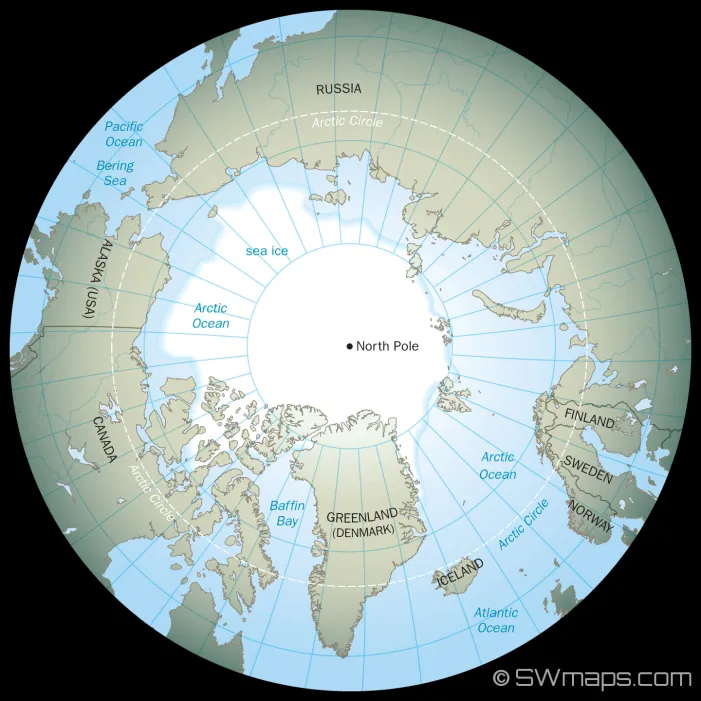
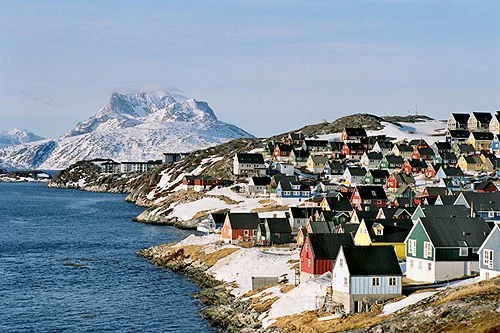
This is not another geopolitical commentary on the Arctic. It is a visionary peace proposal that can save the region from militarised rivalry and ecological ruin. A blueprint for shared security, sustainable development, and human dignity — benefitting Greenland, the Arctic, and the rest of us. Jan Oberg TFF director Lund, Sweden, February 17, 2026 I. Four Principles for a New Arctic Vision The Arctic is often framed as a cold arena of rivalry — a place where great powers test each other’s resolve. But this worldview is outdated, unimaginative, and ultimately self‑defeating. The Arctic is not a vacuum waiting to be militarised; it is a living region, a climate stabiliser, and a cultural homeland whose future will shape the future of humanity. If we begin from that understanding, a far more rational Arctic order becomes possible — one that is peaceful, cooperative, and centred on the people who actually live there. This vision rests...
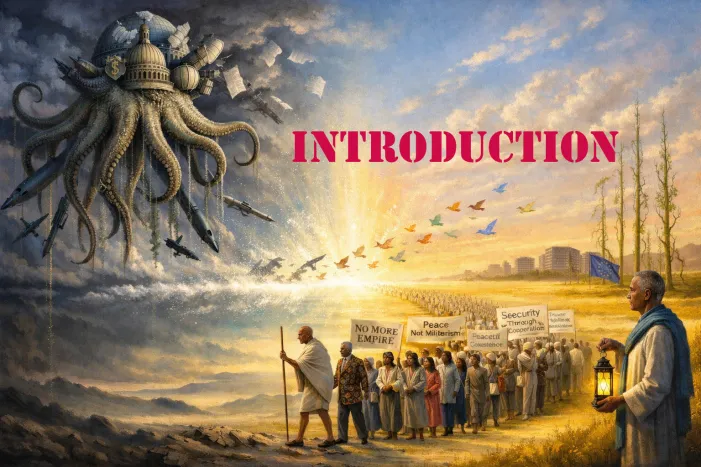
Introduction to TFF’s forthcoming four Idea Portfolios of Diplomatic and Nonviolent Resistance By TFF’s Board & FoundersPascal Lottaz, Biljana Vankovska, Annette Schiffmann, Christina Spannar & Jan Oberg January 19, 2026 “America, you are too arrogant.” — Martin Luther King Jr. Over the course of Trump’s first term and now a year into his second, the world has witnessed a consistent pattern of actions that challenge the basic long-standing norms of international cooperation, weaken multilateral institutions, and ignore the global norms and legal frameworks established by the UN Charter. During these years, we have witnessed military operations in Iran, Syria and Ukraine without UN authorisation; the killing of Iranian General Qassem Soleimani; repeated strikes across the Middle East; and the launch of tariff wars against allies and competitors alike. We have seen a renewed emphasis on nuclearism and zero interest in arms control and disarmament negotiations. Pentagon is now The Department...
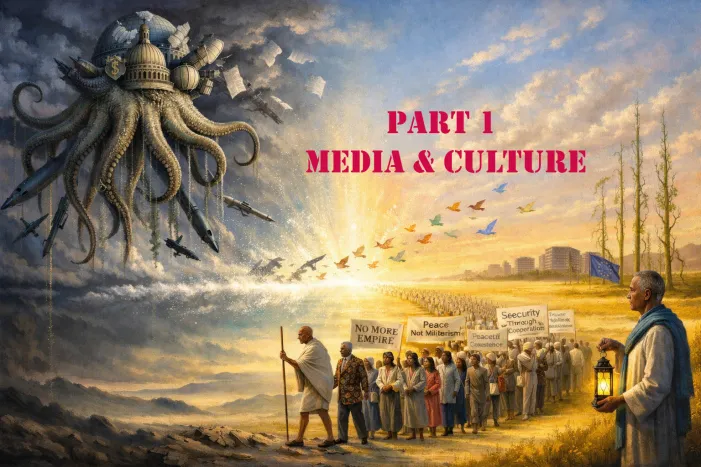
PART 1 — Media, Culture and Information Sovereignty By Jan ObergTFF co-founder and director January 20, 2026 This is the first of four TFF-created idea portfolios designed to curb the global reach of the United States and, in both the short and long term, help catalyse a worldwide nonviolent resistance to what many observers describe as the Trump administration’s uniquely confrontational, destructive and world-threatening policies. These portfolios outline what governments and citizens across the world can do through dynamic diplomacy, creative initiatives, and strictly nonviolent means. They are typical TFF works in that we do not only tell what the problem is and how bad it will go – as 90+% of all commentators, experts and scholars do – we tell what we think can be done, inviting you to think of what you think you can do. It seems painfully clear to me that the current political dynamics in Washington increasingly resemble the most...
Peace will not result from any “peace” plan circulated to date. Neither will it emerge from warfare – as the elites of NATO, EU, Russia, and Ukraine seem to finally recognise after avoidable, unspeakable losses of people, trust and physical, socio-economic destruction. And horse-trading based on military ‘security’ guarantees reveals only peace and conflict illiteracy. TFF is critical of the widespread and severe misuse of the word peace – as if it did not require any knowledge. But we do not engage in geopolitical-military commentarism or dismissive criticism of present-day Realpolitik and its militarist mindset. Indeed, we do not believe that mainstream political and media elites are aware that they know woefully little about peace and peace-making or see it as a professional field. Thus, we do not expect they would acquaint themselves with a portfolio like this. TFF concentrates on constructive, visionary thinking grounded in the science and art of peace and in our 40 years...
A new, innovative, and visionary anthology about the world that is unfolding behind the doom and gloom that the media and politicians try to foist on you. It’s edited by Bijana Vankovska, Richard Sakwa, Weiwei Zhang and Toni Mileski and obviously provocative in the eyes of some (lesser minds). Preface “This volume is the outcome of what might seem, at first glance, to be an ordinary academic conference. Cooperative Multipolar System: In Quest of a New World Order was held on October 3–4, 2024, organized by the Global Changes Center (GCC), the youngest research center at the Faculty of Philosophy. Тhe Chamber of Emigrants from Macedonia eventually joined as a supporting institution, following a formal agreement with the Faculty. Yet, this gathering was far from conventional. It was designed as an intellectual intervention to engage with the evolving global order and challenge the one-dimensional narratives that dominate academic and political...

Johan Galtung – over 50 years my dear friend, collaborator and one of my two peace research mentors – died this morning. He was 93. He was, beyond any doubt, one of the greatest and most innovative social scientists of our time and one of the early pioneers of the academic field of peace and conflict research. He was a controversial intellectual to some extent – the envy, of course, by others – but kept true to his Gandhian-inspired nonviolent values where many succumbed to ‘security’ with weapons. He was also a TFF Associate since 1986 and we remained in contact – last, just a few days ago. You’ll find hundreds of articles by his hand on TFF’s present and earlier archive sites. I smile when I think of the countless hours we spent together exploring the world and coming up with new ideas. I owe him more than words...

通过联合国改革实现全球民主治理: 面向未来的多极世界 Last year, I was asked by the prestigious “China Investment” Magazine in Beijing to write a longer analysis of my own choice. It would become the cover story in the first 2025 issue. While I have written several things before (a) for China Investment, it was the first time that I could freely choose. I feel honoured by the trust in extended by the editorial board. Since China relies heavily on long-range thinking and visions, I thought it would be interesting to write something within the field of future research—which I explain in the introduction to the analysis—about how I could envisage a future world with global governance and a reformed United Nations. I think it is urgently necessary to focus much less on the past and focus much more on the future. No one can drive to a goal by only looking in the rear mirror… And...
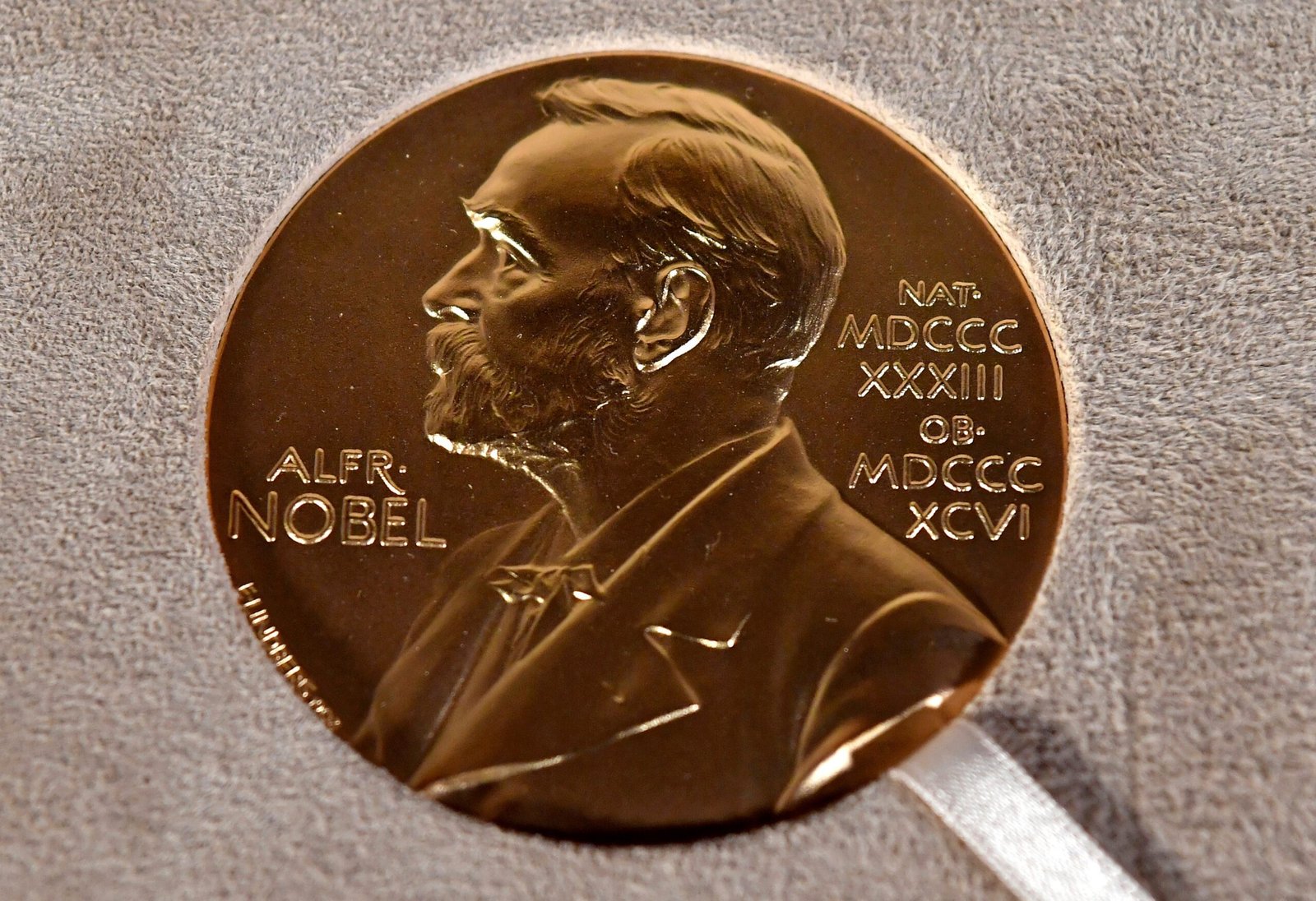
Not so prestigious or noble The media often describe the Nobel Peace Prize as the world’s most prestigious prize. That is, however, slightly bizarre for at least two reasons: first, there exists no system or set of criteria to rank prizes in various fields in terms of prestige. Secondly, over decades, this Prize has been awarded to people and organisations that reveal a careless interpretation of Alfred Nobel’s short and precise will, if not a direct violation of what he intended his Prize to support.
A more benign interpretation could also be that it is prestigious because it has a focus on what is probably worldwide seen as the most noble or highest value, namely peace. Or, in a banal materialistic sense, that the huge amount of money accompanying the Prize makes it ’prestigious.’ A few introductory considerations This article discusses what has gone wrong with this prize and how...
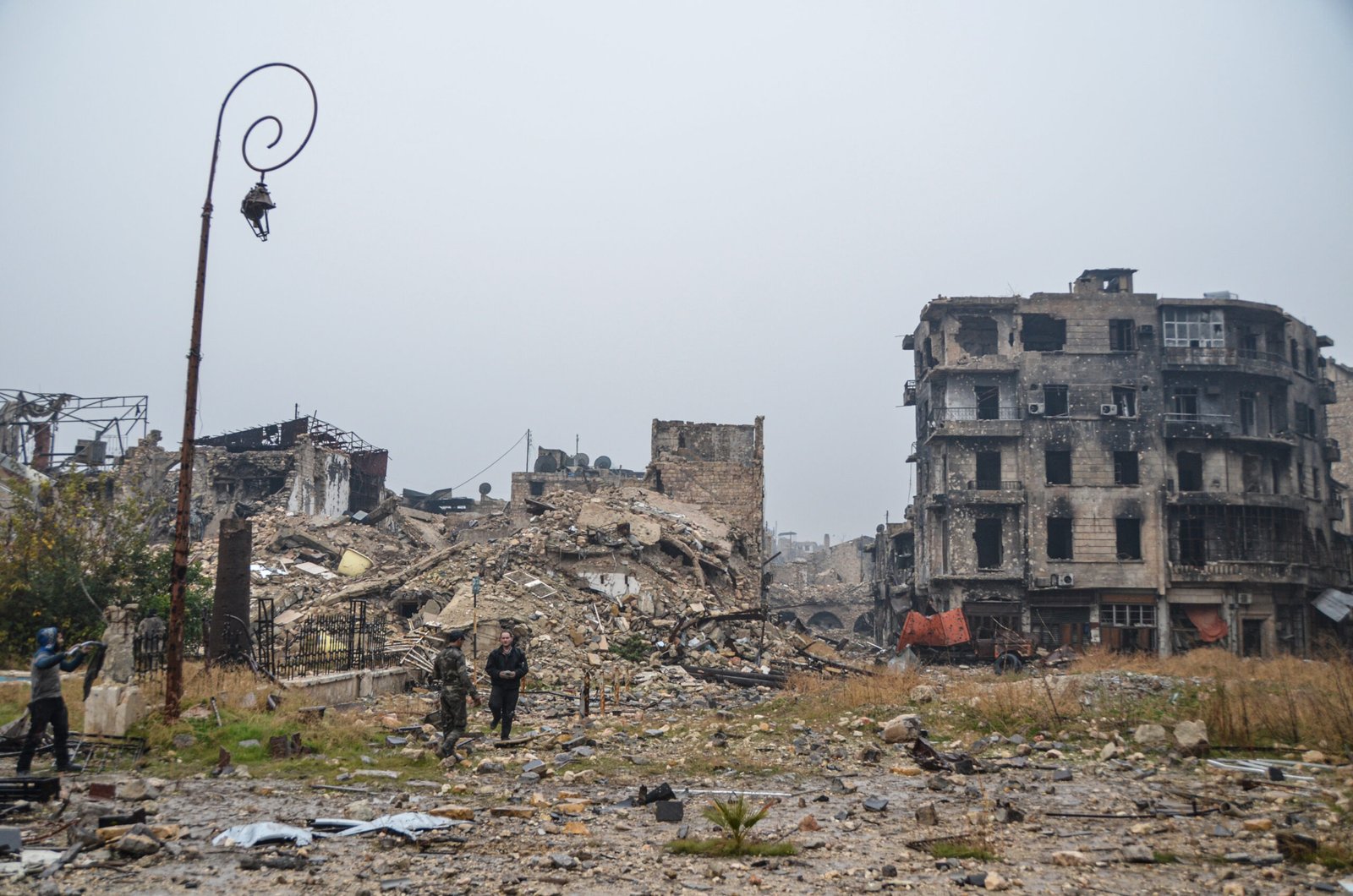
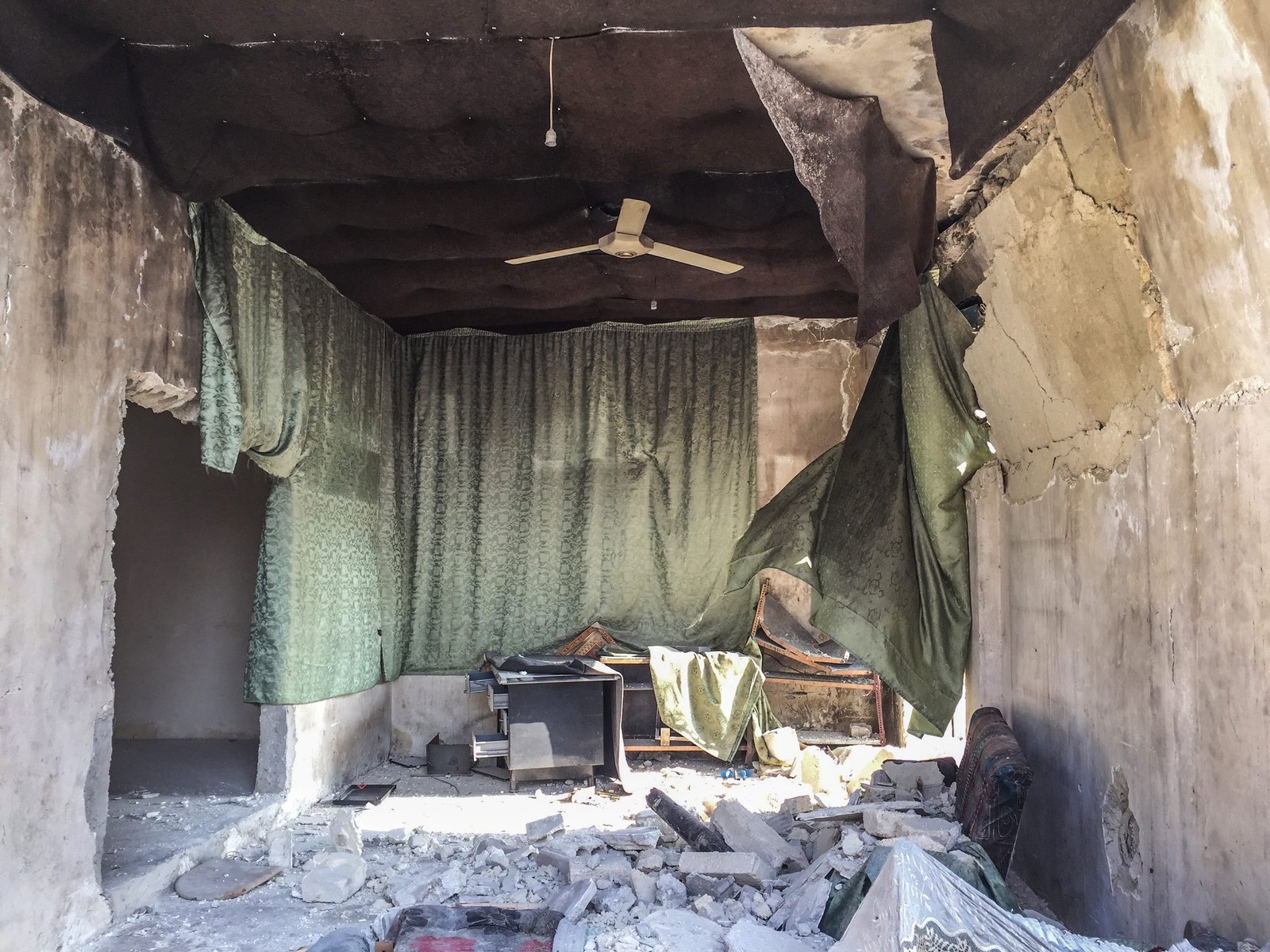
Eastern Aleppo. al-Nusra occupation. Photo © Jan Oberg 2016 TFF is also your go-to source for understanding the Syria catastrophe in the making from now on. Jan Oberg December 9, 2024 Introduction: The colonialist mentality Few things should surprise us anymore regarding the un-principled nature of the contemporary Western world. One day it sees a genocide and keeps supporting its ongoing barbarism. The next day – actually December 8 in the early morning – it fully supports terrorism, which, allegedly, it has been fighting since September 11, 2001. NATO countries such as the US and Turkey are the main supporters of the terrorist movements that have now occupied the cultured country, Syria, home to 25 million extremely mixed people. As far as I have looked into it, no Western leader has pointed out that taking over an entire country and sending its leadership fleeing is a violation of international law;...
Foreword August 25, 2024 – July 7, 2025 The Board of The Transnational Foundation in Sweden has decided to publish an easy-to-read, scholarly anthology that addresses one of the most important – and potentially dangerous – issues of our time: Why are the political, economic, and medialised Western images of China so consistently negative – […]
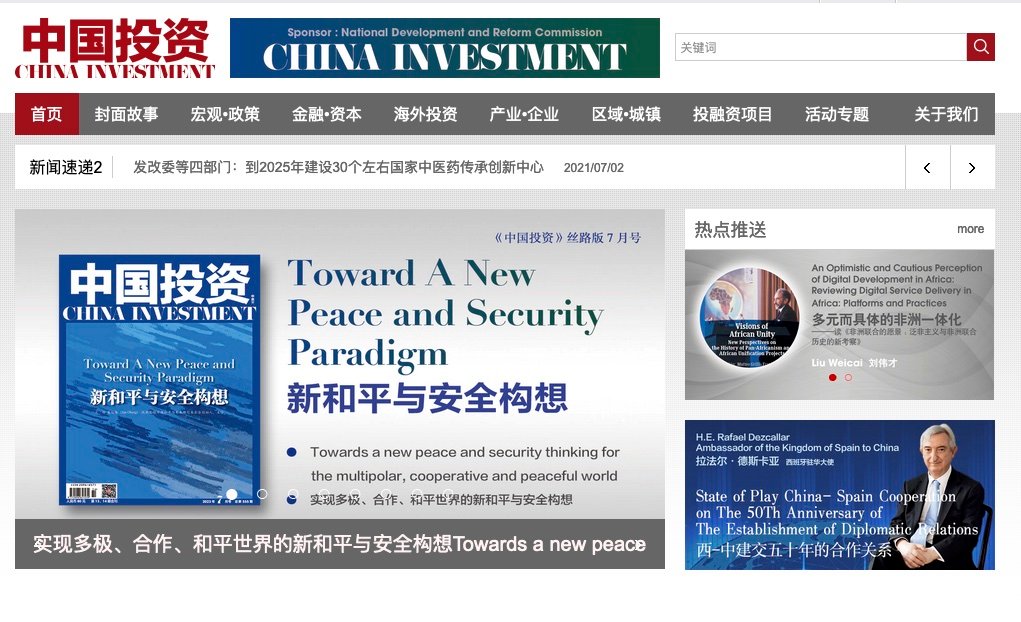
A major peace publishing event across cultures: The cover story of the esteemed “China Investment” Magazine’s July 2023 edition Can you imagine a leading economics, finance and investment magazine in the Western world publishing a 30 A4-page (10 000 words) article about the future peace and security world order – a thinkpiece consisting merely of concepts, theories, visions and philosophical aspects of the theme? I can’t. They would not see it as meaningful to include perspectives on peace, nonviolence, security and related matters. But they’d probably gladly publish articles about military corporations, profits and the like. But in China, they see the value of such holistic thinking between interrelated dimensions of society – and of the world – as it really is. Economics is not only about economic things; it takes place in a framework that influences it – past, present and future. In contrast, the main problem in Western economic thinking...
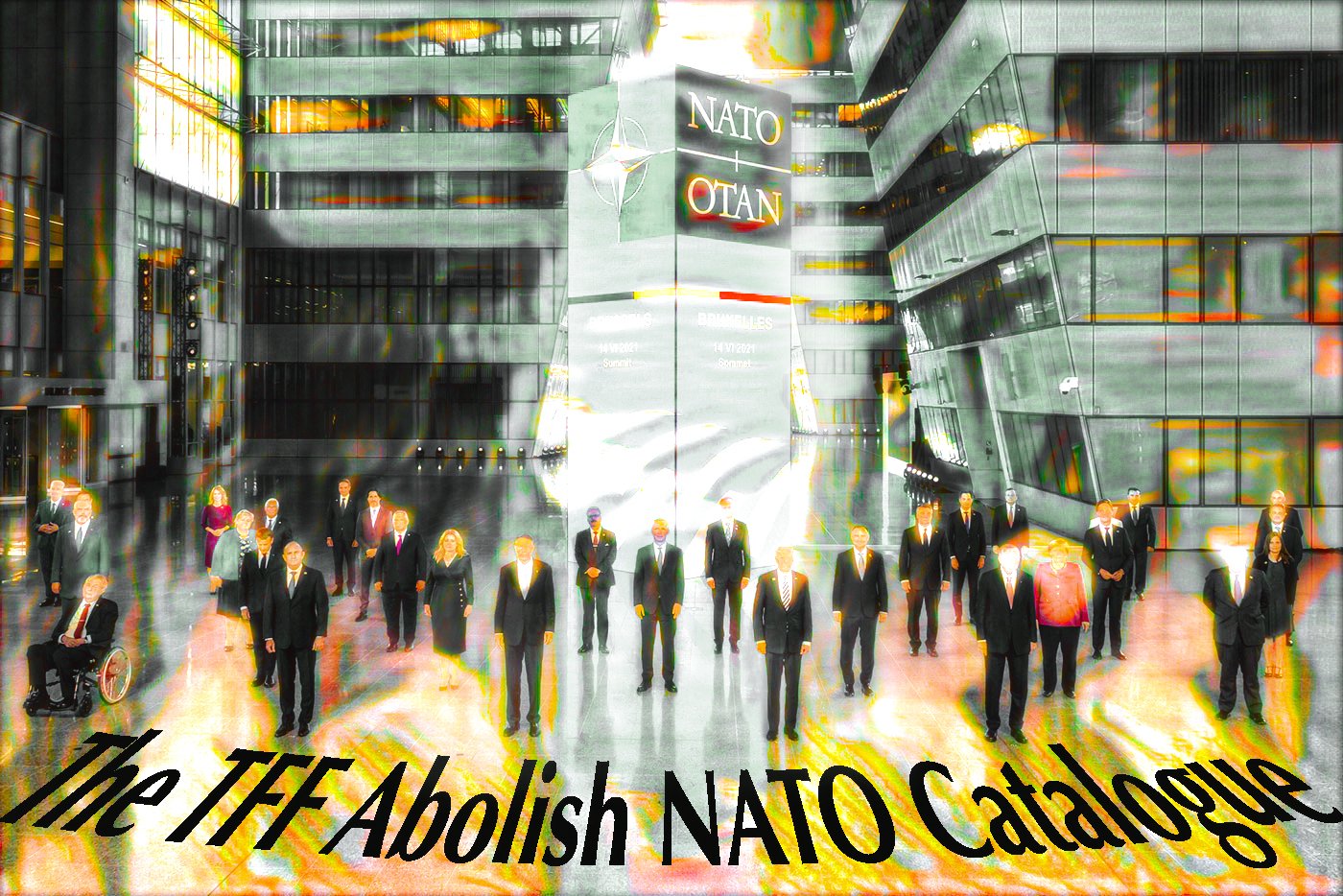
Abolish NATOOr Convert ItTo ServePeace 30 Arguments & 100s of Inspirations This report can be reproduced or quoted freely,but only when referring clearly to TFF, the author and the link Read and download as PDF at the end of the catalogue • Read as Flipbook Media & other inquiries to tff@transnational.live or +46 738 52 52 00 EXECUTIVE SUMMARY This Catalogue contains 30 arguments for the abolition of NATO. Each argument is based on rational peace research analysis, in contrast to the fact-resistant propaganda that NATO and mainstream politics and media promote about the ’defensive’ peace alliance. The Catalogue is based on the democratic assumption that diverse perceptions and concepts can exist – for instance, about what peace is – and that this hugely influential Western organisation is not sacrosanct and shall, therefore, not be exempt from critical analysis. While set up in 1949, NATO passed its ”best before” date long ago. The alliance of...
Jan Oberg February 25, 2022 ”An eye for an eye will one day make the whole world blind.”M K Gandhi A day or two before the Russian assault on Ukraine, I wrote that Russia would NOT invade Ukraine. The news on the morning of February 24 admittedly shocked me and made me very sad: With this move and the NATO countries’ tit-for-tat response that will have devastating economic consequences for Europe’s citizens, there will not be peace in Europe in my lifetime. And I was not the only one who must have been surprised even in Russia. Here are the words by professor Sergey Karaganov, honorary chairman of Russia’s Council on Foreign and Defence Policy from February 8: ”Russian troops near the border of Ukraine are not going to move into the country. To do so would be simply senseless. Grabbing land already devastated by its anti-national and corrupt ruling...
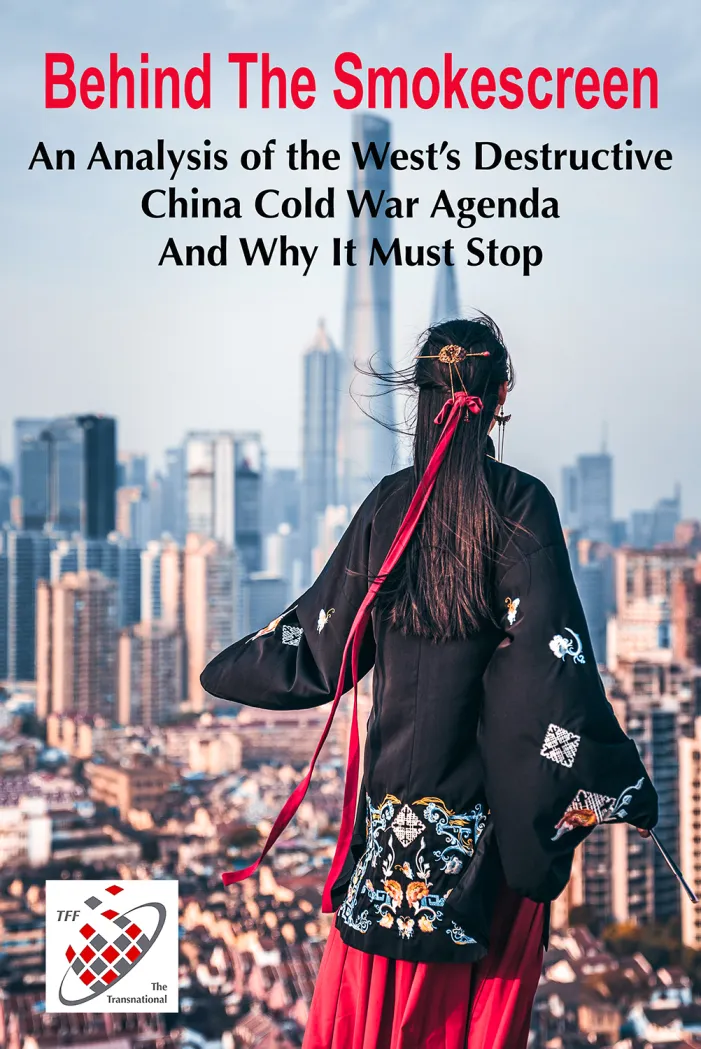
The Transnational Foundation for Peace & Future Research Lund, Sweden • tff@transnational.live • The Transnational •Ph +46 (0)738 525200 • August 6, 2021 • © TFF 2021 Photo: Yiran Ding, Shanghai, Splash 丁亦然 Download and share this report as PDF Table of Content IntroductionThe China Cold War Agenda as Dangerous Decline and Decay 3 Executive Summary 15 Chapter 1 China and the West – Competition Not Cooperation 19 Chapter 2 The Xinjiang Genocide Accusations As Agenda – and its sources 26 2.1 The compact Western mainstream media silence 27 2.2 The six main sources behind the Xinjiang genocide documentation 29 2.3 Problematic issues, materials and producers 30 2.3.1 The number issueHow many Uyghurs are in how many detention camps and facilities? 31 2.3.2 Funding and policy affiliationsWhere does the funding come from to produce the Xinjiang Genocide accusations? What political interests are behind? 36 2.3.3 Databases and witness statementsThe Victim Databases and the Credibility of witnesses 39 2.3.4 Politicisation, weaponisation and Adrian ZenzOn human rights,...
A Critical Analysis Of A Report By The Newlines Institute And The Raoul Wallenberg Center On March 8, 2021, the Newlines Institute for Strategy and Policy in Washington published a report, The Uyghur Genocide: An Examination of China’s Breaches of the 1948 Genocide Convention in cooperation with the Raoul Wallenberg Centre for Human Rights in Montreal. It states that ”This report is the first independent expert application of the 1948 Genocide Convention to the ongoing treatment of the Uyghurs in China. It was undertaken by the Newlines Institute for Strategy and Policy, in cooperation with the Raoul Wallenberg Centre for Human Rights, in response to emerging accounts of serious and systematic atrocities in Xinjiang province, particularly directed against the Uyghurs, an ethnic minority, to ascertain whether the People’s Republic of China is in breach of the Genocide Convention under international law.” The Report – hereafter The Report – has been produced with the contributions of, and upon...

Image from searchwizards This rather long text was written on the invitation of the distinguished “China Investment” magazine, which is sponsored by China’s National Development and Reform Commission. In spite of its name, it has consistently asked me to write on subjects that are not often connected with economics in general and investment issues in particular. I find that – much broader – approach to economics very interesting, and I am very pleased to cooperate with such broad-minded people. Here is the original version – a cover story – in both English and Chinese Introduction – The enigma of good things Like many other positive things in this world, there is little research available on what trust is and how it works. Human beings study war and other violence much more than nonviolence and peace; evil more than goodness; aggression more than forgiveness and reconciliation. It is quite strange because...
December 12, 2017, marks the anniversary of the liberation – the West called it fall – of Aleppo in Syria. What happened is conveniently forgotten today by the West. Some of us can’t and won’t forget what was both world, regional and local history. Important for Syria, for the West and for the future world order – for at least 5 reasons: 1. The Western mainstream media’s deceptive – constructed, ignorant, or both – narrative since 2011 was debunked. Perspectives that media and political decision-makers deliberately omitted (remember omitted stuff is more important than fake): • History and the colonialists’ role in Syria. • The immense complexity of the Syrian society. • Syria as a 7000 year-old civilisation and as end of the Silk Road. • The decades-long conflicts underlying the violence, since CIA’s coup in 1949. • The Western-driven regime change policies years since before 2011. • Other...
Everything Ukraine has been predicted. Warnings about trying to get Ukraine into NATO tumbled down, not the least by leading US experts on Russia. They also said that Russia was not – could not be – a threat unless made into one. In all modesty, I said it too 6 years back. No one listened. The believers in the religion of militarism and the NATO Church did not have the ability to reason. Those who did not agree with NATO’s expansion were perceived as dangerous nonbelievers or heretics. As outsiders and dissidents who dangerously undermined “our” security and were the apologetics of Putin… Today the attempts to get Ukraine into NATO – while NATO has been 30 years in Ukraine and nobody respected the polls that told what the Ukrainian people wanted – has turned out to be the most enormous and most stubborn blunder the so-called peaceful alliance has...
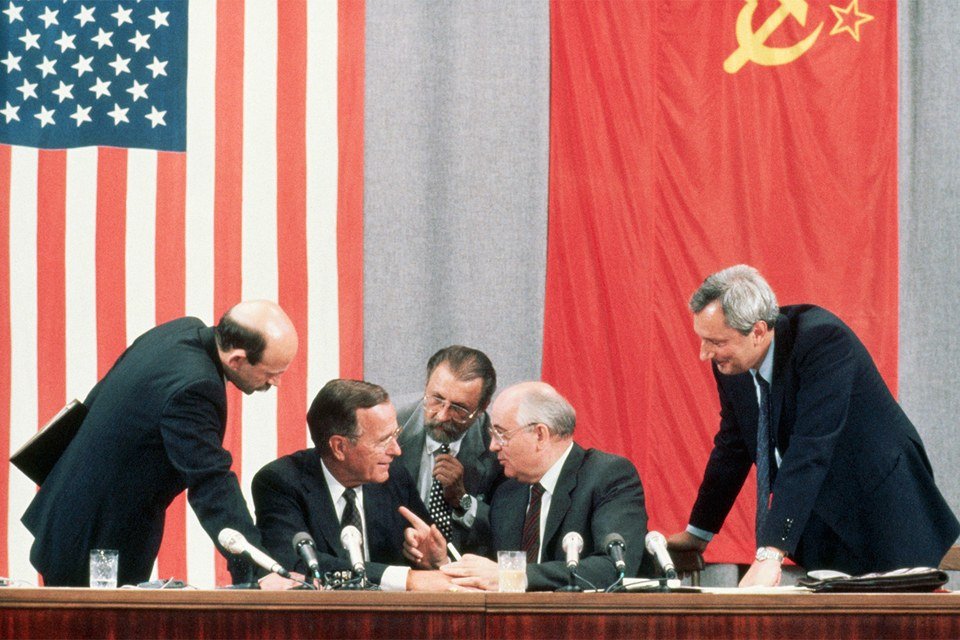
Photo: US President George Bush and Soviet President Mikhail Gorbachev at the Moscow Summit 1991 By Peter Turnley/Corbis/VCG/Getty Images Over the last four month, ten articles about the new Cold War have been published on the TFF Associates blog. And on our social media you’ll find hundreds of brilliant, informative posts written by others. While this new Cold War is certainly different from the first Cold war that ended in 1989, we are not in doubt that there is a new such tragic war and that the risk of military confrontation between Russia and NATO countries in Europe has increased. We also happen to think it could have been avoided. This Cold War has to do with, among many other things, NATO’s counterproductive expansion since 1994, the way Yugoslavia broke down and was broken up, with Ukraine and now Syria as well as – perhaps surprisingly to some – the...
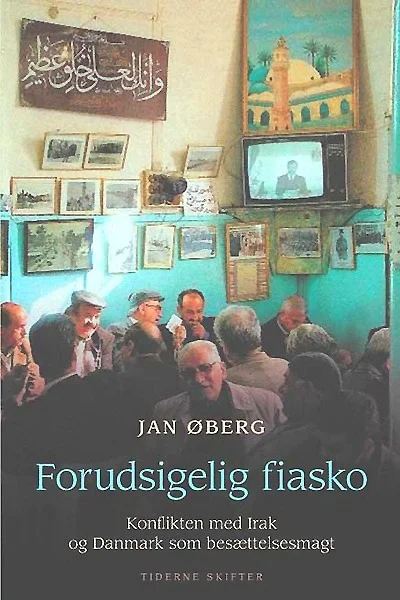
Lidt om bogen Bogens indhold Bestil bogen her Anmeldelser Siden den kolde krigs afslutning har dansk udenrigs- og sikkerhedspolitik bevæget sig langt ind i en politisk og moralsk blindgyde. Men det tjener hverken os eller verden at Danmark er blevet en krigs- og besættelsesmagt, viser den internationalt respekterede danske freds- og fremtidsforsker, Jan Øberg i denne bog. Tværtimod mindsker det vores og andres sikkerhed og bidrager til at øge, snarere end at mindske, terrortruslen. Forudsigelig fiasko – der udkommer 4. juni 2004 – sætter fokus på det irakiske samfund og Vestens måde at betragte og behandle Irak på. Jan Øberg kombinerer konkret konfliktanalyse med et personligt engagement, og underbygger overbevisende og konsekvent det synspunkt, at Vestens mangelfulde konfliktforståelse og ukyndige konflikthåndtering måtte ende med den ulykkelige krig. Det er en krig, som efter forfatterens opfattelse hverken kan fremme ædle motiver – etablere et demokratisk Irak – eller økonomisk-kulturelle interesser, men tværtimod kan blive...
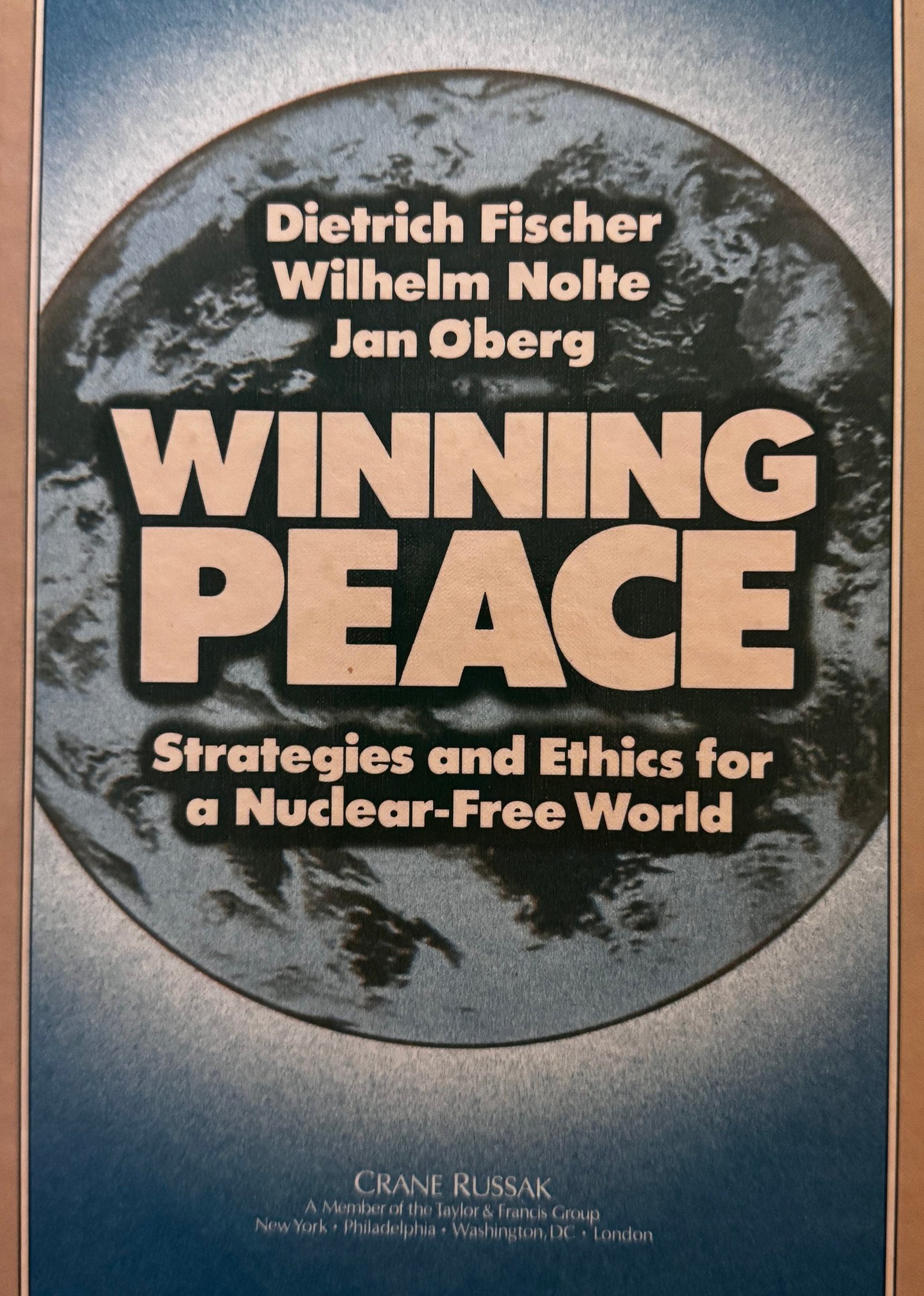
• Published in Bulletin of Peace Proposals 3-1990, pp 287-298 and on TFF’s homepage at the same time 1. Four hypotheses The West has lost a close enemy, the Soviet Union and Eastern Europe. Which reactions can be discerned and what psycho-political emotions are they indicative of? How did the West cope with the first years of this new post-Cold War situation? Can we mourn the death of an enemy, can we heal ourselves after the loss? How does one learn to live a new life without a close enemy? Has the West done what it ought to do for itself and for the former enemy? “The West” of course is a term hanging loose. We employ it in this article as meaning interchangeably “NATO, the Western hemisphere, the United States and Western Europe and a few cases, Western or Occidental culture”. The first hypothesis of this essay is...
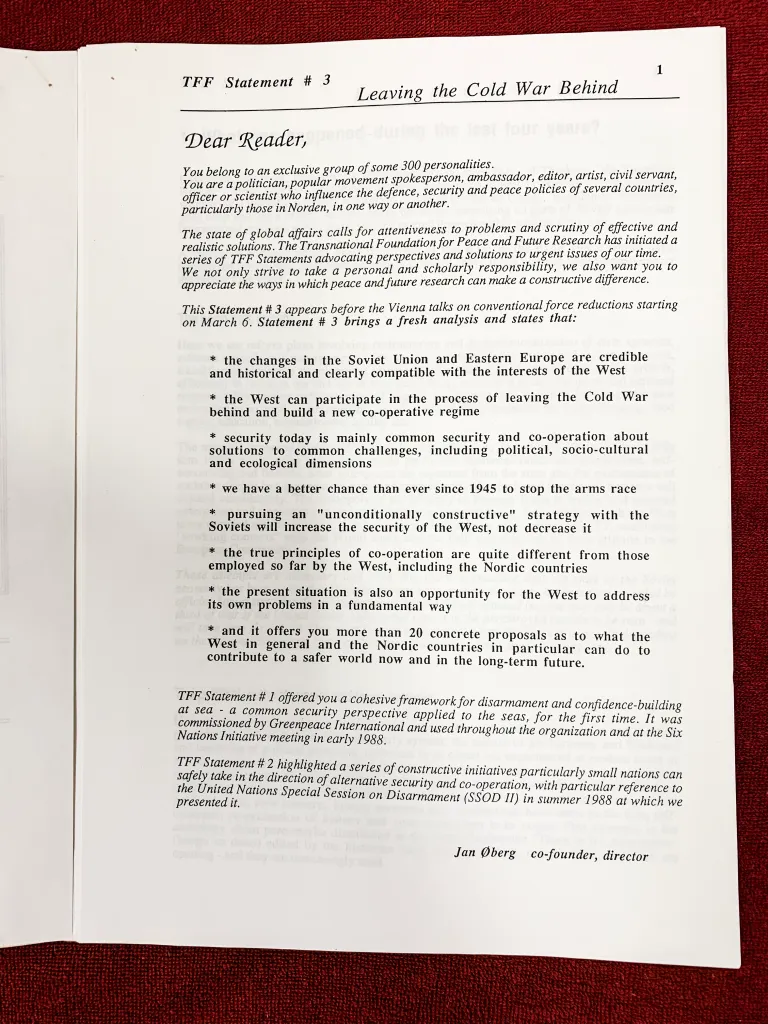
This is the digitalized version of a TFF Statement published by TFF’s Board almost 31 years ago. Could that be of any interest today? First, it reflects the situation and the issues discussed at the time as well as the hopes for a better future – now sadly lost. Secondly, it is one example of how peace researchers were thinking and made constructive political recommendations, available for anyone to take inspiration from – which virtually no one in power did. So, it’s a piece of international political as well as intellectual history. Third, it is an indicator of what the West could – and should – have done to have been in a much better situation than it is today. Admittedly, this is a contra-factual argument, but it can be defended on intellectual grounds although not empirically proven. Fourth, the authors pointed out a series of longterm priorities which match...