
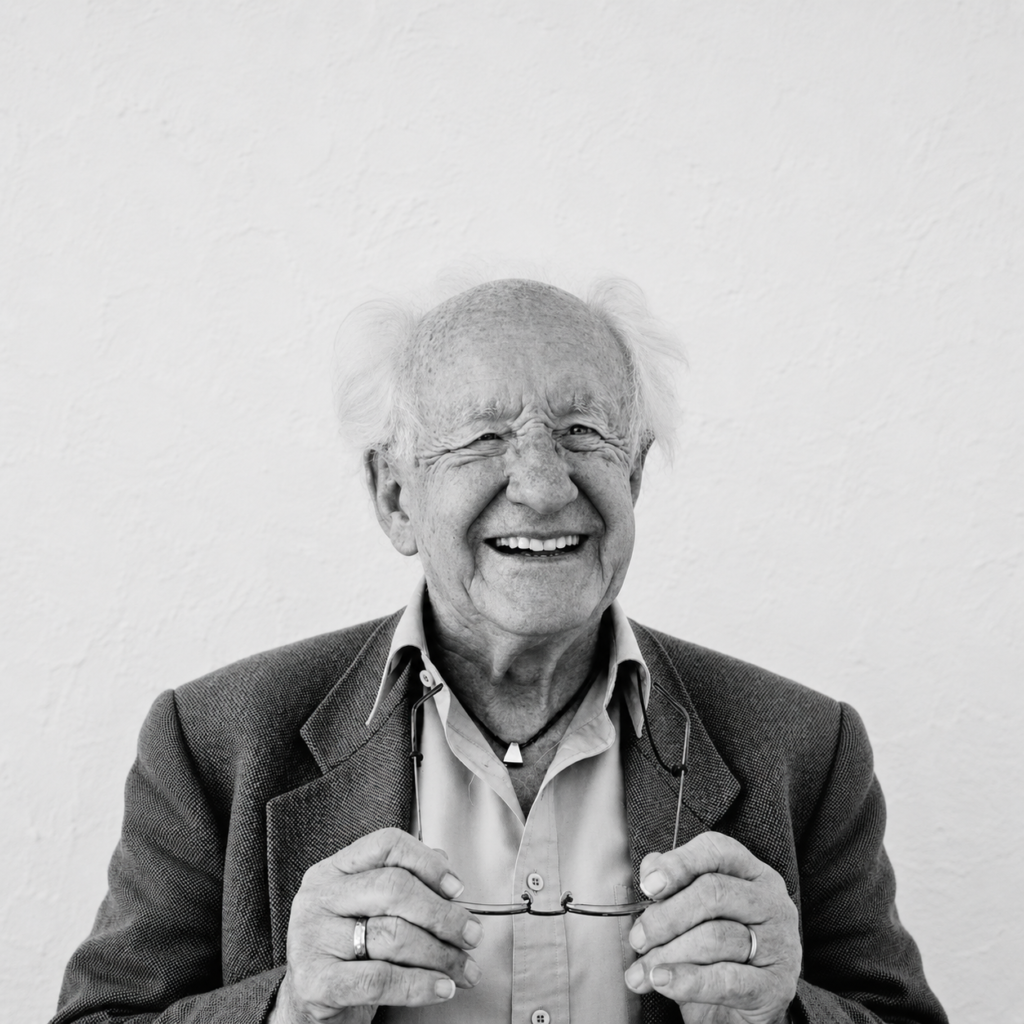
Pope Francis: Spiritual, Liberating Theology

What a gift to humanity, this Pope!

To choose global climate change as a major theme of his papacy is in the spirit of the times. What is revolutionary, and he uses that word often, is the focus on the poor. Climate change–including the long trend global warming over and above some lulls and local variations–has a clear class address, goes beyond making him the spiritual world leader.

The Pope talks about filth covering the earth, and about greed stimulated by corporate capitalism and consumerism as major causes underlying the technicality of CO2 release. The Pope also mentions the freshness of the gospels, including the unambiguous stand of Jesus for the poor in Matt 6:24–God vs Mammon–Matt 13:12–our economic system, and Matt 19:20-24 about giving one’s riches to the poor.

Pope Francis follows in his footsteps. Simply beautiful.

But there is more to it: a general theological discourse from the same continent as this non-Italian Pope: Liberation Theology. Gustavo Gutiérrez, Leonardo Boff, Miguel d’Escoto–Peruvian, Brazilian, Nicaraguan, from the major parts of the Latin Americas–now in their 80s have been rehabilitated. D’Escoto was foreign minister of the Sandinista government and one-year president of the UN General Assembly.

However, the rehabilitation has moved on, into the Caribbean, to the Latin American country that made world history, Cuba, and to the two Castros. President Raul Castro called on the Pope after he had been to Moscow to celebrate the 70th anniversary of the defeat of Nazism and found “Pope Francis so impressive I might return to the church (“I always studied at Jesuit schools”), pointing out that the Communist Party now permitted believers among its members.

Pope Francis was instrumental in brokering the opening of diplomatic relations and was thanked publicly by Raul Castro: “I am very impressed by his wisdom, his modesty, and all his virtue”.

Liberation Theology was stigmatized by anti-Communist Polish Pope St John Paul II and by his successor, guardian of the faith Cardinal Joseph Ratzinger, later Pope Benedict XVI. He had been professor at the University of Tübingen where a very strong and Marxist student revolt against the invasion of US colored his academic pursuits. He continued that struggle as cardinal and pope, saw Marxism where others saw exactly the freshness of the gospels.

In 2009 Ratzinger declared that Liberation Theology had led to rebellion, division, dissent, offense and anarchy. There was something to it; there was violence in its name. An argument that impressed this non-believer was that the focus on class made it difficult for all to be together in the same church. Well, so did the focus on race; can be overcome.

Pope Francis now revives Liberation Theology his way, including through the focus on the poor in the climate Encyclical.

We in peace studies, believers or not, can feel at home in the Liberation Theology now evolving. Let us recall some major points.

Positive peace is based on equity and empathy. What Pope Francis does everywhere is to restore to dignity people and countries that have been marginalized, not above others, but as their equals. Thus, the Vatican has recognized multi-faith Palestine, not above Israel, but as its equal.

To do so he understands the marginalized from the inside as they understand themselves; not blind to their shortcomings but seeing them as generally being on line with God’s creation of human beings as equals under God.

To be a good Christian is like working for peace: it is not a question of reciting dogmas but of consciousness about what is required, and then working for its realization. Salvation, like peace and health, do not come by itself; hard work/good deeds are needed. Faith is not enough–the Pope is for Catholicism, not Protestantism –and is universal, not for one’s own flock only, like Judaism.

There may be some kind of equality of opportunity idea at work.

Economically this means that misery and abject inequality are a scandal against God’s creation. He created us equal, what right do we have to sink millions into the sufferings described in the Sermon on the Mount? Our task is to follow Jesus in setting it right.

Nevertheless, what if inequality and misery are deeply embedded in structures highly resistant to change? Jesus had miracle at his disposal; we ordinary humans do not have that. Consequently, those structures are against God’s creation of a humanity equal under God. Consequently, structures of misery are a scandal.

This key word in Liberation Theology sent shock waves through the church – no stranger to inequity, benefiting from it – an old theme in the history of religions. Institutions transport value upward; a reason that some insist on monastic life, spiritual, not material.

Pope Francis expands this to political inequality in the cases mentioned and not only to protect his own flock but also for atheist Cubans and Muslim and secular Palestinians. Revolution, yes, but nonviolent–like peace studies insist on revolutionary change toward more equitable structures without direct violence, nonviolently.

Liberation Theology can argue that for God’s light to inspire, it has to shine equally on us all, not leaving vast groups of humanity in economic and political shadows struggling for sheer survival against exploitation and repression. Peace studies argue that, for traumas to be reconciled and conflicts to be solved, the parties cannot be too unequal.

Inequality, particularly when built into structures as inequity, will color the outcome. Those on top economically and/or politically are already higher on Jacob’s ladder to salvation; those at the bottom are lost in the struggles in this life. Moreover, the same for peace: agreements will tend to tilt in favor of the top.

Thank you, Pope Francis, for your focus – structural violence.

Originally published at Transcend Media Service here.
Share

Leave a Reply

Your email address will not be published. Required fields are marked *

Related Posts

A donors’ conference, co-sponsered by the Burundian government, the Belgian government and UNDP will be held in Brussels January 12-13, 2004. This PressInfo offers a perspective on its urgency. See also TFF’s new Burundi Forum. Imagine for a moment that politics is about goodness and generosity. Where could a few million dollars of government aid and a few civil society organisations – guaranteed – win the hearts of extremely poor millions who want peace and already work hard to achieve it after 10 years of war and genocide? The answer is Burundi, the heart-shaped country in the heart of Africa. Burundi makes a good story from Africa. But what does the world know about Burundi, its problems and struggles? Burundi’s tough reality Here are the basic facts. Burundi’s population is about 7 million and it is number 171 out of the 175 countries on the UNDP’s human development index. Their life...
Peace is promoted by constructive proposals and dialogue Four preceding PressInfos have expressed concern over — and criticised — the ongoing, militarisation of the EU. Some will say: but there are no alternatives. We believe that there are always alternatives, that democracies are characterised by alternatives and choice, and that openly discussed alternatives will improve the quality and legitimacy of society’s decision–making. In addition, it is an intellectual and moral challenge to not only criticise but also be constructive. If we only tell people that we think they are wrong, they are not likely to listen. However, if we say: what are your views on this set of ideas and steps? — we may sometimes engage them in dialogue and sow a seed. Most people in power circles live their daily lives in in a time frame and a social space where certain ideas, viewpoints and concepts are just not...
Photos © TFF 2000 Read PressInfo 90 “Lift the Sanctions and Bring More Aid to Yugoslavia” See Pictures from Belgrade © TFF 2000 Please reprint, copy, archive, quote or re-post this item, but please retain the source.

Recent Articles

In contrast to most, we’ll bring alternatives, solutions, hope and strategies for a better future. Times are dangerous, yes, but that only intensifies the need for constructive thinking and action! Jan Oberg, TFF director April 13, 2026 The new TFF Peace Pulse uses video messages in a new way: Max 3-5-minute-long comments, ideas or perhaps mini-lectures, all about peace – positive peace. We launch them today on April 13, 2026 with a carefully crafted visual aesthetic fitting the content. We hope to publish them regularly from now on. We launch Peace Pulse (PP) – for a number of reasons. The world is in chaos, and there are countless reasons to feel concerned, frustrated, even angry. The atmosphere is saturated with doom and gloom, with negative energy and rear‑mirror thinking, while vision, imagination, alternatives, strategies and genuine future‑mindedness remain in short supply. And without them, we simply can’t save the world. Looking at problems from a hundred angles will...
PART II — Publishing Peace in a System That Prioritises Militarism Jan Oberg, TFF director April 10, 2026 How TFF Maintains a Daily Voice in a Digital World Built for Noise This article is part of the series “TFF at 40″ and it invites you to learn about Four Decades of Publishing Peace. It takes a look at how a small, people‑financed peace foundation has communicated across four generations of technology — from wax stencils and fax machines to mass email and Substack — and why TFF continues to publish every single day in a system that rewards noise, conflict, and militarism. ◆ What it means to publish peace every single day in a digital system built for 24/7 news and other noise, confrontation, and militarism. How TFF’s independence, continuity, and global readership defy algorithms, donor cycles, and Western media censorhip — and why the Majority World keeps listening. When the...
Jan Oberg, TFF director April 10, 2026 How TFF Sent Peace Into the World Before the Internet Existed This article is part of the series “TFF at 40″ and it invites you to learn about Four Decades of Publishing Peace. It takes a look at how a small, people‑financed peace foundation has communicated across four generations of technology — from wax stencils and fax machines to mass email and Substack — and why TFF continues to publish every single day in a system that rewards noise, conflict, and militarism. ◆ Follow me on a journey through forty years of peace publishing — from wax stencils and hand‑cranked duplicators to the fax machine that never slept, and finally to the global reach of online publishing. This is the story of how TFF carried ideas across borders long before the internet made it easy, and why we chose independence over academic profit-making and...

TFF on Substack

Discover more from TFF Transnational Foundation & Jan Oberg.

Most Popular

In contrast to most, we’ll bring alternatives, solutions, hope and strategies for a better future. Times are dangerous, yes, but that only intensifies the need for constructive thinking and action! Jan Oberg, TFF director April 13, 2026 The new TFF Peace Pulse uses video messages in a new way: Max 3-5-minute-long comments, ideas or perhaps mini-lectures, all about peace – positive peace. We launch them today on April 13, 2026 with a carefully crafted visual aesthetic fitting the content. We hope to publish them regularly from now on. We launch Peace Pulse (PP) – for a number of reasons. The world is in chaos, and there are countless reasons to feel concerned, frustrated, even angry. The atmosphere is saturated with doom and gloom, with negative energy and rear‑mirror thinking, while vision, imagination, alternatives, strategies and genuine future‑mindedness remain in short supply. And without them, we simply can’t save the world. Looking at problems from a hundred angles will...
PART II — Publishing Peace in a System That Prioritises Militarism Jan Oberg, TFF director April 10, 2026 How TFF Maintains a Daily Voice in a Digital World Built for Noise This article is part of the series “TFF at 40″ and it invites you to learn about Four Decades of Publishing Peace. It takes a look at how a small, people‑financed peace foundation has communicated across four generations of technology — from wax stencils and fax machines to mass email and Substack — and why TFF continues to publish every single day in a system that rewards noise, conflict, and militarism. ◆ What it means to publish peace every single day in a digital system built for 24/7 news and other noise, confrontation, and militarism. How TFF’s independence, continuity, and global readership defy algorithms, donor cycles, and Western media censorhip — and why the Majority World keeps listening. When the...
Jan Oberg, TFF director April 10, 2026 How TFF Sent Peace Into the World Before the Internet Existed This article is part of the series “TFF at 40″ and it invites you to learn about Four Decades of Publishing Peace. It takes a look at how a small, people‑financed peace foundation has communicated across four generations of technology — from wax stencils and fax machines to mass email and Substack — and why TFF continues to publish every single day in a system that rewards noise, conflict, and militarism. ◆ Follow me on a journey through forty years of peace publishing — from wax stencils and hand‑cranked duplicators to the fax machine that never slept, and finally to the global reach of online publishing. This is the story of how TFF carried ideas across borders long before the internet made it easy, and why we chose independence over academic profit-making and...
Read More
Screenshot-2026-04-13-154551
In contrast to most, we’ll bring alternatives, solutions, hope and strategies for a better future. Times are dangerous, yes, but that only intensifies the need for constructive thinking and action! Jan Oberg, TFF director April 13, 2026 The new TFF Peace Pulse uses video messages in a new way: Max 3-5-minute-long comments, ideas or perhaps mini-lectures, all about peace – positive peace. We launch them today on April 13, 2026 with a carefully crafted visual aesthetic fitting the content. We hope to publish them regularly from now on. We launch Peace Pulse (PP) – for a number of reasons. The world is in chaos, and there are countless reasons to feel concerned, frustrated, even angry. The atmosphere is saturated with doom and gloom, with negative energy and rear‑mirror thinking, while vision, imagination, alternatives, strategies and genuine future‑mindedness remain in short supply. And without them, we simply can’t save the world. Looking at problems from a hundred angles will...
IMG_5165 (1)
PART II — Publishing Peace in a System That Prioritises Militarism Jan Oberg, TFF director April 10, 2026 How TFF Maintains a Daily Voice in a Digital World Built for Noise This article is part of the series “TFF at 40″ and it invites you to learn about Four Decades of Publishing Peace. It takes a look at how a small, people‑financed peace foundation has communicated across four generations of technology — from wax stencils and fax machines to mass email and Substack — and why TFF continues to publish every single day in a system that rewards noise, conflict, and militarism. ◆ What it means to publish peace every single day in a digital system built for 24/7 news and other noise, confrontation, and militarism. How TFF’s independence, continuity, and global readership defy algorithms, donor cycles, and Western media censorhip — and why the Majority World keeps listening. When the...
IMG_5165 (1)
Jan Oberg, TFF director April 10, 2026 How TFF Sent Peace Into the World Before the Internet Existed This article is part of the series “TFF at 40″ and it invites you to learn about Four Decades of Publishing Peace. It takes a look at how a small, people‑financed peace foundation has communicated across four generations of technology — from wax stencils and fax machines to mass email and Substack — and why TFF continues to publish every single day in a system that rewards noise, conflict, and militarism. ◆ Follow me on a journey through forty years of peace publishing — from wax stencils and hand‑cranked duplicators to the fax machine that never slept, and finally to the global reach of online publishing. This is the story of how TFF carried ideas across borders long before the internet made it easy, and why we chose independence over academic profit-making and...
Imagen-thumbnail-The-Transnational-1
A donors’ conference, co-sponsered by the Burundian government, the Belgian government and UNDP will be held in Brussels January 12-13, 2004. This PressInfo offers a perspective on its urgency. See also TFF’s new Burundi Forum. Imagine for a moment that politics is about goodness and generosity. Where could a few million dollars of government aid and a few civil society organisations – guaranteed – win the hearts of extremely poor millions who want peace and already work hard to achieve it after 10 years of war and genocide? The answer is Burundi, the heart-shaped country in the heart of Africa. Burundi makes a good story from Africa. But what does the world know about Burundi, its problems and struggles? Burundi’s tough reality Here are the basic facts. Burundi’s population is about 7 million and it is number 171 out of the 175 countries on the UNDP’s human development index. Their life...
Jan Oberg February 19, 2026 What a thrill to be interviewed by former British diplomat Ian Proud! Don’t waste a minute: acquaint yourself with him here on his homepage, which he elegantly calls “Proud Diplomat.” Notice also his book, A Misfit In Moscow. Ian is, of course, also on Substack, where he calls himself The Peace Monger, and recently he set up his own PeaceMonger Channel on YouTube. For once, I was not interviewed as if I were a military geopolitical expert, where I normally have to twist the whole thing in the direction of peace. No, we both had a focus on peace – why it has been disappeared by research, politics and the media, but also what can be done to shape a more peaceful future for us all. One idea we came up with was that of connecting people through citizens diplomacy – in an era where more or less authoritarian leaders meet frequently and confirm each other as members...
Arctic_North_Pole_Map
This is not another geopolitical commentary on the Arctic. It is a visionary peace proposal that can save the region from militarised rivalry and ecological ruin. A blueprint for shared security, sustainable development, and human dignity — benefitting Greenland, the Arctic, and the rest of us. Jan Oberg TFF director Lund, Sweden, February 17, 2026 I. Four Principles for a New Arctic Vision The Arctic is often framed as a cold arena of rivalry — a place where great powers test each other’s resolve. But this worldview is outdated, unimaginative, and ultimately self‑defeating. The Arctic is not a vacuum waiting to be militarised; it is a living region, a climate stabiliser, and a cultural homeland whose future will shape the future of humanity. If we begin from that understanding, a far more rational Arctic order becomes possible — one that is peaceful, cooperative, and centred on the people who actually live there. This vision rests...


