In August I went to South Korea, since I had been invited to participate in a conference on peace education by APCEIU and IIPE & the Korean National Commission for Unesco. I had been there in 1991 with Christina, my wife, and Matilda, our daughter who had been adopted as an abandoned child in South Korea and came to Sweden in 1976.
During two free days – and occasionally sneaking out of the conference – I tried to breathe in the atmosphere in this dynamic and beautiful society whose history tells you about centuries of occupation and decades of division. I was very grateful to be given this chance to learn about South Korea and about this conflict – one of the world’s most locked and hard. To me, the wish for re-unification was as obvious as was the brutality and absurdity of the De-Militarised Zone, DMZ, i.e. the border area between the two Koreas.
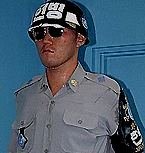
Most of the them are merely tourist pictures, snapshots. I found the DMZ, including its touristic character, both absurd and surreal. It’s a sad monument to the human folly and violence of an international ‘community’ that has not long ago decided to help the Koreans, all of them, live together.
Seoul
- Independence Park
- Downtown Seoul
- Insa Jong quarter
- Seoul subway
- Seoul meditations
- Seoul surfaces
- Seoul people
- Palace impressions
Seoul Arts Center
- Seoul Arts Center Musical Fountain with kids
- Musical Fountain Water Drops
- Musical Fountain Lady – transformed
The De-Militarised Zone, DMZ
- The DMZ at Panmunjom
- The Joint Security Area, JSA
- A border with a body language
- The meeting room at the border
- Peeping into North Korea