
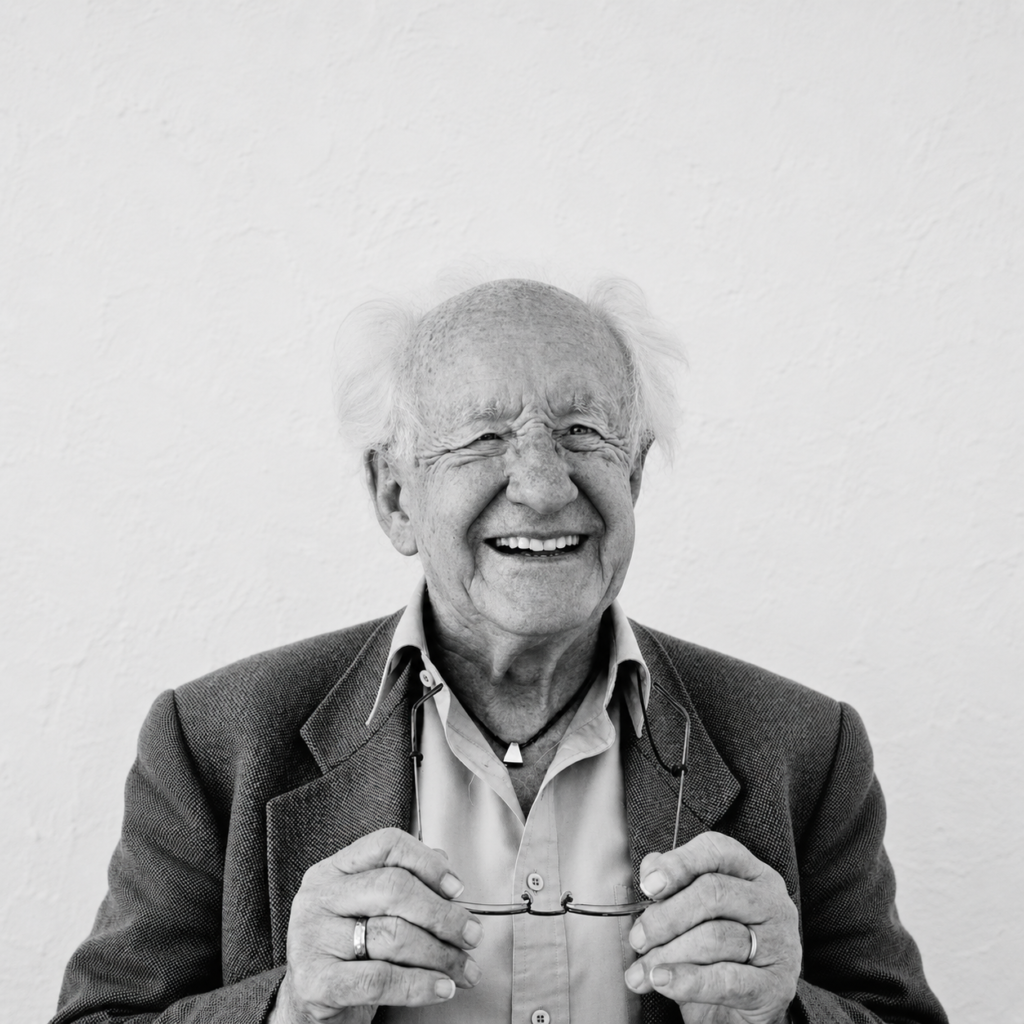
Good, innovative governance - what is that?

B

Pretoria, South Africa, Keynote

Governance is politics, power–political-economic-military-cultural; decisions-carrots-sticks-ideas. Politics is about problems of realizing one goal; about conflicts realizing incompatible goals. Contradiction = danger+opportunity; the art of the impossible.

Answer: Good Governance GG = CC Creative Conflict-transformation.

This includes diagnosis, who are the parties, their goals and the incompatibilities; prognosis, from frustration to aggression/apathy, from prejudice-discrimination to hatred-violence; therapy, conflict solution-transformation, proposing creative visions of a new reality where the goals are compatible and new conflicts more easily handled.

Two examples of creative, good governance from Norway and Europe:

The Norwegian Labor Party, in a steeply class-divided state, deeply impressed by the 1917 Revolution, became a member of the Communist International. Lifting the bottom out of misery by active state intervention and planning was the goal; no chance as a communist party in Christian-Capitalist-Democratic Norway.

They exited from the International, made an alliance with small farmers and fishermen and created a new reality where abolition of misery was compatible with democracy. That new reality had names: socialism, social democracy, welfare state. The German origins were sidetracked by the national socialism, nazism; but later reemerged as social capitalism.

The other Nordic countries were on the same track, making small countries in the high North shine like lighthouses for others. Today, however, the majorities favor less distribution and state, more growth and privatization. A contradiction transcended; new emerge. History.

Today China combines the best of marxism-communism, the focus on basic needs of the most needy, with the best of liberalism-capitalism, the innovative, entrepreneurial spirit. Lifting the bottom up indeed, maybe 400 million from 1991 to 2004, for participation in a blossoming market.

They call it Capi-Communism, both-and, playing on the best of both. The arrogant West protects its ignorance by dismissing China as authoritarian, knowing nothing about 2,500-year petition democracy, or seeing massive discontent as loss of the “mandate of heaven”.

Meanwhile China benefits from its daoist comparative advantage, an epistemology based on holism-dialectics, not on dualism-manicheism.

The second example: the conflict between punishing Germany and building a new Europe after World War II.

The Monnet-Schuman formula had a touch of genius: “Germany has been so atrocious that it must be a member of the European family”. Europe, ridden by two world wars in one generation, needed cohesion; Germany was indispensable, reborn on equal terms. The formula, ridiculed and suspected, gained acceptance and became commanding: Do me!! – starting in 1950 with France and Germany; in 1958 there was a 6-member European Economic Community, now 28, with big contradictions between creditor Germany and many others as debtors. History again, more is coming, in search of much creativity.

A simple formula for creative conflict transformation: mapping-legitimation-bridging, by way of dialogue, mutual search, questioning, mediators with all parties, 1-on-1, one at a time. Ask what the marriage, school, work place, Afghanistan, Middle East looks like where they would live. Ask how they justify their goals, test the answers for legitimacy according to law, human rights and basic needs; of humans, for survival, wellness, freedom (options), identity (meaningful life) and of nature, for diversity and symbiosis. Two sacred non-negotiable pillars on which good governance can grow.

Third: creatively bridging, transcending, legitimate goals, building an acceptable relation based on the positive, good in all. Social scientists are often too positivistic, true vs false, to be creative; lawyers too moralistic, right vs wrong. Go for architects, engineers, good businessmen-politicians, multi-tasking women, artists.

We are today working at five levels of governance: municipal, provincial, state, regional, global; too territorial but necessary.

Add the subsidiarity principle: solving problems and conflicts at the lowest level possible and add democracy-parliamentarism. But how?

Not the Westminster formula of single person constituency-debate-vote-the winner takes all: a conspiracy against creativity:

• the constituency is not an organic community holon with dialectics, but an artificial entity, prone to gerrymandering;
• the debate is between frozen party positions, not a dialogue of mutual search for new bridging ideas, possibly leading to consensus;
• the vote cuts that process short, sacrificing ideas to arithmetics;
• the winner has already a position, a bridge-head, not a bridge;
• the opposition, when in position, will destroy that bridge-head in favor of its own, and vice versa, leading to a pendular stand-still.

Rather the Swiss formula based on 2,300 local municipalities and direct democracy, on coalition governments with built-in dialectics, responsible to the people in referenda. These are key dimensions.

Back to the four types of power.

There have to be decisions, but not based on carrots and sticks, bribes and threats, money and bombs. Those with much of that are in no need of creative, bridging ideas.

NGOs (Non Governmental Organizations) have only idea power, and have to be based on creativity.

TNCs (Trans National Corporations) have money power, invest it creatively on the market, reap growth and inequality, insult human and nature needs. Cooperatives with direct sales rather than corporations with endless chains and links charging commissions. Boycott TNCs with the worst CEO-worker salary ratio, divest, sanction; levy taxes on financial transactions.

I am just back from Mexico on violence reduction by 50 creative means; before that, creative solutions to island conflicts in the China seas; before that, 150 others, some quite successful: creativity works. But it is hard work, and may take time.

Welcome to TRANSCEND!

Originally published here.
Share

Leave a Reply

Your email address will not be published. Required fields are marked *

Related Posts

Peace is promoted by constructive proposals and dialogue Four preceding PressInfos have expressed concern over — and criticised — the ongoing, militarisation of the EU. Some will say: but there are no alternatives. We believe that there are always alternatives, that democracies are characterised by alternatives and choice, and that openly discussed alternatives will improve the quality and legitimacy of society’s decision–making. In addition, it is an intellectual and moral challenge to not only criticise but also be constructive. If we only tell people that we think they are wrong, they are not likely to listen. However, if we say: what are your views on this set of ideas and steps? — we may sometimes engage them in dialogue and sow a seed. Most people in power circles live their daily lives in in a time frame and a social space where certain ideas, viewpoints and concepts are just not...
Photos © TFF 2000 Read PressInfo 90 “Lift the Sanctions and Bring More Aid to Yugoslavia” See Pictures from Belgrade © TFF 2000 Please reprint, copy, archive, quote or re-post this item, but please retain the source.
Av FRANK SØHOLM GREVIL 16 augusti 2004  Vi er nu nået til tredje akt i det absurde teaterstykke, der i analogi med de store skueprocesser i Moskva 1936-38 er blevet døbt ‘Grevil-sagen’. Første akt bestod i min anonyme fremlæggelse af egenhændigt nedklassificerede rapporter i Berlingske Tidende i februar og marts. Andet akt udgjordes af min fremtræden med navn og billede i Information i april samt den efterfølgende mediestorm, som uden min direkte medvirken kostede en forsvarsminister taburetten samt en sigtelse for brud på tavshedspligten. Tredje akt bliver en retssag, hvor jeg står tiltalt for at have overtrådt straffelovens bestemmelser om uberettiget videregivelse eller udnyttelse af fortrolige oplysninger. Statsanklageren har ovenikøbet valgt at påberåbe sig særligt skærpende omstændigheder. Da jeg aldrig har modtaget betaling for at stille rapporterne til rådighed eller lade mig interviewe, må det skærpende bestå i, at “videregivelsen eller udnyttelsen er sket under sådanne omstændigheder, at det påfører...

Recent Articles

PressInfo # 141, December 21, 2001It’s time to prepare reconciliation between Albanians and Serbs PressInfo # 140, December 14, 2001Ibrahim Rugova’s decade-long leadership in Kosovo/a PressInfo # 139, 11. december, 2001En god nyhet: Jugoslaviens Sannings- och försoningskommission PressInfo # 139, 11. december, 2001Gode nyheder: Jugoslaviens Sandheds- og Forsoningskommission PressInfo # 139, December 11, 2001Good news: Yugoslavia’s Truth and Reconciliation Commission PressInfo # 138, November 8, 2001TFF co-founder PhD with thesis about young people with roots in other cultures PressInfo # 138, November 8, 2001TFF:s medstiftare doktor på avhandling om unga med ursprung i andra kulturer PressInfo # 137, October 17, 2001A new Marshall Plan: Advancing human security and controlling terrorism PressInfo # 136, October 15, 2001The UN and Annan really deserve it PressInfo # 135, October 10, 2001Preventing a terrorist mushroom cloud PressInfo # 134, 17 oktober, 2001Sverige og 11. september PressInfo # 134, October 9, 2001Sweden and September 11...
Peace is promoted by constructive proposals and dialogue Four preceding PressInfos have expressed concern over — and criticised — the ongoing, militarisation of the EU. Some will say: but there are no alternatives. We believe that there are always alternatives, that democracies are characterised by alternatives and choice, and that openly discussed alternatives will improve the quality and legitimacy of society’s decision–making. In addition, it is an intellectual and moral challenge to not only criticise but also be constructive. If we only tell people that we think they are wrong, they are not likely to listen. However, if we say: what are your views on this set of ideas and steps? — we may sometimes engage them in dialogue and sow a seed. Most people in power circles live their daily lives in in a time frame and a social space where certain ideas, viewpoints and concepts are just not...
Photos © TFF 2000 Read PressInfo 90 “Lift the Sanctions and Bring More Aid to Yugoslavia” See Pictures from Belgrade © TFF 2000 Please reprint, copy, archive, quote or re-post this item, but please retain the source.

TFF on Substack

Discover more from TFF Transnational Foundation & Jan Oberg.

Most Popular

PressInfo # 141, December 21, 2001It’s time to prepare reconciliation between Albanians and Serbs PressInfo # 140, December 14, 2001Ibrahim Rugova’s decade-long leadership in Kosovo/a PressInfo # 139, 11. december, 2001En god nyhet: Jugoslaviens Sannings- och försoningskommission PressInfo # 139, 11. december, 2001Gode nyheder: Jugoslaviens Sandheds- og Forsoningskommission PressInfo # 139, December 11, 2001Good news: Yugoslavia’s Truth and Reconciliation Commission PressInfo # 138, November 8, 2001TFF co-founder PhD with thesis about young people with roots in other cultures PressInfo # 138, November 8, 2001TFF:s medstiftare doktor på avhandling om unga med ursprung i andra kulturer PressInfo # 137, October 17, 2001A new Marshall Plan: Advancing human security and controlling terrorism PressInfo # 136, October 15, 2001The UN and Annan really deserve it PressInfo # 135, October 10, 2001Preventing a terrorist mushroom cloud PressInfo # 134, 17 oktober, 2001Sverige og 11. september PressInfo # 134, October 9, 2001Sweden and September 11...
Peace is promoted by constructive proposals and dialogue Four preceding PressInfos have expressed concern over — and criticised — the ongoing, militarisation of the EU. Some will say: but there are no alternatives. We believe that there are always alternatives, that democracies are characterised by alternatives and choice, and that openly discussed alternatives will improve the quality and legitimacy of society’s decision–making. In addition, it is an intellectual and moral challenge to not only criticise but also be constructive. If we only tell people that we think they are wrong, they are not likely to listen. However, if we say: what are your views on this set of ideas and steps? — we may sometimes engage them in dialogue and sow a seed. Most people in power circles live their daily lives in in a time frame and a social space where certain ideas, viewpoints and concepts are just not...
Photos © TFF 2000 Read PressInfo 90 “Lift the Sanctions and Bring More Aid to Yugoslavia” See Pictures from Belgrade © TFF 2000 Please reprint, copy, archive, quote or re-post this item, but please retain the source.
Read More
Imagen-thumbnail-The-Transnational-1
PressInfo # 141, December 21, 2001It’s time to prepare reconciliation between Albanians and Serbs PressInfo # 140, December 14, 2001Ibrahim Rugova’s decade-long leadership in Kosovo/a PressInfo # 139, 11. december, 2001En god nyhet: Jugoslaviens Sannings- och försoningskommission PressInfo # 139, 11. december, 2001Gode nyheder: Jugoslaviens Sandheds- og Forsoningskommission PressInfo # 139, December 11, 2001Good news: Yugoslavia’s Truth and Reconciliation Commission PressInfo # 138, November 8, 2001TFF co-founder PhD with thesis about young people with roots in other cultures PressInfo # 138, November 8, 2001TFF:s medstiftare doktor på avhandling om unga med ursprung i andra kulturer PressInfo # 137, October 17, 2001A new Marshall Plan: Advancing human security and controlling terrorism PressInfo # 136, October 15, 2001The UN and Annan really deserve it PressInfo # 135, October 10, 2001Preventing a terrorist mushroom cloud PressInfo # 134, 17 oktober, 2001Sverige og 11. september PressInfo # 134, October 9, 2001Sweden and September 11...
Imagen-thumbnail-The-Transnational-1
Peace is promoted by constructive proposals and dialogue Four preceding PressInfos have expressed concern over — and criticised — the ongoing, militarisation of the EU. Some will say: but there are no alternatives. We believe that there are always alternatives, that democracies are characterised by alternatives and choice, and that openly discussed alternatives will improve the quality and legitimacy of society’s decision–making. In addition, it is an intellectual and moral challenge to not only criticise but also be constructive. If we only tell people that we think they are wrong, they are not likely to listen. However, if we say: what are your views on this set of ideas and steps? — we may sometimes engage them in dialogue and sow a seed. Most people in power circles live their daily lives in in a time frame and a social space where certain ideas, viewpoints and concepts are just not...
Imagen-thumbnail-The-Transnational-1
Photos © TFF 2000 Read PressInfo 90 “Lift the Sanctions and Bring More Aid to Yugoslavia” See Pictures from Belgrade © TFF 2000 Please reprint, copy, archive, quote or re-post this item, but please retain the source.
Imagen-thumbnail-The-Transnational-1
Av FRANK SØHOLM GREVIL 16 augusti 2004  Vi er nu nået til tredje akt i det absurde teaterstykke, der i analogi med de store skueprocesser i Moskva 1936-38 er blevet døbt ‘Grevil-sagen’. Første akt bestod i min anonyme fremlæggelse af egenhændigt nedklassificerede rapporter i Berlingske Tidende i februar og marts. Andet akt udgjordes af min fremtræden med navn og billede i Information i april samt den efterfølgende mediestorm, som uden min direkte medvirken kostede en forsvarsminister taburetten samt en sigtelse for brud på tavshedspligten. Tredje akt bliver en retssag, hvor jeg står tiltalt for at have overtrådt straffelovens bestemmelser om uberettiget videregivelse eller udnyttelse af fortrolige oplysninger. Statsanklageren har ovenikøbet valgt at påberåbe sig særligt skærpende omstændigheder. Da jeg aldrig har modtaget betaling for at stille rapporterne til rådighed eller lade mig interviewe, må det skærpende bestå i, at “videregivelsen eller udnyttelsen er sket under sådanne omstændigheder, at det påfører...
Imagen-thumbnail-The-Transnational-1
Af Svenska Irakkommittén mot de Ekonomiska Sanktionerna (SIES) 13 september 2002 FN:s ekonomiska sanktioner mot Irak har nu pågått i tolv år och drabbat det irakiska folket med svåra lidanden. Enligt FN:s egna siffror har mer än 1,5 miljoner människor, varav ca 600 000 barn, dött som en direkt följd av sanktionerna. Dessutom har ett lågintensivt bombkrig mot landet pågått under dessa år. Av all denna förödelse- orsakad huvudsakligen av amerikansk och brittisk politik- har Saddam Husseins brutala och diktatoriska regim snarast stärkts än försvagats. Nu förbereder USA under president Bushs ledning ett storskaligt bombkrig mot Irak som kommer att innebära ett ännu större lidande för civilbefolkningen. Ett sådant krig kommer dessutom att ytterligare undergräva freden och säkerheten i världen. Att upprätta en demokratisk regim i Irak är det irakiska folkets angelägenhet och får enligt folkrätten inte ske med krigshandlingar utifrån. Folkrätten och FN:s stadgar måste respekteras. Vi vädjar till...


