
What Dani Dayan says and why it is interesting

[Note: I have revised the first paragraph of this post to take some note of comments addressed to the original version, and in light of my own further thoughts]

Dani Dayan’s article, “Israel’s Settlers Are Here to Stay,” was published by the NY Times on July 26, 2012. Dayan is the chairman of the Yesha Council of Jewish Communities, and has been long known as a leading spokesperson of the settler movement.

An obvious response to such a settler screed might be to dismiss it out of hand as an extremist expression of Israeli views, which it certainly is, but it would seem a mistake to do this before taking some account of its content and timing. The moral and legal premises that underlie Dayan’s insistence that the settlers will never leave the West Bank are without substance, but the political arguments he puts forward are so strong as to be virtually irrefutable.

It may also be worthwhile to speculate as to why Dayan decided to drop this bombshell into the midst of the American electoral maelstrom as a kind of trial baloon at this time and why the NY Times, so normally careful about such matters, opened up its opinion page to views so at odd with mainstream thinking that has prevailed for decades about how to resolve the conflict. How Netanyahu stands on these issues is a bit of a mystery. Although he has backed the creation of a Palestinian state in recent years, he has also generally supported the settler movement and has not yet repudiated the recent Levy Report that reached conclusions that I would imagine that Dayan welcomes.

Dayan’s first premise contends that the settler movement is entitled to the territory obtained in 1967 because it was the Palestinians who at the time were threatening Israel with the prospect of annihilation and it was Israel that acted in self-defense whereby it came into the possession of the West Bank and the whole of Jerusalem.

This is a position lacking traction among almost all international law specialists, increasingly contested by diplomatic historians as to the actual sequence of events in 1967, and politically rejected shortly after the fact by the entire international community, including the United States.

This rejection was expressed in the authoritative and unanimous UN Security Council Resolution 242 passed in 1967 calling for an Israeli withdrawal from the territories that had been occupied in the Six Day War. No Israeli leader, including even the rejectionist Netanyahu, has openly challenged this line of interpretation, although the settler movement from its origins has fed off Israeli ambivalence as to whether a peace agreement was really in Israel’s interest if it meant the substantial return of the territories occupied in 1967.

The Israeli de facto compromise was to endorse the two state consensus by incremental stages, but simultaneously to engage in a concerted variety of actions that made its implementation increasingly implausible from the perspective of practical politics.

It is astonishing that most governments in the world and the highest officials at the UN have chosen to disregard this implausibility up to this very moment. What Dayan is in effect telling the world is that the realities of the situation make it hypocritical and useless to keep pretending that a negotiated peace between the parties is, or ever was, a political option.

In his opinion, there are now too many settlers with no intention to leave ever, and most apparently not susceptible to bribes having forgone profitable opportunities to sell their settlement property in the past. Dayan tellingly points out that it was nearly impossible for the pro-settler Sharon government to get 8,000 settlers to leave Gaza in 2005, making the idea of removing the 350,000 settlers now living in the West Bank (expected to rise to 400,000 by 2014), 160,000 of whom are outside the settlement blocs, a misguided pipedream, or in Dayan’s words, “exponentially more difficult” and hence their presence “in all of Judea and Samaria..is an irreversible fact.”

Can any responsible person doubt the force of Dayan’s reasoning on this central issue?

Dayan develops his argument by invoking a combination of “inalienable rights” and a “realpolitik” favorable to settler claims. I find Dayan convincing from a realpolitik perspective, given the realities of the current balance of forces in Israel/Palestine, in the region, and in the world, although this could prove to be short lived.

In contrast, Dayan is totally self-serving and one-sided when he also claims that inalienable rights support his conception of Greater Israel. Such a claim overlooks the relevance of the generally accepted reading of Article 49(6) of Geneva Convention IV that prohibits an occupying power from transferring its population to an occupied territory or altering the character of an occupied society.

Dayan’s views also seem blind to the immorality of displacing the Palestinian people who have lived on these lands for centuries even if one grants the underlying Zionist claim to a homeland in historic Palestine. The fact that the Palestinian leaders and the neighboring Arab governments rejected the UN endorsed partition plan back in 1948 does not mean that the Palestinian people implicitly waived or lost their right to self-determination, which is genuinely inalienable.

And it certainly doesn’t mean that Palestinians can be doomed to live indefinitely under apartheid conditions as a rightless, subjugated minority (that might soon be a majority), remembering that apartheid is enumerated as one instance of crimes against humanity in the statute of the International Criminal Court. There are, to be sure, inalienable rights, but they belong to the Palestinians, and certainly not to the settlers.

Dayan refers to the West Bank throughout as “Judea and Samaria,” their biblical names in Jewish tradition, apparently as a way of signaling his defiance of world public opinion as to the status of the territories. Again we can at least welcome this brazen expression of honesty, not hiding behind evasions and linguistic ambiguities as Israeli diplomats have tended to do over the years when it comes to acknowledging the significance of continuously expanding the settlements, creating a network of expensive settler roads, and building the separation wall while still affirming their readiness to negotiate the formation of an independent Palestinian state.

Dayan minces no words, insisting that a Palestinian state between Jordan and Israel would always have been an unsustainable security disaster for Israel. Such a Palestinian state would quickly fall under the control of Hamas as it became a place of refuge for hundred of thousands of embittered Palestinians who have been living in refugee camps for almost 65 years.

According to Dayan, such a Palestinian state would be a crucible of anti-Israeli extremism that would inevitably prompt Israeli military reoccupation. This makes some sense once more from an Israeli realpolitik viewpoint, but its implications for the Palestinians is so manifestly unacceptable as to make its a declaration of total and permanent war against Palestinian hopes, aspirations, and rights. Maybe for this reason such a logic as espoused by Dayan has rarely been articulated outside of Israel.

To be fair, Dayan does not entirely brush aside considerations bearing on Palestinian well-being. To his credit, he does not even discuss, much less support, ethnic cleansing, to ensure the maintenance of Jewish identity in a democratic polity. Dayan seems content to endure an eventual Palestinian majority population so long as the Israelis are in control, that is, Israeli domination is apparently sufficient for security, and this outweighs the search for democratic legitimacy.

Without raising the question of Palestinian rights, Dayan claims that the Palestinian Authority is not dissatisfied with the status quo, and that Palestinian economic development is proceeding in areas under their control, especially in and around Ramallah. Furthermore, if Palestinians would only give up their futile resistance, Dayan says that most checkpoints could be removed. His ‘solution’ for the refugee problem is to improve the conditions in the camps, which he acknowledges as wretched.

To think that this is morally, legally, or politically adequate is to understand how far from accepted ideas of justice Dayan strays while seeking to convince readers that not only is the occupation over but that all can be made to be okay even for the Palestinians.

Why should not this assault of human dignity be merely refuted and cast aside as confirmation of just how extremist and bold the settler movement has become? There are several reasons for a more reflective response.

Most importantly, Dayan’s analysis demolishes the existing unquestioned diplomatic framework that has locked Palestinian dreams into an endless nightmare of oppression and futility. By doing this, he opens the way to a necessary dialogue as to what kind of solution can be plausibly put in place of the two-state consensus?

Less significantly, he lends credibility to arguments from critics, such as myself, of the peace process as foisting a cruel deception on the Palestinians and public opinion, while the settlement time bomb is allowed keep on ticking without being defused.

Also, perhaps, whether deliberately or not, the NY Times by highlighting Dayan’s views so outrageously at odds with its consistent editorial position over the years, has decided belatedly to acknowledge that a new set of realities pertains to the Israel/Palestine conflict.

Maybe this august newspaper that never strays too far from the Pentagon/State Department line on Middle East foreign policy received a midnight signal from Washington that it was time to start a new debate on how to depict the conflict or even to begin the difficult task of envisioning the shape and auspices of a new peace process.

Of course, to dump such a smoke bomb into the midst of an already confusing presidential electoral campaign seems so strange as to make one wonder whether the NY Times opinion gatekeepers, normally so vigilant, may have on this occasion been caught sleeping, allowing Dayan’s radical dissent from the liberal conventional wisdom of the newspaper to slip by unnoticed.
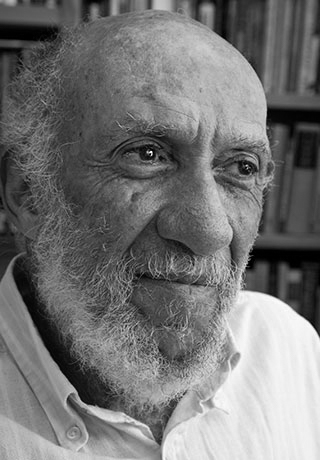

Professor Falk became an adviser to TFF when it was established in 1985.

Share

Leave a Reply

Your email address will not be published. Required fields are marked *

Related Posts

“En dag som berättigar till fest”, utropade den London-baserade al-Quds al-Arabi efter FN:s eldupphörresolution, “eftersom detta är första gången som Israel accepterar ett FN-beslut från en position som besegrad och inte som segrare”. Att ett arabisk-israeliskt krig för en gångs skull slutat med arabisk seger, är en helt dominerade åsikt i arabiska medier. Al-Quds al-Arabi tillåter sig att drömma om att det israeliska nederlaget skall leda till massflykt från Israel. Men i nästa andetag påminner tidningen om att Israel aldrig brukar genomföra sina internationella åtaganden och varnar för att förlorarna, liksom tidigare, kan hämnas genom att provocera fram inbördeskrig i Libanon. Med tanke på de otaliga massmediala vittnesmålen om det libanesiska folkets eniga motståndskraft förefaller risken för inre stridigheter i det sargade landet just nu liten. Men visst kan man urskilja nyansskillnader i libanesiska tidningar. Vänsterorganet al-Safir uppfattar FN-resolutionen som en komplott i syfte att rädda Israel från ännu större...
Greenland – the world’s largest island, a continent of its own with only 57.000 inhabitants. I visited it for the first time in May 2005. I flew across the inland ice to Nuuk, the tiny capital with some 14.000 inhabitants. I was overwhelmed by the pride and kindness of everyone I met as well as by the unique natural beauty. Unfortunately, due to weather conditions during my ten-day stay I could get nowhere else but Nuuk. Fortunately, however, among those I met was Gitte Arvegaard, a Danish lawyer and negotiator employed by the local government, Greenland Home Rule. She turned out to be an enthusiastic photographer with a lot of pictures taken during various trips around Greenland. So this Greeland series is the result of our cooperative effort. We both hope you enjoy it and are stimulated to visit Greenland – about which you may read more here. Finally, if you want to...
  Back to the series “Bujumbura, Burundi”

Recent Articles

“En dag som berättigar till fest”, utropade den London-baserade al-Quds al-Arabi efter FN:s eldupphörresolution, “eftersom detta är första gången som Israel accepterar ett FN-beslut från en position som besegrad och inte som segrare”. Att ett arabisk-israeliskt krig för en gångs skull slutat med arabisk seger, är en helt dominerade åsikt i arabiska medier. Al-Quds al-Arabi tillåter sig att drömma om att det israeliska nederlaget skall leda till massflykt från Israel. Men i nästa andetag påminner tidningen om att Israel aldrig brukar genomföra sina internationella åtaganden och varnar för att förlorarna, liksom tidigare, kan hämnas genom att provocera fram inbördeskrig i Libanon. Med tanke på de otaliga massmediala vittnesmålen om det libanesiska folkets eniga motståndskraft förefaller risken för inre stridigheter i det sargade landet just nu liten. Men visst kan man urskilja nyansskillnader i libanesiska tidningar. Vänsterorganet al-Safir uppfattar FN-resolutionen som en komplott i syfte att rädda Israel från ännu större...
Greenland – the world’s largest island, a continent of its own with only 57.000 inhabitants. I visited it for the first time in May 2005. I flew across the inland ice to Nuuk, the tiny capital with some 14.000 inhabitants. I was overwhelmed by the pride and kindness of everyone I met as well as by the unique natural beauty. Unfortunately, due to weather conditions during my ten-day stay I could get nowhere else but Nuuk. Fortunately, however, among those I met was Gitte Arvegaard, a Danish lawyer and negotiator employed by the local government, Greenland Home Rule. She turned out to be an enthusiastic photographer with a lot of pictures taken during various trips around Greenland. So this Greeland series is the result of our cooperative effort. We both hope you enjoy it and are stimulated to visit Greenland – about which you may read more here. Finally, if you want to...
 Jan Oberg’s storyof how he met Sir Paul Liverpool – where else to meet Paul McCartney? Paul’s old class mate and TFF Associate, Jonathan Power introduced me to Paul McCartney in Liverpool at an informal reception. It was held at what used to be their school, now the Liverpool Institute for Performing Arts and we were there to celebrate that Jonathan had written Amnesty International’s 40th Anniversary book. This happy event for “righting wrongs and writing songs” gave me an opportunity to meet Paul and tell him about TFF and get straight to the matter: would he consider making a donation in support of our work for peace? While I was probably the only one with such a wish that day, I was certainly not the only one who wanted to shake hands and talk with him. In the last minutes before Paul was to leave, Jonathan brought us together and we got about three...

TFF on Substack

Discover more from TFF Transnational Foundation & Jan Oberg.

Most Popular

“En dag som berättigar till fest”, utropade den London-baserade al-Quds al-Arabi efter FN:s eldupphörresolution, “eftersom detta är första gången som Israel accepterar ett FN-beslut från en position som besegrad och inte som segrare”. Att ett arabisk-israeliskt krig för en gångs skull slutat med arabisk seger, är en helt dominerade åsikt i arabiska medier. Al-Quds al-Arabi tillåter sig att drömma om att det israeliska nederlaget skall leda till massflykt från Israel. Men i nästa andetag påminner tidningen om att Israel aldrig brukar genomföra sina internationella åtaganden och varnar för att förlorarna, liksom tidigare, kan hämnas genom att provocera fram inbördeskrig i Libanon. Med tanke på de otaliga massmediala vittnesmålen om det libanesiska folkets eniga motståndskraft förefaller risken för inre stridigheter i det sargade landet just nu liten. Men visst kan man urskilja nyansskillnader i libanesiska tidningar. Vänsterorganet al-Safir uppfattar FN-resolutionen som en komplott i syfte att rädda Israel från ännu större...
Greenland – the world’s largest island, a continent of its own with only 57.000 inhabitants. I visited it for the first time in May 2005. I flew across the inland ice to Nuuk, the tiny capital with some 14.000 inhabitants. I was overwhelmed by the pride and kindness of everyone I met as well as by the unique natural beauty. Unfortunately, due to weather conditions during my ten-day stay I could get nowhere else but Nuuk. Fortunately, however, among those I met was Gitte Arvegaard, a Danish lawyer and negotiator employed by the local government, Greenland Home Rule. She turned out to be an enthusiastic photographer with a lot of pictures taken during various trips around Greenland. So this Greeland series is the result of our cooperative effort. We both hope you enjoy it and are stimulated to visit Greenland – about which you may read more here. Finally, if you want to...
 Jan Oberg’s storyof how he met Sir Paul Liverpool – where else to meet Paul McCartney? Paul’s old class mate and TFF Associate, Jonathan Power introduced me to Paul McCartney in Liverpool at an informal reception. It was held at what used to be their school, now the Liverpool Institute for Performing Arts and we were there to celebrate that Jonathan had written Amnesty International’s 40th Anniversary book. This happy event for “righting wrongs and writing songs” gave me an opportunity to meet Paul and tell him about TFF and get straight to the matter: would he consider making a donation in support of our work for peace? While I was probably the only one with such a wish that day, I was certainly not the only one who wanted to shake hands and talk with him. In the last minutes before Paul was to leave, Jonathan brought us together and we got about three...
Read More
Imagen-thumbnail-The-Transnational-1
“En dag som berättigar till fest”, utropade den London-baserade al-Quds al-Arabi efter FN:s eldupphörresolution, “eftersom detta är första gången som Israel accepterar ett FN-beslut från en position som besegrad och inte som segrare”. Att ett arabisk-israeliskt krig för en gångs skull slutat med arabisk seger, är en helt dominerade åsikt i arabiska medier. Al-Quds al-Arabi tillåter sig att drömma om att det israeliska nederlaget skall leda till massflykt från Israel. Men i nästa andetag påminner tidningen om att Israel aldrig brukar genomföra sina internationella åtaganden och varnar för att förlorarna, liksom tidigare, kan hämnas genom att provocera fram inbördeskrig i Libanon. Med tanke på de otaliga massmediala vittnesmålen om det libanesiska folkets eniga motståndskraft förefaller risken för inre stridigheter i det sargade landet just nu liten. Men visst kan man urskilja nyansskillnader i libanesiska tidningar. Vänsterorganet al-Safir uppfattar FN-resolutionen som en komplott i syfte att rädda Israel från ännu större...
Greenland – the world’s largest island, a continent of its own with only 57.000 inhabitants. I visited it for the first time in May 2005. I flew across the inland ice to Nuuk, the tiny capital with some 14.000 inhabitants. I was overwhelmed by the pride and kindness of everyone I met as well as by the unique natural beauty. Unfortunately, due to weather conditions during my ten-day stay I could get nowhere else but Nuuk. Fortunately, however, among those I met was Gitte Arvegaard, a Danish lawyer and negotiator employed by the local government, Greenland Home Rule. She turned out to be an enthusiastic photographer with a lot of pictures taken during various trips around Greenland. So this Greeland series is the result of our cooperative effort. We both hope you enjoy it and are stimulated to visit Greenland – about which you may read more here. Finally, if you want to...
p_mccartney_poem
 Jan Oberg’s storyof how he met Sir Paul Liverpool – where else to meet Paul McCartney? Paul’s old class mate and TFF Associate, Jonathan Power introduced me to Paul McCartney in Liverpool at an informal reception. It was held at what used to be their school, now the Liverpool Institute for Performing Arts and we were there to celebrate that Jonathan had written Amnesty International’s 40th Anniversary book. This happy event for “righting wrongs and writing songs” gave me an opportunity to meet Paul and tell him about TFF and get straight to the matter: would he consider making a donation in support of our work for peace? While I was probably the only one with such a wish that day, I was certainly not the only one who wanted to shake hands and talk with him. In the last minutes before Paul was to leave, Jonathan brought us together and we got about three...
Logo-Transnational
1942James Paul McCartney is born in Liverpool on June 18th. 1956Paul writes his first song, I Lost My Little Girl. 1957Paul meets John Lennon at St. Peter’s Church Fete, Woolton, Liverpool. He joins his first group, The Quarrymen and performs in his first gig at The New Clubmoor Hall, Liverpool, on October 18th. 1960Formation of The Beatles, who play residencies in Hamburg and at The Cavern in Liverpool. 1961First Beatles recordings issued in Germany, as the backing group for Tony Sheridan. 1962The first Beatles Parlophone recording, Love Me Do, reaches number 17 in the British charts. 1963The birth of Beatlemania. Please Please Me gives the group their first British Number 1. She Loves You cements their success. Please Please Me and With The Beatles albums released. 1964First triumphant American tour. The Beatles perform at the Royal Command Performance and release their first film, A Hard Day’s Night. Their single I...
Logo-Transnational
  Back to the series “Bujumbura, Burundi”
By JONATHAN POWER August 16, 2000 LONDON – Remember the summer of ’98? In the sweltering, torpid heat of a Roman august, charged with exhaust fumes, the international community gave its overwhelming approval to the establishment of an International Criminal Court that will enable those accused of “crimes against humanity” to be tried and, if convicted, sentenced. Only seven nations opposed or abstained from the motion, including Israel, China, India and the U.S.A. where the Pentagon had successfully waged bureaucratic guerrilla war to undermine the initially sympathetic stance of President Bill Clinton. Two years on we can now see what an epochal event that was. In a the stroke of 120 pens it changed the climate on political thuggery. After numerous half-starts and false starts ever since the Nuremberg and Tokyo trials that convicted the war criminals of the Second World War, the world at last had agreed en masse a common...

