Three important Chinese documents about global peace – ignored, twisted or turned down by the West

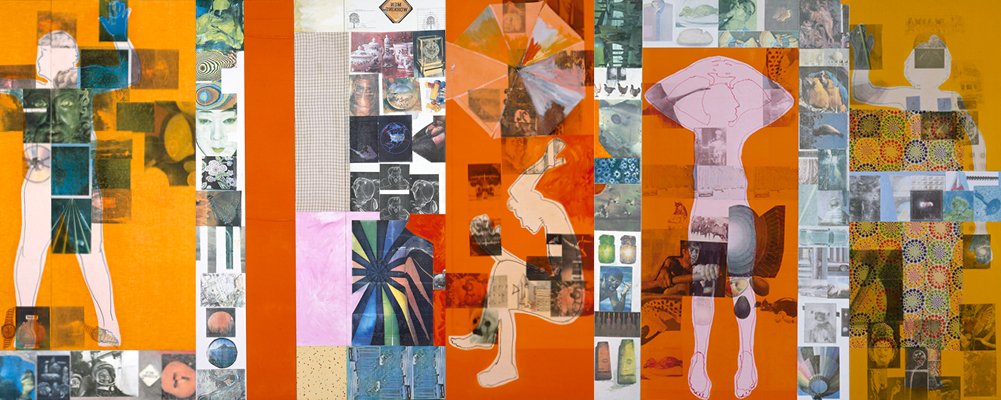
Photo: The Beijinger, Robert Rauschenberg in China

If the West were not absorbed by negative energy – threats, sanctions, confrontation, re-armament and war – and if it understood the emerging multi-polar world – the West could produce similar documents and we could have a global dialogue.

As the editor of The Transnational, I find it important that we make three recent Chinese government statements available to you so you can read them directly – unfiltered by Western mainstream media. It is our conviction that when it comes to China, you simply cannot rely on Western mainstream media – which is what we have documented in TFF’s path-breaking “Smokescreen” report from 2022. Here is another critical analysis of their China-bashing operation.

The wisest you can do is read, listen and then build your own opinion. It takes a bit longer, yes, but you won’t be fooled, and your opinion will be yours.

The three documents are:

First, the Global Security Initiative. Read it here.

The second is the proposal from the Chinese government concerning 12 principles that a peace process for the NATO-Russia conflict in Ukraine should be based on. Read it here.

And the third is the speech by Wang Yi – China’s highest-ranked diplomat and foreign minister 2013-2022 – at the recent Munich Security Conference 2023. As far as I’ve been able to figure out, this was the only speech in that hawkish event that focused, first and foremost, on peace and cooperation in a global perspective – while also, low-key, pointing fingers at those who do not.

See it here:

The documents merely outline principles and values – such as strong advocacy for the UN and its Charter and win-win cooperation. That’s how the Chinese think if I have understood it correctly.

It is time to list concrete steps and long-range political strategies only when the basic principles and the framework have been consolidated.

I believe it is constructive to do exactly that. Theoretically, it implies doing Diagnosis – what is the conflict? Followed by Prognosis – What will happen if we do this – or we do that? And, then, finally Treatment – mediating and negotiating with a view to solving or transforming the attitudes, behaviours and visions of the conflicting parties and, thereby, finding a model of the future they can all live with – although everyone does not get everything s/he wanted in the first place.

Above all, the violence must stop. Then the world can address the underlying conflicts that have caused the war.

One must hope that the leadership of the United Nations listens carefully to these three documents. And the West – the NATO/EU world – will be reasonably open-minded.
Peace & future researcher + ‌Art Photographer

Share

One Response

Related Posts

Jan Oberg, TFF director April 28, 2026 In this third TFF Peace Pulse, I make the important distinction between the violence and the conflict that violence is a symptom of. If you want peace, focus on the underlying conflict because that is the key to resolution, peacemaking, and a better future for the parties. The West is obsessed with violence, just look around you – and 90+ per cent of the public debate is about military issues and other violence – totally wasted for peace. These Peace Pulses will only be published here a few times. You will also not find them on YouTube and Vimeo because both platforms have blocked TFF and me; you know, peace is dangerous these days. Most TFF’s videos since 2007 are now on Rumble.
In contrast to most, we’ll bring alternatives, solutions, hope and strategies for a better future. Times are dangerous, yes, but that only intensifies the need for constructive thinking and action! Jan Oberg, TFF director April 13, 2026 The new TFF Peace Pulse uses video messages in a new way: Max 3-5-minute-long comments, ideas or perhaps mini-lectures, all about peace – positive peace. We launch them today on April 13, 2026 with a carefully crafted visual aesthetic fitting the content. We hope to publish them regularly from now on. We launch Peace Pulse (PP) – for a number of reasons. The world is in chaos, and there are countless reasons to feel concerned, frustrated, even angry. The atmosphere is saturated with doom and gloom, with negative energy and rear‑mirror thinking, while vision, imagination, alternatives, strategies and genuine future‑mindedness remain in short supply. And without them, we simply can’t save the world. Looking at problems from a hundred angles will...
PART II — Publishing Peace in a System That Prioritises Militarism Jan Oberg, TFF director April 10, 2026 How TFF Maintains a Daily Voice in a Digital World Built for Noise This article is part of the series “TFF at 40″ and it invites you to learn about Four Decades of Publishing Peace. It takes a look at how a small, people‑financed peace foundation has communicated across four generations of technology — from wax stencils and fax machines to mass email and Substack — and why TFF continues to publish every single day in a system that rewards noise, conflict, and militarism. ◆ What it means to publish peace every single day in a digital system built for 24/7 news and other noise, confrontation, and militarism. How TFF’s independence, continuity, and global readership defy algorithms, donor cycles, and Western media censorhip — and why the Majority World keeps listening. When the...

Recent Articles

LONDON – It was the late president of France, Charles de Gaulle, who famously said, “Brazil has a great future, and it always will have.” With the first round of the Brazilian election over with the favourite to win, President Luiz Inacio Lula da Silva, coming under increasing scrutiny for corruption – the seemingly eternal Brazilian political disease – many observers seriously wonder if Brazil can ever unlock its enormous potential. Brazil has long lived out its personal fantasy of the archetypal relaxed, tolerant and gregarious country with Copacabana beach, the samba, the carnival and a great deal of sexual freedom, but all this has come at a price – the lack of discipline in both personal and public morality. The ingrained privileges of those who have already made it, together with the manipulative corruption of the established political class, make it difficult for Brazil to engage in the economic...
Below are TFF-related media mentions, comments, videos and social media posts published elsewhere but not on this homepage. We happen to catch and list only a fraction. Regarding video comments and debates, we recommend that you go to the TFF Video Channel on Substack where many of them are reproduced. Jan Oberg is a contributor to China Daily – 52 million daily clicks – and Global Times, CGTN and CCTV (the national television), China Investment, Xinhua News Agency and several others. Articles and videos on these media very often multiply into countless Chinese (and Western media) that re-post them from these main media. Thanks to The China Academy, his analyses, interviews and comments are frequently posted on YouTube channels such as Thinkers Forum and Wave Media. These videos are often re-posted on Bilibili (China’s YouTube), the China Content Center on TikTok, and on the Chinese edition of TikTok, Douyin.com. This means reaching hundreds of millions of viewers worldwide over a year. While there are too many to catch on all these...
How Oxford University Press allowed a personality‑driven narrative to masquerade as scholarship. Jan Oberg, dr hc, TFF director This article has also been published on TFF Substack where more readers react and withdraw their interviews from the project. A Special Issue in a scholarly journal is not an ordinary publication. It is a collective, curated […]

TFF on Substack

Discover more from TFF Transnational Foundation & Jan Oberg.

Most Popular

LONDON – It was the late president of France, Charles de Gaulle, who famously said, “Brazil has a great future, and it always will have.” With the first round of the Brazilian election over with the favourite to win, President Luiz Inacio Lula da Silva, coming under increasing scrutiny for corruption – the seemingly eternal Brazilian political disease – many observers seriously wonder if Brazil can ever unlock its enormous potential. Brazil has long lived out its personal fantasy of the archetypal relaxed, tolerant and gregarious country with Copacabana beach, the samba, the carnival and a great deal of sexual freedom, but all this has come at a price – the lack of discipline in both personal and public morality. The ingrained privileges of those who have already made it, together with the manipulative corruption of the established political class, make it difficult for Brazil to engage in the economic...
Below are TFF-related media mentions, comments, videos and social media posts published elsewhere but not on this homepage. We happen to catch and list only a fraction. Regarding video comments and debates, we recommend that you go to the TFF Video Channel on Substack where many of them are reproduced. Jan Oberg is a contributor to China Daily – 52 million daily clicks – and Global Times, CGTN and CCTV (the national television), China Investment, Xinhua News Agency and several others. Articles and videos on these media very often multiply into countless Chinese (and Western media) that re-post them from these main media. Thanks to The China Academy, his analyses, interviews and comments are frequently posted on YouTube channels such as Thinkers Forum and Wave Media. These videos are often re-posted on Bilibili (China’s YouTube), the China Content Center on TikTok, and on the Chinese edition of TikTok, Douyin.com. This means reaching hundreds of millions of viewers worldwide over a year. While there are too many to catch on all these...
How Oxford University Press allowed a personality‑driven narrative to masquerade as scholarship. Jan Oberg, dr hc, TFF director This article has also been published on TFF Substack where more readers react and withdraw their interviews from the project. A Special Issue in a scholarly journal is not an ordinary publication. It is a collective, curated […]
Read More
Imagen-thumbnail-The-Transnational-1
LONDON – It was the late president of France, Charles de Gaulle, who famously said, “Brazil has a great future, and it always will have.” With the first round of the Brazilian election over with the favourite to win, President Luiz Inacio Lula da Silva, coming under increasing scrutiny for corruption – the seemingly eternal Brazilian political disease – many observers seriously wonder if Brazil can ever unlock its enormous potential. Brazil has long lived out its personal fantasy of the archetypal relaxed, tolerant and gregarious country with Copacabana beach, the samba, the carnival and a great deal of sexual freedom, but all this has come at a price – the lack of discipline in both personal and public morality. The ingrained privileges of those who have already made it, together with the manipulative corruption of the established political class, make it difficult for Brazil to engage in the economic...
girl-5894831_1280
Below are TFF-related media mentions, comments, videos and social media posts published elsewhere but not on this homepage. We happen to catch and list only a fraction. Regarding video comments and debates, we recommend that you go to the TFF Video Channel on Substack where many of them are reproduced. Jan Oberg is a contributor to China Daily – 52 million daily clicks – and Global Times, CGTN and CCTV (the national television), China Investment, Xinhua News Agency and several others. Articles and videos on these media very often multiply into countless Chinese (and Western media) that re-post them from these main media. Thanks to The China Academy, his analyses, interviews and comments are frequently posted on YouTube channels such as Thinkers Forum and Wave Media. These videos are often re-posted on Bilibili (China’s YouTube), the China Content Center on TikTok, and on the Chinese edition of TikTok, Douyin.com. This means reaching hundreds of millions of viewers worldwide over a year. While there are too many to catch on all these...
Screenshot-2026-09-28-145821
How Oxford University Press allowed a personality‑driven narrative to masquerade as scholarship. Jan Oberg, dr hc, TFF director This article has also been published on TFF Substack where more readers react and withdraw their interviews from the project. A Special Issue in a scholarly journal is not an ordinary publication. It is a collective, curated […]
AliA
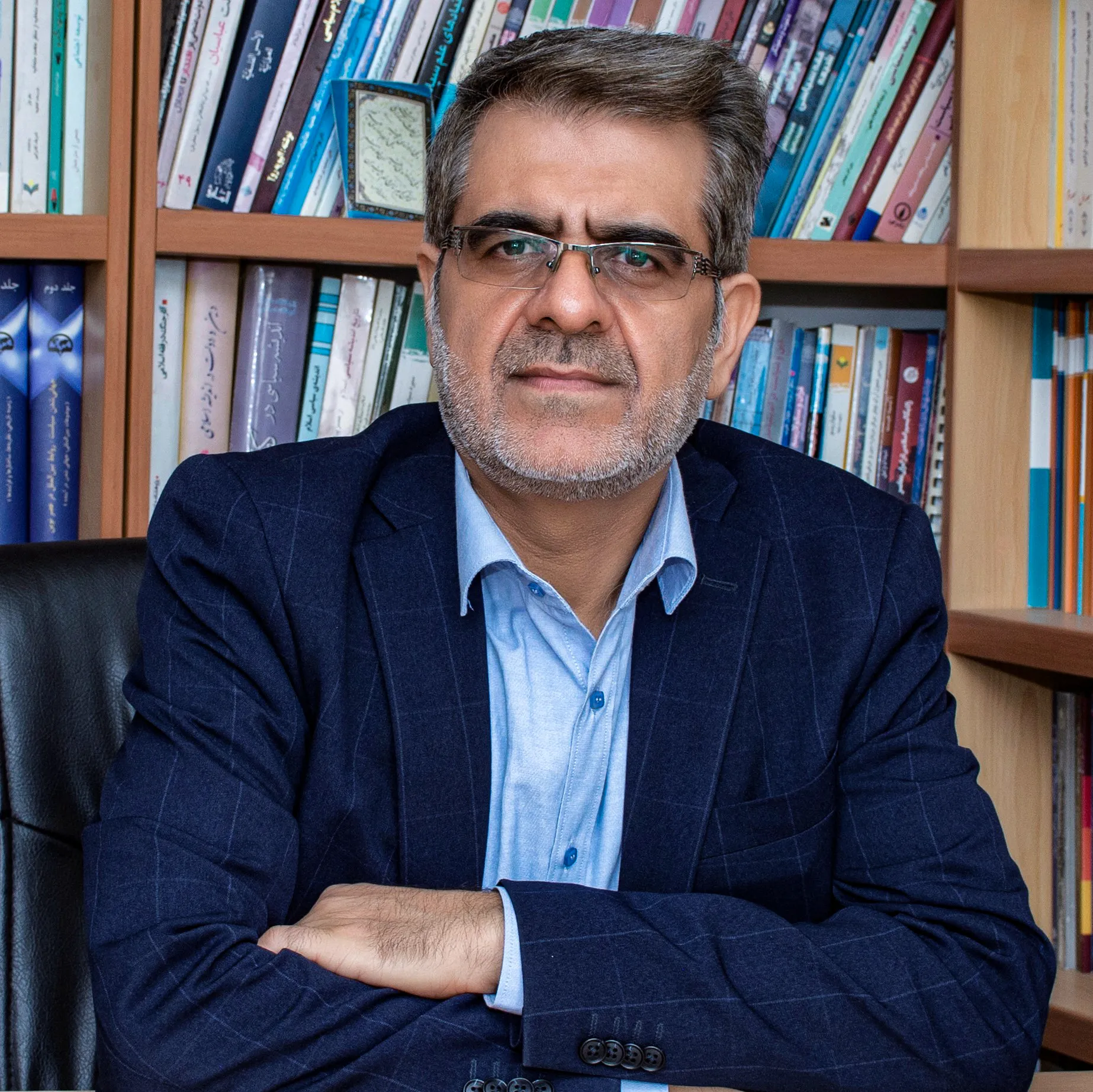
New pathbreaking theory-of-peace book by Iranian TFF Associate Dr Ali Akbar Alikhani August 27, 2026 Introduction Probably very few Westerners know that Tehran has a peace museum and that Tehran University has pioneered academic peace and conflict studies in the Muslim world, where this field is, regrettably, almost non-existent. Tehran University is the single most […]
HQAB7NMWUAA1gSk
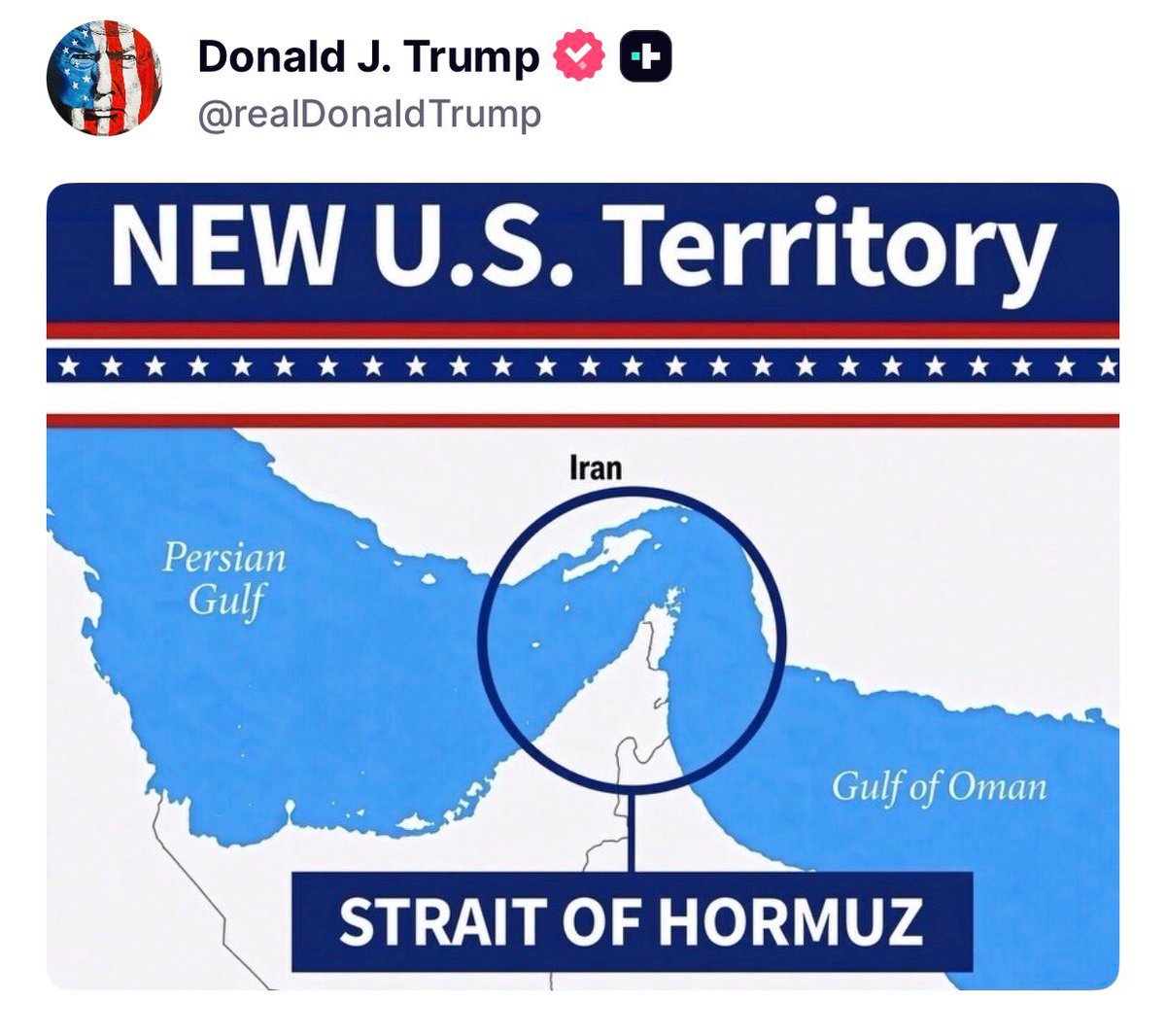
Jan ObergTFF director ☮️ When this morning – August 19, 2026 – I saw the above new US Trump map, I came to think of Frank Zappa, The Mothers of Invention, who said that politics is the entertainment division of the Military-Industrial Complex. That formulation beats many academic analyses – as you will have understood […]
21b7244b-c83e-46c1-ba23-556b21b9a0a8_1536x1024
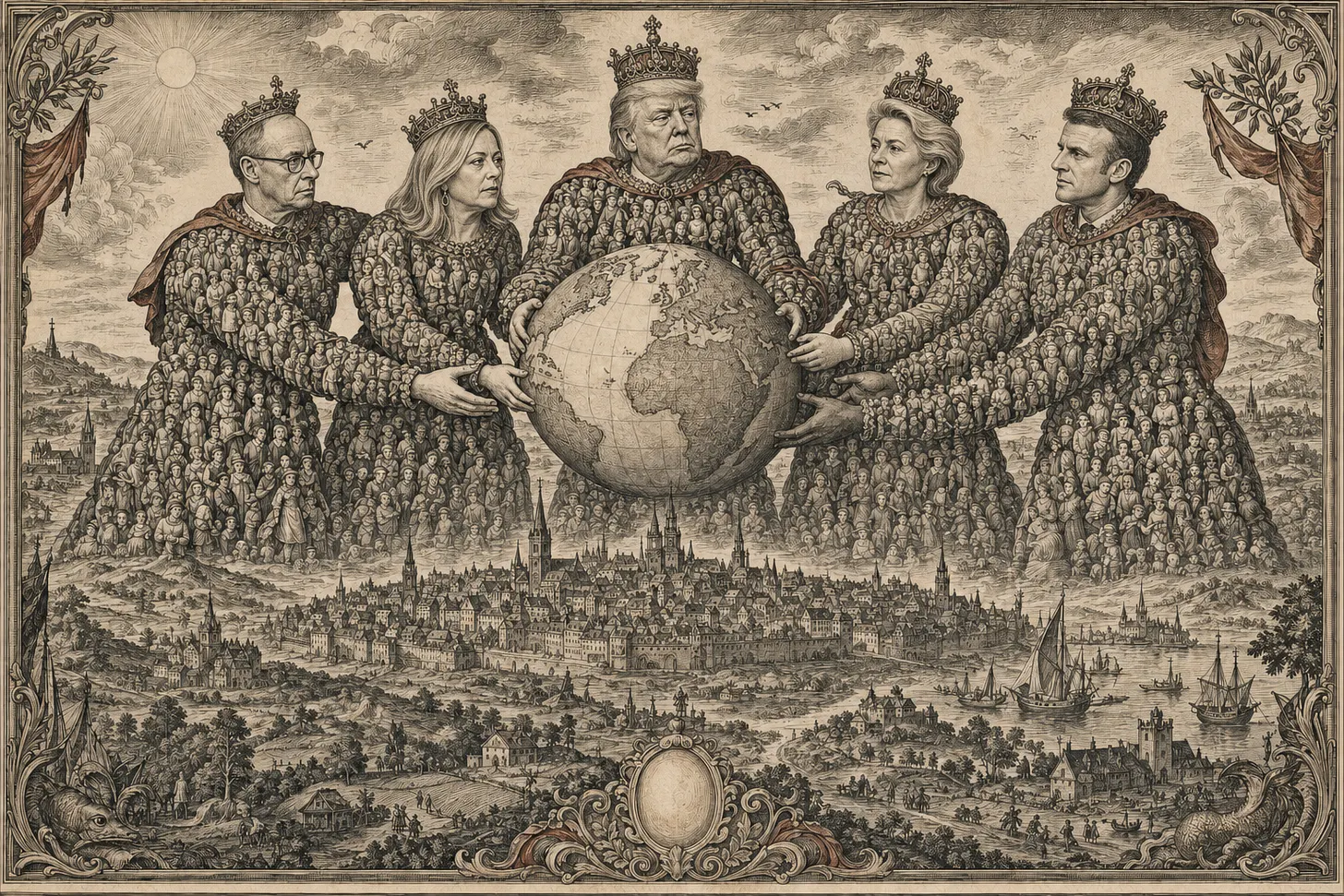
A Civilizational Interpretation of the West’s Body Politic Pascal Lottaz Associate professor at Ritsumeikan University in Kyoto and TFF Board member August 25, 2026 “How do we explain the self-defeating and self-harming policies of Western states? Europe seems to be happily deindustrializing, the US proxy war in Ukraine is killing hundreds of thousands (if not millions) […]