Irak 1
Helsingborgs Dagblad

11 oktober 2002

Tjänstemannen i det lilla kontoret i Irak reser sig och skakar hand med mig och säger “Frid vare med er” och “Välkomna till Irak” med handen mot hjärtat. Han har en Samsung-dator på skrivbordet och medan jag väntar kan jag se en ung lättklädd kvinna dansa på skärmen ackompanjerad av en liten orkester: “CD från Syrien. Visst är den bra!?” En TV intill den enkla järnsängen, där han förmodligen vilar när det inte kommer några inresande, står och rullar utan bild. Detta är första exemplet på vad jag senare skulle erfara många gånger: det kommer faktiskt in varor i Irak.

Jag åker från Amman i Jordanien. Det är omkring 900 kilometer till Bagdad. Det tog gott och väl en timme vid gränsen att komma in i Irak. Jag deklarerade min valuta och ett dokument upprättades för min dator och kamera. Under väntetiden bjuds jag på sött te; alla är vänliga och artiga. Väskorna måste öppnas, men varken böcker eller papper undersöks.

Det sandiga grå, platta och steniga landskapet sträcker sig så långt ögat når bort mot den värmedallrande horisonten. Om man letar efter några kilo kemisk substans eller små delar av massförstörelsevapen, skulle det kunna ligga begravt var som helst här omkring utan att någonsin hittas. Att inspektörer i detta väldiga landet någonsin skulle kunna garantera att ingen sådan substans finns och FN:s säkerhetsråd häva sanktionerna en absurditet. Irak vet det, västvärlden vägrar inse det.

Den stora amerikanske Cruiser får 200 liter bensin för 4 dollar (!). Jag ser två sorters lastbilar, de som kör olja från Irak till Jordanien och de som kör annat gods, bland annat mycket hö. Genom dagarna och månaderna måste det bli ganska många fat av den första varan.

Baghdad

Jämfört med Amman är Baghdad mycket livlig. Butikerna är öppna långt ut på kvällen och det bedrivs livlig handel. Trafiken är intensiv och polisdirigerad, nya och gamla bilar blandas. Färgrika neonljus syns överallt och musik blandas från alla olika håll. När man kör längs väldiga boulevarder ser man att butikerna är fyllda av kunder och varor. Det är en ganska ren stad och stämningen är avslappnad. Bagdad uppskattas ha omkring 5 miljoner invånare, en femtedel av hela befolkningen.

Staden är modern men man ser lätt när det gäller renovering och underhåll att det är en skugga av vad den måste ha varit. En hel del byggnadsverksamhet pågår både lite här och där, inte minst vid en gigantisk moské som kommer att ta tio år att färdigställa, nya palats, hyreshus och offentliga byggnader. Man slås av Bagdads väldighet och dess oändliga boulevarder med snabb trafik, tusentals monument med och bilder av Saddam Hussein samt många moderna skulpturer, grandiosa minnesplatser med häftiga krigsmonument. Här och där kan man se att staden inte saknar charm, särskilt nere vid Tigris, men jag tycker inte det är en storstad som återspeglar den imponerande historia eller att den har varit en vagga för civilisationen.

Irak har varit ett rikt och modernt samhälle inspirerad av Västeuropa. Det har funnits små klasskillnader, bra skolor och sjukhus, hög läskunnighet och god socioekonomisk trygghet. Det var ett sekulariserat samhälle. Allt detta har förändrats på de 12 år som gått sedan Gulf-kriget och sanktionerna infördes.

Landsbygden och dess folk

Annat är det på landet. På landsvägen mot Babylon ser man halvfärdiga hus, vattenanläggningar som inte fungerar och taggtrådsstaket där all metall har tagits bort och bara stolparna står nakna kvar. Den typiska byn är en rad hus på bägge sidor om den fyrfiliga vägen med små butiker som säljer cigaretter, specerier och grönsaker. I sanden, dammet och smutsen rör sig folk, får och några få kor här och där. Bilverkstäder finns förstås i all oändlighet. Man kan se stora plantager av vilka en del är förvånande gröna, men det finns också grå eller ljusbruna åkerfält som inte verkar ha sett vatten på månader. Beduinska män och kvinnor i svarta eller vita kläder rör sig långsamt med sina fårhjordar. Två män försöker reparera en vattenpump i den tryckande hettan, som närmar sig 50 grader.

Kvinnor helt täckta i svarta kläder med bara ögonen synliga hämtar vatten från en källa medan männen dricker te och röker under ett träd. Så hade de knappast varit klädda för tio år sedan, men religionen börjar bli den enda hållpunkten. Då och då ser jag soldater, på intet sätt dock i förvånande stort antal, kontroller och (obemannade) vakttorn.

Jag frågar mig om detta är den sorts landsbygdsområde som hundratusentals Bagdadbor kommer att fly till när deras land bombas och invaderas?

Leila och Saleh

FN’s utvecklingsprogram, UNDP, tar mig med ut till några mikrokreditprogram. Leila sitter i rullstol och berättar för mig att hon nyligen har avslutat sin utbildning i datorvetenskap vid högskolan i Babylon. Sen ansökte hon hos UNDP om att få ett av programmets minilån och fick 750 US-dollar och blev godkänt av irakiska arbetsministeriet. Nu leder hon kurser med alla sorters studerande i sin lilla kombinerade butik och klassrum.

Jag får också besöka Saleh, en ogift snickare som föddes utan ben 1964. Han reparerar en rätt stor rokokostol med lite guldfärg på när jag kommer in i hans verkstad. Han har fått 500 US-dollar och betalar tillbaka 25 dollar varje månad. De väldiga skåp han bygger sittande och krypande på golvet kostar omkring 80 dollar. Han har god chans att återbetala lånet inom några år efterhand som hans rörelse växer. Han har just investerat i en såg men hans högsta önskan i framtiden är att kunna köpa en rullstol som kostar omkring 75 US-dollar. Jag lämnar honom med en känsla av hopp; han har en chans att få det bra eftersom han gör otroliga saker med sina händer och arbetar hårt. Man kan omöjligen undgå att se stoltheten och hoppet i hans bruna ögon.

Har liksom överallt annars och i Bagdad möter jag bara vänliga, välkomnande människor. Jag skulle inte ha blivit förvånat om någon trott mig höra till västvärlden eller vara amerikaner eller på annat sätt skyldiga till sanktionerna. Men jag kände mig trygg överallt. Butiksägare bad mig stiga in, bjöd på te och visade upp sina prydligt ordnade varor. Den klassiska arabiska gästfriheten och välkomnande inställningen mot främlingar har förvisso inte blivit förstörd. Deras tacksamhet och glädje över att någon rest långt ifrån för att fråga dem om deras liv är verkligen rörande.

Det är människor som Leila och Saleh jag tänker på när Bush vill bomba landet. Det är deras drömmar och hopp som kriget kommer att döda – liksom för de övriga 25 miljonerna oskyldiga civila irakiska medborgare. Men Bush vill att du och jag bara ska tänka på Saddam.

Det irakiska folket förtjänar världens sympati, inte bomber. Jag träffade inte en enda internationell tjänsteman eller chef för någon internationell mission som ansåg att sanktioner var ett verksamt politiskt redskap eller att en invasion skulle lösa fler problem än den skulle skapa.

Om jag kan resa dit, så kan andra också – folkrörelser, mediefolk, forskare. Gör det, skaffa kunskaper om andra sidor av saken som ni aldrig får här hemma!
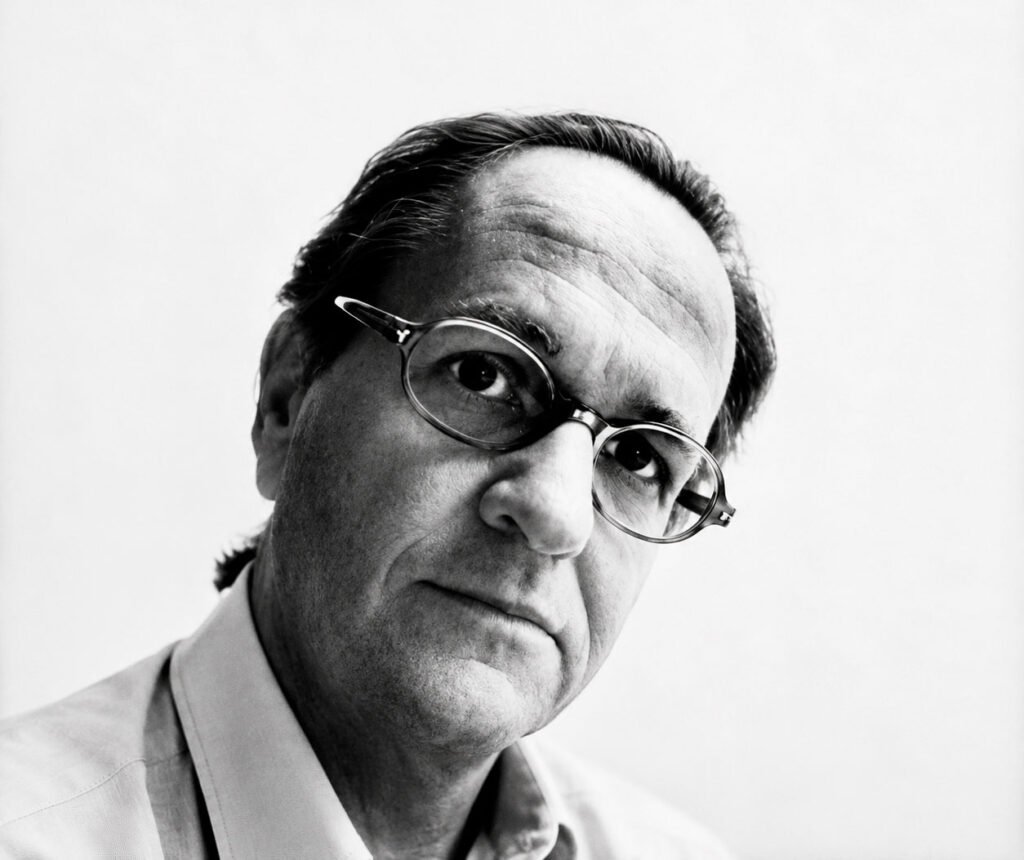
Peace & future researcher + ‌Art Photographer

Related Posts

LONDON – So far so good, at least on the wider level. While internally Iraq seems on the edge of chaos, the much heralded clash of civilizations between the Muslim and Judaeo-Christian worlds has yet to become apparent. We have anger and despair aplenty in the Arab and Muslim worlds. But very little rushing to the standard and there was no great pilgrimage of warriors to join the fight, as happened when the Soviet Union invaded Afghanistan twenty years ago, and then, having driven the Red Army out, were left to ferment in that mountainous redoubt. With the armaments supplied by the CIA the mujahidin were transformed into Al Qaeda that became, for a relatively brief moment as these things go, ‘the greatest threat to the homeland that America has ever known.’ Nevertheless a ‘Cold War’ between much of the Muslim world and the West is certainly in full swing. Winston...
The Challenge of Nuclear Weaponsin the Twenty-first CenturyA Path Forward The peoples and governments of the world face an urgent challenge relating to weaponry of mass destruction and particularly to nuclear weaponry.  At the crossroads of technology, terrorism, geopolitical ambition, and policies of preemption are new and potent dangers for humanity. Despite ending the nuclear standoff of the Cold War era, nuclear weaponry is again menacing the peoples of the world with catastrophic possibilities.  We recognize the need for any government to pursue its security interests in accordance with international law; and further, we recognize that distinctive threats to these interests now exist as a result of an active international terrorist network having declared war on the United States and its allies. Nonetheless, we reject the assessment of the current US administration that upgrading a reliance on nuclear weapons is in any sense justified as a response. We find it...
By Karin Wegestal MP, the Social Democratic Partyon behalf of the Swedish Committee for Solidarity with the Yugoslav People During the last decade, the Federal Republic of Yugoslavia has received more than 500,000 refugees from Croatia and Bosnia, and another 300,000 internally displaced persons, mainly from the province Kosovo and Metohia. For a country with about ten million inhabitants, such an influx of homeless people is obviously a very heavy burden – even under peaceful conditions. But in addition to that, the Federal Republic of Yugoslavia has been the subject to sanctions from the western powers for close to ten years and its infrastructure was badly hurt through Nato’s intense bombardment during 78 days in 1999. The result of all this is that Yugoslavia, once the most developed industrial country in Eastern Europe, is today the poorest country in Europe. In Serbia excluding Kosovo, with about ten million inhabitants and...

Recent Articles

Tony Robinson October 4, 2026 Violence is easy to recognise when someone is being beaten, shot or killed. It becomes more difficult when nobody is holding a weapon. Poverty, discrimination, exploitation and repression can restrict a human life just as effectively, although they do so in very different ways and with very different consequences. Simply adding more categories to an ever-growing list of forms of violence does not really solve the problem. The more interesting question is what all these different situations have in common and why it makes sense to describe them using the same word. Human beings do not simply react to what happens around them. They remember the past, imagine things that do not yet exist, make plans and undertake projects. Workers organise because they imagine different working conditions; people migrate because they imagine another life somewhere else; social movements emerge because people refuse to accept the...
It’s a matter of principles, courage, vision and pulling together – while the militarist world is falling apart… Peter Langille October 3, 2026 “Here, then, is the problem which we present to you, stark and dreadful and inescapable: Shall we put an end to the human race; or shall mankind renounce war?”The Bertrand Russell—Albert Einstein Manifesto, July 9, 1955 ⁕ The forecast for what’s ahead is worrisome. The sharp rise in armed conflicts over the past three years is adding to what was already the highest level in over seventy years. Genocides, which should be prevented are supported. A shared climate emergency that jeopardises survival is ignored. Diverse polls now suggest that people are war-weary, worried and interested in a more effective United Nations. And, there are viable policy options for a more secure world! Yet governments are doubling-down, betting on more war and investing heavily. If current trends persist,...
Johan Galtung 1930-2024October 2015 Published here on October 3, 2026 Let us focus on Civilization for conflict analysis and remedies. Major forms of disorder use violence; war is state organized violence. The most belligerent states are the United States of America and Israel, both with civilization roots. National Evangelism, the US Protestant Christian civilization– more national than evangelical–justifies US warfare as exceptionalism of a people chosen by God, with a manifest destiny to run the world. Orthodox Judaism justifies Israeli warfare to conquer and expand from Nile to Euphrates as a religious right and duty to the Eternal One. The third most belligerent country, the UK, no longer believes it is God-chosen but chosen by the USA; not quite the same but something. But the root cause of global disorder lies in the Occident–with Islam–seeing itself as the single, universal civilization valid for all at all times, all others being...

TFF on Substack

Discover and subscribe to more peace materials on TFF Substack

Most Popular

Tony Robinson October 4, 2026 Violence is easy to recognise when someone is being beaten, shot or killed. It becomes more difficult when nobody is holding a weapon. Poverty, discrimination, exploitation and repression can restrict a human life just as effectively, although they do so in very different ways and with very different consequences. Simply adding more categories to an ever-growing list of forms of violence does not really solve the problem. The more interesting question is what all these different situations have in common and why it makes sense to describe them using the same word. Human beings do not simply react to what happens around them. They remember the past, imagine things that do not yet exist, make plans and undertake projects. Workers organise because they imagine different working conditions; people migrate because they imagine another life somewhere else; social movements emerge because people refuse to accept the...
It’s a matter of principles, courage, vision and pulling together – while the militarist world is falling apart… Peter Langille October 3, 2026 “Here, then, is the problem which we present to you, stark and dreadful and inescapable: Shall we put an end to the human race; or shall mankind renounce war?”The Bertrand Russell—Albert Einstein Manifesto, July 9, 1955 ⁕ The forecast for what’s ahead is worrisome. The sharp rise in armed conflicts over the past three years is adding to what was already the highest level in over seventy years. Genocides, which should be prevented are supported. A shared climate emergency that jeopardises survival is ignored. Diverse polls now suggest that people are war-weary, worried and interested in a more effective United Nations. And, there are viable policy options for a more secure world! Yet governments are doubling-down, betting on more war and investing heavily. If current trends persist,...
Johan Galtung 1930-2024October 2015 Published here on October 3, 2026 Let us focus on Civilization for conflict analysis and remedies. Major forms of disorder use violence; war is state organized violence. The most belligerent states are the United States of America and Israel, both with civilization roots. National Evangelism, the US Protestant Christian civilization– more national than evangelical–justifies US warfare as exceptionalism of a people chosen by God, with a manifest destiny to run the world. Orthodox Judaism justifies Israeli warfare to conquer and expand from Nile to Euphrates as a religious right and duty to the Eternal One. The third most belligerent country, the UK, no longer believes it is God-chosen but chosen by the USA; not quite the same but something. But the root cause of global disorder lies in the Occident–with Islam–seeing itself as the single, universal civilization valid for all at all times, all others being...
Read More
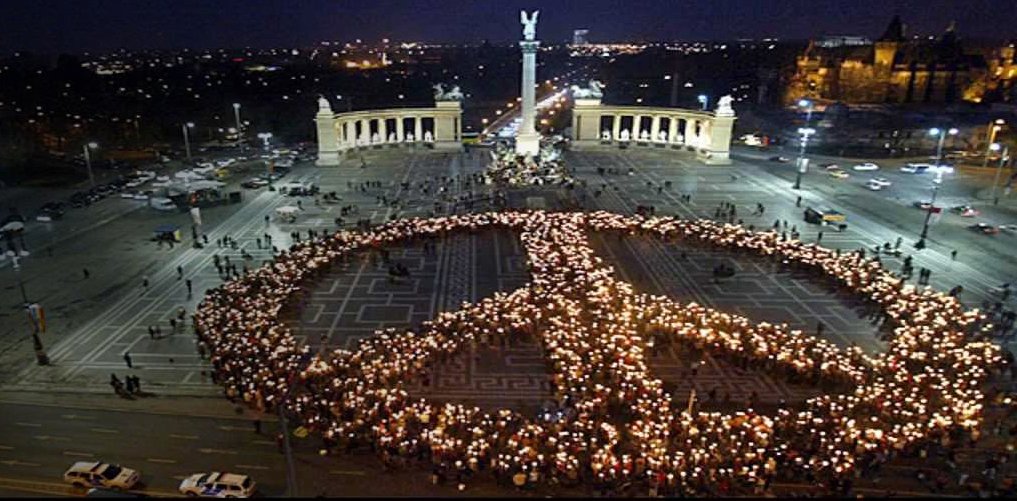
Living-Peace-Sign-Budapest-copy
Tony Robinson October 4, 2026 Violence is easy to recognise when someone is being beaten, shot or killed. It becomes more difficult when nobody is holding a weapon. Poverty, discrimination, exploitation and repression can restrict a human life just as effectively, although they do so in very different ways and with very different consequences. Simply adding more categories to an ever-growing list of forms of violence does not really solve the problem. The more interesting question is what all these different situations have in common and why it makes sense to describe them using the same word. Human beings do not simply react to what happens around them. They remember the past, imagine things that do not yet exist, make plans and undertake projects. Workers organise because they imagine different working conditions; people migrate because they imagine another life somewhere else; social movements emerge because people refuse to accept the...
b54a1f10-8c65-4f0b-9dd5-4abc0a7d04cc_2659x2659
It’s a matter of principles, courage, vision and pulling together – while the militarist world is falling apart… Peter Langille October 3, 2026 “Here, then, is the problem which we present to you, stark and dreadful and inescapable: Shall we put an end to the human race; or shall mankind renounce war?”The Bertrand Russell—Albert Einstein Manifesto, July 9, 1955 ⁕ The forecast for what’s ahead is worrisome. The sharp rise in armed conflicts over the past three years is adding to what was already the highest level in over seventy years. Genocides, which should be prevented are supported. A shared climate emergency that jeopardises survival is ignored. Diverse polls now suggest that people are war-weary, worried and interested in a more effective United Nations. And, there are viable policy options for a more secure world! Yet governments are doubling-down, betting on more war and investing heavily. If current trends persist,...
010
Johan Galtung 1930-2024October 2015 Published here on October 3, 2026 Let us focus on Civilization for conflict analysis and remedies. Major forms of disorder use violence; war is state organized violence. The most belligerent states are the United States of America and Israel, both with civilization roots. National Evangelism, the US Protestant Christian civilization– more national than evangelical–justifies US warfare as exceptionalism of a people chosen by God, with a manifest destiny to run the world. Orthodox Judaism justifies Israeli warfare to conquer and expand from Nile to Euphrates as a religious right and duty to the Eternal One. The third most belligerent country, the UK, no longer believes it is God-chosen but chosen by the USA; not quite the same but something. But the root cause of global disorder lies in the Occident–with Islam–seeing itself as the single, universal civilization valid for all at all times, all others being...
Screenshot 2026-10-02 011738
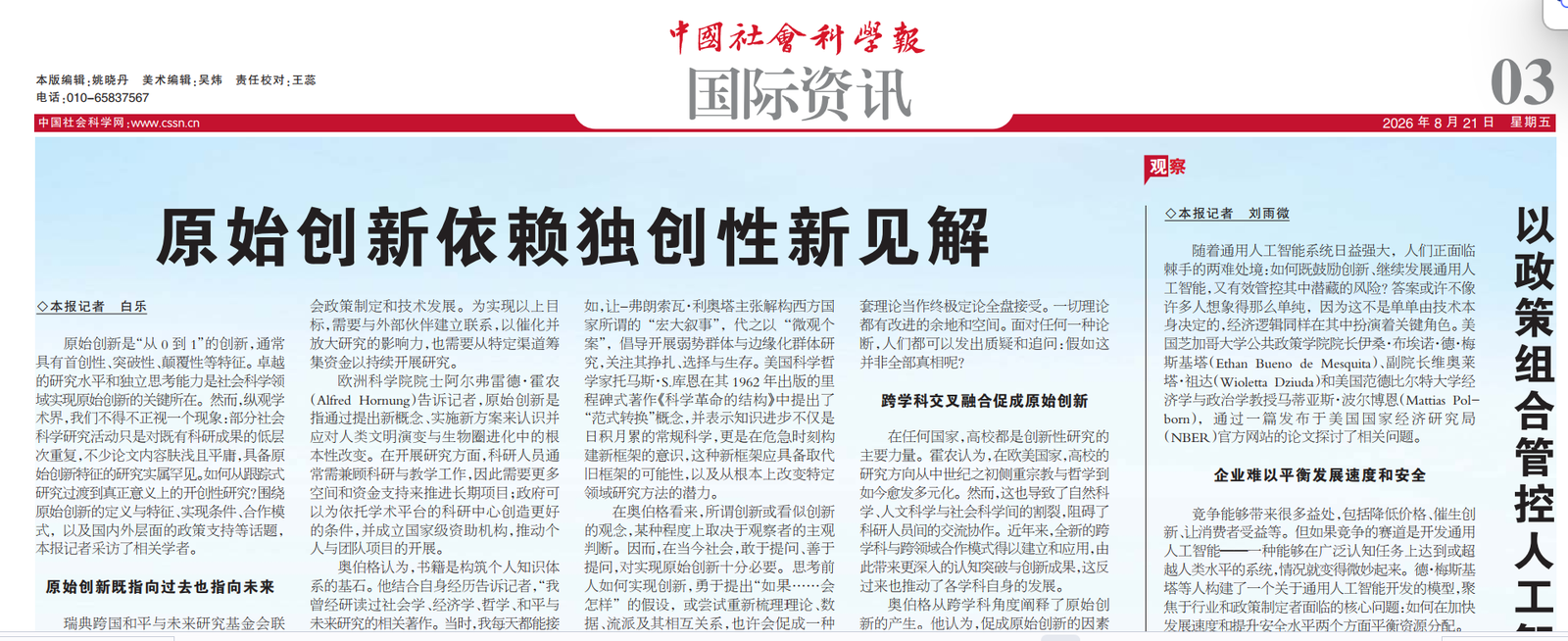
Jan ObergPhD, director, The Transnational Foundation for Peace and Future Research, TFFLund, Sweden October 2, 2026 This is my full original manuscript. The Chinese Academy of Social Science, CASS, makes two publications out if it. 1. China’s Five-year plan emphasized the capabilities of basic research and original innovation. It is regarded as the goal of the future social development, which, as required, should be significantly enhanced. Can you comment on the importance of original innovation in research and academic study? I believe it is easier to define “original innovation” in the natural sciences than in social sciences. The breaking points of what constitutes something new, or innovative, are not quite as sharp in the latter. But in both fields it is about opening up something that was closed, unseen, unexplored before – making manifest what was earlier latent. Innovations come in many forms and shapes – naming something that was not...
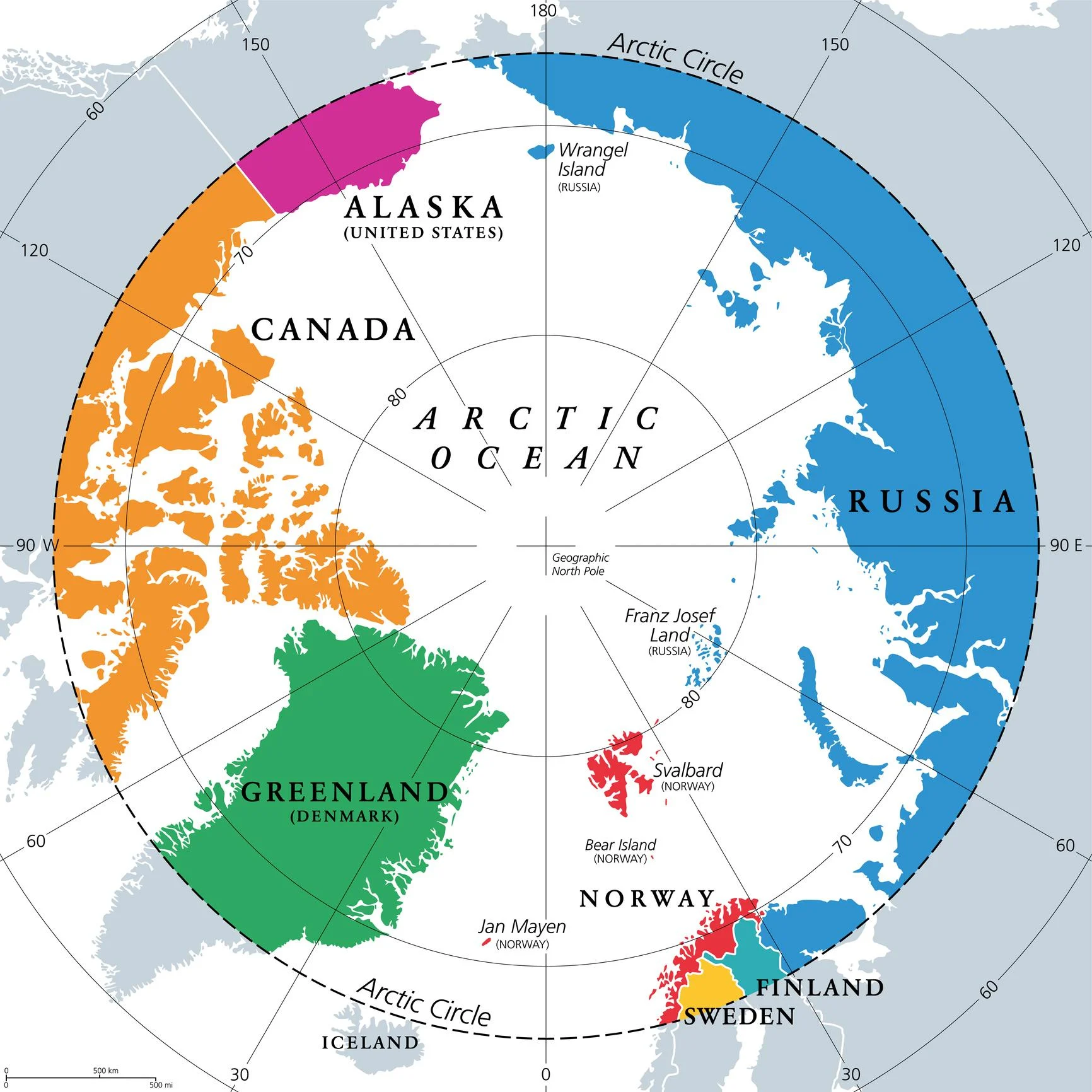
arctic-circle-map
The agreement is catastrophic both because of what it says and what it doesn’t mention. It reduces further the major asset of security policies: Freedom of action. Jan Oberg TFF director September 25, 2026 A couple of hours before the agreement was signed on September 22, 2026, I published the following 13 hypotheses about what it would most likely contain on TFF Substack (in English). I was wrong on only the first point. Contrary to what Trump had written on his Truth Social platform, it does not appear to come into force immediately. In fact, it turned out to be worse than even I had anticipated. After these hypotheses now come a number of reflections in light of what the agreement actually contains, and does not contain, as well as the way in which it has generally been presented by major media outlets and by the public-service broadcaster DR. My...
girl-5894831_1280
Below are TFF-related media mentions, comments, videos and social media posts published elsewhere but not on this homepage. We happen to catch and list only a fraction. Regarding video comments and debates, we recommend that you go to the TFF Video Channel on Substack where many of them are reproduced. Jan Oberg is a contributor to China Daily – 52 million daily clicks – and Global Times, CGTN and CCTV (the national television), China Investment, Xinhua News Agency and several others. Articles and videos on these media very often multiply into countless Chinese (and Western media) that re-post them from these main media. Thanks to The China Academy, his analyses, interviews and comments are frequently posted on YouTube channels such as Thinkers Forum and Wave Media. These videos are often re-posted on Bilibili (China’s YouTube), the China Content Center on TikTok, and on the Chinese edition of TikTok, Douyin.com. This means reaching hundreds of millions of viewers worldwide over a year. While there are too many to catch on all these...