
Challenging the United Nations

Kofi Annan was certainly correct to repudiate President Bush’s contention that unless the Security Council lends support to American warmaking, it will follow the League of Nations down the path to futility. Indeed, the greater danger to the UN is to go along with the US demands or even to respond to the impending war with calculated indifference. It should be remembered that the League failed primarily because of its impotence in the face of aggressive warmaking by Japan, Italy, and Germany during the 1930s that led to the subjugation of such weaker states as Manchuria, Abyssinia (later Ethiopia), and Czechoslovakia. In the end, the UN will rise or fall to the extent that it opposes uses of international force that are in violation of the UN Charter, whether these uses are by large countries or smaller ones.

It is not the moment to commend the UN uncritically for seeming to stand up against the US global juggernaut. It needs to be remembered that the plausibility of mounting this war threat derives from imposing a punitive peace on Iraq after the end of the Gulf War in the form of Security Council Resolution 687. It was part of this “peace” that validated the continuation of harsh sanctions on an Iraqi people already devastated by war, with its water purification system deliberately destroyed. Sanctions in such an atmosphere produced hundreds of thousands of deaths among innocent children over the course of the 1990s, leading successive UN relief administrators of high repute (Denis Halliday, Hans von Sponeck) to resign in Iraq as a protest against UN endorsed policies deemed “genocidal” in their impact.

The UNSC has been in the last several weeks seeking to rein in the US Government without taking a principled stand. It fifteen members unanimously endorsed SC Res. 1441 that has set the stage for the debate about inspections as a prelude to a war against Iraq without ever facing the fundamental question as to whether the Charter authorizes such a recourse to war even if Iraq fails to disarm. After all, Iraq’s sovereignty has been continually violated since 1991, including by unauthorized bombing runs in the “no-fly zones” unilaterally established by the US/UK, and many other countries have developed weapons of mass destruction without becoming the target of coercive disarmament. To deny Iraq the option to defend itself under the pressure of American threats seems to deny a country its most sovereign rights.

True, the Baghdad regime has committed Crimes Against Humanity and Crimes Against Peace, and in an ideal world its leaders would be apprehended, punished, and removed from power, but that does not make the case for war, especially at this time. These past crimes were mainly committed when Iraq was treated by Washington as a strategic ally, and although this does not operate as an excuse, it helps us get a sense of proportion. There is no urgency of the sort that seemed to justify the Kosovo War in 1999 to save the Albanian Kosovars from a growing Serb threat of ethnic cleansing. Beyond this, the scale and tactics of an Iraq War are likely to inflict massive civilian casualties, and produce dangerous instabilities in the region and beyond.

It seems reasonable to expect more from the Security Council than a green or yellow light when it comes to warmaking that cannot be convincingly justified as self-defense in accordance with Article 51 of the Charter. The Security Council all along should have indicated its refusal to authorize war as a solution to the Iraq Crisis, and coupled the renewal of inspections with an explicit reservation relating to the authorization of the use of force. Of course, a principled UNSC stand would have undoubtedly led the US Government to proceed to war without a UN mandate, its earlier predisposition in any event. It should be remembered that when Bush unveiled the preemptive war doctrine in June 2002 at West Point he never even mentioned the UN, the American strategic move being designed from the beginning to be based on “a coalition of the willing and the coerced” managed directly from the White House and Pentagon. The UN detour came about when Republican stalwarts warned Bush that there would be political trouble without a stronger case for casis belli, and encouraged the new president to demand coercive inspection via the UN, and if refused or resisted, to be in possession of a better political basis for war than what would have existed if no effort was made to gain UN backing.

Taking this indirect path to war was always controversial among the Bush inner circle, which never for a moment was prepared to submit their Iraq policy to the discipline of international law or the independent authority of the United Nations. Finally, a compromise was adopted within the US Government: a diktat to the UN to give Washington a green light with respect to the war or the US would go to war on its own and declare the UN “irrelevant.” The UNSC responded timidly with its own opportunistic compromise in the form of 1441, seeking to preserve their relevance by imposing some conditions on the authorization to make war, but never quite saying so. The US Government retained the option, which it is likely to use, that Iraq was warned in 1441 of “serious consequences” in the event of “material breach,” and that this language provides a sufficient mandate. Others will object, but the assumption is that the American public will go along once the war commences, especially if it manages a quick victory with few American casualties.

I think the peoples of the world are entitled to expect more from the UN in such a situation. The reliance on leading governments to resist an abandonment of international law and the Charter guidelines has been shown to be a precarious way to uphold the primary role of the UN as the principal agency of war prevention in the world community. The quality of the Security Council debate, as well as the inadequacy of 1441 as a framework for war/peace decisions, suggests the importance of giving the peoples of the world a more democratic voice on the global stage than what is now provided by governmental representation. Such governments as Spain, Italy, and Britain are defying huge multiparty majorities to gain geopolitical favors by supporting the United States. A genuine Global Peoples Assembly, within or without the UN, would give an entirely different slant to the Iraq debate, and greatly strengthen the political weight of an advocacy of peace. If there is one lesson to be learned from the impending catastrophe of the Iraq War it is the need for global democracy that conceives of the global rule of law as a vital source of restraint for the well being of the peoples of the world, and is prepared to mount a civil struggle on behalf of such a law-governed world.

© TFF & the author 2003
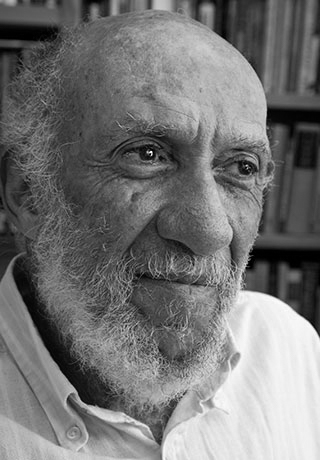
Professor Falk became an adviser to TFF when it was established in 1985.

Share

Leave a Reply

Your email address will not be published. Required fields are marked *

Related Posts

Jan Øberg behandler i artiklen en lang række faktorer, som ligger til grund for den måde vores samfund er organiseret på – og derfor også for konflikter. Artiklen introducerer således sammenhængen mellem familien, foreninger, regeringer, NGO’ er, nation, stat, nationalstat og alliancer for på denne måde bedre at kunne forstå konflikter og i sidste ende blive klogere mht. at løse disse. Øberg, der er fortaler for global bevidsthed, hvilket skal ses i lyset af den øgede globalisering, skelner mellem kulturkamp og kulturdialog. Endelig behandles begrebet magt og magtesløshed: giver magt ret til at udøve magt – fordi man mener at have ret? Litteraturliste og arbejdsspørgsmål efter artiklen. Ordene vi bruger om verden I satellitperspektiv kan man godt tale om den menneskelige familie eller menneskeheden. Udtrykket understreger, at der eksisterer – eller burde eksistere – et fællesskab fordi vi alle er mennesker og sammen bebor denne klode og ingen anden. Og...
Kapitel 2: Forskellige sider af Europa og USA…fortsat 2.5 Militære relationer I forbifarten har vi allerede sagt nogle ting om USA’s militære situation. Kig lige en gang til på afsnit 2.3. Nu skal vi uddybe det militære forhold mellem USA og EU. Der er en række ligheder mellem visse europæiske landes og USA’s militær. Næsten alle er med på en eller anden måde i NATO, direkte som medlem – selv Island, der ikke har et forsvar – eller indirekte i Partnerskab for Fred. USA og Canada er med i OSCE (på dansk OSSE), Organisationen for Sikkerhed og Samarbejde i Europa, der tæller over 50 lande. USA samt England og Frankrig er kernevåbenstater og de har styrker til intervention langt borte fra hjemlandet, om end USA’s er tifold større. Alle har også en omfattende våbeneksport og bruger den som et middel til at tjene penge og få loyale venner på, det...
Background Christian Harleman and Jan Oberg conducted a fact-finding mission to Burundi between November 26 and December 6, 2003. (See websites about the country here). The first TFF mission took place in March 1999. Unfortunately, since then it has not been practically possible to implement the co-operation with Burundi’s Ministry of Education and Burundian NGOs that was planned at the time. The 2003 mission had three purposes. First, to do fact-finding in general about the situation and, in particular, the progress under the Arusha Peace Process. Second, to explore the possibilities for co-operation between the government and relevant NGOs on the one hand and TFF on the other, in order to develop and deepen the existing competence in fields such as conflict-understanding, reconciliation and peace-building. Finally, third, to find out whether it would be possible, in co-operation with the Swedish Rescue Services Agency (Statens Räddningsverk), to establish a health care unit that...

Recent Articles

Jan Øberg behandler i artiklen en lang række faktorer, som ligger til grund for den måde vores samfund er organiseret på – og derfor også for konflikter. Artiklen introducerer således sammenhængen mellem familien, foreninger, regeringer, NGO’ er, nation, stat, nationalstat og alliancer for på denne måde bedre at kunne forstå konflikter og i sidste ende blive klogere mht. at løse disse. Øberg, der er fortaler for global bevidsthed, hvilket skal ses i lyset af den øgede globalisering, skelner mellem kulturkamp og kulturdialog. Endelig behandles begrebet magt og magtesløshed: giver magt ret til at udøve magt – fordi man mener at have ret? Litteraturliste og arbejdsspørgsmål efter artiklen. Ordene vi bruger om verden I satellitperspektiv kan man godt tale om den menneskelige familie eller menneskeheden. Udtrykket understreger, at der eksisterer – eller burde eksistere – et fællesskab fordi vi alle er mennesker og sammen bebor denne klode og ingen anden. Og...
Kapitel 2: Forskellige sider af Europa og USA…fortsat 2.5 Militære relationer I forbifarten har vi allerede sagt nogle ting om USA’s militære situation. Kig lige en gang til på afsnit 2.3. Nu skal vi uddybe det militære forhold mellem USA og EU. Der er en række ligheder mellem visse europæiske landes og USA’s militær. Næsten alle er med på en eller anden måde i NATO, direkte som medlem – selv Island, der ikke har et forsvar – eller indirekte i Partnerskab for Fred. USA og Canada er med i OSCE (på dansk OSSE), Organisationen for Sikkerhed og Samarbejde i Europa, der tæller over 50 lande. USA samt England og Frankrig er kernevåbenstater og de har styrker til intervention langt borte fra hjemlandet, om end USA’s er tifold større. Alle har også en omfattende våbeneksport og bruger den som et middel til at tjene penge og få loyale venner på, det...
Background Christian Harleman and Jan Oberg conducted a fact-finding mission to Burundi between November 26 and December 6, 2003. (See websites about the country here). The first TFF mission took place in March 1999. Unfortunately, since then it has not been practically possible to implement the co-operation with Burundi’s Ministry of Education and Burundian NGOs that was planned at the time. The 2003 mission had three purposes. First, to do fact-finding in general about the situation and, in particular, the progress under the Arusha Peace Process. Second, to explore the possibilities for co-operation between the government and relevant NGOs on the one hand and TFF on the other, in order to develop and deepen the existing competence in fields such as conflict-understanding, reconciliation and peace-building. Finally, third, to find out whether it would be possible, in co-operation with the Swedish Rescue Services Agency (Statens Räddningsverk), to establish a health care unit that...

TFF on Substack

Discover more from TFF Transnational Foundation & Jan Oberg.

Most Popular

Jan Øberg behandler i artiklen en lang række faktorer, som ligger til grund for den måde vores samfund er organiseret på – og derfor også for konflikter. Artiklen introducerer således sammenhængen mellem familien, foreninger, regeringer, NGO’ er, nation, stat, nationalstat og alliancer for på denne måde bedre at kunne forstå konflikter og i sidste ende blive klogere mht. at løse disse. Øberg, der er fortaler for global bevidsthed, hvilket skal ses i lyset af den øgede globalisering, skelner mellem kulturkamp og kulturdialog. Endelig behandles begrebet magt og magtesløshed: giver magt ret til at udøve magt – fordi man mener at have ret? Litteraturliste og arbejdsspørgsmål efter artiklen. Ordene vi bruger om verden I satellitperspektiv kan man godt tale om den menneskelige familie eller menneskeheden. Udtrykket understreger, at der eksisterer – eller burde eksistere – et fællesskab fordi vi alle er mennesker og sammen bebor denne klode og ingen anden. Og...
Kapitel 2: Forskellige sider af Europa og USA…fortsat 2.5 Militære relationer I forbifarten har vi allerede sagt nogle ting om USA’s militære situation. Kig lige en gang til på afsnit 2.3. Nu skal vi uddybe det militære forhold mellem USA og EU. Der er en række ligheder mellem visse europæiske landes og USA’s militær. Næsten alle er med på en eller anden måde i NATO, direkte som medlem – selv Island, der ikke har et forsvar – eller indirekte i Partnerskab for Fred. USA og Canada er med i OSCE (på dansk OSSE), Organisationen for Sikkerhed og Samarbejde i Europa, der tæller over 50 lande. USA samt England og Frankrig er kernevåbenstater og de har styrker til intervention langt borte fra hjemlandet, om end USA’s er tifold større. Alle har også en omfattende våbeneksport og bruger den som et middel til at tjene penge og få loyale venner på, det...
Background Christian Harleman and Jan Oberg conducted a fact-finding mission to Burundi between November 26 and December 6, 2003. (See websites about the country here). The first TFF mission took place in March 1999. Unfortunately, since then it has not been practically possible to implement the co-operation with Burundi’s Ministry of Education and Burundian NGOs that was planned at the time. The 2003 mission had three purposes. First, to do fact-finding in general about the situation and, in particular, the progress under the Arusha Peace Process. Second, to explore the possibilities for co-operation between the government and relevant NGOs on the one hand and TFF on the other, in order to develop and deepen the existing competence in fields such as conflict-understanding, reconciliation and peace-building. Finally, third, to find out whether it would be possible, in co-operation with the Swedish Rescue Services Agency (Statens Räddningsverk), to establish a health care unit that...
Read More
Imagen-thumbnail-The-Transnational-1
Jan Øberg behandler i artiklen en lang række faktorer, som ligger til grund for den måde vores samfund er organiseret på – og derfor også for konflikter. Artiklen introducerer således sammenhængen mellem familien, foreninger, regeringer, NGO’ er, nation, stat, nationalstat og alliancer for på denne måde bedre at kunne forstå konflikter og i sidste ende blive klogere mht. at løse disse. Øberg, der er fortaler for global bevidsthed, hvilket skal ses i lyset af den øgede globalisering, skelner mellem kulturkamp og kulturdialog. Endelig behandles begrebet magt og magtesløshed: giver magt ret til at udøve magt – fordi man mener at have ret? Litteraturliste og arbejdsspørgsmål efter artiklen. Ordene vi bruger om verden I satellitperspektiv kan man godt tale om den menneskelige familie eller menneskeheden. Udtrykket understreger, at der eksisterer – eller burde eksistere – et fællesskab fordi vi alle er mennesker og sammen bebor denne klode og ingen anden. Og...
Imagen-thumbnail-The-Transnational-1
Kapitel 2: Forskellige sider af Europa og USA…fortsat 2.5 Militære relationer I forbifarten har vi allerede sagt nogle ting om USA’s militære situation. Kig lige en gang til på afsnit 2.3. Nu skal vi uddybe det militære forhold mellem USA og EU. Der er en række ligheder mellem visse europæiske landes og USA’s militær. Næsten alle er med på en eller anden måde i NATO, direkte som medlem – selv Island, der ikke har et forsvar – eller indirekte i Partnerskab for Fred. USA og Canada er med i OSCE (på dansk OSSE), Organisationen for Sikkerhed og Samarbejde i Europa, der tæller over 50 lande. USA samt England og Frankrig er kernevåbenstater og de har styrker til intervention langt borte fra hjemlandet, om end USA’s er tifold større. Alle har også en omfattende våbeneksport og bruger den som et middel til at tjene penge og få loyale venner på, det...
Imagen-thumbnail-The-Transnational-1
Background Christian Harleman and Jan Oberg conducted a fact-finding mission to Burundi between November 26 and December 6, 2003. (See websites about the country here). The first TFF mission took place in March 1999. Unfortunately, since then it has not been practically possible to implement the co-operation with Burundi’s Ministry of Education and Burundian NGOs that was planned at the time. The 2003 mission had three purposes. First, to do fact-finding in general about the situation and, in particular, the progress under the Arusha Peace Process. Second, to explore the possibilities for co-operation between the government and relevant NGOs on the one hand and TFF on the other, in order to develop and deepen the existing competence in fields such as conflict-understanding, reconciliation and peace-building. Finally, third, to find out whether it would be possible, in co-operation with the Swedish Rescue Services Agency (Statens Räddningsverk), to establish a health care unit that...
Imagen-thumbnail-The-Transnational-1
Former UN Under-Secretary-General with special responsibility for peacekeeping operations TFF associate August 20, 2003 YRINGHAM, Mass.- Ralph Bunche was born in Detroit 100 years ago today (August 7, 2003). His passionate determination to get results did not extend to seeking credit for them, so his work is better remembered than he is. Of all his many accomplishments – civil rights pioneer, Nobel Peace Prize laureate, chief drafter of two chapters of the United Nations charter, negotiator of the armistices that ended the first Arab-Israeli war – Bunche said he was proudest of developing what came to be known as peacekeeping. Setting up the United Nations Truce Supervision Organization in Palestine in 1948, Bunche formulated the principles that have governed peacekeeping operations ever since. In the 1956 Suez crisis, working with Secretary General Dag Hammarskjold and Lester Pearson of Canada, he organized the first peacekeeping force, the United Nations Emergency Force...
– nästan 11 månader Till Sofia nästan 11 månader # 1  Till Sofias huvudsida Till alla Privata Foto-Serier
Till Sofias huvudsida


