Post-intervention Libya: A militia state

Two apparently related and revealing incidents have turned public attention briefly back to Libya just after the second anniversary of the NATO intervention that helped anti-Qaddafi rebel forces overthrow his regime. The first incident involved the infringement of Libyan sovereignty by an American special forces operation that seized the alleged al Qaeda operative, Abu Anas al-Libi (also known as Nizah Abdul Hamed al-Ruqai), on October 5, supposedly with the knowledge and consent of the Libyan government.

The second incident, evidently a response to the first seizure, was the kidnapping a few days later of the country’s prime minister, Ali Zeidan, while he lay asleep in his hotel lodgings in the center of Tripoli. He was easily captured by a squadron of 20 militia gunmen who arrived at the hotel around 2:00 am and proceeded without resistance from security guards to carry off the head of the Libyan state. Such a bold assault on the state’s essential character as the sole purveyor of legitimate violence (according to the famous conception of Max Weber) is a telltale sign of a political system of shadow governance, that is, without security.

The capture of Ali Zeidan was reportedly prompted both by anger at the government’s impotence in the face of such an overt violation of Libyan sovereignty by the United States, as well as serving to warn the political leadership of the country that any further effort to disarm militias would be resisted.

Ali Zeidan seizure was largely symbolic. He was held by his captors for only a few hours before being released. Nevertheless, the ease of the kidnapping sent shivers down the spine of the Western countries that had been so proud two years ago of their regime-changing intervention under NATO auspices. The incident also reinforced the impression in the West that prospects for lucrative foreign investment and substantial oil flows would have to be put on hold for the indefinite future.

According to journalistic accounts, the militia responsible for this daring challenge to governmental authority in Libya, seems to have recently formed, and is headed by Nuri Abusahmen, who is the speaker of the General National Assembly. Revealingly, Mr. Abusahmen sat serenely beside the prime minister as he addressed the nation shortly after regaining his freedom. For those conscious of Libyan realities, such a juxtaposition was a further indication that the capabilities of the elected government in Tripoli are modest as compared to that of the militias, and can be overridden at will by recalcitrant civil society forces. Perhaps, more to the point, there appears to be a seamless web in Libya between the government and the militias, between what is de jure and what is de facto, and between what is lawful and what is criminal. Of course, it was also highly disturbing that a prominent al Qaeda operative was roaming freely in Libya, and seemingly enjoying some level of national support.

There is no doubt that Libya is so pervasively armed that even the National Rifle Association might find excessive. Supposedly, every household is in possession of weapons either acquired by raids on Qaddafi arsenals as his regime was collapsing or acquired from NATO benefactors. Unlike several of the other countries experiencing a troubled aftermath to the Arab Upheavals, Libya is a rich economic prize, with the world’s fifth largest oil reserves generating a cash flow that could be a boon to the troubled economies of Europe that carried out the intervention, and have acted subsequently as if they have an entitlement to a fair market share of the economic opportunities for trade and investment.

Two years ago the concerns that prompted NATO to act were overtly associated with Qaddafi’s bloody crimes against his own people. The use of force was authorized in a circumscribed March 17, 2011 Security Council Resolution 1973 premised on protecting the entrapped civilian population of Benghazi against imminent attacks by the regime primarily through the establishment of a no-fly zone. The non-Western members of the UNSC were skeptical and suspicious at the time of the debate about authorizing military action fearing that more would be done than claimed, but agreed to abstain when it came to a vote, relying with reluctance on reassurances from pro-interventionist members of the Security Council that the undertaking was of a purely ‘humanitarian’ rather than what it became, a political initiative with a ‘regime-changing’ character.

As it turned out, almost from day one of the intervention it became clear that NATO was interpreting the UN mandate in the broadest possible way, engaging in military operations obviously intended to cause the collapse of the Qaddafi government in Tripoli, and only incidentally focused on protecting the people of Benghazi from immediate danger.

This maneuver was understandably interpreted as a betrayal of trust by those Security Council members who had been persuaded to abstain, especially Russia and China. One effect of such an action was to weaken, at least in the short run, the capacity of the UN to form a consensus in responses to humanitarian crises, as in Syria, and may also have undermined prospects for stable governance in Libya for many years to come.

The Libyan future remains highly uncertain at present with several scenarios plausible: partition based on fundamental ethnic and regional enmities, essentially creating two polities, one centered in Benghazi, the other in Tripoli; a perpetuation of tribal rivalries taking the form of cantonization of the country with governing authority appropriated by various militia, and likely producing a type of low-intensity warfare that creates chaos and precludes both meaningful democracy and successful programs of economic development; ‘a failed state’ that becomes a sanctuary for transnational extremist violence, and then becomes a counter-terrorist battlefield in the manner of Pakistan, Yemen, Somalia, Mali, the scene of deadly drone attacks and covert operations by special forces.

There is even talk of the return to power of Saif al-Islam Qaddafi, who might indeed provide the only road back to political stability. The seizure of al-Libi and the subsequent kidnapping of the prime minister may be metaphors of what ‘governance’ in Libya has come to signify.

The European media and political leaders worry aloud once more about these disturbing scenarios, but rarely hearken back to reassess the imperial moves of 2011 that were at least partly designed to restore European influence and create economic opportunities. It is one more instance of post-colonial unwillingness to respect the sovereign autonomy of states, or at least to limit their interference to operational undertakings in genuine emergency actions strictly within the scope of a UN mandate and truly restricted to the prevention and mitigation of humanitarian catastrophes.

The dynamics of self-determination may produce ugly strife and terrible human tragedy, but nothing can be much worse than what Western intervention produces. The logic of state-centric world order needs to be complemented by regional and world community institutions and procedures that can address the internal failures of sovereign states and the machinations of global private sector manipulations of domestic tensions that has contributed so insidiously to massive bloodshed to sub-Saharan Africa. [See Noam Chomsky & Andre Vltchek, On Western Terrorism from Hiroshima to Drone Warfare (2013) for convincing elaboration of this latter contention]

There are obviously no easy answers, but there is no shortage of obscurantist commentary. For instance, there is an image of a ‘failed state’ as one that poses a threat to Western interests or fails to govern in a manner that precludes its territory from being used to mount hostile violence directed at the West or its property. But is not Egypt as much, or more, of a failed state than Libya, and yet it is not so regarded? A strong and oppressive state, especially if not anti-Western, is seen as compatible with geostrategic interests even if it commits terrible crimes against humanity against its domestic opponents as has been the case with the al-Sisi led coup in Egypt.

We can only wonder whether Libya as of 2013 is not better understood as a ‘militia state’ rather than a ‘failed state,’ which seems like an emerging pattern for societies that endure Western military intervention. The parallels of Libya with Iraq and Afghanistan are uncomfortably suggestive.
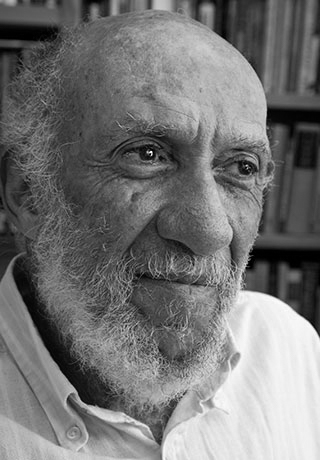
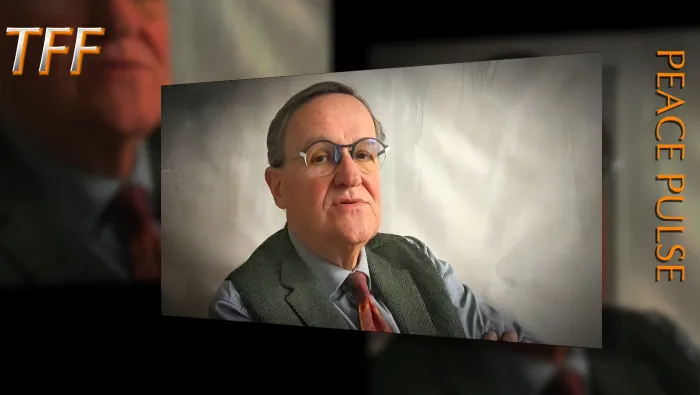
Professor Falk became an adviser to TFF when it was established in 1985.

Share

Leave a Reply

Your email address will not be published. Required fields are marked *

Related Posts

Peace is promoted by constructive proposals and dialogue Four preceding PressInfos have expressed concern over — and criticised — the ongoing, militarisation of the EU. Some will say: but there are no alternatives. We believe that there are always alternatives, that democracies are characterised by alternatives and choice, and that openly discussed alternatives will improve the quality and legitimacy of society’s decision–making. In addition, it is an intellectual and moral challenge to not only criticise but also be constructive. If we only tell people that we think they are wrong, they are not likely to listen. However, if we say: what are your views on this set of ideas and steps? — we may sometimes engage them in dialogue and sow a seed. Most people in power circles live their daily lives in in a time frame and a social space where certain ideas, viewpoints and concepts are just not...
Photos © TFF 2000 Read PressInfo 90 “Lift the Sanctions and Bring More Aid to Yugoslavia” See Pictures from Belgrade © TFF 2000 Please reprint, copy, archive, quote or re-post this item, but please retain the source.
Av FRANK SØHOLM GREVIL 16 augusti 2004  Vi er nu nået til tredje akt i det absurde teaterstykke, der i analogi med de store skueprocesser i Moskva 1936-38 er blevet døbt ‘Grevil-sagen’. Første akt bestod i min anonyme fremlæggelse af egenhændigt nedklassificerede rapporter i Berlingske Tidende i februar og marts. Andet akt udgjordes af min fremtræden med navn og billede i Information i april samt den efterfølgende mediestorm, som uden min direkte medvirken kostede en forsvarsminister taburetten samt en sigtelse for brud på tavshedspligten. Tredje akt bliver en retssag, hvor jeg står tiltalt for at have overtrådt straffelovens bestemmelser om uberettiget videregivelse eller udnyttelse af fortrolige oplysninger. Statsanklageren har ovenikøbet valgt at påberåbe sig særligt skærpende omstændigheder. Da jeg aldrig har modtaget betaling for at stille rapporterne til rådighed eller lade mig interviewe, må det skærpende bestå i, at “videregivelsen eller udnyttelsen er sket under sådanne omstændigheder, at det påfører...

Recent Articles

PressInfo # 141, December 21, 2001It’s time to prepare reconciliation between Albanians and Serbs PressInfo # 140, December 14, 2001Ibrahim Rugova’s decade-long leadership in Kosovo/a PressInfo # 139, 11. december, 2001En god nyhet: Jugoslaviens Sannings- och försoningskommission PressInfo # 139, 11. december, 2001Gode nyheder: Jugoslaviens Sandheds- og Forsoningskommission PressInfo # 139, December 11, 2001Good news: Yugoslavia’s Truth and Reconciliation Commission PressInfo # 138, November 8, 2001TFF co-founder PhD with thesis about young people with roots in other cultures PressInfo # 138, November 8, 2001TFF:s medstiftare doktor på avhandling om unga med ursprung i andra kulturer PressInfo # 137, October 17, 2001A new Marshall Plan: Advancing human security and controlling terrorism PressInfo # 136, October 15, 2001The UN and Annan really deserve it PressInfo # 135, October 10, 2001Preventing a terrorist mushroom cloud PressInfo # 134, 17 oktober, 2001Sverige og 11. september PressInfo # 134, October 9, 2001Sweden and September 11...
Peace is promoted by constructive proposals and dialogue Four preceding PressInfos have expressed concern over — and criticised — the ongoing, militarisation of the EU. Some will say: but there are no alternatives. We believe that there are always alternatives, that democracies are characterised by alternatives and choice, and that openly discussed alternatives will improve the quality and legitimacy of society’s decision–making. In addition, it is an intellectual and moral challenge to not only criticise but also be constructive. If we only tell people that we think they are wrong, they are not likely to listen. However, if we say: what are your views on this set of ideas and steps? — we may sometimes engage them in dialogue and sow a seed. Most people in power circles live their daily lives in in a time frame and a social space where certain ideas, viewpoints and concepts are just not...
Photos © TFF 2000 Read PressInfo 90 “Lift the Sanctions and Bring More Aid to Yugoslavia” See Pictures from Belgrade © TFF 2000 Please reprint, copy, archive, quote or re-post this item, but please retain the source.

TFF on Substack

Discover more from TFF Transnational Foundation & Jan Oberg.

Most Popular

PressInfo # 141, December 21, 2001It’s time to prepare reconciliation between Albanians and Serbs PressInfo # 140, December 14, 2001Ibrahim Rugova’s decade-long leadership in Kosovo/a PressInfo # 139, 11. december, 2001En god nyhet: Jugoslaviens Sannings- och försoningskommission PressInfo # 139, 11. december, 2001Gode nyheder: Jugoslaviens Sandheds- og Forsoningskommission PressInfo # 139, December 11, 2001Good news: Yugoslavia’s Truth and Reconciliation Commission PressInfo # 138, November 8, 2001TFF co-founder PhD with thesis about young people with roots in other cultures PressInfo # 138, November 8, 2001TFF:s medstiftare doktor på avhandling om unga med ursprung i andra kulturer PressInfo # 137, October 17, 2001A new Marshall Plan: Advancing human security and controlling terrorism PressInfo # 136, October 15, 2001The UN and Annan really deserve it PressInfo # 135, October 10, 2001Preventing a terrorist mushroom cloud PressInfo # 134, 17 oktober, 2001Sverige og 11. september PressInfo # 134, October 9, 2001Sweden and September 11...
Peace is promoted by constructive proposals and dialogue Four preceding PressInfos have expressed concern over — and criticised — the ongoing, militarisation of the EU. Some will say: but there are no alternatives. We believe that there are always alternatives, that democracies are characterised by alternatives and choice, and that openly discussed alternatives will improve the quality and legitimacy of society’s decision–making. In addition, it is an intellectual and moral challenge to not only criticise but also be constructive. If we only tell people that we think they are wrong, they are not likely to listen. However, if we say: what are your views on this set of ideas and steps? — we may sometimes engage them in dialogue and sow a seed. Most people in power circles live their daily lives in in a time frame and a social space where certain ideas, viewpoints and concepts are just not...
Photos © TFF 2000 Read PressInfo 90 “Lift the Sanctions and Bring More Aid to Yugoslavia” See Pictures from Belgrade © TFF 2000 Please reprint, copy, archive, quote or re-post this item, but please retain the source.
Read More
Imagen-thumbnail-The-Transnational-1
PressInfo # 141, December 21, 2001It’s time to prepare reconciliation between Albanians and Serbs PressInfo # 140, December 14, 2001Ibrahim Rugova’s decade-long leadership in Kosovo/a PressInfo # 139, 11. december, 2001En god nyhet: Jugoslaviens Sannings- och försoningskommission PressInfo # 139, 11. december, 2001Gode nyheder: Jugoslaviens Sandheds- og Forsoningskommission PressInfo # 139, December 11, 2001Good news: Yugoslavia’s Truth and Reconciliation Commission PressInfo # 138, November 8, 2001TFF co-founder PhD with thesis about young people with roots in other cultures PressInfo # 138, November 8, 2001TFF:s medstiftare doktor på avhandling om unga med ursprung i andra kulturer PressInfo # 137, October 17, 2001A new Marshall Plan: Advancing human security and controlling terrorism PressInfo # 136, October 15, 2001The UN and Annan really deserve it PressInfo # 135, October 10, 2001Preventing a terrorist mushroom cloud PressInfo # 134, 17 oktober, 2001Sverige og 11. september PressInfo # 134, October 9, 2001Sweden and September 11...
Imagen-thumbnail-The-Transnational-1
Peace is promoted by constructive proposals and dialogue Four preceding PressInfos have expressed concern over — and criticised — the ongoing, militarisation of the EU. Some will say: but there are no alternatives. We believe that there are always alternatives, that democracies are characterised by alternatives and choice, and that openly discussed alternatives will improve the quality and legitimacy of society’s decision–making. In addition, it is an intellectual and moral challenge to not only criticise but also be constructive. If we only tell people that we think they are wrong, they are not likely to listen. However, if we say: what are your views on this set of ideas and steps? — we may sometimes engage them in dialogue and sow a seed. Most people in power circles live their daily lives in in a time frame and a social space where certain ideas, viewpoints and concepts are just not...
Imagen-thumbnail-The-Transnational-1
Photos © TFF 2000 Read PressInfo 90 “Lift the Sanctions and Bring More Aid to Yugoslavia” See Pictures from Belgrade © TFF 2000 Please reprint, copy, archive, quote or re-post this item, but please retain the source.
Imagen-thumbnail-The-Transnational-1
Av FRANK SØHOLM GREVIL 16 augusti 2004  Vi er nu nået til tredje akt i det absurde teaterstykke, der i analogi med de store skueprocesser i Moskva 1936-38 er blevet døbt ‘Grevil-sagen’. Første akt bestod i min anonyme fremlæggelse af egenhændigt nedklassificerede rapporter i Berlingske Tidende i februar og marts. Andet akt udgjordes af min fremtræden med navn og billede i Information i april samt den efterfølgende mediestorm, som uden min direkte medvirken kostede en forsvarsminister taburetten samt en sigtelse for brud på tavshedspligten. Tredje akt bliver en retssag, hvor jeg står tiltalt for at have overtrådt straffelovens bestemmelser om uberettiget videregivelse eller udnyttelse af fortrolige oplysninger. Statsanklageren har ovenikøbet valgt at påberåbe sig særligt skærpende omstændigheder. Da jeg aldrig har modtaget betaling for at stille rapporterne til rådighed eller lade mig interviewe, må det skærpende bestå i, at “videregivelsen eller udnyttelsen er sket under sådanne omstændigheder, at det påfører...
Imagen-thumbnail-The-Transnational-1
Af Svenska Irakkommittén mot de Ekonomiska Sanktionerna (SIES) 13 september 2002 FN:s ekonomiska sanktioner mot Irak har nu pågått i tolv år och drabbat det irakiska folket med svåra lidanden. Enligt FN:s egna siffror har mer än 1,5 miljoner människor, varav ca 600 000 barn, dött som en direkt följd av sanktionerna. Dessutom har ett lågintensivt bombkrig mot landet pågått under dessa år. Av all denna förödelse- orsakad huvudsakligen av amerikansk och brittisk politik- har Saddam Husseins brutala och diktatoriska regim snarast stärkts än försvagats. Nu förbereder USA under president Bushs ledning ett storskaligt bombkrig mot Irak som kommer att innebära ett ännu större lidande för civilbefolkningen. Ett sådant krig kommer dessutom att ytterligare undergräva freden och säkerheten i världen. Att upprätta en demokratisk regim i Irak är det irakiska folkets angelägenhet och får enligt folkrätten inte ske med krigshandlingar utifrån. Folkrätten och FN:s stadgar måste respekteras. Vi vädjar till...