
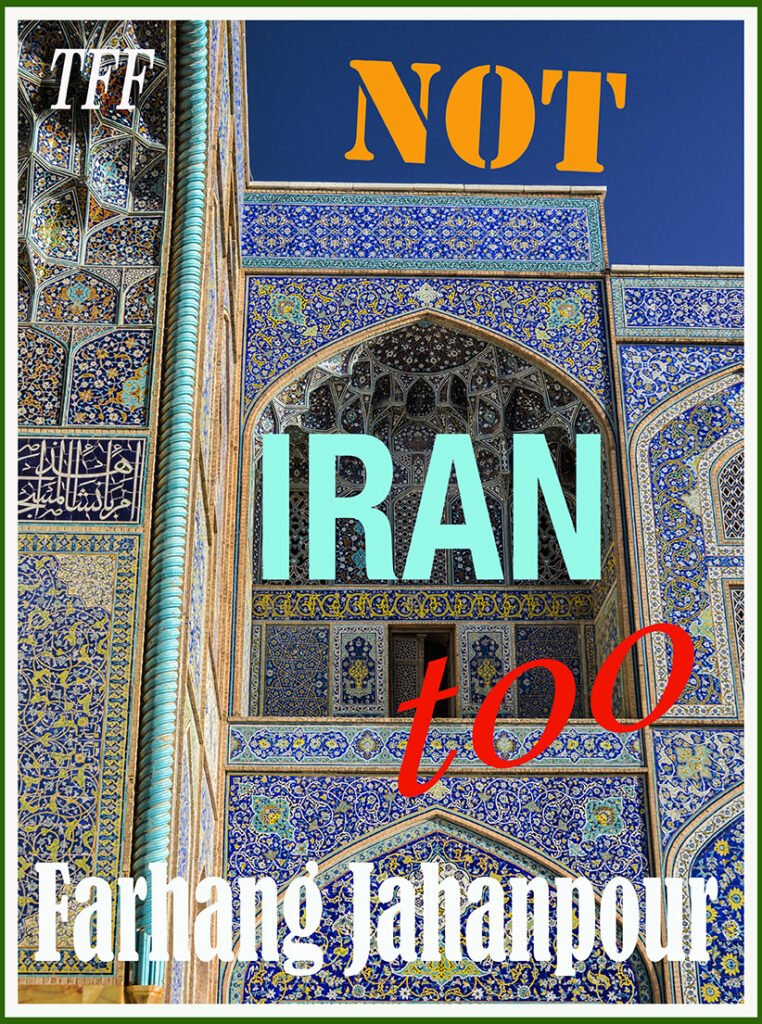
The Fragmentation of the Middle East

 
May 7, 2024, marks the seventh-month anniversary of the horrendous attack by Hamas militants on Israel, killing 695 Israeli civilians, 71 foreign nationals, and 373 security forces. Hamas and other militant groups also took 230 Israelis and other foreign nationals as hostages.
 
The temporary ceasefire agreement in November 2023 saw 105 civilians released from Hamas captivity, including 81 Israelis, 23 Thai nationals, and one Filipino. A number of remaining hostages are believed to have been killed as the result of Israeli bombings. Those terrorist attacks have been and must be strongly condemned.
 
In retaliation, Israel launched a major invasion of Gaza. Recent UN reports indicate that since October 7, 34,622 Palestinians have been killed in Gaza and 77,867 Palestinians have been injured. Some 70% of the killed have been women and children. Meanwhile, more than 400 Palestinians have been killed and hundreds injured in the West Bank by Israeli forces and illegal armed settlers. These figures do not cover the number of people killed and wounded during the past week.
 
As the UN secretary general said, Hamas’s attack did not come out of the blue, but was a violent reaction to decades of brutal Israeli occupation, and repeated attacks on Gaza aimed at “mowing the grass”, the Israeli definition of killing and wounding tens of thousands of Palestinians kept in Gaza concentration camp, besieged from land, air and sea.
 
The events of the past few months and years had been clearly anticipated in a number of documents prepared by Israeli and American Zionists. The authors of those reports clearly opposed any form of two-state solution, saying that giving back land for peace would “undermine the legitimacy of the nation and lead Israel into strategic paralysis and the previous government’s ‘peace process.’ That peace process obscured the evidence of eroding national critical mass – including a palpable sense of national exhaustion—and forfeited strategic initiative.”
 
They openly called for invading neighbouring states and changing their governments, and also ethnically cleansing the Palestinians from Israel and the Occupied Territories. The problem is that the world did not want to believe that such inhumane policies were possible in this day and age. However, the events of the past seven months show that Israeli leaders are meticulously implementing those plans.
 
Below is an article that I wrote a few years ago detailing those plans, published by TFF.


1. Israel: The policy’s background

As a small country with a tiny population surrounded by large and hostile countries, Israel’s policy ever since its establishment has been to rely on some external forces, the British Empire at the beginning of its creation and later on the American superpower to protect herself.

It has also involved the creation of a nuclear arsenal in contravention of the Non-Proliferation Treaty (the NPT) and by means of lies and deception, while being the most vociferous opponent of any other country in the Middle East to even have a peaceful nuclear programme for producing energy.

Another aspect of this policy of self-preservation has been to divide and partition the neighbouring countries so that they would lose their advantage of larger size and greater population vis-à-vis Israel.

As early as 1982, the Israeli scholar Oded Yinon authored an essay called “A Strategy for Israel in the Nineteen Eighties”, translated and edited by the late liberal Israeli activist Israel Shahak. (See Shahak, Israel; Yinon Oded, The Zionist Plan for the Middle East: Strategy for Israel in the Nineteen Eighties, World Zionist Organisation, 1982)

The book advocated Israel’s transformation into a regional imperial power via the fragmentation of the Arab world, “into a mosaic of ethnic and confessional groupings that could be more easily manipulated.”

Yinon wanted to encourage discord and feuding within and among Arab nations, destabilizing them, and resulting in their dismemberment into mini-states.

According to him, there were four advantages in that strategy:

1. Divided minorities are easier to exploit. Sunni-Shia conflict can achieve a greater aim by subverting Israel’s main threat which is a secular Arab nationalism united against it.

2. Greater military dominance lets Israel maintain its favoured status as a valued Washington ally.

3. Regional instability may lead to the breakup of the Saudi-dominated OPEC, which would weaken their influence in Washington and diminish its ability to finance Islamic extremists and Palestinian resistance.

4. Finally, Israel becomes freer to expel, ethnically cleanse, Palestinians from Israel and the Occupied Territories.

2. A Clean Break: A New Strategy for Securing the Realm

Later on, Yinon’s ideas formed the basis of the document prepared in 1996 by a group of American pro-Israeli activists for Benjamin Netanyahu, the new prime minister, called A Clean Break: A New Strategy for Securing the Realm”.

The document provided a new plan for solving Israel’s security problems in the Middle East. It was written by a study group whose members became very active and influential during the lead-up to the Iraq war.

Former US Assistant Secretary of Defence Richard Perle was the “Study Group Leader” and it also included Douglas Feith, James Colbert, Charles H. Fairbanks Jr, Robert Loewnberg, Jonathan Torop, and David and Meyrav Wurmser.

They all occupied influential positions in George W. Bush’s administration and were among the most ardent supporters of war with Iraq and a possible war against Iran.
The authors explicitly rejected the “Peace Process” that had been pursued by the former Prime Minister Yitzhak Rabin who was assassinated by a Jewish fanatic, and instead called for an assertive, aggressive policy that would give Israel the “strategic initiative.”

They wrote:

“Efforts to salvage Israel’s socialist institutions – which include pursuing supranational over national sovereignty and pursuing a peace process that embraces the slogan, ‘New Middle East’ – undermine the legitimacy of the nation and lead Israel into strategic paralysis and the previous government’s ‘peace process.’ That peace process obscured the evidence of eroding national critical mass – including a palpable sense of national exhaustion—and forfeited strategic initiative.”

They continued:

“Benjamin Netanyahu’s government comes in with a new set of ideas. While there are those who will counsel continuity, Israel has the opportunity to make a clean break; it can forge a peace process and strategy based on an entirely new intellectual foundation, one that restores strategic initiative and provides the nation the room to engage every possible energy on rebuilding Zionism, the starting point of which must be economic reform.”

The introduction specifically proposes three new policies:

1. Rather than pursuing a “comprehensive peace” with the entire Arab world, Israel should work jointly with Jordan and Turkey (both countries had very friendly relations with Israel at that time) to “contain, destabilize, and roll-back” those entities that pose threats to it.

2. Israel should change the nature of her relations with the Palestinians, specifically reserving the right of “hot pursuit” anywhere within Palestinian territory, as well as attempting to promote alternatives to Arafat’s leadership.

3. Israel should change the nature of her relations with the United States, stressing self-reliance and strategic cooperation.

Regarding Iraq and Syria, it called for the removal of Saddam Hussein from power, and the containment of Syria by engaging in proxy warfare and highlighting their possession of “weapons of mass destruction”. (See “A Clean Break: A New Strategy for Securing the Realm”, a report prepared by The Institute for Advanced Strategic and Political Studies”, 1996).

On Syria, the report advocated: “Syria challenges Israel on Lebanese soil. An effective approach, and one with which American can sympathize, would be if Israel seized the strategic initiative along its northern borders by engaging Hizballah, Syria and Iran, as the principal agents of aggression in Lebanon…”

The document added:

“Israel can shape its strategic environment, in cooperation with Turkey and Jordan, by weakening, containing, and even rolling back Syria.
This effort can focus on removing Saddam Hussein from power in Iraq — an important Israeli strategic objective in its own right — as a means of foiling Syria’s regional ambitions.”

The expulsion of the Syrians from Lebanon was achieved after the assassination of the Lebanese Prime Minister Rafiq Hariri.

At first, the Syrians were blamed for his assassination and among international clamour and US pressure, the Syrian government was forced to take its forces out of Lebanon, although initially they had gone to Lebanon at the invitation of the Lebanese government to protect the Christians.

Later on, when that mission was accomplished, the finger of accusation turned towards the Lebanese Hizballah, but right up to the present time the real truth about his murderers has not been established, and one is only left to speculate.

The Clean Break also revived the old pre-First World British plan to install the Hashemites as rulers of Iraq and Syria, partly also with the aim of enhancing the influence of Najaf and weakening Iran.

The report pointed out: “Since Iraq’s future could affect the strategic balance in the Middle East profoundly, it would be understandable that Israel has an interest in supporting the Hashemites in their efforts to redefine Iraq.”

The day-dream continued:

“Were the Hashemites to control Iraq, they could use their influence over Najaf to help Israel wean the south Lebanese Shia away from Hizballah, Iran and Syria.”

It even argued that the Shia retain strong ties to the Hashemites, despite the old hostility between the Shiites and the Sunni Hashemites that originated from Saudi Arabia.

In another paper written for the Jerusalem-based Institute for Advanced Strategic and Political Studies, David Wurmser sought to mobilize the far-right wing of Israel’s Likud party, represented by Netanyahu, around a vision of a Greater Israel surrounded by much lesser enemies.

Syria, in Wurmser’s view, was the main target, but the road to Damascus, he contended, had to run though Baghdad. “Whoever inherits Iraq dominates the entire Levant strategically,” he wrote.

The key to Israel’s regional hegemony was in rejecting “land for peace” and creating a “natural axis” consisting of Israel, Jordan, and a Hashemite Iraq that could “squeeze and detach Syria from the Saudi peninsula.” (Quoted in Charles Davis, “Why Did We Invade Iraq?”, LobeLog, April 28, 2015).

This would be “the prelude to redrawing the map of the Middle East” – naturally to Israel’s advantage.

3. A series of war being planned

Of course, Israel could not achieve all this on its own, but by having powerful friends in the US administration it could encourage the US government to implement those plans.

General Wesley Clark, the former Supreme Allied Commander of NATO during the 1999 war in Yugoslavia, has revealed a part of the plan that was implemented under President George W. Bush to invade and destroy various countries in order to strengthen Israel.

He said that he had gone to the Pentagon right after 9/11 to see Secretary of Defence Donald Rumsfeld and Deputy Secretary Paul Wolfowitz.

When he was at the Pentagon, he saw an old friend who told him that a plan had been drawn up to attack Iraq. The friend said: “We’ve made the decision we’re going to war with Iraq.”

When Clark asked him why they wanted to attack Iraq, the friend replied: “I don’t know. I guess they don’t know what else to do.” Clark asked his friend: “Well, did they find some information connecting Saddam to al-Qaeda?” He said, “No, no. There’s nothing new that way. They just made the decision to go to war with Iraq.”

He continued: “I guess it’s like we don’t know what to do about terrorists, but we’ve got a good military and we can take down governments.” He surmised: “I guess if the only tool you have is a hammer, every problem has to look like a nail.” (See “Global Warfare: We’re Going to Take out 7 Countries in 5 Years: Iraq, Syria, Lebanon, Libya, Somalia, Sudan and Iran…” Video Interview with General Wesley Clark, Democracy Now, 2 March 2007).

The friend fetched a memo, saying: “This is a memo that describes how we’re going to take out seven countries in five years, starting with Iraq, and then Syria, Lebanon, Libya, Somalia, Sudan and, finishing off, Iran.”

In that interview, General Wesley Clark called what was happening a coup, organised by a “cabal” against the wider US interests.

The history of American wars and invasions since 9/11 shows that the above-mentioned plan has been almost entirely carried out and only Iran is left to finish off the list.

As a British official told Newsweek shortly before the Iraq war, “Everyone wants to go to Baghdad. Real men want to go to Tehran.” (See Newsweek, 8.18.02).

Now, the real men round President Trump, some of whom like John Bolton have been trying to go to Tehran even before the Iraq war, are trying to complete the list and subject Iran to a violent regime change in order to bring “democracy and freedom” to Iran.

The Clean Break concluded: “Israel – proud, wealthy, solid, and strong – would be the basis of a truly new and peaceful Middle East.”

Sadly, although Israel has moved much further to the right and is seemingly proud and strong, not only has it not led to a truly peaceful Middle East, but Israeli policies have been the cause of massive conflict, destruction, suffering and destabilisation.

3. The Suez debacle

Israel itself also has a long history of invading neighbouring countries and interfering in their affairs, with the aim of weakening them and bringing them under Israeli control.

After the Egyptian government nationalized the Suez Canal Company in 1956 (to which it was legally entitled), the leaders of Britain, France, and Israel colluded in a scheme to topple Egyptian president Gamal Abdel Nasser and replace him with a more subservient leader.

Israel agreed to invade the Sinai Peninsula, providing the pretext for Britain and France to intervene to “protect the canal.” They assumed that Nasser’s defeat would puncture his popularity and would lead to his downfall.

However, not only did Nasser not fall, but the United States and the Soviet Union that did not wish to see the return of new European colonialism in the Middle East forced Britain, France, and Israel to withdraw from the territories they had seized.

As a result, Nasser’s popularity increased and his position was strengthened.

4. Ariel Sharon’s attempt to change the government in Lebanon

After invading southern Lebanon in 1978, Israel launched a massive attack on Lebanon on 6 June 1982, ostensibly in retaliation for the attempted assassination of the Israeli ambassador in London, which was carried out by Abu Nidal, a staunch enemy of the Palestine Liberation Organisation (PLO), but Israel blamed the PLO anyway.

However, the real aim of the invasion, which had been pre-planned, was to force the PLO out, and install a pro-Israel government in Lebanon. Israel invaded with an army of 76,000 troops, 800 tanks, 1,500 armoured personnel carriers and 634 airplanes. Lebanon’s weak government and lightly armed Palestinian guerrilla groups could not hold off the onslaught.

According to International Red Cross, Israeli forces killed 9,583 and injured a further 16,608 during the first week of the invasion. By the end of the second week, at least 14,000 people were killed and 20,000 were injured. (See Robert Fisk, Pity the Nation: Lebanon at War (Oxford University Press, 2001), pp. 255-257).

Lebanese sources have estimated that 17,825 Lebanese and roughly 9,797 Syrian and PLO fighters were killed.

The civilian death toll was very high as well, with at least 2,513 killed outside of the Beirut area. (See Robert Fisk, ibid).

The invasion was accompanied by the massacre of thousands of Palestinian refugees in Sabra and Shatila camps by Israel’s Phalangist allies who were ordered by the Israeli Defence Force (IDF) to clear out the camps.

According to several reports, Sharon gave the Phalangists carte blanche to enter the camps after Israel occupied Beirut. A UN commission described the massacre as a form of genocide.

However, despite all those atrocities, the whole scheme soon unravelled. Ariel Sharon installed Israel’s favourite candidate Bashir Gemayel, a senior member of a Phalange party, as Lebanon’s president. The Israeli Prime Minister Menachem Begin hoped to sign an agreement with him that would give Israel “forty years of peace”.

However, following the assassination of Gemayel in September 1982, Israel’s position in Lebanon became untenable and no such treaty was ever signed.

Following the continued Israeli occupation of South Lebanon and oppressing its mainly Shi’ite population, the Shi’ite Movement the Hezbollah was born, and it eventually forced Israel to leave Southern Lebanon in 2000.

Israel again attacked Lebanon in July 2006, which killed between 1,200-1,300 Lebanese people and displaced nearly one million Lebanese. Israel fired 4.6 million sub-munitions into dozens of towns and villages in southern Lebanon in 962 separate strikes, circa 90% within the final 72 hours of the war, when the conflict already had been largely resolved by UN Security Council Resolution 1701.

Nevertheless, despite this brutality and deliberate damage that it inflicted on the Lebanese people, Israel got a bloody nose by the Lebanese Hezbollah and was forced to retreat.

So, the only outcome of Israel’s attempts at regime change in Lebanon was the creation of Hezbollah, which has proved to be Israel’s most effective enemy in Lebanon.

In Parts 6-9 follows a partial list of the countries that the United States has been directly involved in, partly in order to serve its own geopolitical interests vis-à-vis the former Soviet Union, and in some cases in order to help and protect her ally Israel.

Share and use these hastags

#NotIranToo

#BuildTrustWithIran

#CooperateWithIranNow

Photos

All from today’s Iran by Jan Oberg.
You can see many more here and purchase limited, signed editions here.
© Oberg PhotoGraphics



Share

Leave a Reply

Your email address will not be published. Required fields are marked *

Related Posts

The MIMAC – Military-Industrial-Media-Academic Complex – drives the world’s rampant militarism and wars without end. Here is a short reflection of how it works against all interests of humanity. #5 deals with why there is no real enemy or threat images/analysis. It’s all ex-post constructions. And, btw, theTFF Peace Pulse is now on Rumble.
Jan Oberg, TFF director April 28, 2026 In this third TFF Peace Pulse, I make the important distinction between the violence and the conflict that violence is a symptom of. If you want peace, focus on the underlying conflict because that is the key to resolution, peacemaking, and a better future for the parties. The West is obsessed with violence, just look around you – and 90+ per cent of the public debate is about military issues and other violence – totally wasted for peace. These Peace Pulses will only be published here a few times. You will also not find them on YouTube and Vimeo because both platforms have blocked TFF and me; you know, peace is dangerous these days. Most TFF’s videos since 2007 are now on Rumble.
In contrast to most, we’ll bring alternatives, solutions, hope and strategies for a better future. Times are dangerous, yes, but that only intensifies the need for constructive thinking and action! Jan Oberg, TFF director April 13, 2026 The new TFF Peace Pulse uses video messages in a new way: Max 3-5-minute-long comments, ideas or perhaps mini-lectures, all about peace – positive peace. We launch them today on April 13, 2026 with a carefully crafted visual aesthetic fitting the content. We hope to publish them regularly from now on. We launch Peace Pulse (PP) – for a number of reasons. The world is in chaos, and there are countless reasons to feel concerned, frustrated, even angry. The atmosphere is saturated with doom and gloom, with negative energy and rear‑mirror thinking, while vision, imagination, alternatives, strategies and genuine future‑mindedness remain in short supply. And without them, we simply can’t save the world. Looking at problems from a hundred angles will...

Recent Articles

The most recent on top Farhang Jahanpour, January 7, 2012 As US and Iran confront each other, where is the diplomacy? Farhang Jahanpour, August 3, 2011 Iran can’t reform itself – the power struggle bewtween Ahmadinejad and Khamenei Farhang Jahanpour, May 17, 2011 Is Iran next? The Supreme Leader versus Ahmadinejad Farhang Jahanpour, March 4, 2011 The revolutions in the Arab world: The need for long-term thinking and humility Farhang Jahanpour, December 15, 2010 The Wikileak files: The banality of politics Farhang Jahanpour, November 18, 2010 This is what ought to be the U.S.’s interests in the Middle East! Farhang Jahanpour – Video on Vimeo, October 6, 2010 Towards a solution in the Middle East Farhang Jahanpour and Susanne Sklar, July 28, 2010 Dialogue on nuclear weapons and culture of peace by TFF Associate and a TFF friend Farhang Jahanpour, July 28, 2010 Iran, Turkey and Israel – New Global...
Lidt om bogen Bogens indhold Bestil bogen her Anmeldelser Siden den kolde krigs afslutning har dansk udenrigs- og sikkerhedspolitik bevæget sig langt ind i en politisk og moralsk blindgyde. Men det tjener hverken os eller verden at Danmark er blevet en krigs- og besættelsesmagt, viser den internationalt respekterede danske freds- og fremtidsforsker, Jan Øberg i denne bog. Tværtimod mindsker det vores og andres sikkerhed og bidrager til at øge, snarere end at mindske, terrortruslen. Forudsigelig fiasko – der udkommer 4. juni 2004 – sætter fokus på det irakiske samfund og Vestens måde at betragte og behandle Irak på. Jan Øberg kombinerer konkret konfliktanalyse med et personligt engagement, og underbygger overbevisende og konsekvent det synspunkt, at Vestens mangelfulde konfliktforståelse og ukyndige konflikthåndtering måtte ende med den ulykkelige krig. Det er en krig, som efter forfatterens opfattelse hverken kan fremme ædle motiver – etablere et demokratisk Irak – eller økonomisk-kulturelle interesser, men...
Burundi – hopp om fred Burundi, var är det nu det ligger? Det är nånting med Hutsier och Tutuer – eller vad de nu heter – som mördar varandra med machete-knivar, nånting med fattigdom, korruption, militärdiktatur, nöd och elände? Det hopplösa, mörka Afrika i ett bananskal, eller hur? Tja. Jag har precis varit där. Det ligger naturligtvis någonting i det. Och det finns en del orsaker till att vi inte ser mycket om landet i massmedia. En av dem är att det inte försiggår något folkmord just nu, ingen naturkatastrofer, ingen kupp. Det finns ingen misslyckad FN-mission, USA och EU har få intressen, Madeleine Halfbright har inte sagt något om det nyss, NATO:s Solana ser inte bombningar i Burundi som viktiga för firandet av alliansens 50-årsdag i april. För en tid sedan då 50 människor mördades strömmade hundratals journalister med CNN i spetsen till Burundi…men för att snabbt försvinna till Kongo...

TFF on Substack

Discover more from TFF Transnational Foundation & Jan Oberg.

Most Popular

The most recent on top Farhang Jahanpour, January 7, 2012 As US and Iran confront each other, where is the diplomacy? Farhang Jahanpour, August 3, 2011 Iran can’t reform itself – the power struggle bewtween Ahmadinejad and Khamenei Farhang Jahanpour, May 17, 2011 Is Iran next? The Supreme Leader versus Ahmadinejad Farhang Jahanpour, March 4, 2011 The revolutions in the Arab world: The need for long-term thinking and humility Farhang Jahanpour, December 15, 2010 The Wikileak files: The banality of politics Farhang Jahanpour, November 18, 2010 This is what ought to be the U.S.’s interests in the Middle East! Farhang Jahanpour – Video on Vimeo, October 6, 2010 Towards a solution in the Middle East Farhang Jahanpour and Susanne Sklar, July 28, 2010 Dialogue on nuclear weapons and culture of peace by TFF Associate and a TFF friend Farhang Jahanpour, July 28, 2010 Iran, Turkey and Israel – New Global...
Lidt om bogen Bogens indhold Bestil bogen her Anmeldelser Siden den kolde krigs afslutning har dansk udenrigs- og sikkerhedspolitik bevæget sig langt ind i en politisk og moralsk blindgyde. Men det tjener hverken os eller verden at Danmark er blevet en krigs- og besættelsesmagt, viser den internationalt respekterede danske freds- og fremtidsforsker, Jan Øberg i denne bog. Tværtimod mindsker det vores og andres sikkerhed og bidrager til at øge, snarere end at mindske, terrortruslen. Forudsigelig fiasko – der udkommer 4. juni 2004 – sætter fokus på det irakiske samfund og Vestens måde at betragte og behandle Irak på. Jan Øberg kombinerer konkret konfliktanalyse med et personligt engagement, og underbygger overbevisende og konsekvent det synspunkt, at Vestens mangelfulde konfliktforståelse og ukyndige konflikthåndtering måtte ende med den ulykkelige krig. Det er en krig, som efter forfatterens opfattelse hverken kan fremme ædle motiver – etablere et demokratisk Irak – eller økonomisk-kulturelle interesser, men...
Burundi – hopp om fred Burundi, var är det nu det ligger? Det är nånting med Hutsier och Tutuer – eller vad de nu heter – som mördar varandra med machete-knivar, nånting med fattigdom, korruption, militärdiktatur, nöd och elände? Det hopplösa, mörka Afrika i ett bananskal, eller hur? Tja. Jag har precis varit där. Det ligger naturligtvis någonting i det. Och det finns en del orsaker till att vi inte ser mycket om landet i massmedia. En av dem är att det inte försiggår något folkmord just nu, ingen naturkatastrofer, ingen kupp. Det finns ingen misslyckad FN-mission, USA och EU har få intressen, Madeleine Halfbright har inte sagt något om det nyss, NATO:s Solana ser inte bombningar i Burundi som viktiga för firandet av alliansens 50-årsdag i april. För en tid sedan då 50 människor mördades strömmade hundratals journalister med CNN i spetsen till Burundi…men för att snabbt försvinna till Kongo...
Read More
The most recent on top Farhang Jahanpour, January 7, 2012 As US and Iran confront each other, where is the diplomacy? Farhang Jahanpour, August 3, 2011 Iran can’t reform itself – the power struggle bewtween Ahmadinejad and Khamenei Farhang Jahanpour, May 17, 2011 Is Iran next? The Supreme Leader versus Ahmadinejad Farhang Jahanpour, March 4, 2011 The revolutions in the Arab world: The need for long-term thinking and humility Farhang Jahanpour, December 15, 2010 The Wikileak files: The banality of politics Farhang Jahanpour, November 18, 2010 This is what ought to be the U.S.’s interests in the Middle East! Farhang Jahanpour – Video on Vimeo, October 6, 2010 Towards a solution in the Middle East Farhang Jahanpour and Susanne Sklar, July 28, 2010 Dialogue on nuclear weapons and culture of peace by TFF Associate and a TFF friend Farhang Jahanpour, July 28, 2010 Iran, Turkey and Israel – New Global...
Lidt om bogen Bogens indhold Bestil bogen her Anmeldelser Siden den kolde krigs afslutning har dansk udenrigs- og sikkerhedspolitik bevæget sig langt ind i en politisk og moralsk blindgyde. Men det tjener hverken os eller verden at Danmark er blevet en krigs- og besættelsesmagt, viser den internationalt respekterede danske freds- og fremtidsforsker, Jan Øberg i denne bog. Tværtimod mindsker det vores og andres sikkerhed og bidrager til at øge, snarere end at mindske, terrortruslen. Forudsigelig fiasko – der udkommer 4. juni 2004 – sætter fokus på det irakiske samfund og Vestens måde at betragte og behandle Irak på. Jan Øberg kombinerer konkret konfliktanalyse med et personligt engagement, og underbygger overbevisende og konsekvent det synspunkt, at Vestens mangelfulde konfliktforståelse og ukyndige konflikthåndtering måtte ende med den ulykkelige krig. Det er en krig, som efter forfatterens opfattelse hverken kan fremme ædle motiver – etablere et demokratisk Irak – eller økonomisk-kulturelle interesser, men...
Burundi – hopp om fred Burundi, var är det nu det ligger? Det är nånting med Hutsier och Tutuer – eller vad de nu heter – som mördar varandra med machete-knivar, nånting med fattigdom, korruption, militärdiktatur, nöd och elände? Det hopplösa, mörka Afrika i ett bananskal, eller hur? Tja. Jag har precis varit där. Det ligger naturligtvis någonting i det. Och det finns en del orsaker till att vi inte ser mycket om landet i massmedia. En av dem är att det inte försiggår något folkmord just nu, ingen naturkatastrofer, ingen kupp. Det finns ingen misslyckad FN-mission, USA och EU har få intressen, Madeleine Halfbright har inte sagt något om det nyss, NATO:s Solana ser inte bombningar i Burundi som viktiga för firandet av alliansens 50-årsdag i april. För en tid sedan då 50 människor mördades strömmade hundratals journalister med CNN i spetsen till Burundi…men för att snabbt försvinna till Kongo...
Mr President ! President Bill Clinton gjorde i tisdags en blixtvisit i Kosovo. I ett tal manade han albanerna att sluta hämnas på den krympande serbiska minoriteten. Han besökte också de amerikanska soldaterna på den nya Bondsteelbasen. Det finns viktiga frågor som borde ha ställts still honom om Balkan och Kosovo och om USA:s ledande roll i bombningarna av Jugoslavien. Det borde vara en självklarhet att oberoende medier i demokratiska länder låter politiska ledare svara på viktiga frågor. Men ställdes verkligen de viktiga frågorna? Här är några frågor som jag skulle ha ställt ˆ om jag vore journalist och hade fått tillfälle att göra en intervju i tisdags. (1) Mr President! Amerikanska plan bombade i våras Jugoslavien och Kosovo med er som överbefälhavare. Aktionen rättfärdigades av uppgifter om ett folkmord planerat av Belgrad. Dessa uppgifter har nu visat sig vara grovt missvisande eller falska. Hur ställer Ni er till detta?...
Burundi – håb forude Burundi, hvor er det nu det ligger? Det er noget med Hutsier og Tutuer – eller hvad de nu hedder – der laver folkemord med machete-knive på hinanden, noget med fattigdom, korruption, militærdiktatur, nød og elendighed? Det håbløse, mørke Afrika i en bananskal, ikke? Tjah. Jeg har lige været der. Der er selvfølgelig noget om snakken. Der er en del årsager til at man ikke hører særligt meget om livet i dette lille land. En af dem er at der ikke foregår noget folkemord for tiden, ingen naturkatastrofer, intet kup. Der er ingen mislykket FN-mission, USA og EU har ingen interesser, Madeleine Halfbright har ikke sagt noget om det, NATO’s Solana ser ikke bombinger i Burundi som afgørende forud for alliancens 50årsdag. For nogen tid siden da et halvt hundrede mennesker var blevet dræbt valfartede hundreder af journalister med CNN i spidsen dertil . . . men...
Rambouillet (Rambo-Yeah) og Rashid Vi skriver fredag den 19. januar. For få dage siden kom jeg hjem fra små tre uger i Skopje, Beograd og Kosovo. Min analyse og min intuition siger mig dét, jeg ikke vil høre: bombningerne nærmer sig. Det var 34. besøg siden 1991. Jeg er delvist uddannet i Dubrovnik, fra 1974. Jeg kan ikke slippe det. Det er altså også mit land, der atter trues af den kulturkreds, jeg tilhører. Radmila og Peca i Beograd, venner siden 1974, intellektuelle der har valgt ikke at forlade landet og netop har sagt nej til et ophold i udlandet. Datteren Anja på 9 skal vokse op hér. "Jeg rejste ned nu," siger jeg, "fordi der enten ville falde bomber eller blive en eller anden slags ‘forhandling’ og jeg vil være hér hvis I blir bombet, for jeg skammer mig over hvad Danmark og andre lande gør." Hun får tårer...