The UN International Day of Peace
One half of the population, here and in the Middle East, is barely being used when it comes either to causing terror or preventing it. Ninety seven percent of bombers and suicide bombers are male, as are over ninety percent of those conducting the so-called ‘war on terror’.
Maybe it is time to consider what women would do. In fact, most governments have signed up to United Nations Resolution 1325, which is a worldwide agreement that we will include women in preventing and resolving violence. Why? Because all over the world women have shown that they’re good at it.
Dekha Ibrahim Abdi is a Muslim woman from the borders of Kenya and Somalia. In 1992 she managed to stop a clan war that had cost 1,500 lives, by getting together with women from the opposing clan. This was not sewing circle stuff. She said “If a member of my clan kills a member of your family, will you still work with me for peace? If you can’t say yes, don’t join.” They were so successful in solving disputes that the Kenyan President gave her an office in Nairobi and she now teaches her methods in other parts of Africa.
In Northern Ireland the Women’s Peace Party played a significant part in the Good Friday Agreement. Jo Berry, daughter of a Tory MP killed in the Brighton bombing, sought out the man who planted the bomb when he came out of jail in 1999, went through a gradual process of reconciliation with him, and now works with him to support victims and perpetrators of political violence in finding peace.
Dr Sima Semar, now Minister for Human Rights in Afghanistan, has for years systematically set up education and health centres for Afghani women and girls, knowing that they hold the key to peace. Her offices have twice been blown up, but she says she’s too busy to be afraid and simply continues her work.
When the five warring clans in Somalia were unable to reach agreement, Somali women asked to participate in the negotiations and were turned down. So under the leadership of Asha Haji Elmi, and the women’s network Save Somali Women and Children, they formed themselves into the sixth clan. They have since made a significant contribution to building peace in Somalia.
Women working for peace..but made invisible
And so on, but invisibly. It is thought that there are literally thousands of women’s peace initiatives springing up at grassroots level in the world’s tougher corners, and the London-based organisation Peace Direct is setting out to document just how many there are.
This is not to say that men are no good at peace-building; many have been spectacularly successful. It’s simply that when it comes to terror, the female way of doing things, which can be done effectively by either sex, is under used. This way of doing things tends to invest a lot of time in listening to human needs, to value the making of connections, and to favour the use of respect rather than the use of force.
Measures such as training a significant number of women for the police forces, and supporting the role of women in development and education can bring striking results in areas of conflict. The first lady of Egypt has recently established an international organisation to train women, especially in the Middle East, in state-of-the-art conflict resolution and peace-building techniques.
Special concern for the Iraqi women
But in Iraq, life for women is getting tougher. Just as Iraqi women were anticipating a new era of democracy and freedom, a wave of intimidation by extremist groups has arisen to crush their hopes. The NGO Shevolution reports that insurgents and religious fundamentalists are using rape, acid and assassination to force Iraqi women to wear the veil &endash; the first signal of further repression to come. Many Iraqi women have never worn the scarf. Now, dead bodies of girls and women are found in rivers and on waste ground with a veil tied around the head, as a message.
Violent oppression of women is spreading across Iraq, but there is silence from world leaders, religious leaders, politicians and the media. Yet Iraqi women could be the key to the country’s future. Due to decades of war, 62% of the adult population of Iraq are female and most are well educated. What is needed now is legislation to protect women’s rights, a national education programme to inform women of their rights, and to raise awareness among men of the value of including women in every walk of life, including politics.
So what could female power do in Britain to make us safer?
Women could be chiefly responsible for driving a powerful ‘human security’ or ‘soft’ approach to tackling the threat from terrorism – based on winning hearts and minds through addressing the real human needs that, frustrated and ignored, fuel violence.
In Britain it will mean adopting a gender-aware approach to dealing with the underlying causes of terrorism. For both policy makers and communities, it is essential to fully involve Muslim women in raising grievances and addressing problems within their communities and more widely.
People habitually find it easier to talk to women, and difficult to talk to the police. Therefore it would make sense to set up a national free hotline, where the caller remained anonymous and their number unidentifiable, to enable people anxious about the activities of people they know, to talk about it to women. At the very least this would help to build up a profile not only of how widespread are the preparations for attacks, but also of the motives.
In order to prevent attacks it is essential to understand why people are driving themselves to such extremes as suicide bombing. Mothers, sisters and girlfriends spend a lot of time listening, and what they pick up could, again anonymously, form the basis for profiles on the causes of fury. In the British cases it seems that the bombers were not psychotic, but rather ordinary young men who had become driven by intense fury, fuelled no doubt by indoctrination. It is crucial that that fury is understood, analysed and listened to.
In the corporate world women are actively sought out for middle management roles because it is widely recognised that they are effective communicators and have a natural talent for building bridges. It is time for women to be not just allowed, but actively encouraged, to introduce their particular ways of doing things into all our efforts to deal with terrorism.
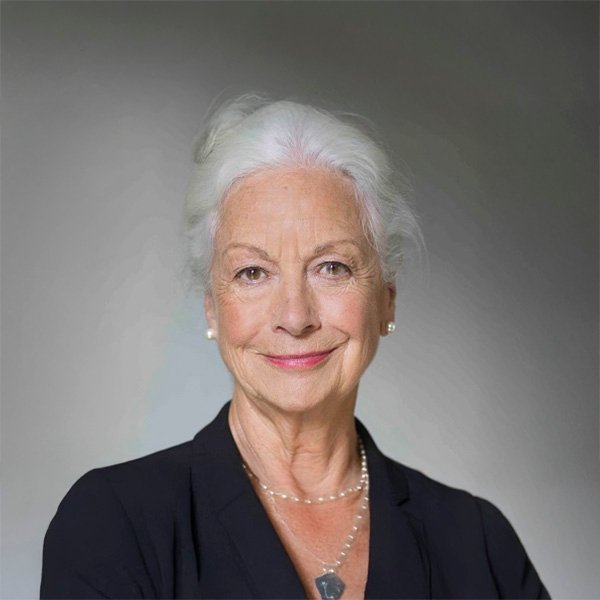
Scilla Elworthy and Gabrielle Rifkind are authors of ‘Hearts and Minds: human security approaches to terrorism’ published in July 2005 by Demos. See also PeaceDirect.
© TFF and the author 2005