

Senate Vote Leaves the World a More Dangerous Place

In failing to ratify the Comprehensive Test Ban Treaty, the US Senate played partisan politics with an issue of utmost importance to the security of the US and the world. In observing the debates in the Senate on this issue, I was once again left with the impression that our Senators do not fully understand and do not particularly care that the rest of the world pays attention to what they say and do. Much of the world looks to the United States for leadership, but there is little to be found these days in the highest offices of our government.

In 1995 I attended the Review and Extension Conference of the Treaty on the Non-Proliferation of Nuclear Weapons (NPT). It was and remains clearly in the interests of the United States and all other countries in the world to prevent further proliferation of nuclear weapons. At that Treaty Conference the US was fighting for the indefinite extension of the Treaty. Many other countries were questioning, however, whether the Treaty should be extended indefinitely since the US and other nuclear weapons states had not kept their promise for good faith negotiations on nuclear disarmament during the first 25 years of the Treatyís existence.

In the end, the NPT was extended indefinitely. To achieve this result the US and the other nuclear weapons states agreed to a set of Principles and Objectives that included ìa universal and internationally and effectively verifiable Comprehensive Nuclear-Test-Ban Treaty no later than 1996.î This Treaty was, in fact, negotiated and opened for signatures in September 1996. The first country to sign was the United States.

The Comprehensive Test Ban is a treaty that is very much in our interests. After all, we have already conducted some 1,050 atmospheric and underground nuclear test explosions, more than any other nation. The Treaty allows conducting laboratory tests by computer simulation. The US has also been conducting sub-critical nuclear tests at the Nevada Test Site, although these violate the spirit if not the letter of the treaty. We are currently spending some $4.5 billion annually on our Stockpile Stewardship and Management Program to maintain our nuclear arsenal.

When the Senate defeated the ratification of the Comprehensive Test Ban Treaty we were saying to the world that we have little interest in providing leadership toward a nuclear weapons free world. Rather, we want to hold open the option of further testing of our nuclear weapons. This means, of course, that other nations may well decide to do the same.

Prior to the Senate vote, leaders of our key allies in Europe – President Jacques Chirac of France, Prime Minister Tony Blair of Britain, and Chancellor Gerhard Schroder of Germany, wrote: “Rejection of the treaty in the Senate would remove the pressure from other states still hesitating about whether to ratify it. Rejection would give great encouragement to proliferators. Rejection would also expose a fundamental divergence within NATO.”

But the Senate was not to be swayed by either friends or logic. They chose instead to place their bets on continued reliance on nuclear weapons. They have also, along with the Members of the House of Representatives, voted to deploy a National Missile Defense System “as soon as technologically feasible.” This would mean undermining the Anti-Ballistic Missile Treaty, an arms control measure that came into force under the Nixon administration. Despite assurances by the Defense Department that the planned missile defense system is aimed at so-called ìrogueî nations and not at the Russians, the Russians have indicated that such a system could mean the end of further reductions in nuclear armaments and possibly the beginning of a new offensive nuclear arms race.

Neither we nor the Russians want to return to the days of the Cold War. We know the price that was extracted in terms of risk to humanity and in terms of resources (more than $5.5 trillion spent by the U.S. alone). We live in a dangerous world. But, as many top US military leaders have pointed out, there is no problem that nuclear weapons would not make worse.

Lest we forget, here is what nuclear weapons can do. One nuclear weapon could destroy a city. Two small nuclear weapons destroyed Hiroshima and Nagasaki. Ten nuclear weapons could destroy a country. Imagine the US with New York, Washington, DC, Chicago, Boston, Philadelphia, Atlanta, Dallas, San Francisco, Los Angeles, and Seattle destroyed by nuclear blasts.

One hundred nuclear weapons could destroy civilization. One thousand nuclear weapons could destroy the human species and most life on Earth. And yet, there remain some 35,000 nuclear weapons in the world. Some 5,000 of these are on hair-trigger alert despite the fact that the Cold War ended ten years ago.

The Congress is displaying an ostrich-like mentality, believing that we can threaten others with our nuclear weapons while putting up a ìshieldî to protect ourselves. What is most disturbing about this worldview is that while we keep our collective heads in the sand, we are missing the opportunity to show real leadership in moving toward a world free of nuclear weapons. This opportunity may not come again.

In April 1999 the Nuclear Age Peace Foundation presented its Distinguished Peace Leadership Award to General Lee Butler, a former Commander in Chief of the United States Strategic Command. General Butler was once in charge of all US strategic nuclear weapons. He was the man responsible for advising the President of the United States on whether or not to use nuclear weapons in a crisis situation. While he held this position, General Butler could never be more than three rings from his telephone. He is now an ardent advocate of abolishing all nuclear weapons.

While with us in Santa Barbara, General Butler recalled: ìWhen I retired in 1994, I was persuaded that we were on a path that was miraculous, that was irreversible, and that gave us the opportunity to actually pursue a set of initiatives, acquire a new mindset, and re-embrace a set of principles having to do with the sanctity of life and the miracle of existence that would take us on the path to zero. I was dismayed, mortified, and ultimately radicalized by the fact that within a period of a year that momentum again was slowed. A process that I have called the creeping re-rationalization of nuclear weapons was introducedÖ.î

The Senate vote on the CTBT is reflective of this ìcreeping re-rationalization of nuclear weapons.î It will undoubtedly be a major subject of concern when the Review Conference for the Non-Proliferation Treaty is held in the year 2000. Representatives of many countries will note that the US and other nuclear weapons states have not ratified the CTBT, and they will wonder why. They will wonder whether they should not hold open their own options for developing nuclear arsenals. They will ask: ìIf the worldís most powerful nation chooses to base its security on nuclear weapons and keeps open its options to continue testing these weapons, shouldnít we consider doing so as well?î

In the end, the Senateís vote was arrogant and shortsighted. It leaves the world a more dangerous place, and the future in greater doubt.

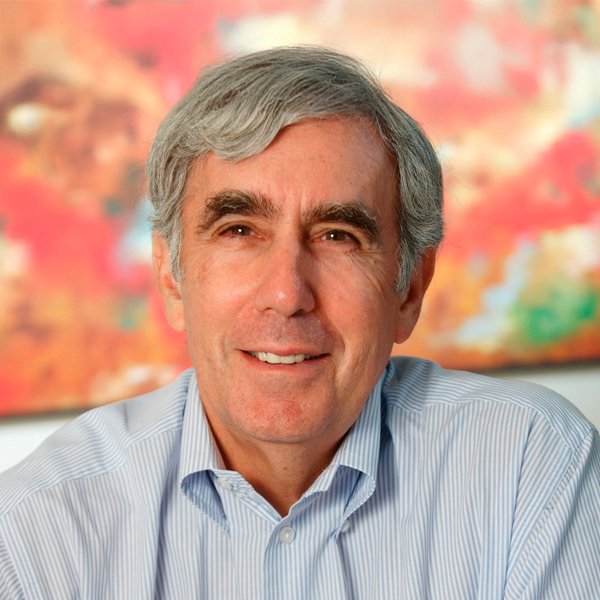
 * David Krieger is president of the Nuclear Age Peace Foundation. Further information can be found at the Foundationís web site: http://www.wagingpeace.org.
Share

Leave a Reply

Your email address will not be published. Required fields are marked *

Related Posts

Peace is promoted by constructive proposals and dialogue Four preceding PressInfos have expressed concern over — and criticised — the ongoing, militarisation of the EU. Some will say: but there are no alternatives. We believe that there are always alternatives, that democracies are characterised by alternatives and choice, and that openly discussed alternatives will improve the quality and legitimacy of society’s decision–making. In addition, it is an intellectual and moral challenge to not only criticise but also be constructive. If we only tell people that we think they are wrong, they are not likely to listen. However, if we say: what are your views on this set of ideas and steps? — we may sometimes engage them in dialogue and sow a seed. Most people in power circles live their daily lives in in a time frame and a social space where certain ideas, viewpoints and concepts are just not...
Photos © TFF 2000 Read PressInfo 90 “Lift the Sanctions and Bring More Aid to Yugoslavia” See Pictures from Belgrade © TFF 2000 Please reprint, copy, archive, quote or re-post this item, but please retain the source.
Av FRANK SØHOLM GREVIL 16 augusti 2004  Vi er nu nået til tredje akt i det absurde teaterstykke, der i analogi med de store skueprocesser i Moskva 1936-38 er blevet døbt ‘Grevil-sagen’. Første akt bestod i min anonyme fremlæggelse af egenhændigt nedklassificerede rapporter i Berlingske Tidende i februar og marts. Andet akt udgjordes af min fremtræden med navn og billede i Information i april samt den efterfølgende mediestorm, som uden min direkte medvirken kostede en forsvarsminister taburetten samt en sigtelse for brud på tavshedspligten. Tredje akt bliver en retssag, hvor jeg står tiltalt for at have overtrådt straffelovens bestemmelser om uberettiget videregivelse eller udnyttelse af fortrolige oplysninger. Statsanklageren har ovenikøbet valgt at påberåbe sig særligt skærpende omstændigheder. Da jeg aldrig har modtaget betaling for at stille rapporterne til rådighed eller lade mig interviewe, må det skærpende bestå i, at “videregivelsen eller udnyttelsen er sket under sådanne omstændigheder, at det påfører...

Recent Articles

PressInfo # 141, December 21, 2001It’s time to prepare reconciliation between Albanians and Serbs PressInfo # 140, December 14, 2001Ibrahim Rugova’s decade-long leadership in Kosovo/a PressInfo # 139, 11. december, 2001En god nyhet: Jugoslaviens Sannings- och försoningskommission PressInfo # 139, 11. december, 2001Gode nyheder: Jugoslaviens Sandheds- og Forsoningskommission PressInfo # 139, December 11, 2001Good news: Yugoslavia’s Truth and Reconciliation Commission PressInfo # 138, November 8, 2001TFF co-founder PhD with thesis about young people with roots in other cultures PressInfo # 138, November 8, 2001TFF:s medstiftare doktor på avhandling om unga med ursprung i andra kulturer PressInfo # 137, October 17, 2001A new Marshall Plan: Advancing human security and controlling terrorism PressInfo # 136, October 15, 2001The UN and Annan really deserve it PressInfo # 135, October 10, 2001Preventing a terrorist mushroom cloud PressInfo # 134, 17 oktober, 2001Sverige og 11. september PressInfo # 134, October 9, 2001Sweden and September 11...
Peace is promoted by constructive proposals and dialogue Four preceding PressInfos have expressed concern over — and criticised — the ongoing, militarisation of the EU. Some will say: but there are no alternatives. We believe that there are always alternatives, that democracies are characterised by alternatives and choice, and that openly discussed alternatives will improve the quality and legitimacy of society’s decision–making. In addition, it is an intellectual and moral challenge to not only criticise but also be constructive. If we only tell people that we think they are wrong, they are not likely to listen. However, if we say: what are your views on this set of ideas and steps? — we may sometimes engage them in dialogue and sow a seed. Most people in power circles live their daily lives in in a time frame and a social space where certain ideas, viewpoints and concepts are just not...
Photos © TFF 2000 Read PressInfo 90 “Lift the Sanctions and Bring More Aid to Yugoslavia” See Pictures from Belgrade © TFF 2000 Please reprint, copy, archive, quote or re-post this item, but please retain the source.

TFF on Substack

Discover more from TFF Transnational Foundation & Jan Oberg.

Most Popular

PressInfo # 141, December 21, 2001It’s time to prepare reconciliation between Albanians and Serbs PressInfo # 140, December 14, 2001Ibrahim Rugova’s decade-long leadership in Kosovo/a PressInfo # 139, 11. december, 2001En god nyhet: Jugoslaviens Sannings- och försoningskommission PressInfo # 139, 11. december, 2001Gode nyheder: Jugoslaviens Sandheds- og Forsoningskommission PressInfo # 139, December 11, 2001Good news: Yugoslavia’s Truth and Reconciliation Commission PressInfo # 138, November 8, 2001TFF co-founder PhD with thesis about young people with roots in other cultures PressInfo # 138, November 8, 2001TFF:s medstiftare doktor på avhandling om unga med ursprung i andra kulturer PressInfo # 137, October 17, 2001A new Marshall Plan: Advancing human security and controlling terrorism PressInfo # 136, October 15, 2001The UN and Annan really deserve it PressInfo # 135, October 10, 2001Preventing a terrorist mushroom cloud PressInfo # 134, 17 oktober, 2001Sverige og 11. september PressInfo # 134, October 9, 2001Sweden and September 11...
Peace is promoted by constructive proposals and dialogue Four preceding PressInfos have expressed concern over — and criticised — the ongoing, militarisation of the EU. Some will say: but there are no alternatives. We believe that there are always alternatives, that democracies are characterised by alternatives and choice, and that openly discussed alternatives will improve the quality and legitimacy of society’s decision–making. In addition, it is an intellectual and moral challenge to not only criticise but also be constructive. If we only tell people that we think they are wrong, they are not likely to listen. However, if we say: what are your views on this set of ideas and steps? — we may sometimes engage them in dialogue and sow a seed. Most people in power circles live their daily lives in in a time frame and a social space where certain ideas, viewpoints and concepts are just not...
Photos © TFF 2000 Read PressInfo 90 “Lift the Sanctions and Bring More Aid to Yugoslavia” See Pictures from Belgrade © TFF 2000 Please reprint, copy, archive, quote or re-post this item, but please retain the source.
Read More
Imagen-thumbnail-The-Transnational-1
PressInfo # 141, December 21, 2001It’s time to prepare reconciliation between Albanians and Serbs PressInfo # 140, December 14, 2001Ibrahim Rugova’s decade-long leadership in Kosovo/a PressInfo # 139, 11. december, 2001En god nyhet: Jugoslaviens Sannings- och försoningskommission PressInfo # 139, 11. december, 2001Gode nyheder: Jugoslaviens Sandheds- og Forsoningskommission PressInfo # 139, December 11, 2001Good news: Yugoslavia’s Truth and Reconciliation Commission PressInfo # 138, November 8, 2001TFF co-founder PhD with thesis about young people with roots in other cultures PressInfo # 138, November 8, 2001TFF:s medstiftare doktor på avhandling om unga med ursprung i andra kulturer PressInfo # 137, October 17, 2001A new Marshall Plan: Advancing human security and controlling terrorism PressInfo # 136, October 15, 2001The UN and Annan really deserve it PressInfo # 135, October 10, 2001Preventing a terrorist mushroom cloud PressInfo # 134, 17 oktober, 2001Sverige og 11. september PressInfo # 134, October 9, 2001Sweden and September 11...
Imagen-thumbnail-The-Transnational-1
Peace is promoted by constructive proposals and dialogue Four preceding PressInfos have expressed concern over — and criticised — the ongoing, militarisation of the EU. Some will say: but there are no alternatives. We believe that there are always alternatives, that democracies are characterised by alternatives and choice, and that openly discussed alternatives will improve the quality and legitimacy of society’s decision–making. In addition, it is an intellectual and moral challenge to not only criticise but also be constructive. If we only tell people that we think they are wrong, they are not likely to listen. However, if we say: what are your views on this set of ideas and steps? — we may sometimes engage them in dialogue and sow a seed. Most people in power circles live their daily lives in in a time frame and a social space where certain ideas, viewpoints and concepts are just not...
Imagen-thumbnail-The-Transnational-1
Photos © TFF 2000 Read PressInfo 90 “Lift the Sanctions and Bring More Aid to Yugoslavia” See Pictures from Belgrade © TFF 2000 Please reprint, copy, archive, quote or re-post this item, but please retain the source.
Imagen-thumbnail-The-Transnational-1
Av FRANK SØHOLM GREVIL 16 augusti 2004  Vi er nu nået til tredje akt i det absurde teaterstykke, der i analogi med de store skueprocesser i Moskva 1936-38 er blevet døbt ‘Grevil-sagen’. Første akt bestod i min anonyme fremlæggelse af egenhændigt nedklassificerede rapporter i Berlingske Tidende i februar og marts. Andet akt udgjordes af min fremtræden med navn og billede i Information i april samt den efterfølgende mediestorm, som uden min direkte medvirken kostede en forsvarsminister taburetten samt en sigtelse for brud på tavshedspligten. Tredje akt bliver en retssag, hvor jeg står tiltalt for at have overtrådt straffelovens bestemmelser om uberettiget videregivelse eller udnyttelse af fortrolige oplysninger. Statsanklageren har ovenikøbet valgt at påberåbe sig særligt skærpende omstændigheder. Da jeg aldrig har modtaget betaling for at stille rapporterne til rådighed eller lade mig interviewe, må det skærpende bestå i, at “videregivelsen eller udnyttelsen er sket under sådanne omstændigheder, at det påfører...
Imagen-thumbnail-The-Transnational-1
Af Svenska Irakkommittén mot de Ekonomiska Sanktionerna (SIES) 13 september 2002 FN:s ekonomiska sanktioner mot Irak har nu pågått i tolv år och drabbat det irakiska folket med svåra lidanden. Enligt FN:s egna siffror har mer än 1,5 miljoner människor, varav ca 600 000 barn, dött som en direkt följd av sanktionerna. Dessutom har ett lågintensivt bombkrig mot landet pågått under dessa år. Av all denna förödelse- orsakad huvudsakligen av amerikansk och brittisk politik- har Saddam Husseins brutala och diktatoriska regim snarast stärkts än försvagats. Nu förbereder USA under president Bushs ledning ett storskaligt bombkrig mot Irak som kommer att innebära ett ännu större lidande för civilbefolkningen. Ett sådant krig kommer dessutom att ytterligare undergräva freden och säkerheten i världen. Att upprätta en demokratisk regim i Irak är det irakiska folkets angelägenhet och får enligt folkrätten inte ske med krigshandlingar utifrån. Folkrätten och FN:s stadgar måste respekteras. Vi vädjar till...


