November 2019

Showing 1-10 of 4016 stories

Sort by
Categories

Year

Author / Contributor

Region

OPCW-Den-Haag
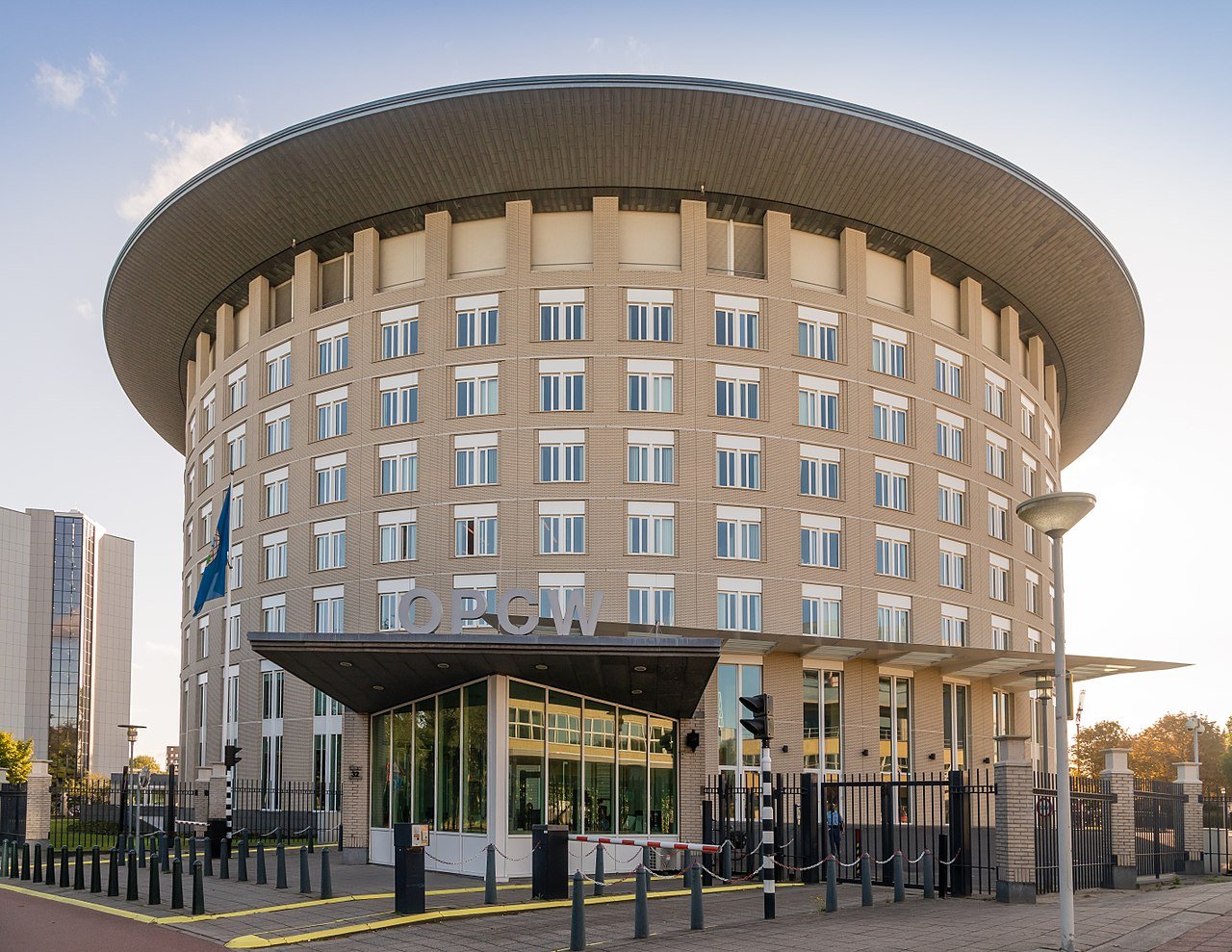
Following revelations of grave flaws in its Syria reporting, the Organisation for the Prohibition of Chemical Weapons (OPCW) must allow whistleblowers’ evidence to be heard at the coming OPCW Conference of States Parties.  That’s the message from the following public figures who have signed an Open Letter to OPCW permanent representatives: José Bustani, Ambassador of Brazil, first Director General of the OPCW and former Ambassador to the United Kingdom and France. William Binney, a former technical director at NSA George Carey, former Archbishop of Canterbury Noam Chomsky, Emeritus Professor, MIT Alain Chouet, former chief of the Security Intelligence Service within the French external intelligence service (DGSE) Marcello Ferrada de Noli, Professor Emeritus, former head Research group Cross-cultural Injury Epidemiology, Karolinska Institute. Chair Swedish Doctors for Human Rights – SWEDHR Anne Gazeau-Secret, former French Ambassador, The Hague Katharine Gun, former GCHQ (UKGOV), Whistleblower John Kiriakou, Former CIA Officer and Former Senior...
tim-hayward-letter-pic
As representatives of almost every state in the world gather in The Hague, all eyes should be on them. The Organisation for the Prohibition of Chemical Weapons (OPCW) – whose conference they are attending – was mandated by the people of the world to play a vital part in reducing the evils of war. Instead, it seems, the OPCW has been manipulated to serve the ends of warmongers. Critics and non-Western nations arrived at this understanding some time ago. Key investigators at the OPCW have known it for a fact. Their knowledge was brought to light first by the leak of a suppressed report, then by firsthand testimony heard by an international panel, and now by Wikileaks’ release of an email in which an OPCW inspector expresses the gravest concern about intentional bias introduced to a redacted version of the report he co-authored. Crucial facts about the 2018 Douma chemical...
reporter-picture
“Uanset om man tror, at Assad står bag angrebet eller ej, er det journalisternes opgave at være kritiske over for egne magthaveres beslutningsgrundlag.” Det skrev jeg i Ræson den 20. april 2018 i forbindelse med at Assad og den syriske regering blev beskyldt for at udføre et giftangreb mod sin egen befolkning i byen Douma. Danmark, med tidligere udenrigsminister Anders Samuelsen i spidsen, støttede op om et amerikansk missilangreb mod Syrien på den baggrund, inden vi nåede at tag en offentlig debat om det i det danske demokrati. Hvordan vidste den danske regering, at Syriens regering stod bag? Hvorfor venter Danmark ikke med at støtte op om et missilangreb og fordømme den syriske regering, før der har været en undersøgelse? Er missilangreb en konstruktiv måde at “svare igen” på? Hvordan er Danmarks erfaring med at løse problemer i Mellemøsten ved at affyre missiler? Takket være de – dovne – danske...
marchreturn
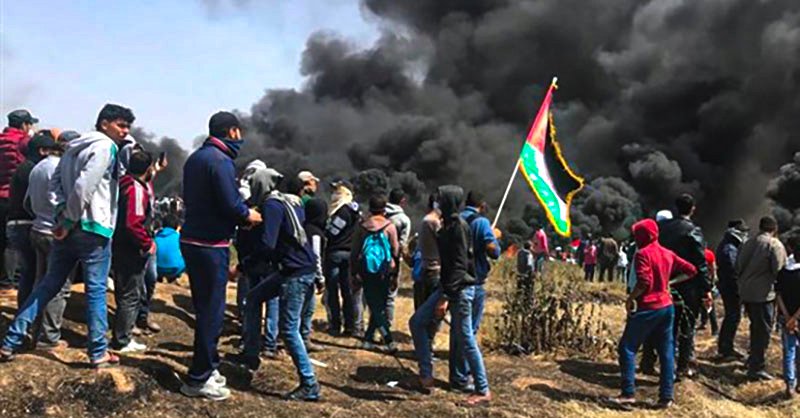
Preliminary Notes This post devoted to health and human rights in Gaza. It is based on a video presentation some weeks ago to a conference on this theme held in Gaza. It makes no effort to update by reference to the latest cycle of violence sparked by the targeted assassination of Baha Abu-Ata, an Islamic Jihad military commander, on November 12. I feel strongly about the issues raised by this post not only because I have witnessed living conditions in Gaza and have friends in Gaza who have endured hardship and injustice for so long without losing their warmth or even their hope. My contacts with Gaza and Gazans over the course of many years has been at once inspirational and deeply dispiriting, a deep insight into the deficiencies of the human condition coupled with an uplifting glimpse at the spiritual courage of those so severely victimized. Reflecting on the...
changingmeconstell
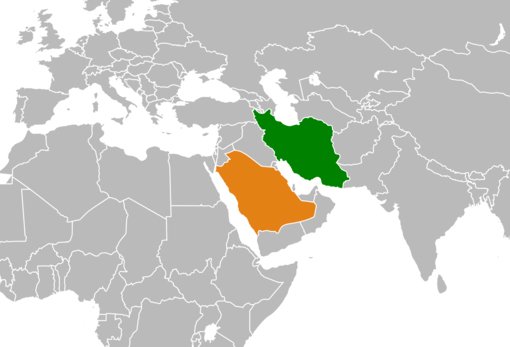
By Conn M. Hallinan November 27, 2019 The fallout from the September attack on Saudi Arabia’s Aramco oil facilities is continuing to reverberate throughout the Middle East, sidelining old enmities – sometimes for new ones – and re-drawing traditional alliances. While Turkey’s recent invasion of northern Syria is grabbing the headlines, the bigger story may be that major regional players are contemplating some historic re-alignments. Originally posted on Counterpunch on November 8, 2019, here After years of bitter rivalry, the Saudis and the Iranians are considering how they can dial down their mutual animosity. The formerly powerful Gulf Cooperation Council (GCC) of the Persian Gulf monarchs is atomizing because Saudi Arabia is losing its grip. And Washington’s former domination of the region appears to be in decline. Some of these developments are long-standing, pre-dating the cruise missile and drone assault that knocked out 50 per cent of Saudi Arabia’s oil...
jonathanpower
It’s unbelievable that 102 years have passed since the Balfour Declaration when the British colonial government decided to give the Jews their own homeland- but also promised that “it be done without infringing on the civil and religious rights of the existing non-Jewish population”. Now, this month, the Trump Administration has announced that the Jewish settlements on West Bank Palestinian land are no longer illegal. No matter the rest of the world is against this, the Palestinians face the possibility that 60% of the West Bank will be covered with Israeli settlements. 40% will be left as disconnected and isolated Palestinian cantons. There are now about 400,000 settlers. The much-discussed two-state solution is dead. As the former Secretary of State, John Kerry, once said, there is a distinct possibility that Israel will now become “an apartheid state”. In terms of population, Israelis are about the same as Palestinians but Israel’s...
fall-of-the-berlin-wall-
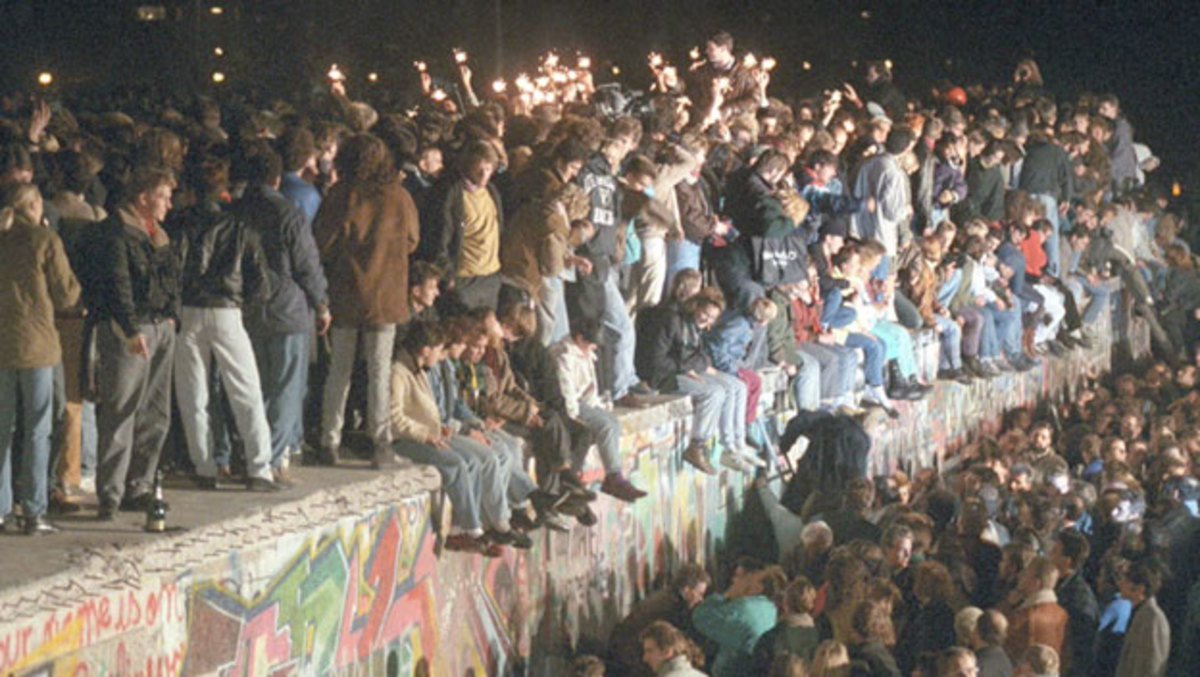
Austere “shock therapy” after the Cold War only shocked the East into reaction. In the West, the corporate political center ultimately did the same. By John Feffer November 18, 2019 The Berlin Wall fell 30 years ago. It was one of the few unambiguously joyous moments in modern history. This popular, nonviolent explosion of dissent effectively toppled East Germany’s despotic regime. And it signaled, if only symbolically, the end of the Cold War that had divided Europe for nearly half a century. Thirty years later, a united Germany remains far and away the largest economy in Europe (and the fourth largest in the world). Most of the countries of the former Warsaw Pact are members of the European Union, and their populations have seen dramatic improvements in living standards. After the horrendous bloodletting that tore apart Yugoslavia in the 1990s, the threat of war in Europe has again receded. Who...
jonathanpower
Of all the present foes of America it is Iran which has consistently been over time the number one.  Since its Islamic Revolution in 1979 that overthrew the secular-minded Shah and supplanted him with a militant, sometimes warlike, Islamic theocracy, it has been America’s Great Satan. (But for Europe rather less so, although no country has broken ranks with Washington.) In the current edition of Foreign Affairs two professors, Daniel Benjamin and Steven Simon, write, “Imagine historians 100 years from now trying to decide which foreign power the US feared most in the decades from the late Cold War…They would see Russia first as an archenemy, then as a friend, and finally as a challenging nuisance. They would see China become a great power rival. North Korea would appear as sideshow. Only one country would be depicted as a persistent and implacable foe: Iran.” A couple of months ago it...
jonathanpower
“Lies, damn lies and statistics”. “You can bend any fact with statistics”. There is some truth in that. Nevertheless, some statistics are necessary, revealing and surprising. Many of us when asked about the position of the poor in America would say that over the last two centuries they have made little progress. But look at the statistics, look at the data. True, many are living in slums and ghettos but today they have indoor plumbing, heating, electricity, smallpox and tuberculosis-free lives, adequate nutrition, much lower child and maternal mortality, doubled life expectancy, increasingly sophisticated medical attention, the availability of contraception, secondary level schooling for their children, buses, trains, cars and bicycles, much less racial prejudice, longer retirement, a rising quality of the goods they buy, better working conditions and the vote. Once these were luxuries that only the richer could experience. For Europe, Canada and Japan it is the same,...

wuerkercomplex
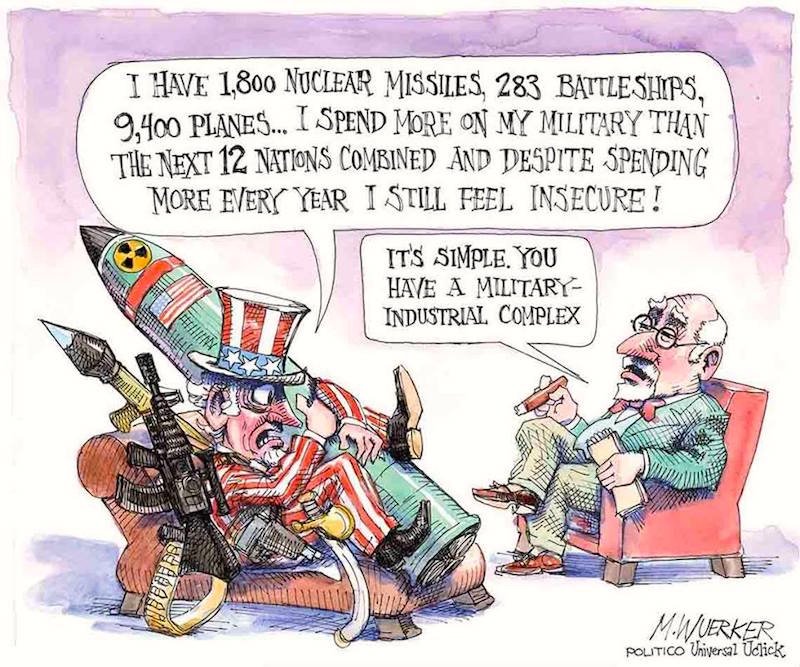
By William J. Astore November 14, 2019 The expanding cultural authority of the armed forces is a problem for U.S. democracy, writes William J. Astore. When Americans think of militarism, they may imagine jackbooted soldiers goose-stepping through the streets as flag-waving crowds exult; or, like our president, they may think of enormous parades featuring troops and missiles and tanks, with warplanes soaring overhead. Or nationalist dictators wearing military uniforms encrusted with medals, ribbons, and badges like so many barnacles on a sinking ship of state. (Was President Donald Trump only joking recently when he said he’d like to award himself a Medal of Honor?) And what they may also think is: that’s not us. That’s not America. After all, Lady Liberty used to welcome newcomers with a torch, not an AR-15. We don’t wall ourselves in while bombing others in distant parts of the world, right? Article posted on ConsortiumNews.com on October 31, 2019 (original article is posted on TomDispatch.com) here But...
Picture1
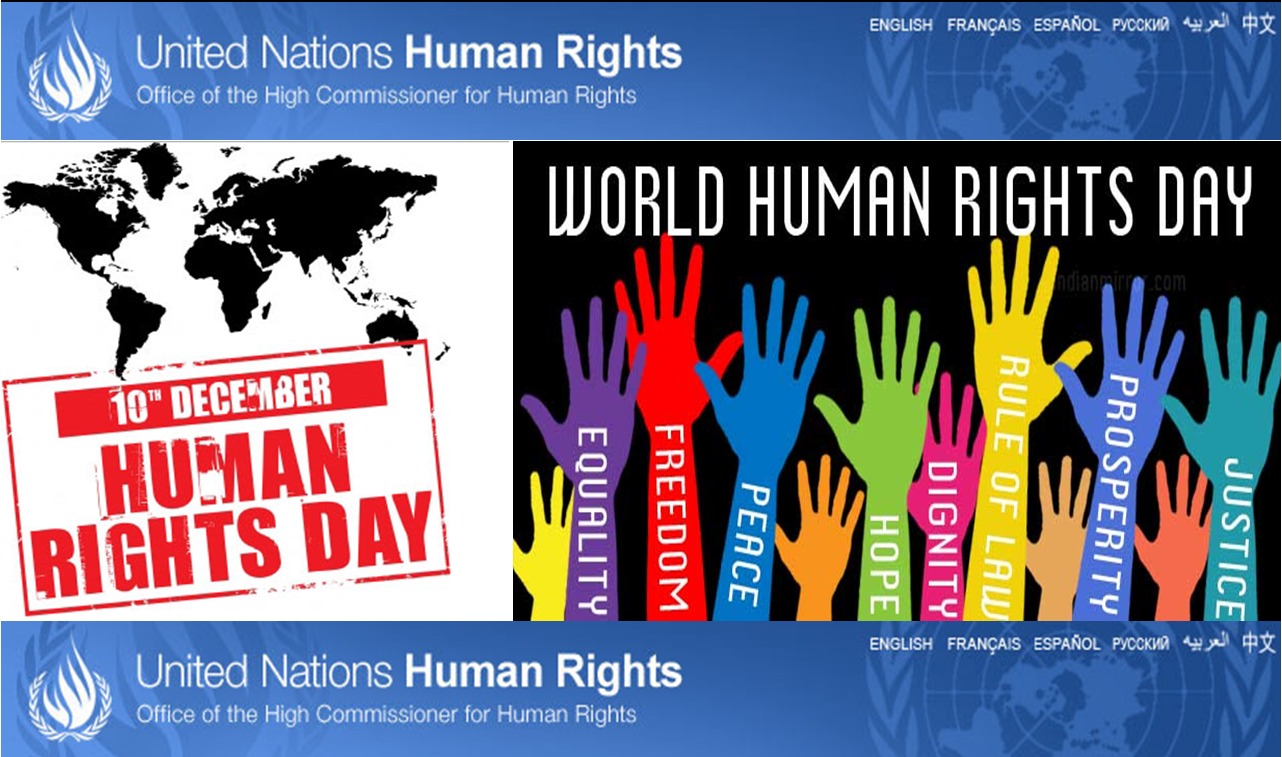
The Future of Human Rights: Regressive Trends and Restorative Prospects Points of Departure Reviewing the global situation, the then UN High Commissioner for Human Rights, Zaed Raad Al Hussein of Jordan, opened a 2018 conference devoted to the 25th anniversary of the 1993 UN Conference on Human Rights and Development held in Vienna, on a decidedly pessimistic note. Instead of doing the usual on such occasions, that is, celebrating the progress made since the earlier event, Prince Zaed emphasized the disturbing evidence of regression with respect to a broad range of issues bearing on the protection of human rights embedded in international treaty instruments as evidenced by the practice of states. He insisted that without fundamental changes in patterns of governance by sovereign states and in the operation of the world economy it would be naïve to expect an improved international atmosphere for human rights. Originally posted on Richard Falk’s blog...