Philosophy

Showing 1-10 of 25 stories

Sort by
Categories

Year

Author / Contributor

Region

NoMoreWar
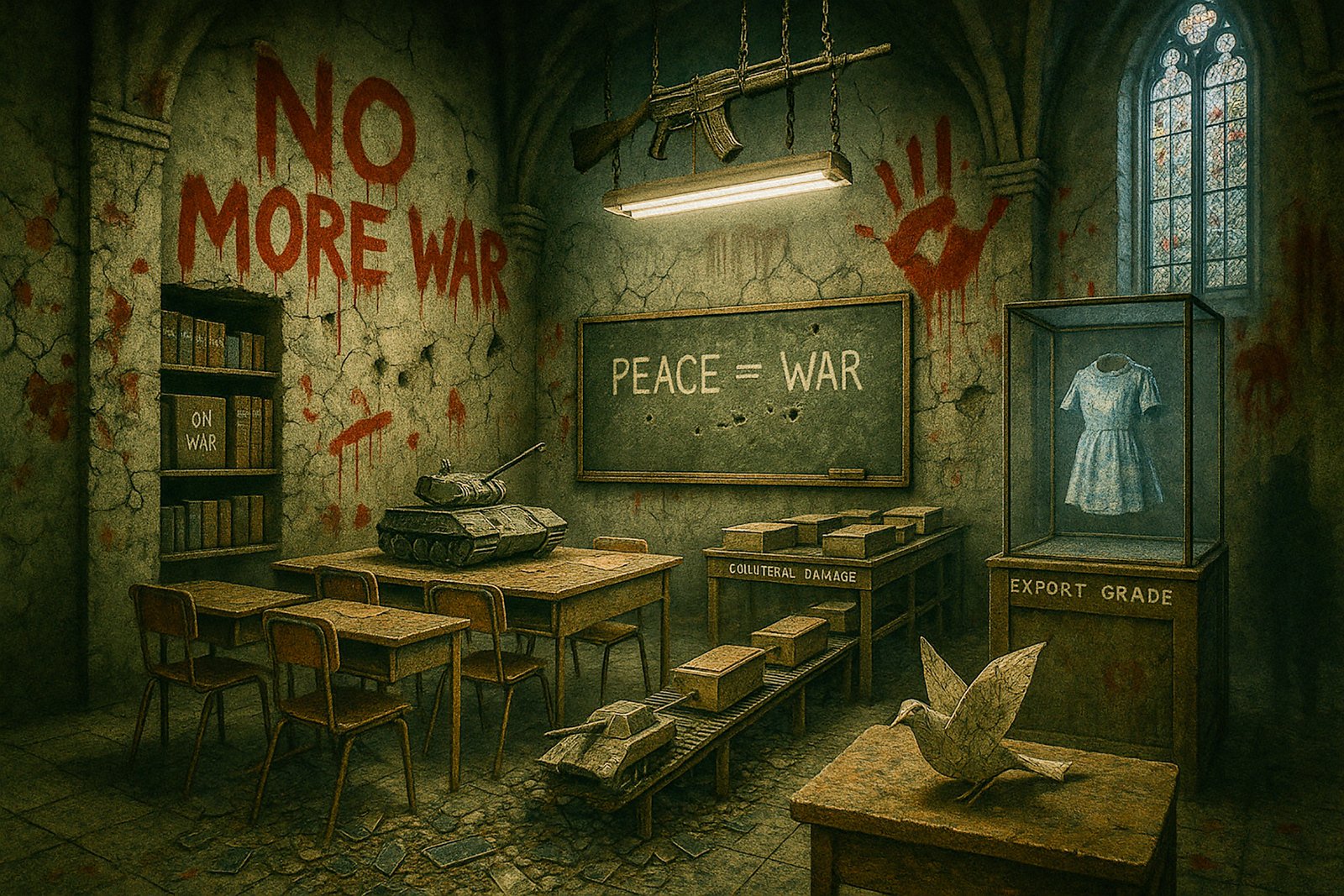
War-preparation and militarism are now the main factors that keep the West together, and will make it fall faster. The Western world has lost its consciousness, perception, and instruments of conflict analysis, resolution, peace-making, and reconciliation. They’ve been squeezed out by militarism’s kakistocrats – a political science term that means government by “the worst, least qualified, or most unscrupulous people.” Consequently, there is now a risk of more than 50% that a major war will happen in Europe. I’ve been observing silently for weeks and months now how geopolitical experts – also very qualified ones – and people who comment independently as well as in the mainstream media and many others have worked on the tacit, implicit assumption that President Trump would help create peace in Ukraine; they seem to believe that what we have witnessed has anything to do with knowledge-based, professional peace-making or would have even the slightest...
WarColl_PaixQuand_small_100dpi
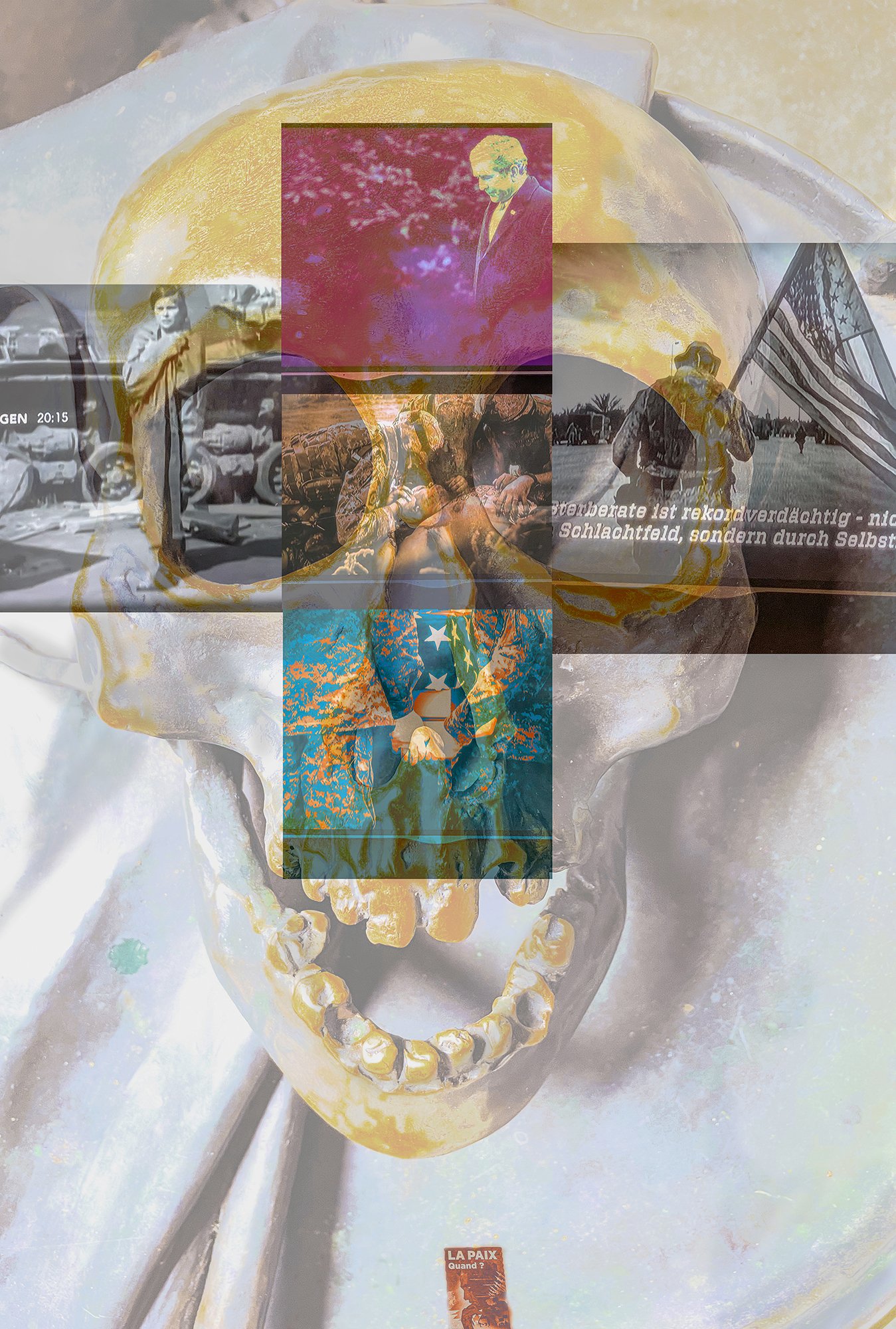
Throughout modern world history, great powers, empires and civilisations have succeeded each other. No one has stayed on top indefinitely – there is a birth, the new thing grows creatively and materially until it reaches a peak and perhaps begins to relax, and then sooner or later it goes downhill – in relation to new powers that emerge – only to lose the leadership role completely and become one among many in a new world order. This is the natural law of global society – of humanity – and it is quite inexorable. The downturn can have many (combinations) of causes, here are some of the classic ones in macro-history: weakening innovation and economic growth; over-militarisation and lost wars; wanting to rule the whole world but lacking the necessary leadership capacity; declining legitimacy in the eyes of others; others learning from us but coming up with new social constructs that...
fred-ger
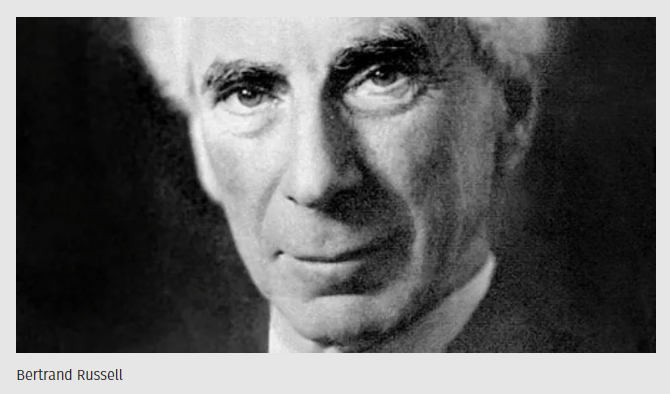
Maria Popova October 19, 2023 “To be a good human being is to have a kind of openness to the world, an ability to trust uncertain things beyond your own control,” philosopher Martha Nussbaum concluded in considering how to live with our human fragility. And yet in the face of overwhelming uncertainty, when the world seems to splinter and crumble in the palm of our civilization’s hand, something deeper and more robust than blind trust is needed to keep us anchored to our own goodness — something pulsating with rational faith in the human spirit and a profound commitment to goodness. Originally published at The Marginalian That is what Bertrand Russell (May 18, 1872–February 2, 1970) explores in the out-of-print treasure New Hopes for a Changing World (public library), composed a year after he received the Nobel Prize, while humanity was still shaking off the dust and dread of its Second World War and already shuddering with the catastrophic...
RT
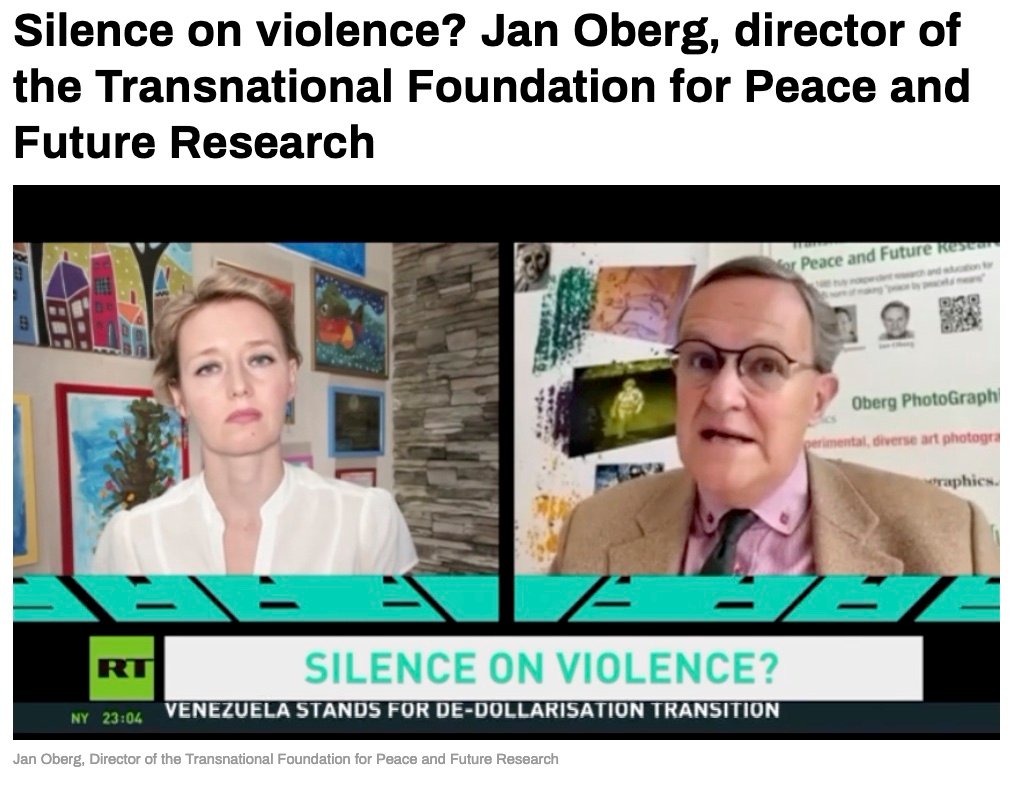
A discussion with Oksana Boyko about violence and war where the focus is on principles, ideas, concepts and ways of thinking. A delightful exchange of views that would be difficult, if not impossible, to have in similar leading media in the NATO/EU countries. For once, actually, the focus is on how to think about peace…
0.-ina-rosu-cu-copac-IC-BLENDED-ALB-ALB-Mic-pt-site-1024x448-1
TFF Associate and more… Luna Rossa: Sacred Blood, Cycle Wisdom – an art journal and peace offering – publication. Here is the pre-order campaign and free online events on feminine health & power themes with a deep cyclical understanding of how inner and outer peace can combine.. I’m inviting you… We may think we live in modern, advanced times. On many accounts, including the fact that we still solve conflicts through wars on this planet, we are not.  Menstruation is still a taboo in many cultures around the world, being associated with impurity, shame, and guilt for being a woman. Even though access to sanitary products has increased in many countries, education about menstruation as something to be embraced rather than ignored and medicalized is still lacking. The very ability to give life and reproduce the species that menstruation is a sign of becomes a sign of inferiority or, in other...
the-starry-night
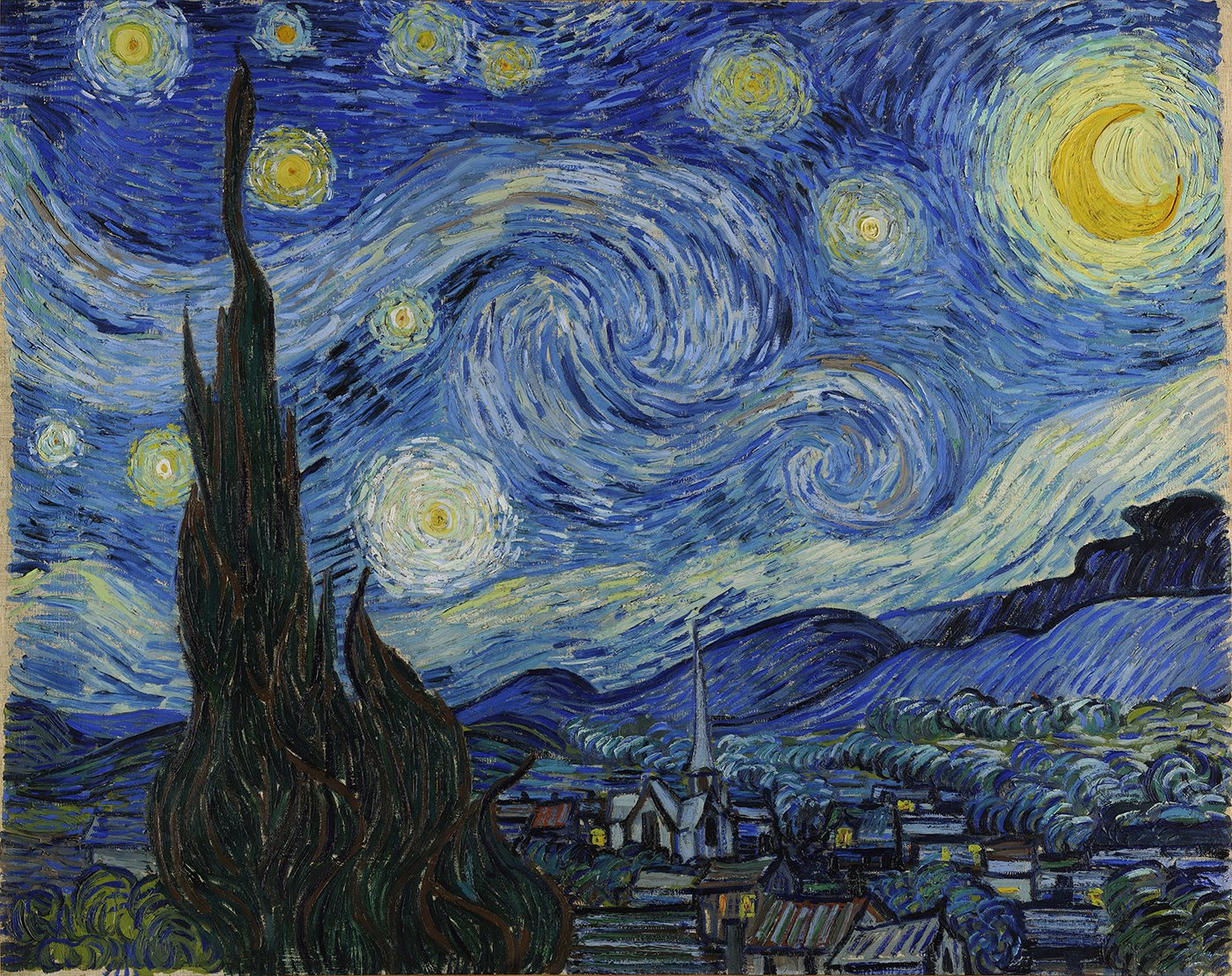
The Starry Night by Vincent van Gogh, 1889 Edward J. Curtin, Jr. August 29, 2023 Originally published on Curtin’s homepage on August 11, 2023 Because there is so much personal anguish, unhappiness, and human mental and physical suffering in the world, many people often wonder how they might personally change to find happiness, contentment, or some elusive something. Or even how to change other people, as if that arrogant illusion could ever work. This question of significant personal change is usually couched within the context of narrow psychological analyses.  This is very common and is a habit of mind that grows stronger over the years.  People are reduced to their family upbringings and their personal relationships, while the social history they have lived through is dismissed as irrelevant. The United States is very much a psychological society.  Sociological and historical analyses are considered insignificant to people’s identities.  It’s as if...
photo-1564648351416-3eec9f3e85de
Hein Berdinesen May 10, 2023 A fundamental thesis in Hans Jonas’ The Imperative of Responsibility – In Search of an Ethics for the Technological Age (1984) is that the golden promises of modern technology have turned into a threat, and that technology is inseparably linked with the threat. The thesis is a reminiscence of Heidegger’s diagnosis of the modern in «The Question Concerning Technology» (1977): The «Enframing» (Gestell) is a way to uncover the world where not only nature but also human beings are revealed as part of a «standing reserve» (Bestand). Through technique and technology, nature is just a raw material for manipulation. In this technological «Enframing» of the world, human beings sees everything as orderable, as part of a standing-reserve. Even man is seen as a part of a standing-reserve. This kind of uncovering the world is not in itself a threat amongst other threats, but the threat. In light of the...
pod-arnold-toynbee-ogp
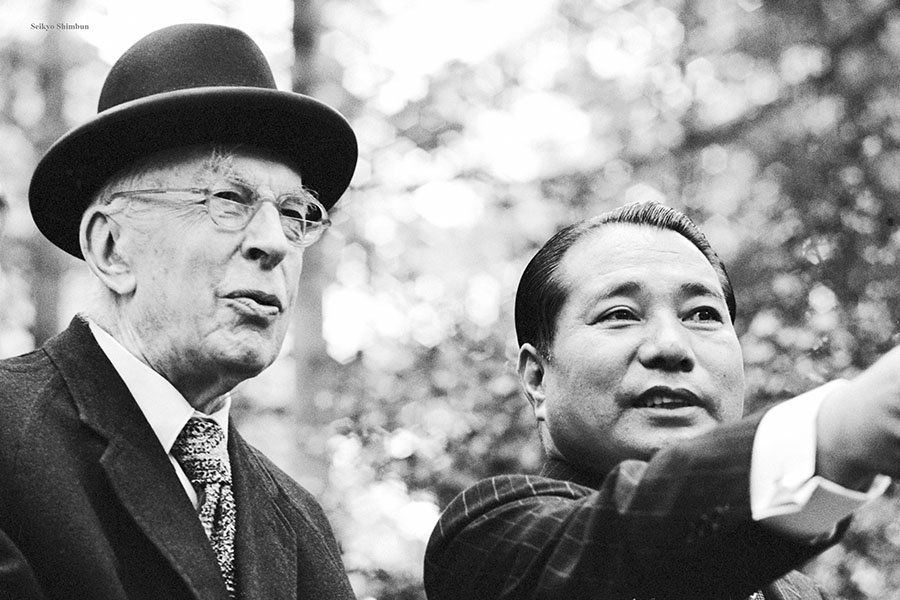
Toynbee and Ikeda “Another Way of Seeing Things”, is a short film based on an essay by SGI President Daisaku Ikeda – a TFF Associate for more than 20 years – in which, along with a friend and close colleague/collaborator Arnold Toynbee, he challenges media stereotyping and how this can give rise to prejudice and barriers between people of different nationalities and religions. Toynbee – one of the greatest and most respected macro-historians ever – went to a conflict zone and gave an account different from the black-and-white media narrative of the time and was then forced from his academic position. This was more than 100 years ago. That the media convey one-sided, politically correct views or outright lies is nothing new – perhaps what is new today is the uniformity, the intensity and the frequency with which it is done. This is a beautiful and moving rendition of the...
Build-Trust
Image from searchwizards This rather long text was written on the invitation of the distinguished “China Investment” magazine, which is sponsored by China’s National Development and Reform Commission. In spite of its name, it has consistently asked me to write on subjects that are not often connected with economics in general and investment issues in particular. I find that – much broader – approach to economics very interesting, and I am very pleased to cooperate with such broad-minded people. Here is the original version – a cover story – in both English and Chinese Introduction – The enigma of good things Like many other positive things in this world, there is little research available on what trust is and how it works. Human beings study war and other violence much more than nonviolence and peace; evil more than goodness; aggression more than forgiveness and reconciliation. It is quite strange because...
sheep
Evil is easy to identify and fight against; not so with stupidity. Key Takeaways Jonny Thomson January 28, 2023 There’s an internet adage that goes, “Debating an idiot is like trying to play chess with a pigeon — it knocks the pieces over, craps on the board, and flies back to its flock to claim victory.” It’s funny and astute. It’s also deeply, depressingly worrying. Although we’d never say so, we all have people in our lives we think of as a bit dim — not necessarily about everything, but certainly about some things. Most of the time, we laugh this off. After all, stupidity can be pretty funny. When my friend asked a group of us recently what Hitler’s last name was, we laughed. When my brother learned only last month that reindeer are real animals — well, that’s funny. Good-natured ribbing about a person’s ignorance is an everyday part...
Skaermbillede-2022-12-21-152701
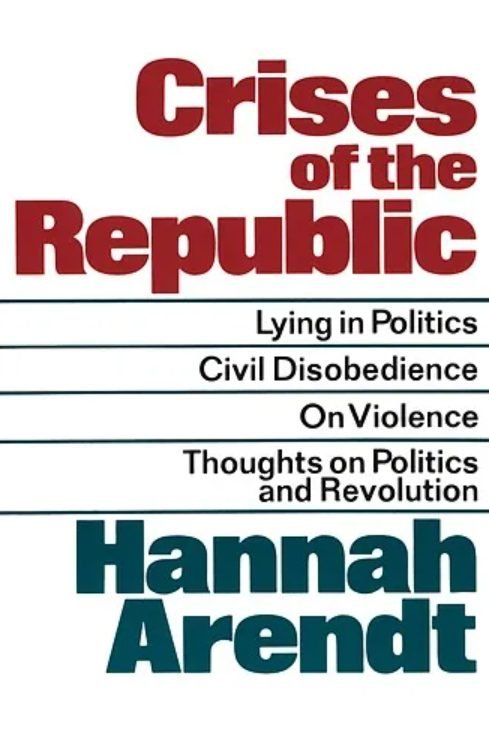
Maria Popova December 20, 2022 “No matter how large the tissue of falsehood that an experienced liar has to offer, it will never be large enough … to cover the immensity of actuality.” The possibilities that exist between two people, or among a group of people,” Adrienne Rich wrote in her beautiful 1975 speech on lying and what truth really means, “are a kind of alchemy. They are the most interesting thing in life. The liar is someone who keeps losing sight of these possibilities.” Nowhere is this liar’s loss of perspective more damaging to public life, human possibility, and our collective progress than in politics, where complex social, cultural, economic, and psychological forces conspire to make the assault on truth traumatic on a towering scale. Those forces are what Hannah Arendt (October 14, 1906–December 4, 1975), one of the most incisive thinkers of the past century, explores in a superb 1971 essay titled “Lying in...

Bertrand-Russell-1951-014-648826369
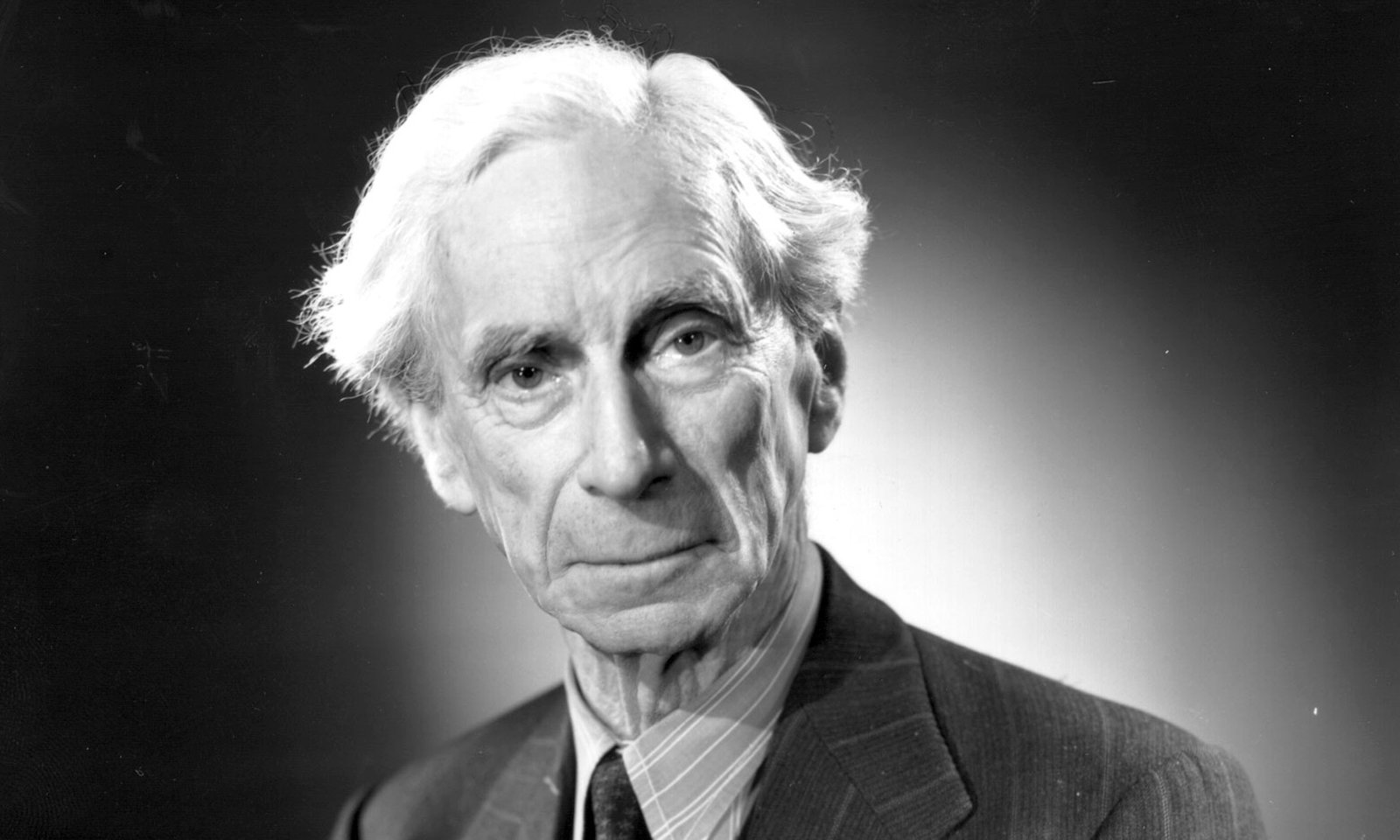
Maria Popova November 28, 2022 “Nothing in the world is more exciting than a moment of sudden discovery or invention, and many more people are capable of experiencing such moments than is sometimes thought.” Bertrand Russell (May 18, 1872–February 2, 1970) endures as one of humanity’s most lucid and luminous minds — an oracle of timeless wisdom on everything from what “the good life” really means to why “fruitful monotony” is essential for happiness to love, sex, and our moral superstitions. In 1950, he was awarded the Nobel Prize in Literature for “his varied and significant writings in which he champions humanitarian ideals and freedom of thought.” On December 11 of that year, 78-year-old Russell took the podium in Stockholm to receive the grand accolade. Later included in Nobel Writers on Writing (public library) — which also gave us Pearl S. Buck, the youngest woman to receive the Nobel Prize in Literature, on art, writing, and the nature of...
Categories

Year

Author / Contributor

Region