
How Yemen’s Houthis are bringing down a Goliath

By Pepe Escobar

October 1, 2019

“It is clear to us that Iran bears responsibility for this attack. There is no other plausible explanation. We support ongoing investigations to establish further details.”

Originally posted on in the Asia Times on September 25, 2019 here

The statement above was not written by Franz Kafka. In fact, it was written by a Kafka derivative: Brussels-based European bureaucracy. The Merkel-Macron-Johnson trio, representing Germany, France and the UK, seems to know what no “ongoing investigation” has unearthed: that Tehran was definitively responsible for the twin aerial strikes on Saudi oil installations.

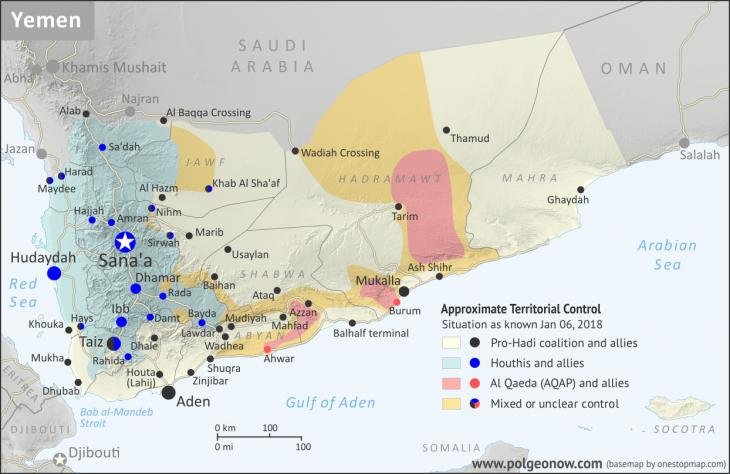
“There is no other plausible explanation” translates as the occultation of Yemen. Yemen only features as the pounding ground of a vicious Saudi war, de facto supported by Washington and London and conducted with US and UK weapons, which has generated a horrendous humanitarian crisis.

So Iran is the culprit, no evidence provided, end of story, even if the “investigation continues.”

Hassan Ali Al-Emad, Yemeni scholar and the son of a prominent tribal leader with ascendance over ten clans, begs to differ. “From a military perspective, nobody ever took our forces in Yemen seriously. Perhaps they started understanding it when our missiles hit Aramco.”

A satellite image from the US government shows damage to oil and gas infrastructure from weekend drone attacks at Abqaig on September 15.

Al-Emad said: “Yemeni people have been encircled by an embargo. Why are Yemeni airports still closed? Children are dying without treatment. In this current war, the first door [to be closed against enemies] was Damascus. The second door is Yemen.” Al-Emad considers that Hezbollah’s Secretary-General Sayed Nasrallah and the Houthis are involved in the same struggle.

Al-Emad was born in Sana’a in a Zaydi family influenced by Wahhabi practices. Yet when he was 20, in 1997, he converted to Ahlulbayat after comparative studies between Sunni, Zaydi and the Imamiyyah – the branch of Shi’ite Islam that believes in 12 imams. He abandoned Zaydi in what could be considered a Voltairean act: because the sect cannot withstand critical analysis.

I talked and broke bread – and hummus – with Al-Emad, in Beirut, during the New Horizon conference among scholars from Lebanon, Iran, Italy, Canada, Russia and Germany. Although he says he cannot get into detail about military secrets, he confirmed: “Past Yemeni governments had missiles, but after 9/11 Yemen was banned from buying weapons from Russia. But we still had 400 missiles in warehouses in South Yemen. We used 200 Scuds – the rest is still there [laughs].”

Al-Emad breaks down Houthi weaponry into three categories: the old missile stock; cannibalized missiles using different spare parts (“transformation made in Yemen”); and those with new technology that use reverse engineering. He stressed: “We accept help from everybody,” which suggests that not only Tehran and Hezbollah are pitching in.

Smoke billows from the Aramco oil facility in Abqaiq in Saudi Arabia’s Eastern province after the Sept 14 attacks. Photo: AFP

Al-Emad’s key demand is actually humanitarian: “We request that Sana’a airport be reopened for help to the Yemeni people.”

And he has a message for global public opinion that the EU-3 are obviously not aware of: “Saudi is collapsing and America is embracing it in its fall.”

The real danger

On the energy front, Persian Gulf energy traders that I have relied upon as trustworthy sources for two decades confirm that, contrary to Saudi Oil Minister Abdulazziz bin Salman’s spin, the damage from the Houthi attack on Abqaiq could last not only “months” but even years.

As a Dubai-based trader put it: “When an Iraqi pipeline was damaged in the mid-2000s the pumps were destroyed. It takes two years to replace a pump as the backlogs are long. The Saudis, to secure their pipelines, acquired spare pumps for this reason. But they did not dream that Abqaiq could be damaged. If you build a refinery it can take three to five years if not more. It could be done in a month if all the components and parts were available at once, as then it would be merely a task of assembling the components and parts.”

On top of this, the Saudis are now only offering heavier crudes to their customers in Asia. “Then,” adds a trader, “We heard that the Saudis were buying 20,000,000 barrels of heavier crudes from Iraq. Now, the Saudis were supposed to have as much as 160 million barrels a day of stored crude.  So what does this mean?  Either there was no stored crude or that crude had to go through Abqaiq in order to be sold.”

Al-Emad explicitly told me that Houthi attacks are not over, and further drone swarms are inevitable.

Now compare it with analysis by one trader: “If in the next wave of drone attacks 18 million barrels a day of Saudi crude are knocked out, it would represent a catastrophe of epic proportions. The US does not want the Houthi to believe that they have such power through such fourth generational warfare as drones that cannot be defended against. But they do. Here is where a tiny country can bring down not only a Goliath such as the US, but also the whole world.”

Asked about the consequences of a possible US attack against Iran – picking up on Robert Gates’ famous 2010 remark that “Saudis want to fight Iran to the last American” – the consensus among traders is that it would be another disaster.

“Saudis want to fight Iran to the last American”

Robert Gates, 2010

“It would not be possible to bring Iranian crude on line for the world to replace the rest of what was destroyed,” said one.

He noted that Senator Lindsey Graham had “said he wanted to destroy the Iranian refineries but not the oil wells. This is a very important point.  The horror of horrors would be an oil war where everyone is destroying each others’ wells until there was nothing left.”

While the “horror of horrors” hangs by a thread, the blind leading the blind stick to the script: Blame Iran and ignore Yemen.
Pepe Escobar

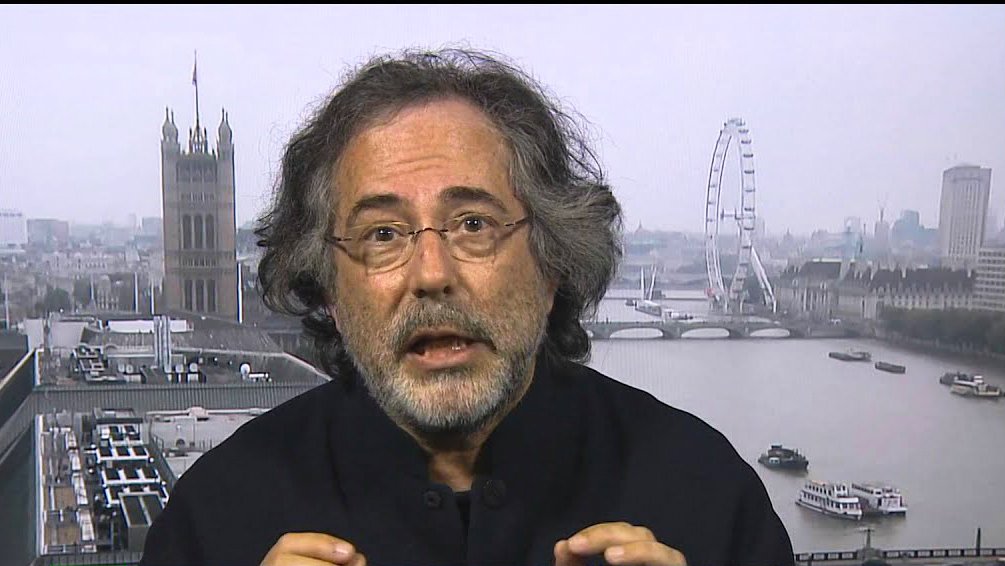
Pepe Escobar is a Brazilian journalist who has written for Asia Times for many years, covering events throughout Asia and the Middle East. He has also been an analyst for RT and Sputnik News, and previously worked for Al Jazeera.

Share

Leave a Reply

Your email address will not be published. Required fields are marked *

Related Posts

TFF Associate and former Board member On 28 August 2025, France, Germany, and the United Kingdom (the EU Troika) decided to trigger the so-called “snapback mechanism” and reimpose stringent sanctions on Iran after 30 days for its alleged violation of the terms of the Iran nuclear deal, known as the Joint Comprehensive Plan of Action (JCPOA), if Iran did not give in to their demands within 30 days. In the lawless world in which we are living at the moment, discussing the principles of international law is futile and irrelevant. We have reverted to the age of imperial dictatorship and big power dominance. This state of affairs is dangerous for the whole world, especially the Global South, which is at the mercy of the dictates of the superpowers. However, a return to the rivalry between powerful empires outside the scope of international law, which led to the two world wars,...
Wang Yuewei(王玥玮) March 24, 2025 This is a chapter in a TFF anthology in the making “If You Want To Understand China.” Foreword, Introduction, Authors and Table of Content here. How to treat others is a core issue in a nation’s foreign policy and a direct reflection of its moral tradition. Throughout history, the performance of Western civilizations and Chinese civilization has been different. When it comes to dealing with others, China insists on pacifism and coexistence, whereas the West adopts expansionism and interventionism. Pacifism and expansionism are neither inherently good nor bad; each has its own achievements and losses. Pacifist China did not launch bloody colonial conquests despite its strength, but its conservative stance caused it to miss the Industrial Revolution. The expansionist West, through both violence and peace, spread modern technology and systems globally, but this often resulted in slaughter, plunder, and sometimes genocide in the colonies. National...
This is a chapter in a TFF anthology in the making “If You Want To Understand China.” Foreword, Introduction, Authors and Table of Content here. Cultural bias Before looking at concrete patterns of manipulation, it is necessary to point at the cultural bias that is partly driving the manipulation. Not only the regulations and protocols of most international organizations like the UN, WTO, NATO, etc., are culturally biased, the very idea of a ‘rules-based world’ as the ultimate goal of humanity is rooted in Western cultural values that are not supported by most non-Western nations. In fact, the basic idea behind TFF’s Smokescreen Report cannot be fully understood without taking the cultural bias into account. Dimensions of culture This section uses the 7-Dimension (7-D) model of national culture developed by Fons Trompenaars and Charles Hampden-Turner. These two management consultants identified the seven dimensions of culture, and the model was published...

Recent Articles

PressInfo # 141, December 21, 2001It’s time to prepare reconciliation between Albanians and Serbs PressInfo # 140, December 14, 2001Ibrahim Rugova’s decade-long leadership in Kosovo/a PressInfo # 139, 11. december, 2001En god nyhet: Jugoslaviens Sannings- och försoningskommission PressInfo # 139, 11. december, 2001Gode nyheder: Jugoslaviens Sandheds- og Forsoningskommission PressInfo # 139, December 11, 2001Good news: Yugoslavia’s Truth and Reconciliation Commission PressInfo # 138, November 8, 2001TFF co-founder PhD with thesis about young people with roots in other cultures PressInfo # 138, November 8, 2001TFF:s medstiftare doktor på avhandling om unga med ursprung i andra kulturer PressInfo # 137, October 17, 2001A new Marshall Plan: Advancing human security and controlling terrorism PressInfo # 136, October 15, 2001The UN and Annan really deserve it PressInfo # 135, October 10, 2001Preventing a terrorist mushroom cloud PressInfo # 134, 17 oktober, 2001Sverige og 11. september PressInfo # 134, October 9, 2001Sweden and September 11...
Peace is promoted by constructive proposals and dialogue Four preceding PressInfos have expressed concern over — and criticised — the ongoing, militarisation of the EU. Some will say: but there are no alternatives. We believe that there are always alternatives, that democracies are characterised by alternatives and choice, and that openly discussed alternatives will improve the quality and legitimacy of society’s decision–making. In addition, it is an intellectual and moral challenge to not only criticise but also be constructive. If we only tell people that we think they are wrong, they are not likely to listen. However, if we say: what are your views on this set of ideas and steps? — we may sometimes engage them in dialogue and sow a seed. Most people in power circles live their daily lives in in a time frame and a social space where certain ideas, viewpoints and concepts are just not...
Photos © TFF 2000 Read PressInfo 90 “Lift the Sanctions and Bring More Aid to Yugoslavia” See Pictures from Belgrade © TFF 2000 Please reprint, copy, archive, quote or re-post this item, but please retain the source.

TFF on Substack

Discover more from TFF Transnational Foundation & Jan Oberg.

Most Popular

PressInfo # 141, December 21, 2001It’s time to prepare reconciliation between Albanians and Serbs PressInfo # 140, December 14, 2001Ibrahim Rugova’s decade-long leadership in Kosovo/a PressInfo # 139, 11. december, 2001En god nyhet: Jugoslaviens Sannings- och försoningskommission PressInfo # 139, 11. december, 2001Gode nyheder: Jugoslaviens Sandheds- og Forsoningskommission PressInfo # 139, December 11, 2001Good news: Yugoslavia’s Truth and Reconciliation Commission PressInfo # 138, November 8, 2001TFF co-founder PhD with thesis about young people with roots in other cultures PressInfo # 138, November 8, 2001TFF:s medstiftare doktor på avhandling om unga med ursprung i andra kulturer PressInfo # 137, October 17, 2001A new Marshall Plan: Advancing human security and controlling terrorism PressInfo # 136, October 15, 2001The UN and Annan really deserve it PressInfo # 135, October 10, 2001Preventing a terrorist mushroom cloud PressInfo # 134, 17 oktober, 2001Sverige og 11. september PressInfo # 134, October 9, 2001Sweden and September 11...
Peace is promoted by constructive proposals and dialogue Four preceding PressInfos have expressed concern over — and criticised — the ongoing, militarisation of the EU. Some will say: but there are no alternatives. We believe that there are always alternatives, that democracies are characterised by alternatives and choice, and that openly discussed alternatives will improve the quality and legitimacy of society’s decision–making. In addition, it is an intellectual and moral challenge to not only criticise but also be constructive. If we only tell people that we think they are wrong, they are not likely to listen. However, if we say: what are your views on this set of ideas and steps? — we may sometimes engage them in dialogue and sow a seed. Most people in power circles live their daily lives in in a time frame and a social space where certain ideas, viewpoints and concepts are just not...
Photos © TFF 2000 Read PressInfo 90 “Lift the Sanctions and Bring More Aid to Yugoslavia” See Pictures from Belgrade © TFF 2000 Please reprint, copy, archive, quote or re-post this item, but please retain the source.
Read More
Imagen-thumbnail-The-Transnational-1
PressInfo # 141, December 21, 2001It’s time to prepare reconciliation between Albanians and Serbs PressInfo # 140, December 14, 2001Ibrahim Rugova’s decade-long leadership in Kosovo/a PressInfo # 139, 11. december, 2001En god nyhet: Jugoslaviens Sannings- och försoningskommission PressInfo # 139, 11. december, 2001Gode nyheder: Jugoslaviens Sandheds- og Forsoningskommission PressInfo # 139, December 11, 2001Good news: Yugoslavia’s Truth and Reconciliation Commission PressInfo # 138, November 8, 2001TFF co-founder PhD with thesis about young people with roots in other cultures PressInfo # 138, November 8, 2001TFF:s medstiftare doktor på avhandling om unga med ursprung i andra kulturer PressInfo # 137, October 17, 2001A new Marshall Plan: Advancing human security and controlling terrorism PressInfo # 136, October 15, 2001The UN and Annan really deserve it PressInfo # 135, October 10, 2001Preventing a terrorist mushroom cloud PressInfo # 134, 17 oktober, 2001Sverige og 11. september PressInfo # 134, October 9, 2001Sweden and September 11...
Imagen-thumbnail-The-Transnational-1
Peace is promoted by constructive proposals and dialogue Four preceding PressInfos have expressed concern over — and criticised — the ongoing, militarisation of the EU. Some will say: but there are no alternatives. We believe that there are always alternatives, that democracies are characterised by alternatives and choice, and that openly discussed alternatives will improve the quality and legitimacy of society’s decision–making. In addition, it is an intellectual and moral challenge to not only criticise but also be constructive. If we only tell people that we think they are wrong, they are not likely to listen. However, if we say: what are your views on this set of ideas and steps? — we may sometimes engage them in dialogue and sow a seed. Most people in power circles live their daily lives in in a time frame and a social space where certain ideas, viewpoints and concepts are just not...
Imagen-thumbnail-The-Transnational-1
Photos © TFF 2000 Read PressInfo 90 “Lift the Sanctions and Bring More Aid to Yugoslavia” See Pictures from Belgrade © TFF 2000 Please reprint, copy, archive, quote or re-post this item, but please retain the source.
Imagen-thumbnail-The-Transnational-1
Av FRANK SØHOLM GREVIL 16 augusti 2004  Vi er nu nået til tredje akt i det absurde teaterstykke, der i analogi med de store skueprocesser i Moskva 1936-38 er blevet døbt ‘Grevil-sagen’. Første akt bestod i min anonyme fremlæggelse af egenhændigt nedklassificerede rapporter i Berlingske Tidende i februar og marts. Andet akt udgjordes af min fremtræden med navn og billede i Information i april samt den efterfølgende mediestorm, som uden min direkte medvirken kostede en forsvarsminister taburetten samt en sigtelse for brud på tavshedspligten. Tredje akt bliver en retssag, hvor jeg står tiltalt for at have overtrådt straffelovens bestemmelser om uberettiget videregivelse eller udnyttelse af fortrolige oplysninger. Statsanklageren har ovenikøbet valgt at påberåbe sig særligt skærpende omstændigheder. Da jeg aldrig har modtaget betaling for at stille rapporterne til rådighed eller lade mig interviewe, må det skærpende bestå i, at “videregivelsen eller udnyttelsen er sket under sådanne omstændigheder, at det påfører...
Imagen-thumbnail-The-Transnational-1
Af Svenska Irakkommittén mot de Ekonomiska Sanktionerna (SIES) 13 september 2002 FN:s ekonomiska sanktioner mot Irak har nu pågått i tolv år och drabbat det irakiska folket med svåra lidanden. Enligt FN:s egna siffror har mer än 1,5 miljoner människor, varav ca 600 000 barn, dött som en direkt följd av sanktionerna. Dessutom har ett lågintensivt bombkrig mot landet pågått under dessa år. Av all denna förödelse- orsakad huvudsakligen av amerikansk och brittisk politik- har Saddam Husseins brutala och diktatoriska regim snarast stärkts än försvagats. Nu förbereder USA under president Bushs ledning ett storskaligt bombkrig mot Irak som kommer att innebära ett ännu större lidande för civilbefolkningen. Ett sådant krig kommer dessutom att ytterligare undergräva freden och säkerheten i världen. Att upprätta en demokratisk regim i Irak är det irakiska folkets angelägenhet och får enligt folkrätten inte ske med krigshandlingar utifrån. Folkrätten och FN:s stadgar måste respekteras. Vi vädjar till...

