Can Imran Khan end Pakistan’s war-like hostility towards India?

when only a rare foreign journalist was interested in him despite his fame as having been the world’s best cricketer. Now he has won a handsome political victory.

We did talk about Kashmir, the number one foreign policy issue then and today. He didn’t think the Indian government of that time, when Manmohan Singh was prime minister, was strong enough to make a deal. On the Pakistani side he didn’t think an army man could do it despite the army’s large influence on politics. He went on to say, ”a civilian prime minister could do it if a real leader emerged like Zulfikar Ali Bhutto” (who was prime minister in the 1960s). Maybe he meant himself.

The issue of Kashmir has dominated Pakistani and Indian foreign policy ever since colonial India was partitioned into predominantly Hindu India and Moslem Pakistan in 1947. The British left Kashmir with a majority Muslim population and a Hindu ruler.

Both Pakistan and India claimed this beautiful piece of Himalayan real estate. The conflict has led to three wars. President Bill Clinton said he was worried the next clash might lead to nuclear war.

India missed its great opportunity to settle the burning dispute while the military president, Pervez Musharraf, who ruled Pakistan from 2001 until his overthrow in 2008, was in power.

According to diplomats I talked to, both British and American, in New Delhi and Islamabad, a deal was tantalisingly close. One British ambassador told me that the main barrier to a deal was “psychological” and that India had to make very few concessions to make a final deal.

If Musharraf wasn’t prepared to give away the store, the Pakistani compromises came close to it. But India, despite the seemingly friendly diplomacy of  Foreign Minister Pranab Mukherjee and the unwarlike prime minister, Manmohan Singh, couldn’t bring itself to go the extra mile.

Observers had different explanations for the Indian intransigence – that the Indian army, the intelligence services and senior bureaucrats in the foreign ministry were resisting an accord; that the leadership had not made an effort to educate the electorate as Pakistan’s had done; that the prime minister was weak and over preoccupied with the economy; that his (highly successful) attempt to lower the grinding poverty in the rural areas was also a preoccupation;  that the time consuming nuclear deal with the U.S was critically important; and that India rather liked the status quo, since stubbornness fitted in with its self-image of being the sub continent’s super power.

There was also the failure of the George W. Bush Administration that was, in Singh words, “loved” by India for pushing a deal through Congress that lifted the long standing embargo on selling India nuclear materials and reactors to India. America could have used the muscle that the nuclear deal gave it to help push India to sign on to Musharraf’s magnanimous offer.

After his re-election Prime Minister Singh unexpectedly found himself riding high. Not only did Congress win hands down, but the grumbling that Singh was a weak prime minister has disappeared. But Singh still wouldn’t bite the bullet. As he had said to me eighteen months before, “How can you expect me to push a peace deal when militants are coming from Pakistan every few months to set off bombs in India.”

Needless to say, the big bombing in Bombay in 2010 reinforced his argument. But when I repeated this in my interview with Musharraf, he responded sharply. “I don’t agree with his way of looking at it. If everyone in the world looked for calm and peace before reaching a solution, we would never achieve peace anywhere. It is the political deal itself that can produce calm. Bomb blasts are a result of the problem. Let’s not put the cart before the horse.”

Musharraf had his own good reasons for compromising.

The conflict has led to Pakistan-based guerrillas fighting for a free Kashmir, (which Pakistan’s intelligence service has long secretly supported, although much less these days). But these militants have given aid, men and advice to the Taliban in Afghanistan. In turn the Afghani Taliban have helped the Pakistani Taliban, although they have not go along with the attacks made by factions of Pakistan’s Taliban – such as when they tried to kill Musharraf, did kill Benazir Bhutto as she campaigned to be prime minister and when they have blown up schools and clinics.

Settling Kashmir could have been and would be still a major contribution towards taming the Pakistani Taliban.

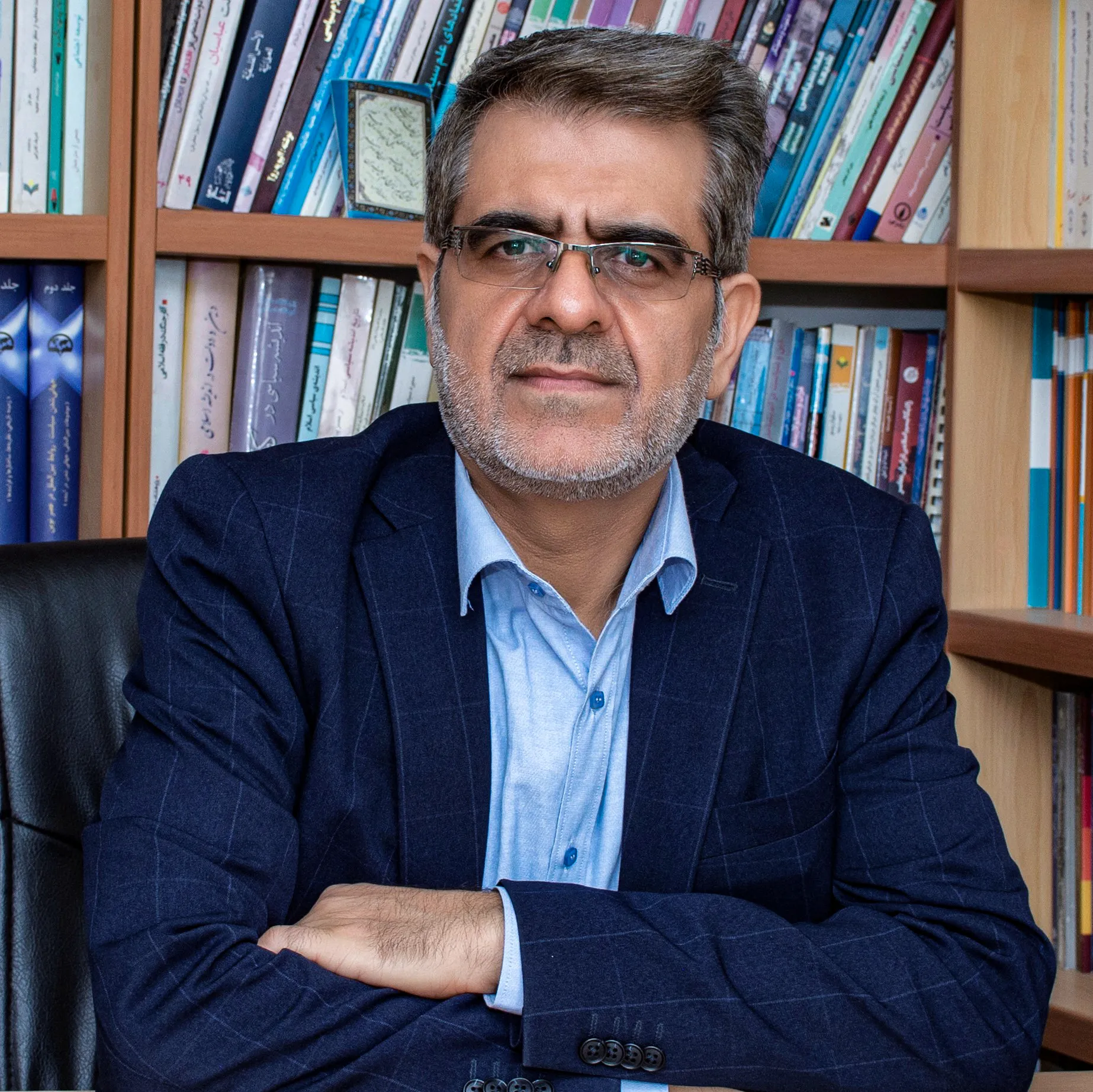
Is Imran Khan the civilian leader who could do the job of making peace with India? Could he carry the army with him?

Can he neutralize the Pakistani Taliban? Is India ready this time if he does?

We wait and we will see.

Copyright: Jonathan Power

www.jonathanpowerjournalist.com

Foreign affairs columnist, film-maker and author

Share

Leave a Reply

Your email address will not be published. Required fields are marked *

Related Posts

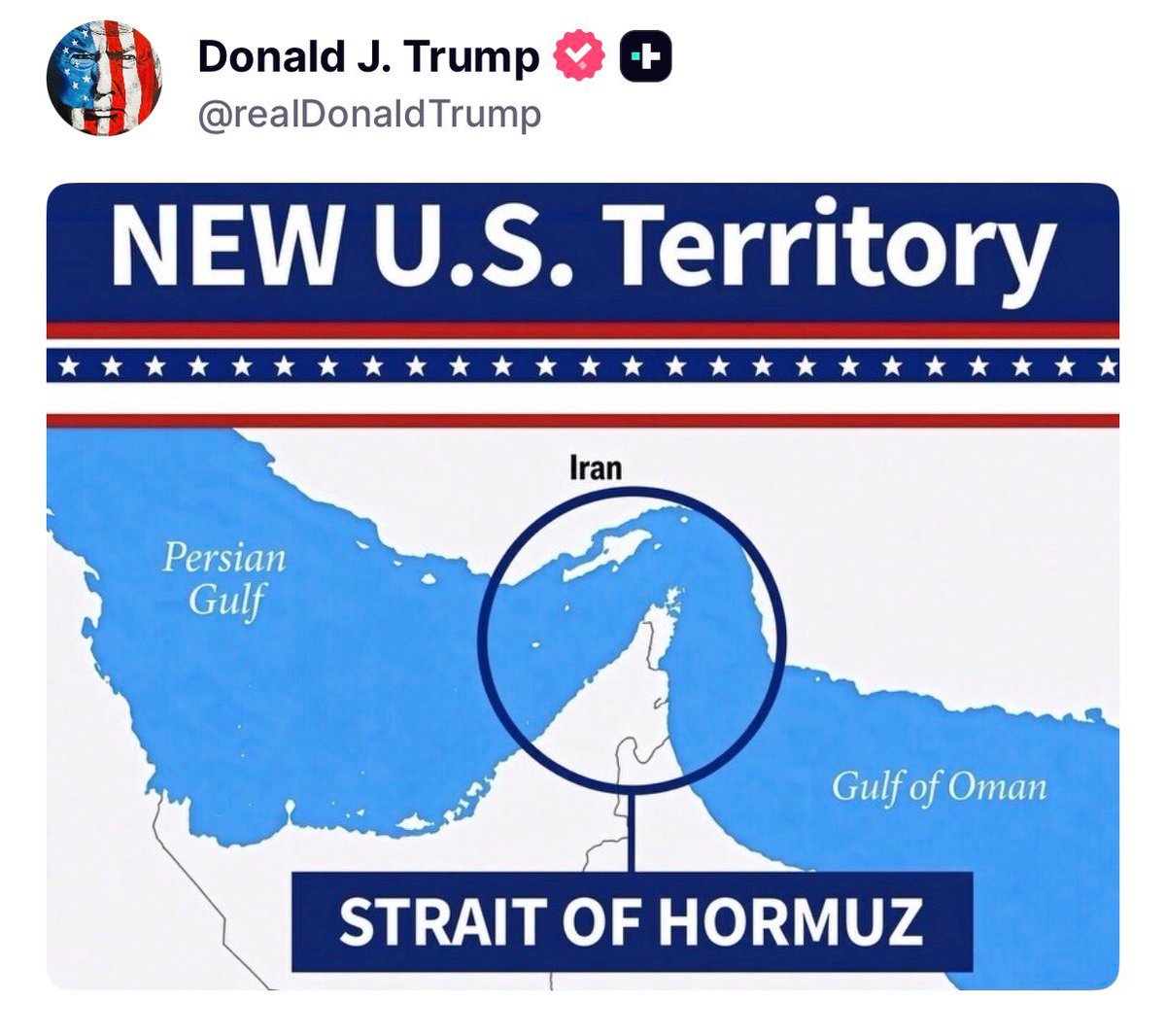
In 1980 in his State of the Union address President Jimmy Carter said: “Any attempt by any outside force to gain control of the Persian Gulf will be regarded as an assault on the vital interests of the United States and such an assault will be repelled by any means necessary, including military force.” Dear President Donald Trump: We’ve been here before and it’s as ludicrous this time as it was nearly 40 years ago. Why on earth are you sending in a flotilla of ships and 2,500 troops? Why are you so convinced that the mines that exploded on two oil tankers, neither of which were American, in the Persian Gulf are the work of the Iranians? The Persian Gulf, and in particular the infamous Strait of Hormuz, the narrow waterway (21 miles wide, the same as the English Channel) that is its entrance, is no longer the “jugular”...
I’m on the 250 km/hour train hurtling from Moscow to St Petersburg when it suddenly clicks in my mind. My apologies for being so stupid, but despite regular trips to Russia over many years I have only suddenly got it – I too have been brainwashed about Russia by Western politicians, media and authors, like nearly everyone else. What I noticed in Moscow and what I’ve seen in St Petersburg on previous trips is that, yes, I am, indeed I am, in a normal Western big city environment. Both cities are grand in different ways. St Petersburg, with its museums, palaces, great churches, canals and river, its rich store of art (probably second only to the Louvre) and its musical life (the Marriinsky theatre is the epicenter of world ballet) is arguably the most beautiful and imposing of all the world’s cities. Moscow has the Kremlin, the most majestic seat...
Brexit grabs the attention of much of the world, not least because Britain once had an Empire and ruled a great part of the world’s peoples. And it’s the caretaker of the English language, the Empire’s most important legacy. Add to that the BBC, the world’s favourite and most trusted radio and TV station, its top universities, its production of pop music, its numerous top-flight classical orchestras, its permanent membership of the UN Security Council, it being the world’s fifth largest economy and, alas, its possession of nuclear weapons. In terms of its soft non-military power, depending on which measurement is used, Britain is first or second in the world. It remains partly a mystery why something around half the electorate want Britain to leave the European Union. It’s mainly older people who voted that way in the referendum of three years ago. The very old who lived through World...

Recent Articles

PressInfo # 141, December 21, 2001It’s time to prepare reconciliation between Albanians and Serbs PressInfo # 140, December 14, 2001Ibrahim Rugova’s decade-long leadership in Kosovo/a PressInfo # 139, 11. december, 2001En god nyhet: Jugoslaviens Sannings- och försoningskommission PressInfo # 139, 11. december, 2001Gode nyheder: Jugoslaviens Sandheds- og Forsoningskommission PressInfo # 139, December 11, 2001Good news: Yugoslavia’s Truth and Reconciliation Commission PressInfo # 138, November 8, 2001TFF co-founder PhD with thesis about young people with roots in other cultures PressInfo # 138, November 8, 2001TFF:s medstiftare doktor på avhandling om unga med ursprung i andra kulturer PressInfo # 137, October 17, 2001A new Marshall Plan: Advancing human security and controlling terrorism PressInfo # 136, October 15, 2001The UN and Annan really deserve it PressInfo # 135, October 10, 2001Preventing a terrorist mushroom cloud PressInfo # 134, 17 oktober, 2001Sverige og 11. september PressInfo # 134, October 9, 2001Sweden and September 11...
Peace is promoted by constructive proposals and dialogue Four preceding PressInfos have expressed concern over — and criticised — the ongoing, militarisation of the EU. Some will say: but there are no alternatives. We believe that there are always alternatives, that democracies are characterised by alternatives and choice, and that openly discussed alternatives will improve the quality and legitimacy of society’s decision–making. In addition, it is an intellectual and moral challenge to not only criticise but also be constructive. If we only tell people that we think they are wrong, they are not likely to listen. However, if we say: what are your views on this set of ideas and steps? — we may sometimes engage them in dialogue and sow a seed. Most people in power circles live their daily lives in in a time frame and a social space where certain ideas, viewpoints and concepts are just not...
Photos © TFF 2000 Read PressInfo 90 “Lift the Sanctions and Bring More Aid to Yugoslavia” See Pictures from Belgrade © TFF 2000 Please reprint, copy, archive, quote or re-post this item, but please retain the source.

TFF on Substack

Discover more from TFF Transnational Foundation & Jan Oberg.

Most Popular

PressInfo # 141, December 21, 2001It’s time to prepare reconciliation between Albanians and Serbs PressInfo # 140, December 14, 2001Ibrahim Rugova’s decade-long leadership in Kosovo/a PressInfo # 139, 11. december, 2001En god nyhet: Jugoslaviens Sannings- och försoningskommission PressInfo # 139, 11. december, 2001Gode nyheder: Jugoslaviens Sandheds- og Forsoningskommission PressInfo # 139, December 11, 2001Good news: Yugoslavia’s Truth and Reconciliation Commission PressInfo # 138, November 8, 2001TFF co-founder PhD with thesis about young people with roots in other cultures PressInfo # 138, November 8, 2001TFF:s medstiftare doktor på avhandling om unga med ursprung i andra kulturer PressInfo # 137, October 17, 2001A new Marshall Plan: Advancing human security and controlling terrorism PressInfo # 136, October 15, 2001The UN and Annan really deserve it PressInfo # 135, October 10, 2001Preventing a terrorist mushroom cloud PressInfo # 134, 17 oktober, 2001Sverige og 11. september PressInfo # 134, October 9, 2001Sweden and September 11...
Peace is promoted by constructive proposals and dialogue Four preceding PressInfos have expressed concern over — and criticised — the ongoing, militarisation of the EU. Some will say: but there are no alternatives. We believe that there are always alternatives, that democracies are characterised by alternatives and choice, and that openly discussed alternatives will improve the quality and legitimacy of society’s decision–making. In addition, it is an intellectual and moral challenge to not only criticise but also be constructive. If we only tell people that we think they are wrong, they are not likely to listen. However, if we say: what are your views on this set of ideas and steps? — we may sometimes engage them in dialogue and sow a seed. Most people in power circles live their daily lives in in a time frame and a social space where certain ideas, viewpoints and concepts are just not...
Photos © TFF 2000 Read PressInfo 90 “Lift the Sanctions and Bring More Aid to Yugoslavia” See Pictures from Belgrade © TFF 2000 Please reprint, copy, archive, quote or re-post this item, but please retain the source.
Read More
Imagen-thumbnail-The-Transnational-1
PressInfo # 141, December 21, 2001It’s time to prepare reconciliation between Albanians and Serbs PressInfo # 140, December 14, 2001Ibrahim Rugova’s decade-long leadership in Kosovo/a PressInfo # 139, 11. december, 2001En god nyhet: Jugoslaviens Sannings- och försoningskommission PressInfo # 139, 11. december, 2001Gode nyheder: Jugoslaviens Sandheds- og Forsoningskommission PressInfo # 139, December 11, 2001Good news: Yugoslavia’s Truth and Reconciliation Commission PressInfo # 138, November 8, 2001TFF co-founder PhD with thesis about young people with roots in other cultures PressInfo # 138, November 8, 2001TFF:s medstiftare doktor på avhandling om unga med ursprung i andra kulturer PressInfo # 137, October 17, 2001A new Marshall Plan: Advancing human security and controlling terrorism PressInfo # 136, October 15, 2001The UN and Annan really deserve it PressInfo # 135, October 10, 2001Preventing a terrorist mushroom cloud PressInfo # 134, 17 oktober, 2001Sverige og 11. september PressInfo # 134, October 9, 2001Sweden and September 11...
Imagen-thumbnail-The-Transnational-1
Peace is promoted by constructive proposals and dialogue Four preceding PressInfos have expressed concern over — and criticised — the ongoing, militarisation of the EU. Some will say: but there are no alternatives. We believe that there are always alternatives, that democracies are characterised by alternatives and choice, and that openly discussed alternatives will improve the quality and legitimacy of society’s decision–making. In addition, it is an intellectual and moral challenge to not only criticise but also be constructive. If we only tell people that we think they are wrong, they are not likely to listen. However, if we say: what are your views on this set of ideas and steps? — we may sometimes engage them in dialogue and sow a seed. Most people in power circles live their daily lives in in a time frame and a social space where certain ideas, viewpoints and concepts are just not...
Imagen-thumbnail-The-Transnational-1
Photos © TFF 2000 Read PressInfo 90 “Lift the Sanctions and Bring More Aid to Yugoslavia” See Pictures from Belgrade © TFF 2000 Please reprint, copy, archive, quote or re-post this item, but please retain the source.
Imagen-thumbnail-The-Transnational-1
Av FRANK SØHOLM GREVIL 16 augusti 2004  Vi er nu nået til tredje akt i det absurde teaterstykke, der i analogi med de store skueprocesser i Moskva 1936-38 er blevet døbt ‘Grevil-sagen’. Første akt bestod i min anonyme fremlæggelse af egenhændigt nedklassificerede rapporter i Berlingske Tidende i februar og marts. Andet akt udgjordes af min fremtræden med navn og billede i Information i april samt den efterfølgende mediestorm, som uden min direkte medvirken kostede en forsvarsminister taburetten samt en sigtelse for brud på tavshedspligten. Tredje akt bliver en retssag, hvor jeg står tiltalt for at have overtrådt straffelovens bestemmelser om uberettiget videregivelse eller udnyttelse af fortrolige oplysninger. Statsanklageren har ovenikøbet valgt at påberåbe sig særligt skærpende omstændigheder. Da jeg aldrig har modtaget betaling for at stille rapporterne til rådighed eller lade mig interviewe, må det skærpende bestå i, at “videregivelsen eller udnyttelsen er sket under sådanne omstændigheder, at det påfører...
Imagen-thumbnail-The-Transnational-1
Af Svenska Irakkommittén mot de Ekonomiska Sanktionerna (SIES) 13 september 2002 FN:s ekonomiska sanktioner mot Irak har nu pågått i tolv år och drabbat det irakiska folket med svåra lidanden. Enligt FN:s egna siffror har mer än 1,5 miljoner människor, varav ca 600 000 barn, dött som en direkt följd av sanktionerna. Dessutom har ett lågintensivt bombkrig mot landet pågått under dessa år. Av all denna förödelse- orsakad huvudsakligen av amerikansk och brittisk politik- har Saddam Husseins brutala och diktatoriska regim snarast stärkts än försvagats. Nu förbereder USA under president Bushs ledning ett storskaligt bombkrig mot Irak som kommer att innebära ett ännu större lidande för civilbefolkningen. Ett sådant krig kommer dessutom att ytterligare undergräva freden och säkerheten i världen. Att upprätta en demokratisk regim i Irak är det irakiska folkets angelägenhet och får enligt folkrätten inte ske med krigshandlingar utifrån. Folkrätten och FN:s stadgar måste respekteras. Vi vädjar till...