War on Iraq: Not the president's decision

It took the public expression of doubts by Brent Scowcroft, a former national security adviser to presidents Gerald Ford and George Bush, to initiate finally a national debate on the merits of preemptive war against Iraq. Before Scowcroft spoke out it was nearly impossible to be heard above the drumbeats of war being orchestrated from the White House. Scowcroft was careful to couch his criticism in ultra-pragmatic terms relating to the dangers of undertaking such a war at this time and its likely diversion of energy from what he rightly depicts as America’s number one security priority, the continuing challenge posed by al-Qaida. Persuasively, also, Scowcroft downplays the regional threat posed by Saddam Hussein, and is highly skeptical about Iraq’s purported links to Sept. 11 or to terrorism generally. Scowcroft relies for political closure on an American call for a renewal of inspections, this time on an unrestricted (anytime, anywhere, no permission required) basis. If refused by Iraq, then Scowcroft appears to accept the logic of preemptive war.

This diminishes greatly the overall force of his argument, and provides the Bush planners with a way to shore up their support, especially in Washington-namely, by insisting on unrestricted inspection arrangements with such a wide ranging intrusion on Iraqi sovereign rights that Baghdad would have no choice but to refuse.

Scowcroft’s doubts have been echoed by other Republican stalwarts, including House Majority Leader Dick Armey.

Most unexpectedly, it is from Armey that we hear for the first time objections to launching a preemptive war against Iraq based on international law. The highly conservative Congressional leader asserted that an attack on Iraq would violate international law and would not be consistent with what we have been as a nation or what we should be as a nation.

This is such an obvious reality that it is an extraordinary commentary on the passivity of the Democratic Party that such a principled concern about Bush’s war talk had to wait upon the words of a leading Republican lawmaker.

Finally, with such rumblings coming from prominent and conservative members of his own party, President Bush could no longer turn a blind eye to doubts and criticisms directed at his plans for preemptive war against Iraq.

He even acknowledged that skepticism was coming from some very intelligent people, promised to consult, and called these dissenting voices part of a healthy debate.

Unilateralist ways

But in the same breath, the president resumed his unconstitutional and unilateralist ways by saying, “But America needs to know, I’ll be making up my mind based upon the latest intelligence and how best to protect our own country plus our friends and allies.”

Doesn’t Bush realize that the U.S. Constitution does not vest war-making powers in the office of the presidency? Doesn’t he realize the founders deliberately, with the greatest care, placed a decision of such gravity in the hands of the Congress?

And even if this condition were to be satisfied, formidable legal obstacles to war would still remain. It would still be constitutionally necessary for the United States to show respect for validly ratified international treaties, including the United Nations Charter.

It does not seem to us possible, given these considerations, to launch a preemptive war against Iraq without violating both the U.S. Constitution and international law.

Although we welcome and agree with the pragmatists who warn about the dire consequences that would likely follow upon initiating war against Iraq, we side with the principled opponents of war against Iraq, relying not only on international law, including the U.N. Charter, but also on the moral and religious guidelines contained in the just war doctrine.

Guilty of aggressive war

From these perspectives, under present conditions, it is clear that if the United States goes ahead and wages war against Iraq it will be guilty of what international lawyers call aggressive war, which was one of the principal charges leveled against surviving Axis leaders at the Nuremberg and Tokyo war crimes tribunals after World War II.

The main argument put forward by the Bush administration for the war is that the United States cannot stand aside while a brutal and expansionist Iraqi regime is acquiring nuclear and other weaponry of mass destruction.

Iraq, their argument continues, would then be in a position to transfer such weaponry to al-Qaida and other terrorist groups, as well as threaten Israel and the Gulf countries, which hold a large share of the world’s oil reserves.

As Scowcroft and others have pointed out, however, Saddam Hussein, for all his evils, has not had a record of cooperating with terrorist groups, much less al-Qaida.

It would be clear to Saddam Hussein that any provocative action would lead to the annihilation of Iraq as well as his personal destruction. Baghdad has been deterred over the course of the last decade, and there is every sound reason to think that deterrence and containment will work in the years ahead.

Unlike Iraq, al-Qaida cannot be deterred by threats of retaliatory force since it has no territorial base. The U.S. government should give its highest priority to guarding against al-Qaida gaining possession of weapons of mass destruction. Unfortunately, in this regard, the United States is failing to provide adequate support to assuring the control of the Russian nuclear arsenal.

Going to war against Iraq would produce the one set of conditions in which Saddam Hussein, faced with certain death and the destruction of his country, would have the greatest incentive to strike back with any means at his disposal. These would include the arming of al-Qaida or the launching of such weapons as Saddam Hussein possesses against U.S. troops and Israel.

Several constructive alternatives to war exist that are both consistent with international law and strongly preferred by America’s most trusted allies, and at the same time address those security concerns about future Iraqi behavior that seem valid.

These include the resumption of responsible weapons inspections under U.N. auspices combined with multilateral diplomacy and a continued reliance on non-nuclear deterrence. By responsible weapons inspections we mean those that an international inspectorate deems necessary to achieve confidence that weapons of mass destruction are not possessed or being developed by Iraq.

This approach is very different from the Scowcroft “anytime, anywhere” image of an acceptable inspection capability, which would almost certainly be rejected by Iraq, thereby reopening the door to the initiation of war that would still be unwarranted, imprudent and illegal.

In contrast, the resumption of responsible inspections could also lead to an improving diplomatic atmosphere, especially if coupled with ending the sanctions that have had such a cruel impact on Iraqi civilian society for more than a decade and the ending of frequent U.S. and British bombing missions in the no-fly zones in northern and southern Iraq. Diplomacy and international inspections successfully addressed comparable concerns about North Korea’s pursuit of a nuclear weapons capability.

Principle and prudence

It is time for the public debate on Iraq policy to raise these issues of principle and prudence, and to recognize that American leadership in the world will be much more respected, and in the end effective, if it does everything in its power to avoid war, and to strengthen the role of international law, including its insistence that international disputes be settled by peaceful means.

It has never been more crucial for American citizens and our friends abroad to raise their voices for peace and to resist the counsels of war.

* * *

This comment was originally contributed to the IHT/Asahi Shimbun.(IHT/Asahi: September 14, 2002)
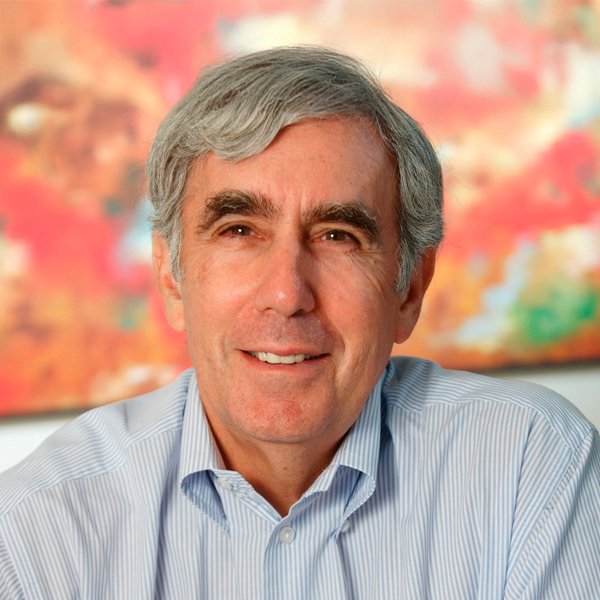
Professor Falk became an adviser to TFF when it was established in 1985.

Share

Leave a Reply

Your email address will not be published. Required fields are marked *

Related Posts

We know that medical personnel have failed to report to higher authorities wounds that were clearly caused by torture and that they have neglected to take steps to interrupt this torture. In addition, they have turned over prisoners’ medical records to interrogators who could use them to exploit the prisoners’ weaknesses or vulnerabilities. We have not yet learned the extent of medical involvement in delaying and possibly falsifying the death certificates of prisoners who have been killed by torturers. A May 22 article on Abu Ghraib in the New York Times states that “much of the evidence of abuse at the prison came from medical documents” and that records and statements “showed doctors and medics reporting to the area of the prison where the abuse occurred several times to stitch wounds, tend to collapsed prisoners or see patients with bruised or reddened genitals.” http://www.truthout.org/docs_04/080604J.shtml#16 According to the article, two doctors who...
Jan Øberg behandler i artiklen en lang række faktorer, som ligger til grund for den måde vores samfund er organiseret på – og derfor også for konflikter. Artiklen introducerer således sammenhængen mellem familien, foreninger, regeringer, NGO’ er, nation, stat, nationalstat og alliancer for på denne måde bedre at kunne forstå konflikter og i sidste ende blive klogere mht. at løse disse. Øberg, der er fortaler for global bevidsthed, hvilket skal ses i lyset af den øgede globalisering, skelner mellem kulturkamp og kulturdialog. Endelig behandles begrebet magt og magtesløshed: giver magt ret til at udøve magt – fordi man mener at have ret? Litteraturliste og arbejdsspørgsmål efter artiklen. Ordene vi bruger om verden I satellitperspektiv kan man godt tale om den menneskelige familie eller menneskeheden. Udtrykket understreger, at der eksisterer – eller burde eksistere – et fællesskab fordi vi alle er mennesker og sammen bebor denne klode og ingen anden. Og...
Kapitel 2: Forskellige sider af Europa og USA…fortsat 2.5 Militære relationer I forbifarten har vi allerede sagt nogle ting om USA’s militære situation. Kig lige en gang til på afsnit 2.3. Nu skal vi uddybe det militære forhold mellem USA og EU. Der er en række ligheder mellem visse europæiske landes og USA’s militær. Næsten alle er med på en eller anden måde i NATO, direkte som medlem – selv Island, der ikke har et forsvar – eller indirekte i Partnerskab for Fred. USA og Canada er med i OSCE (på dansk OSSE), Organisationen for Sikkerhed og Samarbejde i Europa, der tæller over 50 lande. USA samt England og Frankrig er kernevåbenstater og de har styrker til intervention langt borte fra hjemlandet, om end USA’s er tifold større. Alle har også en omfattende våbeneksport og bruger den som et middel til at tjene penge og få loyale venner på, det...

Recent Articles

We know that medical personnel have failed to report to higher authorities wounds that were clearly caused by torture and that they have neglected to take steps to interrupt this torture. In addition, they have turned over prisoners’ medical records to interrogators who could use them to exploit the prisoners’ weaknesses or vulnerabilities. We have not yet learned the extent of medical involvement in delaying and possibly falsifying the death certificates of prisoners who have been killed by torturers. A May 22 article on Abu Ghraib in the New York Times states that “much of the evidence of abuse at the prison came from medical documents” and that records and statements “showed doctors and medics reporting to the area of the prison where the abuse occurred several times to stitch wounds, tend to collapsed prisoners or see patients with bruised or reddened genitals.” http://www.truthout.org/docs_04/080604J.shtml#16 According to the article, two doctors who...
Jan Øberg behandler i artiklen en lang række faktorer, som ligger til grund for den måde vores samfund er organiseret på – og derfor også for konflikter. Artiklen introducerer således sammenhængen mellem familien, foreninger, regeringer, NGO’ er, nation, stat, nationalstat og alliancer for på denne måde bedre at kunne forstå konflikter og i sidste ende blive klogere mht. at løse disse. Øberg, der er fortaler for global bevidsthed, hvilket skal ses i lyset af den øgede globalisering, skelner mellem kulturkamp og kulturdialog. Endelig behandles begrebet magt og magtesløshed: giver magt ret til at udøve magt – fordi man mener at have ret? Litteraturliste og arbejdsspørgsmål efter artiklen. Ordene vi bruger om verden I satellitperspektiv kan man godt tale om den menneskelige familie eller menneskeheden. Udtrykket understreger, at der eksisterer – eller burde eksistere – et fællesskab fordi vi alle er mennesker og sammen bebor denne klode og ingen anden. Og...
Kapitel 2: Forskellige sider af Europa og USA…fortsat 2.5 Militære relationer I forbifarten har vi allerede sagt nogle ting om USA’s militære situation. Kig lige en gang til på afsnit 2.3. Nu skal vi uddybe det militære forhold mellem USA og EU. Der er en række ligheder mellem visse europæiske landes og USA’s militær. Næsten alle er med på en eller anden måde i NATO, direkte som medlem – selv Island, der ikke har et forsvar – eller indirekte i Partnerskab for Fred. USA og Canada er med i OSCE (på dansk OSSE), Organisationen for Sikkerhed og Samarbejde i Europa, der tæller over 50 lande. USA samt England og Frankrig er kernevåbenstater og de har styrker til intervention langt borte fra hjemlandet, om end USA’s er tifold større. Alle har også en omfattende våbeneksport og bruger den som et middel til at tjene penge og få loyale venner på, det...

TFF on Substack

Discover more from TFF Transnational Foundation & Jan Oberg.

Most Popular

We know that medical personnel have failed to report to higher authorities wounds that were clearly caused by torture and that they have neglected to take steps to interrupt this torture. In addition, they have turned over prisoners’ medical records to interrogators who could use them to exploit the prisoners’ weaknesses or vulnerabilities. We have not yet learned the extent of medical involvement in delaying and possibly falsifying the death certificates of prisoners who have been killed by torturers. A May 22 article on Abu Ghraib in the New York Times states that “much of the evidence of abuse at the prison came from medical documents” and that records and statements “showed doctors and medics reporting to the area of the prison where the abuse occurred several times to stitch wounds, tend to collapsed prisoners or see patients with bruised or reddened genitals.” http://www.truthout.org/docs_04/080604J.shtml#16 According to the article, two doctors who...
Jan Øberg behandler i artiklen en lang række faktorer, som ligger til grund for den måde vores samfund er organiseret på – og derfor også for konflikter. Artiklen introducerer således sammenhængen mellem familien, foreninger, regeringer, NGO’ er, nation, stat, nationalstat og alliancer for på denne måde bedre at kunne forstå konflikter og i sidste ende blive klogere mht. at løse disse. Øberg, der er fortaler for global bevidsthed, hvilket skal ses i lyset af den øgede globalisering, skelner mellem kulturkamp og kulturdialog. Endelig behandles begrebet magt og magtesløshed: giver magt ret til at udøve magt – fordi man mener at have ret? Litteraturliste og arbejdsspørgsmål efter artiklen. Ordene vi bruger om verden I satellitperspektiv kan man godt tale om den menneskelige familie eller menneskeheden. Udtrykket understreger, at der eksisterer – eller burde eksistere – et fællesskab fordi vi alle er mennesker og sammen bebor denne klode og ingen anden. Og...
Kapitel 2: Forskellige sider af Europa og USA…fortsat 2.5 Militære relationer I forbifarten har vi allerede sagt nogle ting om USA’s militære situation. Kig lige en gang til på afsnit 2.3. Nu skal vi uddybe det militære forhold mellem USA og EU. Der er en række ligheder mellem visse europæiske landes og USA’s militær. Næsten alle er med på en eller anden måde i NATO, direkte som medlem – selv Island, der ikke har et forsvar – eller indirekte i Partnerskab for Fred. USA og Canada er med i OSCE (på dansk OSSE), Organisationen for Sikkerhed og Samarbejde i Europa, der tæller over 50 lande. USA samt England og Frankrig er kernevåbenstater og de har styrker til intervention langt borte fra hjemlandet, om end USA’s er tifold større. Alle har også en omfattende våbeneksport og bruger den som et middel til at tjene penge og få loyale venner på, det...
Read More
Imagen-thumbnail-The-Transnational-1
We know that medical personnel have failed to report to higher authorities wounds that were clearly caused by torture and that they have neglected to take steps to interrupt this torture. In addition, they have turned over prisoners’ medical records to interrogators who could use them to exploit the prisoners’ weaknesses or vulnerabilities. We have not yet learned the extent of medical involvement in delaying and possibly falsifying the death certificates of prisoners who have been killed by torturers. A May 22 article on Abu Ghraib in the New York Times states that “much of the evidence of abuse at the prison came from medical documents” and that records and statements “showed doctors and medics reporting to the area of the prison where the abuse occurred several times to stitch wounds, tend to collapsed prisoners or see patients with bruised or reddened genitals.” http://www.truthout.org/docs_04/080604J.shtml#16 According to the article, two doctors who...
Imagen-thumbnail-The-Transnational-1
Jan Øberg behandler i artiklen en lang række faktorer, som ligger til grund for den måde vores samfund er organiseret på – og derfor også for konflikter. Artiklen introducerer således sammenhængen mellem familien, foreninger, regeringer, NGO’ er, nation, stat, nationalstat og alliancer for på denne måde bedre at kunne forstå konflikter og i sidste ende blive klogere mht. at løse disse. Øberg, der er fortaler for global bevidsthed, hvilket skal ses i lyset af den øgede globalisering, skelner mellem kulturkamp og kulturdialog. Endelig behandles begrebet magt og magtesløshed: giver magt ret til at udøve magt – fordi man mener at have ret? Litteraturliste og arbejdsspørgsmål efter artiklen. Ordene vi bruger om verden I satellitperspektiv kan man godt tale om den menneskelige familie eller menneskeheden. Udtrykket understreger, at der eksisterer – eller burde eksistere – et fællesskab fordi vi alle er mennesker og sammen bebor denne klode og ingen anden. Og...
Imagen-thumbnail-The-Transnational-1
Kapitel 2: Forskellige sider af Europa og USA…fortsat 2.5 Militære relationer I forbifarten har vi allerede sagt nogle ting om USA’s militære situation. Kig lige en gang til på afsnit 2.3. Nu skal vi uddybe det militære forhold mellem USA og EU. Der er en række ligheder mellem visse europæiske landes og USA’s militær. Næsten alle er med på en eller anden måde i NATO, direkte som medlem – selv Island, der ikke har et forsvar – eller indirekte i Partnerskab for Fred. USA og Canada er med i OSCE (på dansk OSSE), Organisationen for Sikkerhed og Samarbejde i Europa, der tæller over 50 lande. USA samt England og Frankrig er kernevåbenstater og de har styrker til intervention langt borte fra hjemlandet, om end USA’s er tifold større. Alle har også en omfattende våbeneksport og bruger den som et middel til at tjene penge og få loyale venner på, det...
Imagen-thumbnail-The-Transnational-1
Background Christian Harleman and Jan Oberg conducted a fact-finding mission to Burundi between November 26 and December 6, 2003. (See websites about the country here). The first TFF mission took place in March 1999. Unfortunately, since then it has not been practically possible to implement the co-operation with Burundi’s Ministry of Education and Burundian NGOs that was planned at the time. The 2003 mission had three purposes. First, to do fact-finding in general about the situation and, in particular, the progress under the Arusha Peace Process. Second, to explore the possibilities for co-operation between the government and relevant NGOs on the one hand and TFF on the other, in order to develop and deepen the existing competence in fields such as conflict-understanding, reconciliation and peace-building. Finally, third, to find out whether it would be possible, in co-operation with the Swedish Rescue Services Agency (Statens Räddningsverk), to establish a health care unit that...
Imagen-thumbnail-The-Transnational-1
Former UN Under-Secretary-General with special responsibility for peacekeeping operations TFF associate August 20, 2003 YRINGHAM, Mass.- Ralph Bunche was born in Detroit 100 years ago today (August 7, 2003). His passionate determination to get results did not extend to seeking credit for them, so his work is better remembered than he is. Of all his many accomplishments – civil rights pioneer, Nobel Peace Prize laureate, chief drafter of two chapters of the United Nations charter, negotiator of the armistices that ended the first Arab-Israeli war – Bunche said he was proudest of developing what came to be known as peacekeeping. Setting up the United Nations Truce Supervision Organization in Palestine in 1948, Bunche formulated the principles that have governed peacekeeping operations ever since. In the 1956 Suez crisis, working with Secretary General Dag Hammarskjold and Lester Pearson of Canada, he organized the first peacekeeping force, the United Nations Emergency Force...
– nästan 11 månader Till Sofia nästan 11 månader # 1  Till Sofias huvudsida Till alla Privata Foto-Serier