
To an Unknown Iraqi

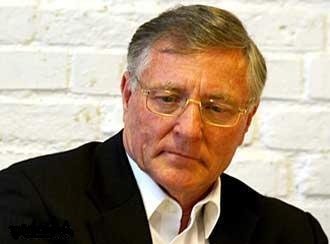
2013 is the year that accountability and Justice for Iraq should be high on the agenda of the International Human Rights Community. Hans C. von Sponeck, member of the BRussells Tribunal, who resigned as Humanitarian Coordinator for Iraq in 2000, wrote a moving apology letter to the Iraqi people in June 2003. We republish this letter again today.

By Hans von Sponeck

What we have done to you in the name of freedom and democracy has no parallel in history. We have trampled the truth concerning your suffering, we endeavoured to solicit allies through bribery and ruthlessly marginalized those who objected to our imperial intentions. Brute force became the substitute for the promise of 1945 “to save future generations from the scourge of war”. It was you who paid the price.

Will you ever forgive us?

The torture of dictatorship was terrible for you; we added the sword of sanctions. The curse of double punishment for something you had not done was the verdict against you. Two million of you died during those years, perhaps more. The figure does not really matter. None should have died because of us; everyone had the right to live, as we do, in peace. Let us not forget the many who are still alive may never live again, maimed and traumatized forever, reduced to empty human shells. We never really wanted to share with you the dream of freedom and democracy. All we were willing to pass on to you was naked hypocrisy.

Will you ever forgive us?

The camera of life takes real pictures. Lest we choose the wrong lenses they tell us the truth. We cannot pretend that we did not know of your plight. We can but admit that we have contributed to your suffering with unsurpassed ferocity. We knew of the malnourishment of your children. We knew of their deaths in the thousands and felt no guilt. Our vision was properly priced, we thought. We did not hesitate a moment to block ever increasing amounts of supplies you needed for survival. They might be used for weapons of mass destruction we argued. Ultimately we had to admit that the sanctions we imposed on you were the most effective weapons of mass destruction deployed.

Will you ever forgive us?

For a long time we limited the amount of oil you could sell, and took from this limitation funds to pay for wealthy governments and firms in compensation for losses they said they incurred when your government was the aggressor in Kuwait. We know that many of your children would not have died had these funds come instead to you. We refused to allow you resources to maintain your schools, hospitals, roads and bridges, to pay for your civil servants, doctors and teachers. We did not even shy away from withholding the meager travel money you wanted to pay your hajjis so that they could pray in Mecca.

Will you ever forgive us?

It was our mandate to follow the impact of our policies on your lives. We severely neglected this responsibility. Intimidated by the power of the moment, we closed our eyes and ears and ignored your pain. We decided that the oil for food program, the fig leaf of our conscience, was good enough to give you what you needed. Your suffering therefore had nothing to do with us, we pretended. Our former ally, your dictator, was declared the sole source of your misery. Whoever among us protested on your behalf was pronounced unpatriotic, declared a social outcast, was belittled, maligned and even arrested. This was democracy in action.

Will you ever forgive us?

Of course, it did not escape us that the most innocent and most vulnerable among you, your children, the nation’s leaders of tomorrow, were also the most severely punished. Your children did not get the education you and we have had. We purposely blocked the repair of your printing presses and even introduced postal regulations to prevent sending you learning materials, including sheets of music. As one of you said, we destroyed your economy and continued to destroy your minds. Again and again we withheld what you needed to make your water safe to drink and to keep your rivers clean. Contaminated water was a major reason why your children died. We did not care, they were not our children.

Drought, pests and epidemics joined the forces of your dictator and our sanctions. We could have increased the pittance we gave to combat these menaces but chose not to do so.

Will you ever forgive us?

There was indeed an axis of evil, an alliance of governments, think-tanks, media and corporations erecting a massive wall of disinformation. Iraq and Al Qaeda, weapons of mass destruction and terrorism, we told the world, were a lethal combination. Hundreds of tons of biological and chemical agents, missiles, rockets and hordes of terrorists were ready to destroy us. An imminent threat existed that only a preemptive strike could avert. All those who pleaded for peace, humanity, reason and law were subjected to and punished with ‘shock and awe’ tactics before ‘shock and awe’ was rained upon you. With cynicism we declared that 170 UN bureaucrats and three white helicopters were not up to the job of disarming Iraq. Falsified documents, plagiarized reports, invented intelligence helped us to make our case for war by instilling fear among the innocent and convincing our parliaments to concur.

We pretended to care for your sovereignty, yet, in direct contradiction we unlawfully established no-fly-zones in your country and announced that our pilots were there on dangerous missions, risking their lives on your behalf. Instead they came to further weaken you and risk your lives, not ours, before declaring war.

Will you ever forgive us?

For a long time our spin doctors tried to keep us hostage as we watched the tragedy of war and illegality coming closer to your borders. Deep were the divisions among us. Many feared for you while others could not wait to begin a war that had been decided long ago. Our leaders needed to distract us from urgent and numerous social and economic problems. Our eviction from your next door neighbour was imminent. Without your oil the strategy for global domination would not work.

Will you ever forgive us?

We told our young men and women in uniform that they were fighting evil and defending the good. Years of hard work spent refining the technology of death and costing millions of dollars gave us the confidence that the losses would be on your side and not on ours. We ensured that the reports from the war front would portray us as heroes and you as the villains, extensions of an evil dictator. As predicted the most uneven war in history did not last long. Our new weapons were simply too good. While we continued our lives in the comfort of peace, we watched you suffering the horror of war. Honest reporting of a war that was killing your sons and daughters and ours as well could have meant the end of a career for a journalist.

Will you ever forgive us?

There were few flowers, flags or smiling faces. Where were those weapons of mass destruction we assuredly would find? We suffered no guilt and made no apologies. Unfortunately for you, no plan was made for starting the healing. Victors are victors. Chaos suited us well… but we made certain that the oil administration was safe. Our concerns were not yours, quite to the contrary. We watched and encouraged your anger and hate. Yes, your dictator deserved it. However, the greed, yours and ours, raped our common heritage. Your museums are empty, your libraries burnt, your universities destroyed. Only your pride is still there…. and our guilt.

Will you ever forgive us?

Geneva, 1 June 2003

H.C. Graf Sponeck
UN Humanitarian Coordinator for Iraq 1998-2000

Originally published here.
Share

Leave a Reply

Your email address will not be published. Required fields are marked *

Related Posts

We know that medical personnel have failed to report to higher authorities wounds that were clearly caused by torture and that they have neglected to take steps to interrupt this torture. In addition, they have turned over prisoners’ medical records to interrogators who could use them to exploit the prisoners’ weaknesses or vulnerabilities. We have not yet learned the extent of medical involvement in delaying and possibly falsifying the death certificates of prisoners who have been killed by torturers. A May 22 article on Abu Ghraib in the New York Times states that “much of the evidence of abuse at the prison came from medical documents” and that records and statements “showed doctors and medics reporting to the area of the prison where the abuse occurred several times to stitch wounds, tend to collapsed prisoners or see patients with bruised or reddened genitals.” http://www.truthout.org/docs_04/080604J.shtml#16 According to the article, two doctors who...
Jan Øberg behandler i artiklen en lang række faktorer, som ligger til grund for den måde vores samfund er organiseret på – og derfor også for konflikter. Artiklen introducerer således sammenhængen mellem familien, foreninger, regeringer, NGO’ er, nation, stat, nationalstat og alliancer for på denne måde bedre at kunne forstå konflikter og i sidste ende blive klogere mht. at løse disse. Øberg, der er fortaler for global bevidsthed, hvilket skal ses i lyset af den øgede globalisering, skelner mellem kulturkamp og kulturdialog. Endelig behandles begrebet magt og magtesløshed: giver magt ret til at udøve magt – fordi man mener at have ret? Litteraturliste og arbejdsspørgsmål efter artiklen. Ordene vi bruger om verden I satellitperspektiv kan man godt tale om den menneskelige familie eller menneskeheden. Udtrykket understreger, at der eksisterer – eller burde eksistere – et fællesskab fordi vi alle er mennesker og sammen bebor denne klode og ingen anden. Og...
Kapitel 2: Forskellige sider af Europa og USA…fortsat 2.5 Militære relationer I forbifarten har vi allerede sagt nogle ting om USA’s militære situation. Kig lige en gang til på afsnit 2.3. Nu skal vi uddybe det militære forhold mellem USA og EU. Der er en række ligheder mellem visse europæiske landes og USA’s militær. Næsten alle er med på en eller anden måde i NATO, direkte som medlem – selv Island, der ikke har et forsvar – eller indirekte i Partnerskab for Fred. USA og Canada er med i OSCE (på dansk OSSE), Organisationen for Sikkerhed og Samarbejde i Europa, der tæller over 50 lande. USA samt England og Frankrig er kernevåbenstater og de har styrker til intervention langt borte fra hjemlandet, om end USA’s er tifold større. Alle har også en omfattende våbeneksport og bruger den som et middel til at tjene penge og få loyale venner på, det...

Recent Articles

We know that medical personnel have failed to report to higher authorities wounds that were clearly caused by torture and that they have neglected to take steps to interrupt this torture. In addition, they have turned over prisoners’ medical records to interrogators who could use them to exploit the prisoners’ weaknesses or vulnerabilities. We have not yet learned the extent of medical involvement in delaying and possibly falsifying the death certificates of prisoners who have been killed by torturers. A May 22 article on Abu Ghraib in the New York Times states that “much of the evidence of abuse at the prison came from medical documents” and that records and statements “showed doctors and medics reporting to the area of the prison where the abuse occurred several times to stitch wounds, tend to collapsed prisoners or see patients with bruised or reddened genitals.” http://www.truthout.org/docs_04/080604J.shtml#16 According to the article, two doctors who...
Jan Øberg behandler i artiklen en lang række faktorer, som ligger til grund for den måde vores samfund er organiseret på – og derfor også for konflikter. Artiklen introducerer således sammenhængen mellem familien, foreninger, regeringer, NGO’ er, nation, stat, nationalstat og alliancer for på denne måde bedre at kunne forstå konflikter og i sidste ende blive klogere mht. at løse disse. Øberg, der er fortaler for global bevidsthed, hvilket skal ses i lyset af den øgede globalisering, skelner mellem kulturkamp og kulturdialog. Endelig behandles begrebet magt og magtesløshed: giver magt ret til at udøve magt – fordi man mener at have ret? Litteraturliste og arbejdsspørgsmål efter artiklen. Ordene vi bruger om verden I satellitperspektiv kan man godt tale om den menneskelige familie eller menneskeheden. Udtrykket understreger, at der eksisterer – eller burde eksistere – et fællesskab fordi vi alle er mennesker og sammen bebor denne klode og ingen anden. Og...
Kapitel 2: Forskellige sider af Europa og USA…fortsat 2.5 Militære relationer I forbifarten har vi allerede sagt nogle ting om USA’s militære situation. Kig lige en gang til på afsnit 2.3. Nu skal vi uddybe det militære forhold mellem USA og EU. Der er en række ligheder mellem visse europæiske landes og USA’s militær. Næsten alle er med på en eller anden måde i NATO, direkte som medlem – selv Island, der ikke har et forsvar – eller indirekte i Partnerskab for Fred. USA og Canada er med i OSCE (på dansk OSSE), Organisationen for Sikkerhed og Samarbejde i Europa, der tæller over 50 lande. USA samt England og Frankrig er kernevåbenstater og de har styrker til intervention langt borte fra hjemlandet, om end USA’s er tifold større. Alle har også en omfattende våbeneksport og bruger den som et middel til at tjene penge og få loyale venner på, det...

TFF on Substack

Discover more from TFF Transnational Foundation & Jan Oberg.

Most Popular

We know that medical personnel have failed to report to higher authorities wounds that were clearly caused by torture and that they have neglected to take steps to interrupt this torture. In addition, they have turned over prisoners’ medical records to interrogators who could use them to exploit the prisoners’ weaknesses or vulnerabilities. We have not yet learned the extent of medical involvement in delaying and possibly falsifying the death certificates of prisoners who have been killed by torturers. A May 22 article on Abu Ghraib in the New York Times states that “much of the evidence of abuse at the prison came from medical documents” and that records and statements “showed doctors and medics reporting to the area of the prison where the abuse occurred several times to stitch wounds, tend to collapsed prisoners or see patients with bruised or reddened genitals.” http://www.truthout.org/docs_04/080604J.shtml#16 According to the article, two doctors who...
Jan Øberg behandler i artiklen en lang række faktorer, som ligger til grund for den måde vores samfund er organiseret på – og derfor også for konflikter. Artiklen introducerer således sammenhængen mellem familien, foreninger, regeringer, NGO’ er, nation, stat, nationalstat og alliancer for på denne måde bedre at kunne forstå konflikter og i sidste ende blive klogere mht. at løse disse. Øberg, der er fortaler for global bevidsthed, hvilket skal ses i lyset af den øgede globalisering, skelner mellem kulturkamp og kulturdialog. Endelig behandles begrebet magt og magtesløshed: giver magt ret til at udøve magt – fordi man mener at have ret? Litteraturliste og arbejdsspørgsmål efter artiklen. Ordene vi bruger om verden I satellitperspektiv kan man godt tale om den menneskelige familie eller menneskeheden. Udtrykket understreger, at der eksisterer – eller burde eksistere – et fællesskab fordi vi alle er mennesker og sammen bebor denne klode og ingen anden. Og...
Kapitel 2: Forskellige sider af Europa og USA…fortsat 2.5 Militære relationer I forbifarten har vi allerede sagt nogle ting om USA’s militære situation. Kig lige en gang til på afsnit 2.3. Nu skal vi uddybe det militære forhold mellem USA og EU. Der er en række ligheder mellem visse europæiske landes og USA’s militær. Næsten alle er med på en eller anden måde i NATO, direkte som medlem – selv Island, der ikke har et forsvar – eller indirekte i Partnerskab for Fred. USA og Canada er med i OSCE (på dansk OSSE), Organisationen for Sikkerhed og Samarbejde i Europa, der tæller over 50 lande. USA samt England og Frankrig er kernevåbenstater og de har styrker til intervention langt borte fra hjemlandet, om end USA’s er tifold større. Alle har også en omfattende våbeneksport og bruger den som et middel til at tjene penge og få loyale venner på, det...
Read More
Imagen-thumbnail-The-Transnational-1
We know that medical personnel have failed to report to higher authorities wounds that were clearly caused by torture and that they have neglected to take steps to interrupt this torture. In addition, they have turned over prisoners’ medical records to interrogators who could use them to exploit the prisoners’ weaknesses or vulnerabilities. We have not yet learned the extent of medical involvement in delaying and possibly falsifying the death certificates of prisoners who have been killed by torturers. A May 22 article on Abu Ghraib in the New York Times states that “much of the evidence of abuse at the prison came from medical documents” and that records and statements “showed doctors and medics reporting to the area of the prison where the abuse occurred several times to stitch wounds, tend to collapsed prisoners or see patients with bruised or reddened genitals.” http://www.truthout.org/docs_04/080604J.shtml#16 According to the article, two doctors who...
Imagen-thumbnail-The-Transnational-1
Jan Øberg behandler i artiklen en lang række faktorer, som ligger til grund for den måde vores samfund er organiseret på – og derfor også for konflikter. Artiklen introducerer således sammenhængen mellem familien, foreninger, regeringer, NGO’ er, nation, stat, nationalstat og alliancer for på denne måde bedre at kunne forstå konflikter og i sidste ende blive klogere mht. at løse disse. Øberg, der er fortaler for global bevidsthed, hvilket skal ses i lyset af den øgede globalisering, skelner mellem kulturkamp og kulturdialog. Endelig behandles begrebet magt og magtesløshed: giver magt ret til at udøve magt – fordi man mener at have ret? Litteraturliste og arbejdsspørgsmål efter artiklen. Ordene vi bruger om verden I satellitperspektiv kan man godt tale om den menneskelige familie eller menneskeheden. Udtrykket understreger, at der eksisterer – eller burde eksistere – et fællesskab fordi vi alle er mennesker og sammen bebor denne klode og ingen anden. Og...
Imagen-thumbnail-The-Transnational-1
Kapitel 2: Forskellige sider af Europa og USA…fortsat 2.5 Militære relationer I forbifarten har vi allerede sagt nogle ting om USA’s militære situation. Kig lige en gang til på afsnit 2.3. Nu skal vi uddybe det militære forhold mellem USA og EU. Der er en række ligheder mellem visse europæiske landes og USA’s militær. Næsten alle er med på en eller anden måde i NATO, direkte som medlem – selv Island, der ikke har et forsvar – eller indirekte i Partnerskab for Fred. USA og Canada er med i OSCE (på dansk OSSE), Organisationen for Sikkerhed og Samarbejde i Europa, der tæller over 50 lande. USA samt England og Frankrig er kernevåbenstater og de har styrker til intervention langt borte fra hjemlandet, om end USA’s er tifold større. Alle har også en omfattende våbeneksport og bruger den som et middel til at tjene penge og få loyale venner på, det...
Imagen-thumbnail-The-Transnational-1
Background Christian Harleman and Jan Oberg conducted a fact-finding mission to Burundi between November 26 and December 6, 2003. (See websites about the country here). The first TFF mission took place in March 1999. Unfortunately, since then it has not been practically possible to implement the co-operation with Burundi’s Ministry of Education and Burundian NGOs that was planned at the time. The 2003 mission had three purposes. First, to do fact-finding in general about the situation and, in particular, the progress under the Arusha Peace Process. Second, to explore the possibilities for co-operation between the government and relevant NGOs on the one hand and TFF on the other, in order to develop and deepen the existing competence in fields such as conflict-understanding, reconciliation and peace-building. Finally, third, to find out whether it would be possible, in co-operation with the Swedish Rescue Services Agency (Statens Räddningsverk), to establish a health care unit that...
Imagen-thumbnail-The-Transnational-1
Former UN Under-Secretary-General with special responsibility for peacekeeping operations TFF associate August 20, 2003 YRINGHAM, Mass.- Ralph Bunche was born in Detroit 100 years ago today (August 7, 2003). His passionate determination to get results did not extend to seeking credit for them, so his work is better remembered than he is. Of all his many accomplishments – civil rights pioneer, Nobel Peace Prize laureate, chief drafter of two chapters of the United Nations charter, negotiator of the armistices that ended the first Arab-Israeli war – Bunche said he was proudest of developing what came to be known as peacekeeping. Setting up the United Nations Truce Supervision Organization in Palestine in 1948, Bunche formulated the principles that have governed peacekeeping operations ever since. In the 1956 Suez crisis, working with Secretary General Dag Hammarskjold and Lester Pearson of Canada, he organized the first peacekeeping force, the United Nations Emergency Force...
– nästan 11 månader Till Sofia nästan 11 månader # 1  Till Sofias huvudsida Till alla Privata Foto-Serier
