
Global etik, tak!

For et par måneder siden erklærede den islandske præsident at folketinget, Det Hvide Hus og traditionelle magtinstanser næsten er blevet et ”side show” i forhold til sociale medier. Ligeså stille bevæger vi os væk fra nationalstaten som den suveræne magtinstans til globale netværk i forskellige udformninger. Med andre ord er det folk som dig og mig, der har ansvar for, hvor verden bevæger sig hen. Men hvilke værdier skal vi handle efter i denne nye verdensorden?

Moralsk tomrum
I Danmark er mange værdier blevet sideordnede. Fordi vi har indset, at jeg ganske rigtigt ser verden fra mit perspektiv, mens du ser verden fra dit, har vi konkluderet at alt er lige godt. Om du bruger dine penge på designermøbler eller sender dem til Afrika er stort set hip som hap. Lige bortset fra at det første er mere hipt. Enhver må leve sit liv som han vil, sålænge han ikke forvolder skade mod andre og iøvrigt betaler sin skat.

I dette normative tomrum opstår en masse divergerende teorier om, hvordan man bør leve sit liv. Hvordan man bør klæde sig, opdrage sine børn, lede sin virksomhed og ikke mindst, hvilket føde man må indtage. Den ene dag giver det kræft at spise æg, den næste dag er det sundt for håret. Det normative input mangler på én gang substans, konsistens og mening, der rækker udover os selv.

Det samme er tilfældet på det religiøse felt. Ligesom bogtrykkerkunsten hjalp til at udbrede biblen har internettet givet anledning til en helt ny tilgang til religion – hvad den danske forfatter, Morten Thomsen Højsgaard, kalder google buddhisme.

Denne form for spiritualitet indebærer, at man krydrer sit ellers sækulære liv med diverse indput fra forskellige spirituelle retninger, som man selv samensætter (jf. søger på google). For at religion ikke blot bliver et projekt på linie med andre narcisistiske foretagender, mangler vi også her et moralsk kompas til at navigere i dette net af ideer, teorier og praksiser.

Globale netværk
Forleden snakkede jeg med en 12 årig pige, der var dybt engageret i Japan med alt fra manga og suchi til japansk humor og politiske forhold. Hun sad klistret til dr-update hele dagen efter tsunamien og føler lige stor forbundethed med hændelser i Japan som i fx Norge.

Og hun er ikke den eneste. Om det er Liberal Alliance der oprigtigt bekymrer sig om den globale konkurrence, soldater der sendes til Afghanistan, patienter der behandles af irakiske læger eller min mormor, der har sat sig for at lære kinesisk.

På finurligvis er vi alle forbundet på kryds og tværs. Mine bukser er syet af børn i Indien, mine bananer er fra Mellem Amerika, min computer fra USA og metallerne heri fra Afrika.

Hvis vi skal tage de fulde konsekvenser af denne forbundethed, må vi erkende vores ansvar. Ligesom vi har empati og ansvar for vores nærmeste familie i kraft af vores indbyrdes afhængighed, kan vi ligeledes have dette for vores nation, religiøse fællesskab – ja sågar for hele kloden. Vi kan udvikle globalt medborgerskab og udvide vores horisont til global bevidsthed.

Men er det overhovedet muligt at se verden i et globalt perspektiv? At lægge låg på debatten om en enlig mors budget og fokusere på, hvordan vi kan skabe et velfærdsamfund på verdensplan, så vores arbejdspladser ikke ryger til Kina?

En af de ting der muliggør global bevidsthed er moderne teknologi. De nye medier gør det meget vanskeligt at undgå input fra andre steder på kloden – pludselig står oprørerne fra det arabiske forår midt i vores stue og råber på frihed.

På mange måder er internettet en analogi for de globale netværk som vi alle indgår i, forbundet på kryds og tværs i et net af uendelig kompleksitet. Samtidig er internettet et af de værktøjer, der muliggør globalt engagement. Fx har organisationen Avaaz over ti millioner medlemmer verden over, der skriver emails og støtter sager om klimaaftaler, menneskerettigheder og demokrati.
Ansvar og guldskeer
Men det individuelle ansvar i forhold til verden må række udover ”kliktivisme” og være en del af vores valg i dagligdagen. For at leve op til et sådant ansvar mener jeg vi har brug for to ting: 1) et moralsk kompas og 2) konkrete handlingsmuligheder for at bidrage.

Jeg har her understreget ansvar og empati for folk på den anden side af kloden som passende værdier til den måde verden hænger sammen på i dag. Jo større perspektiv jo bedre.

Problemet er, at det er umuligt at opstille endegyldige regler, der til enhver tid kan fortælle, hvad der er det rigtige at gøre. Tidernerne skifter konstant og hvad der er passende i én situation er måske tåbeligt i en anden. Vi må derfor skærpe vores opmærksomhed og være bevidste i enhver situation for at komme med en passende respons. Hvad er virkelig min intention med denne handling? Gør jeg det også for et højere formål? Har jeg set situationen i det størst mulige perspektiv?

Her kommer problematikken om vores handlemuligheder ind i billedet. For selv hvis jeg oprigtigt ønskede at handle etisk og globalt – hvilke muligheder har jeg herfor uden nødvendigvis at sætte hele mit liv over bord?

Jeg tror der er virkelig mange, som inderligt ønsker at gøre en forskel, men ikke helt ved hvor de skal sætte ind. Vi må skabe flere handlingsmuligheder sammen, undersøge hvordan vi hver især bidrager bedst og bygge skoler hvor initiativ, global bevidsthed og mod på at forandre verden styrkes.

Netop fordi vi ikke længere blot kan slå op i en enkelt bog for at finde svar på de udfordringer vi står overfor i dag, har vi brug for at sætte os sammen og diskutere, i hvilken retning vi gerne vil dreje udviklingen.
Vi er ikke blot ansvarlige for verden, fordi vi er en del af den, men også fordi vi tilhører den mest priviligerede del af den.

Med andre ord: os der er født med en guldske i røven må se at få fingeren ud – der er simpelthen ikke plads til begge dele.
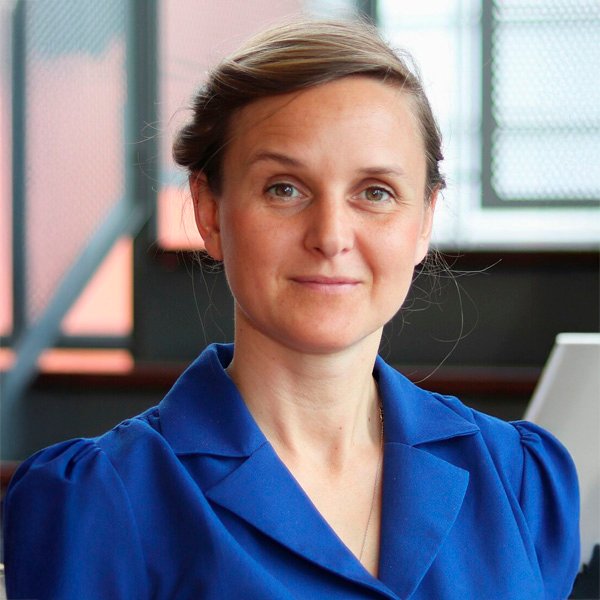

"2011-2012 MA in Peace and Conflict Studies Malmö University 2011 Peace Research (MA level), Oslo University 2011 Peace-building Course at University for Peace (MA level). 2010 Peace and conflict studies in India (BA level). 2008 – 2010 Roskilde university, Cultural encounters and psychology 2008 Testrup Højskole, theatre 2004 – 2007 Rønde High School "

Share

Leave a Reply

Your email address will not be published. Required fields are marked *

Related Posts

Gandhi, Arun. Lord Richard Attenborough. Kasturba: a lifeNew Delhi: Penguin Books Ltd., 2000.315 pp, 295 Indian Rs, US $22.51 January 29, 2002 Arun Gandhi, grandson to Mohandas and Kasturba, has written a thorough account of Kasturba’s life. Arun begins with a description of Kasturba’s childhood in Porbandar in the late1800s, before she met Mohandas. By having chosen to embark on difficult research into his grandmother’s life, including her first years which are not well-documented, Arun ensures that the reader receives an intimate and life-long portrait of this amazing woman. Kasturba is presented as a lively woman &endash; obedient, yet with a mind of her own. As the relationship between Kasturba and Mohandas developed, Arun maintains that Kasturba’s influence over Mohandas in her own quiet way also grew, to which some of Mohandas’ writings also attest.  Arun paints a vivid picture of the beginnings of Mohandas’ non-violence movement in South Africa, a...
In response to an urgent Appeal from all the living Nobel Peace Prize Laureates, the General Assembly of the United Nations, on November 1998, unanimously declared the first decade of the twenty-first century to be The Decade for a Culture of Peace and Nonviolence. While people are naturally concerned about the amount of violence in our world and how it threatens our future, the Nobel Laureates are right to remind us of the potential of nonviolence and our calling to build a culture of peace and nonviolence.  The twentieth century is instructive in the way that the philosophy and practice of nonviolence have begun to flourish and in the way that nonviolent movements have had an exponential growth across the world. Mohandas Gandhi and Martin Luther King, Jr. are the most famous nonviolent leaders but many have built upon the paths they charted as in country after country, tyrannies and...
We know that medical personnel have failed to report to higher authorities wounds that were clearly caused by torture and that they have neglected to take steps to interrupt this torture. In addition, they have turned over prisoners’ medical records to interrogators who could use them to exploit the prisoners’ weaknesses or vulnerabilities. We have not yet learned the extent of medical involvement in delaying and possibly falsifying the death certificates of prisoners who have been killed by torturers. A May 22 article on Abu Ghraib in the New York Times states that “much of the evidence of abuse at the prison came from medical documents” and that records and statements “showed doctors and medics reporting to the area of the prison where the abuse occurred several times to stitch wounds, tend to collapsed prisoners or see patients with bruised or reddened genitals.” http://www.truthout.org/docs_04/080604J.shtml#16 According to the article, two doctors who...

Recent Articles

Gandhi, Arun. Lord Richard Attenborough. Kasturba: a lifeNew Delhi: Penguin Books Ltd., 2000.315 pp, 295 Indian Rs, US $22.51 January 29, 2002 Arun Gandhi, grandson to Mohandas and Kasturba, has written a thorough account of Kasturba’s life. Arun begins with a description of Kasturba’s childhood in Porbandar in the late1800s, before she met Mohandas. By having chosen to embark on difficult research into his grandmother’s life, including her first years which are not well-documented, Arun ensures that the reader receives an intimate and life-long portrait of this amazing woman. Kasturba is presented as a lively woman &endash; obedient, yet with a mind of her own. As the relationship between Kasturba and Mohandas developed, Arun maintains that Kasturba’s influence over Mohandas in her own quiet way also grew, to which some of Mohandas’ writings also attest.  Arun paints a vivid picture of the beginnings of Mohandas’ non-violence movement in South Africa, a...
In response to an urgent Appeal from all the living Nobel Peace Prize Laureates, the General Assembly of the United Nations, on November 1998, unanimously declared the first decade of the twenty-first century to be The Decade for a Culture of Peace and Nonviolence. While people are naturally concerned about the amount of violence in our world and how it threatens our future, the Nobel Laureates are right to remind us of the potential of nonviolence and our calling to build a culture of peace and nonviolence.  The twentieth century is instructive in the way that the philosophy and practice of nonviolence have begun to flourish and in the way that nonviolent movements have had an exponential growth across the world. Mohandas Gandhi and Martin Luther King, Jr. are the most famous nonviolent leaders but many have built upon the paths they charted as in country after country, tyrannies and...
We know that medical personnel have failed to report to higher authorities wounds that were clearly caused by torture and that they have neglected to take steps to interrupt this torture. In addition, they have turned over prisoners’ medical records to interrogators who could use them to exploit the prisoners’ weaknesses or vulnerabilities. We have not yet learned the extent of medical involvement in delaying and possibly falsifying the death certificates of prisoners who have been killed by torturers. A May 22 article on Abu Ghraib in the New York Times states that “much of the evidence of abuse at the prison came from medical documents” and that records and statements “showed doctors and medics reporting to the area of the prison where the abuse occurred several times to stitch wounds, tend to collapsed prisoners or see patients with bruised or reddened genitals.” http://www.truthout.org/docs_04/080604J.shtml#16 According to the article, two doctors who...

TFF on Substack

Discover more from TFF Transnational Foundation & Jan Oberg.

Most Popular

Gandhi, Arun. Lord Richard Attenborough. Kasturba: a lifeNew Delhi: Penguin Books Ltd., 2000.315 pp, 295 Indian Rs, US $22.51 January 29, 2002 Arun Gandhi, grandson to Mohandas and Kasturba, has written a thorough account of Kasturba’s life. Arun begins with a description of Kasturba’s childhood in Porbandar in the late1800s, before she met Mohandas. By having chosen to embark on difficult research into his grandmother’s life, including her first years which are not well-documented, Arun ensures that the reader receives an intimate and life-long portrait of this amazing woman. Kasturba is presented as a lively woman &endash; obedient, yet with a mind of her own. As the relationship between Kasturba and Mohandas developed, Arun maintains that Kasturba’s influence over Mohandas in her own quiet way also grew, to which some of Mohandas’ writings also attest.  Arun paints a vivid picture of the beginnings of Mohandas’ non-violence movement in South Africa, a...
In response to an urgent Appeal from all the living Nobel Peace Prize Laureates, the General Assembly of the United Nations, on November 1998, unanimously declared the first decade of the twenty-first century to be The Decade for a Culture of Peace and Nonviolence. While people are naturally concerned about the amount of violence in our world and how it threatens our future, the Nobel Laureates are right to remind us of the potential of nonviolence and our calling to build a culture of peace and nonviolence.  The twentieth century is instructive in the way that the philosophy and practice of nonviolence have begun to flourish and in the way that nonviolent movements have had an exponential growth across the world. Mohandas Gandhi and Martin Luther King, Jr. are the most famous nonviolent leaders but many have built upon the paths they charted as in country after country, tyrannies and...
We know that medical personnel have failed to report to higher authorities wounds that were clearly caused by torture and that they have neglected to take steps to interrupt this torture. In addition, they have turned over prisoners’ medical records to interrogators who could use them to exploit the prisoners’ weaknesses or vulnerabilities. We have not yet learned the extent of medical involvement in delaying and possibly falsifying the death certificates of prisoners who have been killed by torturers. A May 22 article on Abu Ghraib in the New York Times states that “much of the evidence of abuse at the prison came from medical documents” and that records and statements “showed doctors and medics reporting to the area of the prison where the abuse occurred several times to stitch wounds, tend to collapsed prisoners or see patients with bruised or reddened genitals.” http://www.truthout.org/docs_04/080604J.shtml#16 According to the article, two doctors who...
Read More
Imagen-thumbnail-The-Transnational-1
Gandhi, Arun. Lord Richard Attenborough. Kasturba: a lifeNew Delhi: Penguin Books Ltd., 2000.315 pp, 295 Indian Rs, US $22.51 January 29, 2002 Arun Gandhi, grandson to Mohandas and Kasturba, has written a thorough account of Kasturba’s life. Arun begins with a description of Kasturba’s childhood in Porbandar in the late1800s, before she met Mohandas. By having chosen to embark on difficult research into his grandmother’s life, including her first years which are not well-documented, Arun ensures that the reader receives an intimate and life-long portrait of this amazing woman. Kasturba is presented as a lively woman &endash; obedient, yet with a mind of her own. As the relationship between Kasturba and Mohandas developed, Arun maintains that Kasturba’s influence over Mohandas in her own quiet way also grew, to which some of Mohandas’ writings also attest.  Arun paints a vivid picture of the beginnings of Mohandas’ non-violence movement in South Africa, a...
Imagen-thumbnail-The-Transnational-1
In response to an urgent Appeal from all the living Nobel Peace Prize Laureates, the General Assembly of the United Nations, on November 1998, unanimously declared the first decade of the twenty-first century to be The Decade for a Culture of Peace and Nonviolence. While people are naturally concerned about the amount of violence in our world and how it threatens our future, the Nobel Laureates are right to remind us of the potential of nonviolence and our calling to build a culture of peace and nonviolence.  The twentieth century is instructive in the way that the philosophy and practice of nonviolence have begun to flourish and in the way that nonviolent movements have had an exponential growth across the world. Mohandas Gandhi and Martin Luther King, Jr. are the most famous nonviolent leaders but many have built upon the paths they charted as in country after country, tyrannies and...
Imagen-thumbnail-The-Transnational-1
We know that medical personnel have failed to report to higher authorities wounds that were clearly caused by torture and that they have neglected to take steps to interrupt this torture. In addition, they have turned over prisoners’ medical records to interrogators who could use them to exploit the prisoners’ weaknesses or vulnerabilities. We have not yet learned the extent of medical involvement in delaying and possibly falsifying the death certificates of prisoners who have been killed by torturers. A May 22 article on Abu Ghraib in the New York Times states that “much of the evidence of abuse at the prison came from medical documents” and that records and statements “showed doctors and medics reporting to the area of the prison where the abuse occurred several times to stitch wounds, tend to collapsed prisoners or see patients with bruised or reddened genitals.” http://www.truthout.org/docs_04/080604J.shtml#16 According to the article, two doctors who...
Imagen-thumbnail-The-Transnational-1
Jan Øberg behandler i artiklen en lang række faktorer, som ligger til grund for den måde vores samfund er organiseret på – og derfor også for konflikter. Artiklen introducerer således sammenhængen mellem familien, foreninger, regeringer, NGO’ er, nation, stat, nationalstat og alliancer for på denne måde bedre at kunne forstå konflikter og i sidste ende blive klogere mht. at løse disse. Øberg, der er fortaler for global bevidsthed, hvilket skal ses i lyset af den øgede globalisering, skelner mellem kulturkamp og kulturdialog. Endelig behandles begrebet magt og magtesløshed: giver magt ret til at udøve magt – fordi man mener at have ret? Litteraturliste og arbejdsspørgsmål efter artiklen. Ordene vi bruger om verden I satellitperspektiv kan man godt tale om den menneskelige familie eller menneskeheden. Udtrykket understreger, at der eksisterer – eller burde eksistere – et fællesskab fordi vi alle er mennesker og sammen bebor denne klode og ingen anden. Og...
Imagen-thumbnail-The-Transnational-1
Kapitel 2: Forskellige sider af Europa og USA…fortsat 2.5 Militære relationer I forbifarten har vi allerede sagt nogle ting om USA’s militære situation. Kig lige en gang til på afsnit 2.3. Nu skal vi uddybe det militære forhold mellem USA og EU. Der er en række ligheder mellem visse europæiske landes og USA’s militær. Næsten alle er med på en eller anden måde i NATO, direkte som medlem – selv Island, der ikke har et forsvar – eller indirekte i Partnerskab for Fred. USA og Canada er med i OSCE (på dansk OSSE), Organisationen for Sikkerhed og Samarbejde i Europa, der tæller over 50 lande. USA samt England og Frankrig er kernevåbenstater og de har styrker til intervention langt borte fra hjemlandet, om end USA’s er tifold større. Alle har også en omfattende våbeneksport og bruger den som et middel til at tjene penge og få loyale venner på, det...
Imagen-thumbnail-The-Transnational-1
Background Christian Harleman and Jan Oberg conducted a fact-finding mission to Burundi between November 26 and December 6, 2003. (See websites about the country here). The first TFF mission took place in March 1999. Unfortunately, since then it has not been practically possible to implement the co-operation with Burundi’s Ministry of Education and Burundian NGOs that was planned at the time. The 2003 mission had three purposes. First, to do fact-finding in general about the situation and, in particular, the progress under the Arusha Peace Process. Second, to explore the possibilities for co-operation between the government and relevant NGOs on the one hand and TFF on the other, in order to develop and deepen the existing competence in fields such as conflict-understanding, reconciliation and peace-building. Finally, third, to find out whether it would be possible, in co-operation with the Swedish Rescue Services Agency (Statens Räddningsverk), to establish a health care unit that...