
Envisioning a world without nuclear weapons

Book Review

ZERO: THE CASE FOR NUCLEAR WEAPONS ABOLITION
By David Krieger (published in 2013 by the Nuclear Age Peace Foundation); $14.95

I have known David Krieger for the past twenty-five years, and he has never wavered, even for a day, from his lifelong journey dedicated to ridding the world of nuclear weapons and the threat of nuclear war. If I were given to categorization, I would label such an extraordinary engagement with a cause as an instance of ‘benign fanaticism.’

Unfortunately, from the perspective of the human future, it is a rather rare condition, posing the puzzle as to why Krieger should be so intensely inclined, given his seemingly untraumatized background. He traces his own obsession back to his mother’s principled refusal to install a bomb shelter in the backyard of their Los Angeles home when he was 12 years old. He comments in the Preface to ZERO that even at the time he “hadn’t expected” her to take such a stand, which he experienced as “a powerful lesson in compassion,” was especially moved by her unwillingness “to buy into saving herself at the expense of humanity.” (xiv).

Nine years later after Krieger graduated from college his mother was again an instrumental force, giving him as a graduation present a trip to Japan to witness first-hand “what two nuclear weapons had done to the cities of Hiroshima and Nagasaki.” (xiv) The rest is, as they say, ‘history.’ Or as Krieger puts it in characteristic understatement, “[t]hose visits changed my life.” (xiv)

On a psychological level, I remain perplexed by two opposite observations: we still lack the key that unlocks the mystery of Krieger’s unwavering dedication or explains why so few others have been similarly touched over the years. What ZERO does better than any of Krieger’s earlier books on nuclear weapons, and indeed more comprehensively and lucidly than anyone else anywhere, is to provide the reader with the reasons for thinking, feeling, and acting with a comparable passion until the goal of abolishing the totality of nuclear weaponry is finally reached.

Krieger himself extensively explores and laments the absence of widespread anti-nuclear passion and tries to explain it by calling attention to a series of factors: ignorance, complacency, deference to authority, sense of powerlessness, fear, economic advantage, conformity, marginalization, technological optimism, tyranny of experts. (90-92) The argument of the book, concisely developed in a series of short essays, and is reinforced by some canonical documents in the struggle over the decades to rid the world of nuclear weaponry, including Obama’s Prague Speech of 2009, the Einstein/Russell Manifesto of 1955, and Joseph Rotblat’s Nobel Prize Acceptance Speech of 1995.

Krieger’s approach as an author is multi-layered, and includes analytic critiques of conventional strategic wisdom that finds a security role for nuclear weapons, a worked out conception of how a negotiated international treaty could safely by stages move the world toward the zero goal of abolition, poems that seek to recapture the existential horror of nuclear war, essays of appreciation for the courage, commitment, and insight of the hibakusha (Japanese survivors of the 1945 atomic attacks), and concerted inquiry into what needs to happen to make nuclear disarmament a viable political project rather than a mere hope. For a short book of 166 pages this is a lot of ground to cover, but Krieger does so with clarity, a calm demeanor, and an impressive understanding and knowledge about all aspects of this complex question of what to do about nuclear weapons.

Krieger is not afraid to take on critics, even those who tell him that his quest is ‘silly’ because the nuclear genie, a favorite metaphor of liberal apologists, is out of the bottle, and cannot be put back. Krieger acknowledges that the knowledge is out there, and cannot be eliminated, but makes a measured case for his assessment that the nuclear disarmament process poses far fewer risks than does retaining the weaponry, and exposing humanity to what he believes to be the near certainty that nuclear weapons will be used in the future with apocalyptic results.

For Krieger the stakes are ultimate: human survival and the rights of future generations. In other words, given his strongly held opinion that the weaponry will be used at some point in the future with disastrous results, there is for him no ethically, politically, and even biologically acceptable alternative to getting rid totally of nuclear weapons. Krieger argues both from a worldview that regards nuclear weapons as intrinsically wrong because of the kind of suffering and devastation that they cause and consequentially because of their threat to civilization and even species survival.

Ever since I have known David Krieger he has been deeply influenced by Albert Einstein’s most famous assertion: “The unleashed power of the atom has changed everything save our modes of thinking, and thus we drift toward unparalleled catastrophe.” Krieger even treats his readers to an imagined dialogue between Einstein and the greatest interrogator of all time, Socrates. In their exchange, Socrates is convinced by Einstein that the necessary adjustments “won’t come from our leaders.”(85) Socrates gets the point in a manner that resonates with Krieger: “Then the people must be awakened, and they must demand an end to war, a world free of nuclear weapons.” (85)

There is a certain ambiguity in this statement when placed in the larger context of Krieger’s thought and work: is it necessary to end war as a social institution in order to get rid of nuclear weapons? In one way, most of Krieger’s efforts seem to separate nuclear weapons from the wider context of war making, but from time to time, there is a fusion of the two agendas.

Krieger realizes that changing our modes of thinking is a necessary step toward zero but it is not sufficient. He also believes that we can not achieve a world without nuclear weapons unless we act “collectively and globally” (97) to create a sustainable future. In the end, there is some ground for hope: “We have the potential to assert a constructive power for change that is greater than the destructive power of the weapons themselves.”

In effect, Krieger is telling us that what we can imagine we can achieve, but not without an unprecedented popular mobilization of peace minded people throughout the entire planet. Above all, Krieger wants to avoid a counsel of despair: “We must choose hope and find a way to fight for the dream of peace and the elimination of nuclear weapons. Achieving these goals is the great challenge of our time, on their success rests the realization of all other goals and for a more and decent world.” (105).

Certainly Krieger has founded and administered the Nuclear Age Peace Foundation over the course of more than 25 years maintaining faith with this uplifting vision. Such single mindedness is probably essential to motivate people of good will to support the endeavor, and to keep his own compass fixed over time, even in the face of many discouragements, on the destination he has identified as the only sanctuary to ensure a desirable future for humanity. Although sharing all of Krieger’s assessments, values, and visions, I am both less hopeful and not as focused, being committed to other indispensable policy imperatives (addressing the global challenge of climate change) and to more proximate ends that involve current injustices (seeking realization of the inalienable rights of the Palestinian people; seeking a UN Emergency Peace Force to intervene to protect vulnerable people facing a humanitarian or natural catastrophe), but I would not for a minute encourage Krieger to dilute his anti-nuclear posture.

This country and the world needs his message and dedication, and at some point, there may emerge a conjuncture of forces that is unexpectedly receptive to the vision of a world without nuclear weapons and even entertains the prospect of ending the war system as the foundation of national and global security.

From my vantage point such an anti-nuclear moment is not yet visible on the horizon of possibilities. After all, the Kissinger, Shultz, Nunn, and Perry call for abolition, emanating from the pinnacles of political realism, was widely noticed, but made no impact on the pro-nuclear consensus that guides the policy-making of the nine nuclear weapons states, and most of all the American establishment. And then Barack Obama’s 2009 call for a world without nuclear weapons, although qualified and conditional, was essentially abandoned even in the articulation of the president’s goals for his second term.

Presumably, his advisory entourage pushed him to concentrate his energy on attainable goals such as immigration and tax reform, protecting entitlements, and retreating from the fiscal cliffs, and not to waste his political capital on the unattainable such as nuclear disarmament and a just peace between Israel and Palestine. Short-term political calculations within the Beltway almost always trump long-term visionary goals, “and so it goes,” as Kurt Vonnegut taught us to say to the unyielding cruelty of human experience.

In the end, after this adventure of response to the life and work of a dear friend, admired collaborator, and inspirational worker for peace and justice, I can only commend David Krieger’s ZERO to everyone with the slightest interest in what kind of future we are bestowing upon our children and grandchildren. The book can be obtained via the following two links: it is preferred that ZERO is ordered through the Nuclear Age Peace Foundation at its online Peace Store.

It can also be ordered at Amazon.
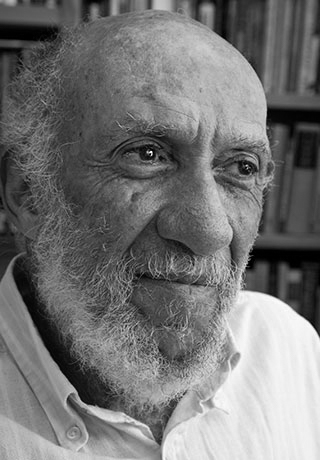
Professor Falk became an adviser to TFF when it was established in 1985.

Share

Leave a Reply

Your email address will not be published. Required fields are marked *

Related Posts

Peace is promoted by constructive proposals and dialogue Four preceding PressInfos have expressed concern over — and criticised — the ongoing, militarisation of the EU. Some will say: but there are no alternatives. We believe that there are always alternatives, that democracies are characterised by alternatives and choice, and that openly discussed alternatives will improve the quality and legitimacy of society’s decision–making. In addition, it is an intellectual and moral challenge to not only criticise but also be constructive. If we only tell people that we think they are wrong, they are not likely to listen. However, if we say: what are your views on this set of ideas and steps? — we may sometimes engage them in dialogue and sow a seed. Most people in power circles live their daily lives in in a time frame and a social space where certain ideas, viewpoints and concepts are just not...
Photos © TFF 2000 Read PressInfo 90 “Lift the Sanctions and Bring More Aid to Yugoslavia” See Pictures from Belgrade © TFF 2000 Please reprint, copy, archive, quote or re-post this item, but please retain the source.
Av FRANK SØHOLM GREVIL 16 augusti 2004  Vi er nu nået til tredje akt i det absurde teaterstykke, der i analogi med de store skueprocesser i Moskva 1936-38 er blevet døbt ‘Grevil-sagen’. Første akt bestod i min anonyme fremlæggelse af egenhændigt nedklassificerede rapporter i Berlingske Tidende i februar og marts. Andet akt udgjordes af min fremtræden med navn og billede i Information i april samt den efterfølgende mediestorm, som uden min direkte medvirken kostede en forsvarsminister taburetten samt en sigtelse for brud på tavshedspligten. Tredje akt bliver en retssag, hvor jeg står tiltalt for at have overtrådt straffelovens bestemmelser om uberettiget videregivelse eller udnyttelse af fortrolige oplysninger. Statsanklageren har ovenikøbet valgt at påberåbe sig særligt skærpende omstændigheder. Da jeg aldrig har modtaget betaling for at stille rapporterne til rådighed eller lade mig interviewe, må det skærpende bestå i, at “videregivelsen eller udnyttelsen er sket under sådanne omstændigheder, at det påfører...

Recent Articles

PressInfo # 141, December 21, 2001It’s time to prepare reconciliation between Albanians and Serbs PressInfo # 140, December 14, 2001Ibrahim Rugova’s decade-long leadership in Kosovo/a PressInfo # 139, 11. december, 2001En god nyhet: Jugoslaviens Sannings- och försoningskommission PressInfo # 139, 11. december, 2001Gode nyheder: Jugoslaviens Sandheds- og Forsoningskommission PressInfo # 139, December 11, 2001Good news: Yugoslavia’s Truth and Reconciliation Commission PressInfo # 138, November 8, 2001TFF co-founder PhD with thesis about young people with roots in other cultures PressInfo # 138, November 8, 2001TFF:s medstiftare doktor på avhandling om unga med ursprung i andra kulturer PressInfo # 137, October 17, 2001A new Marshall Plan: Advancing human security and controlling terrorism PressInfo # 136, October 15, 2001The UN and Annan really deserve it PressInfo # 135, October 10, 2001Preventing a terrorist mushroom cloud PressInfo # 134, 17 oktober, 2001Sverige og 11. september PressInfo # 134, October 9, 2001Sweden and September 11...
Peace is promoted by constructive proposals and dialogue Four preceding PressInfos have expressed concern over — and criticised — the ongoing, militarisation of the EU. Some will say: but there are no alternatives. We believe that there are always alternatives, that democracies are characterised by alternatives and choice, and that openly discussed alternatives will improve the quality and legitimacy of society’s decision–making. In addition, it is an intellectual and moral challenge to not only criticise but also be constructive. If we only tell people that we think they are wrong, they are not likely to listen. However, if we say: what are your views on this set of ideas and steps? — we may sometimes engage them in dialogue and sow a seed. Most people in power circles live their daily lives in in a time frame and a social space where certain ideas, viewpoints and concepts are just not...
Photos © TFF 2000 Read PressInfo 90 “Lift the Sanctions and Bring More Aid to Yugoslavia” See Pictures from Belgrade © TFF 2000 Please reprint, copy, archive, quote or re-post this item, but please retain the source.

TFF on Substack

Discover more from TFF Transnational Foundation & Jan Oberg.

Most Popular

PressInfo # 141, December 21, 2001It’s time to prepare reconciliation between Albanians and Serbs PressInfo # 140, December 14, 2001Ibrahim Rugova’s decade-long leadership in Kosovo/a PressInfo # 139, 11. december, 2001En god nyhet: Jugoslaviens Sannings- och försoningskommission PressInfo # 139, 11. december, 2001Gode nyheder: Jugoslaviens Sandheds- og Forsoningskommission PressInfo # 139, December 11, 2001Good news: Yugoslavia’s Truth and Reconciliation Commission PressInfo # 138, November 8, 2001TFF co-founder PhD with thesis about young people with roots in other cultures PressInfo # 138, November 8, 2001TFF:s medstiftare doktor på avhandling om unga med ursprung i andra kulturer PressInfo # 137, October 17, 2001A new Marshall Plan: Advancing human security and controlling terrorism PressInfo # 136, October 15, 2001The UN and Annan really deserve it PressInfo # 135, October 10, 2001Preventing a terrorist mushroom cloud PressInfo # 134, 17 oktober, 2001Sverige og 11. september PressInfo # 134, October 9, 2001Sweden and September 11...
Peace is promoted by constructive proposals and dialogue Four preceding PressInfos have expressed concern over — and criticised — the ongoing, militarisation of the EU. Some will say: but there are no alternatives. We believe that there are always alternatives, that democracies are characterised by alternatives and choice, and that openly discussed alternatives will improve the quality and legitimacy of society’s decision–making. In addition, it is an intellectual and moral challenge to not only criticise but also be constructive. If we only tell people that we think they are wrong, they are not likely to listen. However, if we say: what are your views on this set of ideas and steps? — we may sometimes engage them in dialogue and sow a seed. Most people in power circles live their daily lives in in a time frame and a social space where certain ideas, viewpoints and concepts are just not...
Photos © TFF 2000 Read PressInfo 90 “Lift the Sanctions and Bring More Aid to Yugoslavia” See Pictures from Belgrade © TFF 2000 Please reprint, copy, archive, quote or re-post this item, but please retain the source.
Read More
Imagen-thumbnail-The-Transnational-1
PressInfo # 141, December 21, 2001It’s time to prepare reconciliation between Albanians and Serbs PressInfo # 140, December 14, 2001Ibrahim Rugova’s decade-long leadership in Kosovo/a PressInfo # 139, 11. december, 2001En god nyhet: Jugoslaviens Sannings- och försoningskommission PressInfo # 139, 11. december, 2001Gode nyheder: Jugoslaviens Sandheds- og Forsoningskommission PressInfo # 139, December 11, 2001Good news: Yugoslavia’s Truth and Reconciliation Commission PressInfo # 138, November 8, 2001TFF co-founder PhD with thesis about young people with roots in other cultures PressInfo # 138, November 8, 2001TFF:s medstiftare doktor på avhandling om unga med ursprung i andra kulturer PressInfo # 137, October 17, 2001A new Marshall Plan: Advancing human security and controlling terrorism PressInfo # 136, October 15, 2001The UN and Annan really deserve it PressInfo # 135, October 10, 2001Preventing a terrorist mushroom cloud PressInfo # 134, 17 oktober, 2001Sverige og 11. september PressInfo # 134, October 9, 2001Sweden and September 11...
Imagen-thumbnail-The-Transnational-1
Peace is promoted by constructive proposals and dialogue Four preceding PressInfos have expressed concern over — and criticised — the ongoing, militarisation of the EU. Some will say: but there are no alternatives. We believe that there are always alternatives, that democracies are characterised by alternatives and choice, and that openly discussed alternatives will improve the quality and legitimacy of society’s decision–making. In addition, it is an intellectual and moral challenge to not only criticise but also be constructive. If we only tell people that we think they are wrong, they are not likely to listen. However, if we say: what are your views on this set of ideas and steps? — we may sometimes engage them in dialogue and sow a seed. Most people in power circles live their daily lives in in a time frame and a social space where certain ideas, viewpoints and concepts are just not...
Imagen-thumbnail-The-Transnational-1
Photos © TFF 2000 Read PressInfo 90 “Lift the Sanctions and Bring More Aid to Yugoslavia” See Pictures from Belgrade © TFF 2000 Please reprint, copy, archive, quote or re-post this item, but please retain the source.
Imagen-thumbnail-The-Transnational-1
Av FRANK SØHOLM GREVIL 16 augusti 2004  Vi er nu nået til tredje akt i det absurde teaterstykke, der i analogi med de store skueprocesser i Moskva 1936-38 er blevet døbt ‘Grevil-sagen’. Første akt bestod i min anonyme fremlæggelse af egenhændigt nedklassificerede rapporter i Berlingske Tidende i februar og marts. Andet akt udgjordes af min fremtræden med navn og billede i Information i april samt den efterfølgende mediestorm, som uden min direkte medvirken kostede en forsvarsminister taburetten samt en sigtelse for brud på tavshedspligten. Tredje akt bliver en retssag, hvor jeg står tiltalt for at have overtrådt straffelovens bestemmelser om uberettiget videregivelse eller udnyttelse af fortrolige oplysninger. Statsanklageren har ovenikøbet valgt at påberåbe sig særligt skærpende omstændigheder. Da jeg aldrig har modtaget betaling for at stille rapporterne til rådighed eller lade mig interviewe, må det skærpende bestå i, at “videregivelsen eller udnyttelsen er sket under sådanne omstændigheder, at det påfører...
Imagen-thumbnail-The-Transnational-1
Af Svenska Irakkommittén mot de Ekonomiska Sanktionerna (SIES) 13 september 2002 FN:s ekonomiska sanktioner mot Irak har nu pågått i tolv år och drabbat det irakiska folket med svåra lidanden. Enligt FN:s egna siffror har mer än 1,5 miljoner människor, varav ca 600 000 barn, dött som en direkt följd av sanktionerna. Dessutom har ett lågintensivt bombkrig mot landet pågått under dessa år. Av all denna förödelse- orsakad huvudsakligen av amerikansk och brittisk politik- har Saddam Husseins brutala och diktatoriska regim snarast stärkts än försvagats. Nu förbereder USA under president Bushs ledning ett storskaligt bombkrig mot Irak som kommer att innebära ett ännu större lidande för civilbefolkningen. Ett sådant krig kommer dessutom att ytterligare undergräva freden och säkerheten i världen. Att upprätta en demokratisk regim i Irak är det irakiska folkets angelägenhet och får enligt folkrätten inte ske med krigshandlingar utifrån. Folkrätten och FN:s stadgar måste respekteras. Vi vädjar till...
