
Egypt - it could have been different

While international envoys failed to broker an end to the political deadlock between Egypt’s Armed Forces and the Muslim Brotherhood, there was still room for diplomatic solutions to the turmoil, as Vice President El Baradei was quoted as saying before he resigned from his post yesterday following the brutal clean-up operation of two of the Bortherhood’s biggest sit-in protests.

Why did mediation fail?

Anyone who has done the rounds of Tahrir and has subscribed to various social networks in Egypt would know- it is not rocket science- Egyptians are against Obama and everything the US stands for. They see the US as a cause of much of this divide in Egyptian society and anti-US rhetoric is omnipresent. Funny thing is that the US would send Republican senators who are so opposed to internationals even within their own country. Some may argue that it was a wise step, as Congress would not accept the analysis of democrat senators. Yet, I knew it wouldn’t work even before it actually failed. The same could be said in varying capacities about the envoys from EU, UAE, and Qatar. They all had stakes or supported one side over the other.

Even a day following the deadliest crack down since the revolution that ousted Hosni Mubarak in 2011, many countries have only gone as far as condemning the killings. No one, including the US that is ordinarily quick in issuing sanctions and withdrawing aid (as it has done in Iran and other countries) has done much more. No one is offering any other solutions. It makes me a bit jealous that the US would employ the path of sanctions and isolation with Iran despite its peaceful nuclear program, but would be cautious in doing so with its key ally in the region despite the violence, doubt and instability engulfing Egypt. But this is a discussion for another day.

Anyone see the missing link? There was a lack of neutrality, a lack of cultural diplomacy, and an absence of engaging the youth on both sides.

The Missed Opportunity

The Indian Embassy in Cairo hosted a flag hoisting on the occasion of India’s 67th Independence Day and a minute of silence was observed for the victims from Raba, and Nahda- two venues of the Pro-Morsi sit-ins. But what I failed to understand is why India had stayed out of this equation despite being so favored by the public at large. India has so much to offer the world with its culture. Yet, it chooses to remain silent. And this is not the first time it has chosen this route. Have Sisi, Egypt’s Interim leaders and India ever heard or employed cultural diplomacy? While it wouldn’t work in every stalemate, it should have been endorsed and embraced in this case because fortunately for India and Egypt, Egyptians revere India’s culture. The Maulana Azad Center for Indian Culture in Cairo, should be the venue for such a cultural dialogue. India has an inspiring story of freedom to share and perhaps this could be just one of the many ways in which to enlighten both sides on a peaceful solution. Perhaps if Mohamed Selim al-Awa’s plan of temporarily reinstating Morsi and handing powers to an interim cabinet had been backed by cultural diplomacy headed by India, the army may have accepted it. Regrettably, India chose to sit back and watch, as it usually does. The minute of silence for the victims sadly was just an extension of the silence on behalf of the Indian government.

Egypt’s youth was ignored

Egypt’s biggest strength, its youth, have been left out of the equation. What I fail to understand is why they have been ignored despite having a bigger stake in their country’s stability? There are youth on either side of the fence, and engaging them in dialogue should have been proposed and initiated.

India is celebrating 67 years of freedom from British oppression, only because its entire population felt that it was time for to bid farewell to the colonists. They adopted mostly non-violent means to achieve their single united goal and while it did have undesirable effects of separation of India into 3 states, it also succeeded in overthrowing the British Raj. Egypt on the other hand, has major challenges and what Egyptians need to realize is that there will be no sustainable independence and democracy without reconciliation because the numbers on either sides are too large to be ignored. The older generation has little to loose, the youth however, have much to gain from a peaceful united Egypt. They should be engaged.

However, now, following the deadly crackdown, hope for such an engagement seems bleak. There are far too many scars for those who lost loved ones and now the polarity may never bond. There is fear that the violence will only escalate and inconvenience of a curfew and emergency law will become a sad truth to live by for a long time to come, unless other measures are proposed and adopted, hopefully by Egyptians themselves or by India and other neutral states.
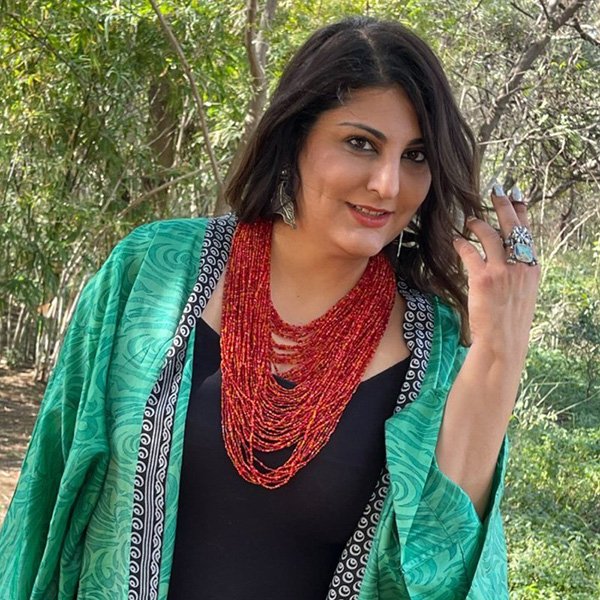

Duke University Durham, North Carolina Sanford School of Public Policy May 2013. Master of International Development Policy. Rotary World Peace Fellow Johns Hopkins University Bologna, Italy School of Advanced International Studies (SAIS) September 2010-February 2011 Middle Eastern Studies & International Economics. Selected Course Work: Political Islam and Change in the Mediterranean Area; Introduction to Development; Theory and Practice of International Peacekeeping; Microeconomics; Arabic Class of 1983 Lead Fellowship Recipient The University of West Georgia (Honors College) Carrollton GA, USA Bachelor of Arts, Mass Communication and Global Studies August 2009. Concentrations: Journalism and International Relations Selected Course Work: International Organizations; Media Law (Honors); International Relations; Politics of the Developing World; Politics of Oil and Global Warming; The Modern State System; Principles of Microeconomics Northumbria University, Newcastle, England (2007) West Georgia and Georgia Press Educational Foundation Scholarship Recipient GPA 3.74; Dean’s List; Graduated Cum Laude; Editor and Producer, Global Pathways to Peace

Share

Leave a Reply

Your email address will not be published. Required fields are marked *

Related Posts

Peace is promoted by constructive proposals and dialogue Four preceding PressInfos have expressed concern over — and criticised — the ongoing, militarisation of the EU. Some will say: but there are no alternatives. We believe that there are always alternatives, that democracies are characterised by alternatives and choice, and that openly discussed alternatives will improve the quality and legitimacy of society’s decision–making. In addition, it is an intellectual and moral challenge to not only criticise but also be constructive. If we only tell people that we think they are wrong, they are not likely to listen. However, if we say: what are your views on this set of ideas and steps? — we may sometimes engage them in dialogue and sow a seed. Most people in power circles live their daily lives in in a time frame and a social space where certain ideas, viewpoints and concepts are just not...
Photos © TFF 2000 Read PressInfo 90 “Lift the Sanctions and Bring More Aid to Yugoslavia” See Pictures from Belgrade © TFF 2000 Please reprint, copy, archive, quote or re-post this item, but please retain the source.
Av FRANK SØHOLM GREVIL 16 augusti 2004  Vi er nu nået til tredje akt i det absurde teaterstykke, der i analogi med de store skueprocesser i Moskva 1936-38 er blevet døbt ‘Grevil-sagen’. Første akt bestod i min anonyme fremlæggelse af egenhændigt nedklassificerede rapporter i Berlingske Tidende i februar og marts. Andet akt udgjordes af min fremtræden med navn og billede i Information i april samt den efterfølgende mediestorm, som uden min direkte medvirken kostede en forsvarsminister taburetten samt en sigtelse for brud på tavshedspligten. Tredje akt bliver en retssag, hvor jeg står tiltalt for at have overtrådt straffelovens bestemmelser om uberettiget videregivelse eller udnyttelse af fortrolige oplysninger. Statsanklageren har ovenikøbet valgt at påberåbe sig særligt skærpende omstændigheder. Da jeg aldrig har modtaget betaling for at stille rapporterne til rådighed eller lade mig interviewe, må det skærpende bestå i, at “videregivelsen eller udnyttelsen er sket under sådanne omstændigheder, at det påfører...

Recent Articles

PressInfo # 141, December 21, 2001It’s time to prepare reconciliation between Albanians and Serbs PressInfo # 140, December 14, 2001Ibrahim Rugova’s decade-long leadership in Kosovo/a PressInfo # 139, 11. december, 2001En god nyhet: Jugoslaviens Sannings- och försoningskommission PressInfo # 139, 11. december, 2001Gode nyheder: Jugoslaviens Sandheds- og Forsoningskommission PressInfo # 139, December 11, 2001Good news: Yugoslavia’s Truth and Reconciliation Commission PressInfo # 138, November 8, 2001TFF co-founder PhD with thesis about young people with roots in other cultures PressInfo # 138, November 8, 2001TFF:s medstiftare doktor på avhandling om unga med ursprung i andra kulturer PressInfo # 137, October 17, 2001A new Marshall Plan: Advancing human security and controlling terrorism PressInfo # 136, October 15, 2001The UN and Annan really deserve it PressInfo # 135, October 10, 2001Preventing a terrorist mushroom cloud PressInfo # 134, 17 oktober, 2001Sverige og 11. september PressInfo # 134, October 9, 2001Sweden and September 11...
Peace is promoted by constructive proposals and dialogue Four preceding PressInfos have expressed concern over — and criticised — the ongoing, militarisation of the EU. Some will say: but there are no alternatives. We believe that there are always alternatives, that democracies are characterised by alternatives and choice, and that openly discussed alternatives will improve the quality and legitimacy of society’s decision–making. In addition, it is an intellectual and moral challenge to not only criticise but also be constructive. If we only tell people that we think they are wrong, they are not likely to listen. However, if we say: what are your views on this set of ideas and steps? — we may sometimes engage them in dialogue and sow a seed. Most people in power circles live their daily lives in in a time frame and a social space where certain ideas, viewpoints and concepts are just not...
Photos © TFF 2000 Read PressInfo 90 “Lift the Sanctions and Bring More Aid to Yugoslavia” See Pictures from Belgrade © TFF 2000 Please reprint, copy, archive, quote or re-post this item, but please retain the source.

TFF on Substack

Discover more from TFF Transnational Foundation & Jan Oberg.

Most Popular

PressInfo # 141, December 21, 2001It’s time to prepare reconciliation between Albanians and Serbs PressInfo # 140, December 14, 2001Ibrahim Rugova’s decade-long leadership in Kosovo/a PressInfo # 139, 11. december, 2001En god nyhet: Jugoslaviens Sannings- och försoningskommission PressInfo # 139, 11. december, 2001Gode nyheder: Jugoslaviens Sandheds- og Forsoningskommission PressInfo # 139, December 11, 2001Good news: Yugoslavia’s Truth and Reconciliation Commission PressInfo # 138, November 8, 2001TFF co-founder PhD with thesis about young people with roots in other cultures PressInfo # 138, November 8, 2001TFF:s medstiftare doktor på avhandling om unga med ursprung i andra kulturer PressInfo # 137, October 17, 2001A new Marshall Plan: Advancing human security and controlling terrorism PressInfo # 136, October 15, 2001The UN and Annan really deserve it PressInfo # 135, October 10, 2001Preventing a terrorist mushroom cloud PressInfo # 134, 17 oktober, 2001Sverige og 11. september PressInfo # 134, October 9, 2001Sweden and September 11...
Peace is promoted by constructive proposals and dialogue Four preceding PressInfos have expressed concern over — and criticised — the ongoing, militarisation of the EU. Some will say: but there are no alternatives. We believe that there are always alternatives, that democracies are characterised by alternatives and choice, and that openly discussed alternatives will improve the quality and legitimacy of society’s decision–making. In addition, it is an intellectual and moral challenge to not only criticise but also be constructive. If we only tell people that we think they are wrong, they are not likely to listen. However, if we say: what are your views on this set of ideas and steps? — we may sometimes engage them in dialogue and sow a seed. Most people in power circles live their daily lives in in a time frame and a social space where certain ideas, viewpoints and concepts are just not...
Photos © TFF 2000 Read PressInfo 90 “Lift the Sanctions and Bring More Aid to Yugoslavia” See Pictures from Belgrade © TFF 2000 Please reprint, copy, archive, quote or re-post this item, but please retain the source.
Read More
Imagen-thumbnail-The-Transnational-1
PressInfo # 141, December 21, 2001It’s time to prepare reconciliation between Albanians and Serbs PressInfo # 140, December 14, 2001Ibrahim Rugova’s decade-long leadership in Kosovo/a PressInfo # 139, 11. december, 2001En god nyhet: Jugoslaviens Sannings- och försoningskommission PressInfo # 139, 11. december, 2001Gode nyheder: Jugoslaviens Sandheds- og Forsoningskommission PressInfo # 139, December 11, 2001Good news: Yugoslavia’s Truth and Reconciliation Commission PressInfo # 138, November 8, 2001TFF co-founder PhD with thesis about young people with roots in other cultures PressInfo # 138, November 8, 2001TFF:s medstiftare doktor på avhandling om unga med ursprung i andra kulturer PressInfo # 137, October 17, 2001A new Marshall Plan: Advancing human security and controlling terrorism PressInfo # 136, October 15, 2001The UN and Annan really deserve it PressInfo # 135, October 10, 2001Preventing a terrorist mushroom cloud PressInfo # 134, 17 oktober, 2001Sverige og 11. september PressInfo # 134, October 9, 2001Sweden and September 11...
Imagen-thumbnail-The-Transnational-1
Peace is promoted by constructive proposals and dialogue Four preceding PressInfos have expressed concern over — and criticised — the ongoing, militarisation of the EU. Some will say: but there are no alternatives. We believe that there are always alternatives, that democracies are characterised by alternatives and choice, and that openly discussed alternatives will improve the quality and legitimacy of society’s decision–making. In addition, it is an intellectual and moral challenge to not only criticise but also be constructive. If we only tell people that we think they are wrong, they are not likely to listen. However, if we say: what are your views on this set of ideas and steps? — we may sometimes engage them in dialogue and sow a seed. Most people in power circles live their daily lives in in a time frame and a social space where certain ideas, viewpoints and concepts are just not...
Imagen-thumbnail-The-Transnational-1
Photos © TFF 2000 Read PressInfo 90 “Lift the Sanctions and Bring More Aid to Yugoslavia” See Pictures from Belgrade © TFF 2000 Please reprint, copy, archive, quote or re-post this item, but please retain the source.
Imagen-thumbnail-The-Transnational-1
Av FRANK SØHOLM GREVIL 16 augusti 2004  Vi er nu nået til tredje akt i det absurde teaterstykke, der i analogi med de store skueprocesser i Moskva 1936-38 er blevet døbt ‘Grevil-sagen’. Første akt bestod i min anonyme fremlæggelse af egenhændigt nedklassificerede rapporter i Berlingske Tidende i februar og marts. Andet akt udgjordes af min fremtræden med navn og billede i Information i april samt den efterfølgende mediestorm, som uden min direkte medvirken kostede en forsvarsminister taburetten samt en sigtelse for brud på tavshedspligten. Tredje akt bliver en retssag, hvor jeg står tiltalt for at have overtrådt straffelovens bestemmelser om uberettiget videregivelse eller udnyttelse af fortrolige oplysninger. Statsanklageren har ovenikøbet valgt at påberåbe sig særligt skærpende omstændigheder. Da jeg aldrig har modtaget betaling for at stille rapporterne til rådighed eller lade mig interviewe, må det skærpende bestå i, at “videregivelsen eller udnyttelsen er sket under sådanne omstændigheder, at det påfører...
Imagen-thumbnail-The-Transnational-1
Af Svenska Irakkommittén mot de Ekonomiska Sanktionerna (SIES) 13 september 2002 FN:s ekonomiska sanktioner mot Irak har nu pågått i tolv år och drabbat det irakiska folket med svåra lidanden. Enligt FN:s egna siffror har mer än 1,5 miljoner människor, varav ca 600 000 barn, dött som en direkt följd av sanktionerna. Dessutom har ett lågintensivt bombkrig mot landet pågått under dessa år. Av all denna förödelse- orsakad huvudsakligen av amerikansk och brittisk politik- har Saddam Husseins brutala och diktatoriska regim snarast stärkts än försvagats. Nu förbereder USA under president Bushs ledning ett storskaligt bombkrig mot Irak som kommer att innebära ett ännu större lidande för civilbefolkningen. Ett sådant krig kommer dessutom att ytterligare undergräva freden och säkerheten i världen. Att upprätta en demokratisk regim i Irak är det irakiska folkets angelägenhet och får enligt folkrätten inte ske med krigshandlingar utifrån. Folkrätten och FN:s stadgar måste respekteras. Vi vädjar till...

