Peace philosophy

Showing 1-10 of 79 stories

Sort by
Categories

Year

Author / Contributor

Region

BulbAndBomb-kopia
list=PLgfli1PY64h3bpPsycG1E1PquoujN9wIIu0026ab_channel=NeutralityStudies”,”type”:”video”,”providerNameSlug”:”youtube”,”responsive”:true,”className”:”wp-embed-aspect-16-9 wp-has-aspect-ratio”} –>
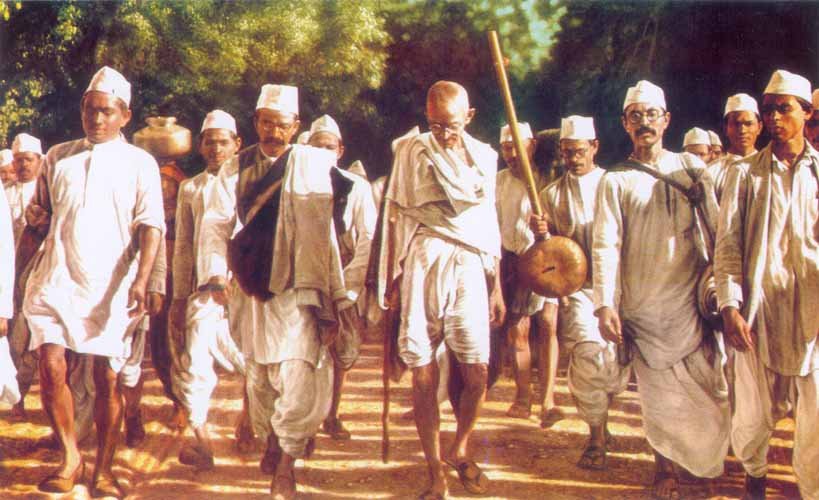
gandhi21
0,”href”:”https://transnational.live/wp-content/uploads/2025/07/Gandhis-Philosophy-of-Nonviolence-1.pdf”,”displayPreview”:true} –> Gandhis-Philosophy-of-NonviolenceDownload
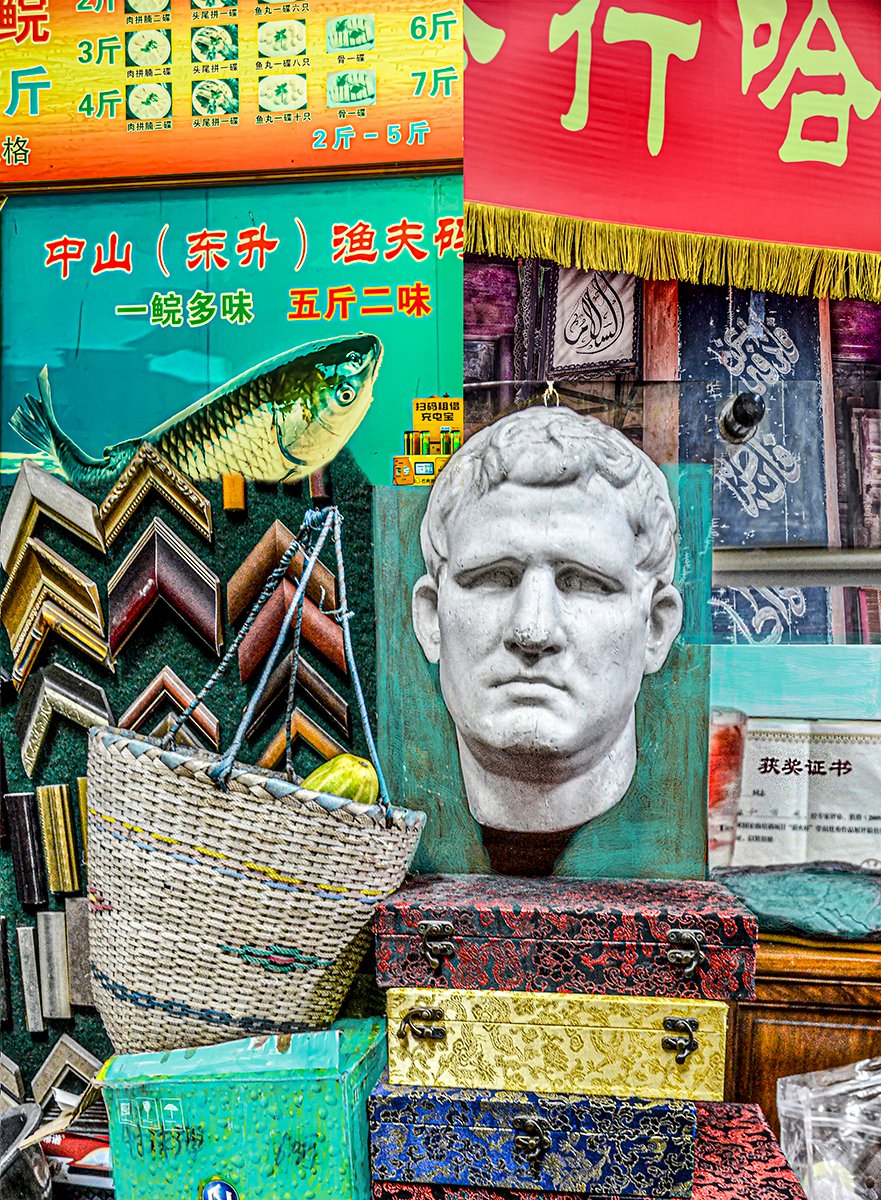
Eclecticism_90cm_300dpi_1200_100dpi
Foreword The Board of The Transnational Foundation in Sweden has decided to publish an easy-to-read, scholarly anthology that addresses one of the most important – and potentially dangerous – issues of our time: Why are the political, economic, and medialised Western images of China so consistently negative – and what can you do to understand China better? These images may be expressions of a political will to present only various shades of grey and black with the aim of building a consciousness about China as an enemy and not a partner. They may also be seen as a sort of world-dominating ethos of ignorance based upon the assumption that “we’ve-got-nothing-to-learn-from-others,’ we are the teacher. Another possibility is that the West, deep down, feels that it is getting relatively weaker from a macro-historical perspective and comforts itself with denial and accusations against “the other” of being the reason for its manifest...
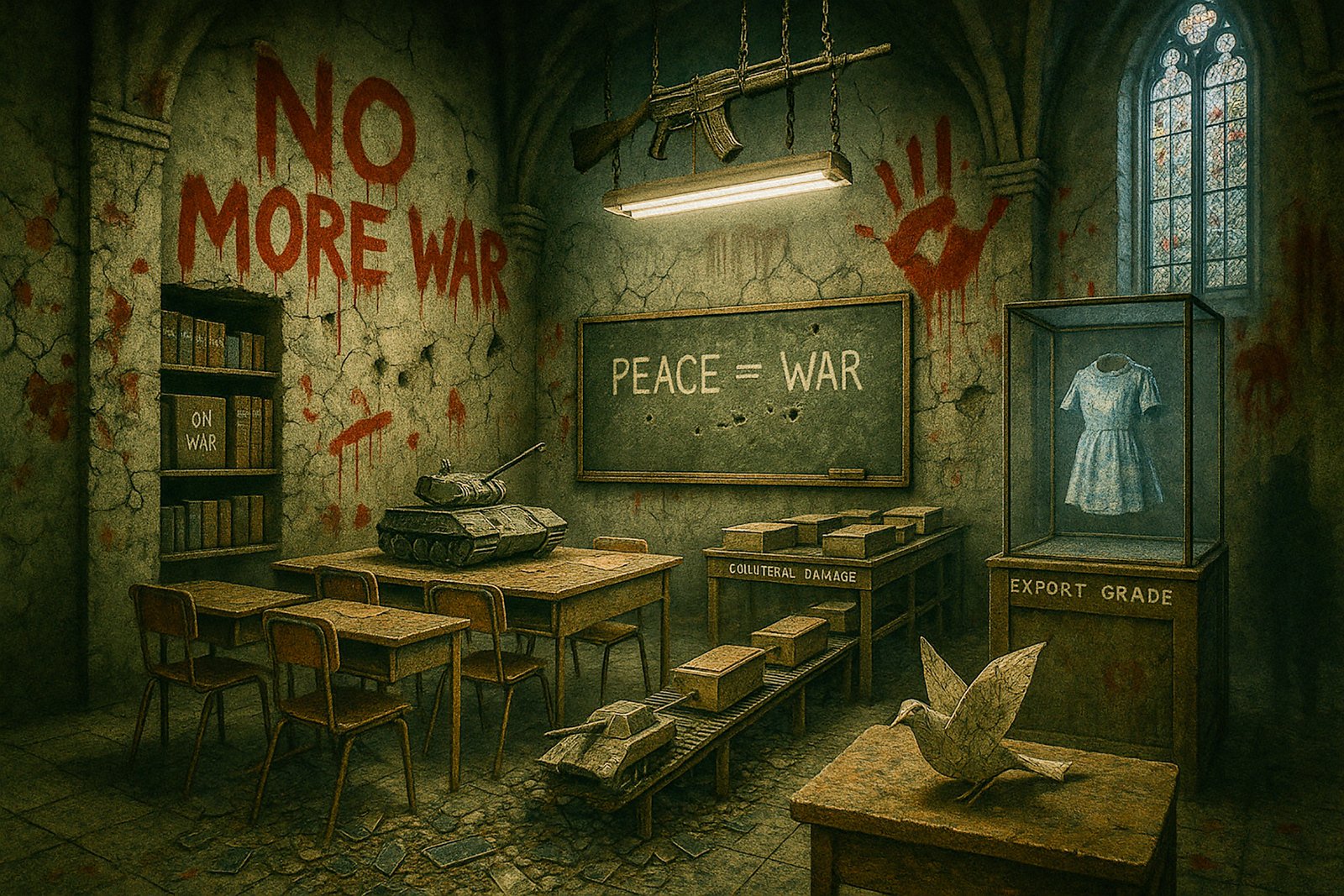
NoMoreWar
War-preparation and militarism are now the main factors that keep the West together, and will make it fall faster. The Western world has lost its consciousness, perception, and instruments of conflict analysis, resolution, peace-making, and reconciliation. They’ve been squeezed out by militarism’s kakistocrats – a political science term that means government by “the worst, least qualified, or most unscrupulous people.” Consequently, there is now a risk of more than 50% that a major war will happen in Europe. I’ve been observing silently for weeks and months now how geopolitical experts – also very qualified ones – and people who comment independently as well as in the mainstream media and many others have worked on the tacit, implicit assumption that President Trump would help create peace in Ukraine; they seem to believe that what we have witnessed has anything to do with knowledge-based, professional peace-making or would have even the slightest...
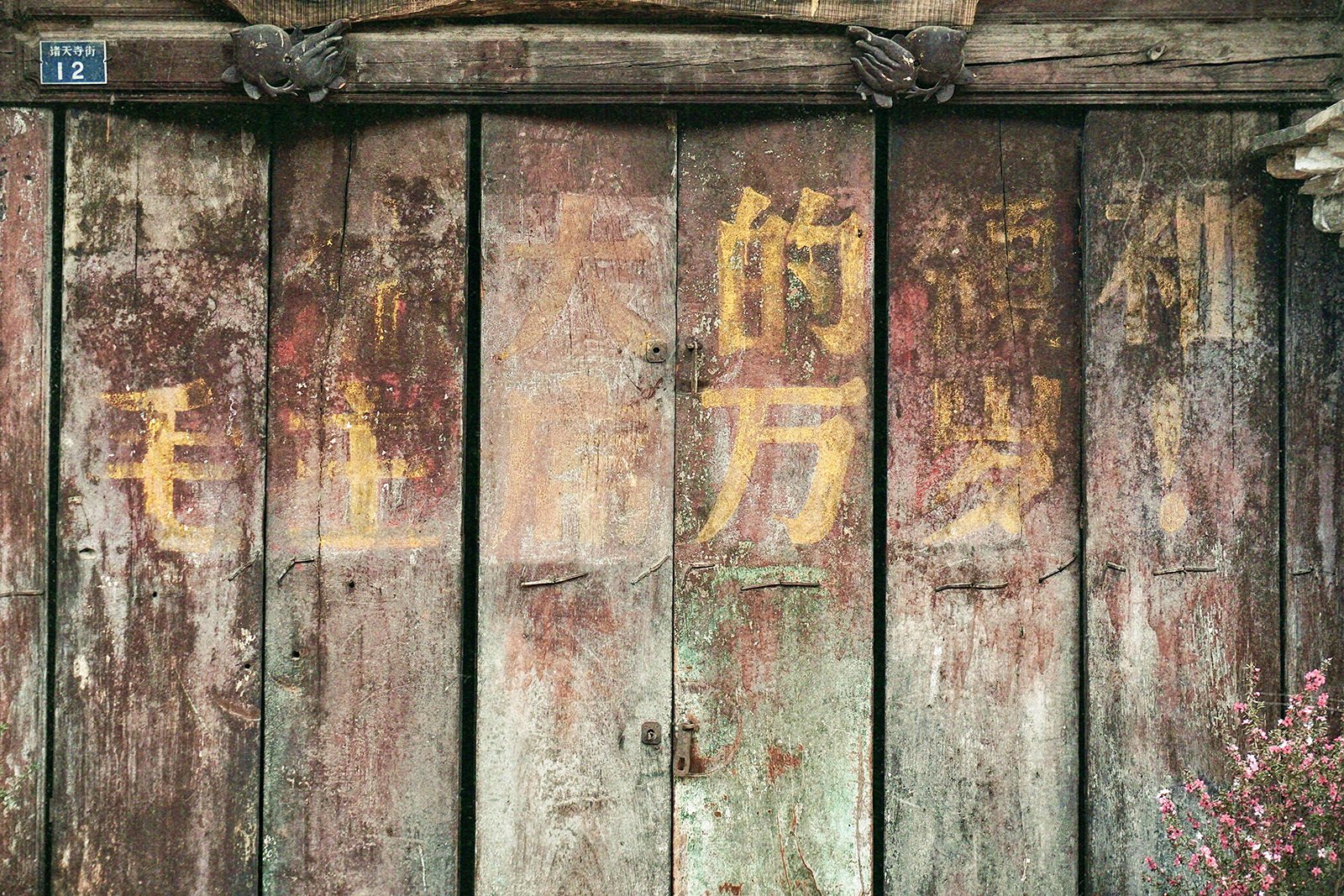
mw960367054-2JDK5jZZ430-unsplash
On the invisible codes of culture that shape our worldviews long before memory or reason. This analysis was initially published on the author’s “China21 Journal” which contains several analyses of related issues, China-Western relations and how to increase knowledge and mutual understanding. Last week, we picked up our 5-year-old son from his public kindergarten in Beijing. On the way home, he proudly recited a Tang Dynasty poem by heart — 春望 (Chūnwàng, or Spring View, 757 AD), one of the most famous and widely recited works from that vibrant dynastic era over a thousand years ago, written by the renowned poet 杜甫 (Dù Fǔ, 712–770). The poem reflects on wartime and exile — hardly light or child-friendly themes. But that’s not the point. Children (and adults) recite ancient poems not just for their content, but for their rhythm, rhyme, tone, and the cultural feeling embedded in them. This is how cultural programming begins: not through rules or explanations,...
66f621c5a310f1268d81e7f5
Sustainable peace is not merely the absence of war but the presence of development, justice and harmony The three authors were published today by China Watch & China Daily’s English edition. It will also be published in Chinese and thereby reach a very large audience. The article also represents the first cooperative effort between Guangdong Institute for International Strategies and TFF. Li Xing who is a Yunshan leading scholar and a distinguished professor at Guangdong Institute for International Strategies, and professor of international relations at Aalborg University, Denmark. Jan Oberg is a former professor and co-founder and director of the independent Transnational Foundation for Peace and Future Research, Sweden. Li Qing is professor and executive president at the Guangdong Institute for International Strategies. The authors contributed this article to China Watch, a think tank powered by China Daily. Now head over to China Daily > >
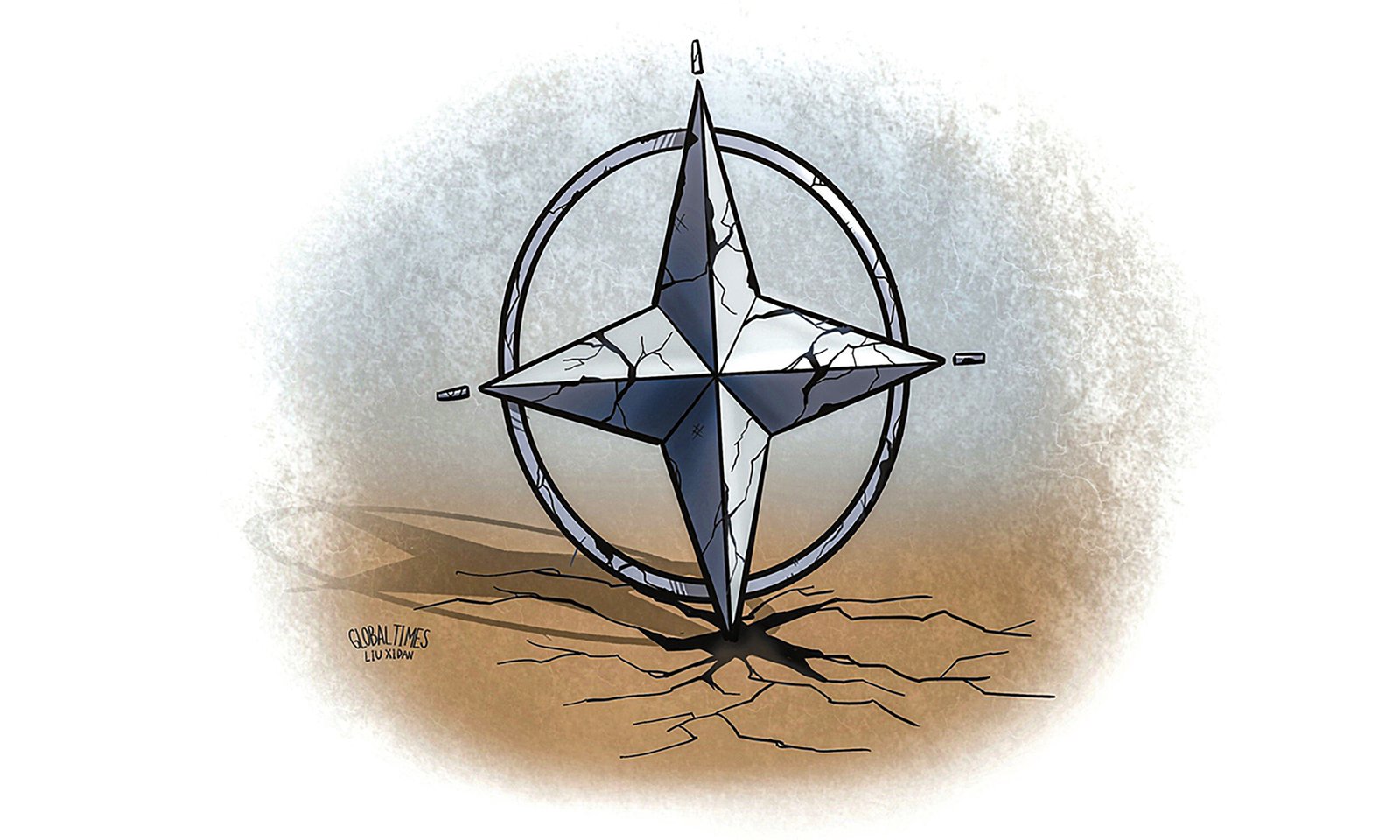
NATOFivePrinc
On July 11, 2024, after the NATO Washington Summit, Global Times in Beijing was so kind as to publish my comparative thoughts on the famous Five Principles on Peaceful Coexistence – just celebrated in Beijing – and five principles I have extracted from NATO’s concepts and policies. Quite a contrast! Here is how it begins: “The West showed virtually no interest in the recent celebration of the 70th anniversary of the Five Principles of Peaceful Coexistence in Beijing. These Five Principles, created by then China’s premier Zhou Enlai and Indian leader Jawaharlal Nehru, are enshrined in the Chinese Constitution and aim to promote peaceful, nonviolent relations among nations. However, this is not the case with NATO, which marks its 75th anniversary on July 9-11. If officially it too had five principles, they would be: 1. offensive deterrence; 2. forward “defence”; 3. nuclear weapons and the right to use them first;...
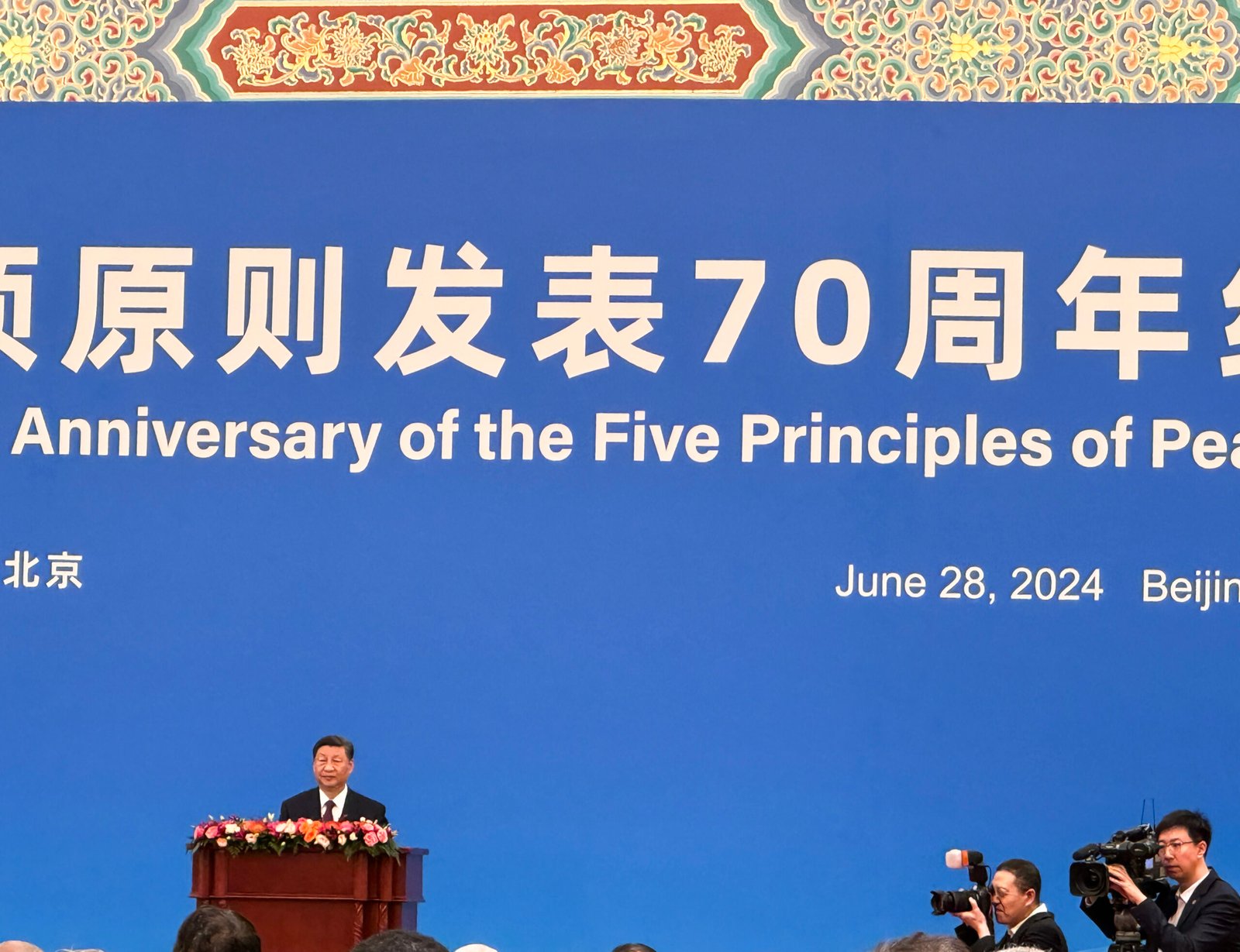
Xi_JO-1
Photo © Jan Oberg 2024 July 5, 2024 Please find below a link to Chinese President Xi Jinping’s remarkable speech on the highly significant event for future world peace. TFF’s Jan Oberg was invited to attend the conference (and took the above photo from a long distance in the Great Hall of the People). When reading it, you’ll immediately notice that it is a comprehensive overview of why and how the world, in all its diversity, can shape a cooperative future for humankind that is also much more peaceful than the present. It illustrates that China’s foreign policy is based on long-term thinking and on unalterable principles. You’ll notice that there are no attacks on anyone; that President Xi talks about a global “us” and not a “we and them”; that there is a consistent philosophy about equality and win-win cooperation and that such cooperation – getting to know each...
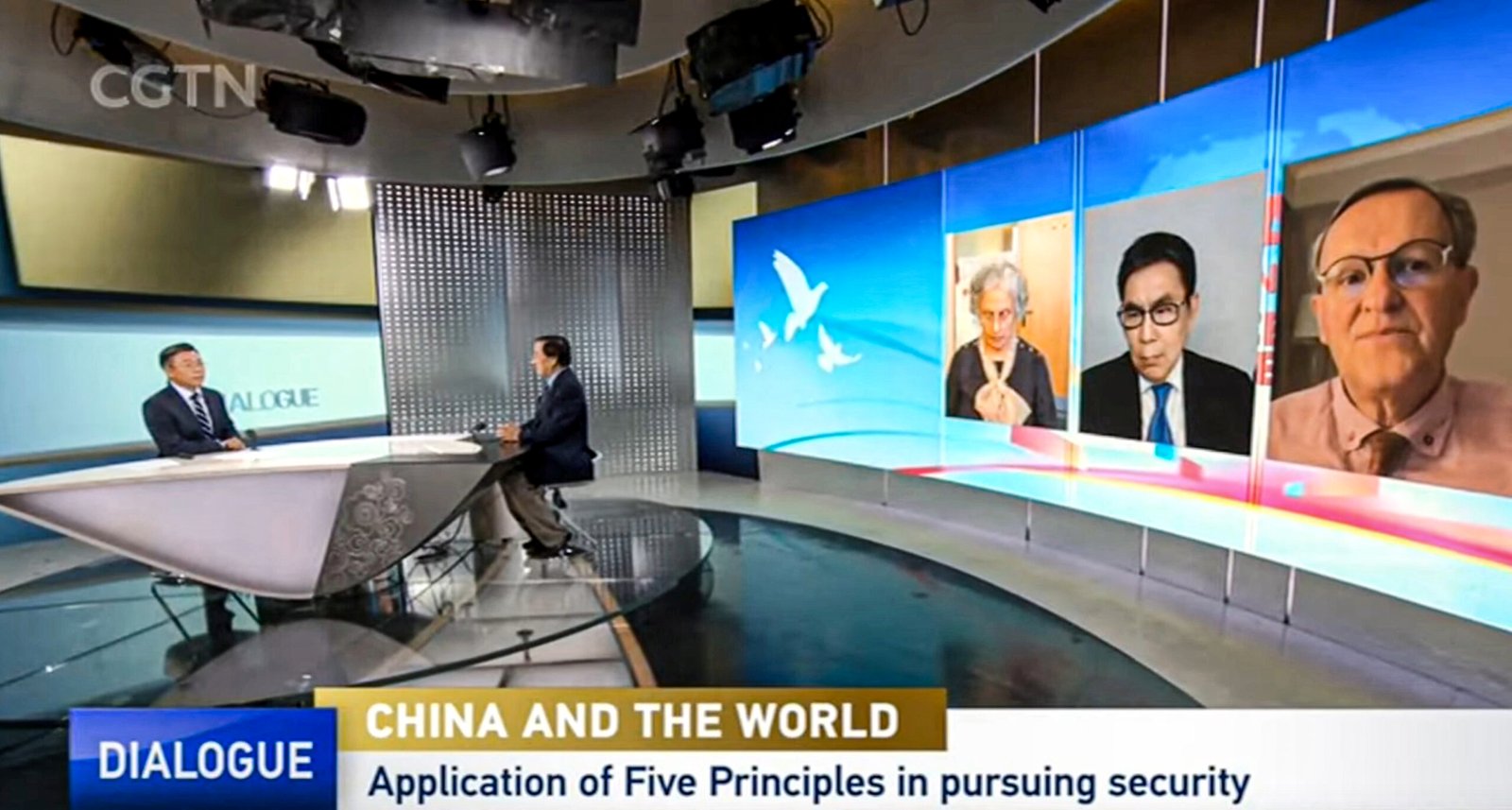
CGTN
– as the principles were celebrated in Beijing. The other participants were Victor Gao Zhikai, Radhika Desai and John Pang. Here is the video, and we would love to hear your comments below. Here is the transcript of President Xi Jinping’s speech about those principles on June 28, 2024. TFF is one small but effective bridgebuilder between the West and China – where the US/NATO/EU seems solely concerned with bashing China. But we can afford neither a cold nor a warm war. We need all to solve humanity’s common problems. Please support our continued efforts here. Thanks.
663d616ba31082fc2b6db43f
Chinese and Western ways of thinking are complementary not mutually exclusive We learn about other cultures mostly through the media and through books, films, travels and personal encounters. All news reports are micro glimpses of a time and place. This challenges us in at least two ways: how do we get a more accurate and holistic perspective of the world, and how can we learn to understand each other across cultural diversity. One way to understand societies is to look for similarities and differences in the ways people think. Or, what is in their general attitude to “others” — are they perceived as a danger, potential friends, “barbaric”, or as someone to be curious about, explore and learn from? Next, do the citizens think in terms of either/or, or both/and? Exclusivity or inclusivity? Continue reading at The China Daily…
blue-yellow-paint-strokes-white-background
Dedication To all the brave people who refuse to participate in war, in Ukraine, Russia and everywhere else. “War is a crime against humanity. I am therefore determined not to support any kind of war, and to strive for the removal of all causes of war”The pacifist declaration of War Resisters’ International. Back cover text “How can you be a pacifist in times like these?” THE SCEPTIC asks, the Russian invasion of Ukraine fresh in mind. Majken Jul Sørensen’s first response is to counter with the opposite question: “How can you not be a pacifist in times like these? With all that we know about the consequences of modern warfare, why are all the alternatives to war not on the table?”  In “Pacifism Today”, Majken illustrates with numerous examples her understanding of pacifism and her commitment to nonviolent action and unarmed resistance to war. In this personal reflection on why...
gandhi-mao
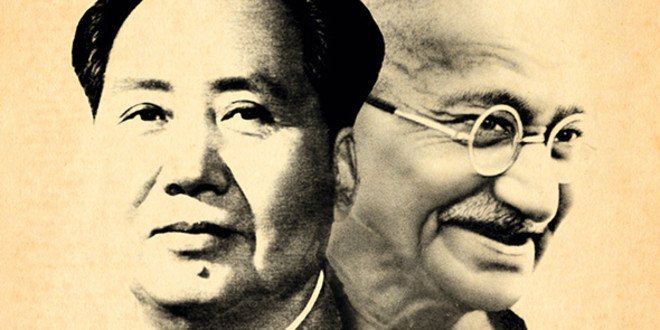
Published here on the birthday of Mao Zedong (26 December 1893 – 9 September 1976) Last October, we had two important anniversary messages. One came through loud and clear in the Western media: the anniversary of the triumph of the Chinese Revolution, guided by Mao, restoring China to its own people, violently, on October 1. The other message was considerably more subdued: the anniversary of the birth of Gandhi, the Father of the Indian nation, restoring India to its own people, nonviolently, on October 2. Of course, the West focused on China, its military parades, its display of glittering affluence after decades of growth, true to its fascination with violence and economic growth.  Of course, India is also a BRIC country–Brazil-Russia-India-China–to be taken seriously because of its high growth and “muscle”. But this obsession with military and economic power makes the West lose the essence of the two anniversaries, the...

Categories

Year

Author / Contributor

Region