Negotiations

Showing 1-10 of 92 stories

Sort by
Categories

Year

Author / Contributor

Region

TempleGirlYellowWall_1000_100dpi
Talk at the Beijing Foreign Studies University, September 2010 Excellencies, ladies and gentlemen It is a great honor to be on a panel with the Director of CPC-CC Foreign Affairs, the Deputy Foreign Affairs Minister, the Editor-in-chief of China Daily, the Dean of the National Office of Chinese Language, the Deputy Commander of the People’s Liberation Army.  I express my gratitude to the Chinese People’s Association for Peace and Disarmament and the American Friends Service Committee for having brought me to this tenth visit to China since 1973, and to Beijing Foreign Studies University for inviting me to this Forum on Public Diplomacy and China’s International Image. I define public diplomacy as diplomacy for the people and by the people. The purpose is neither public relations nor propaganda, but to bring the peoples of the world together by making them understandable to each other.  Like languages have their own logic,...
Fh2KN3IX0AIV-D5
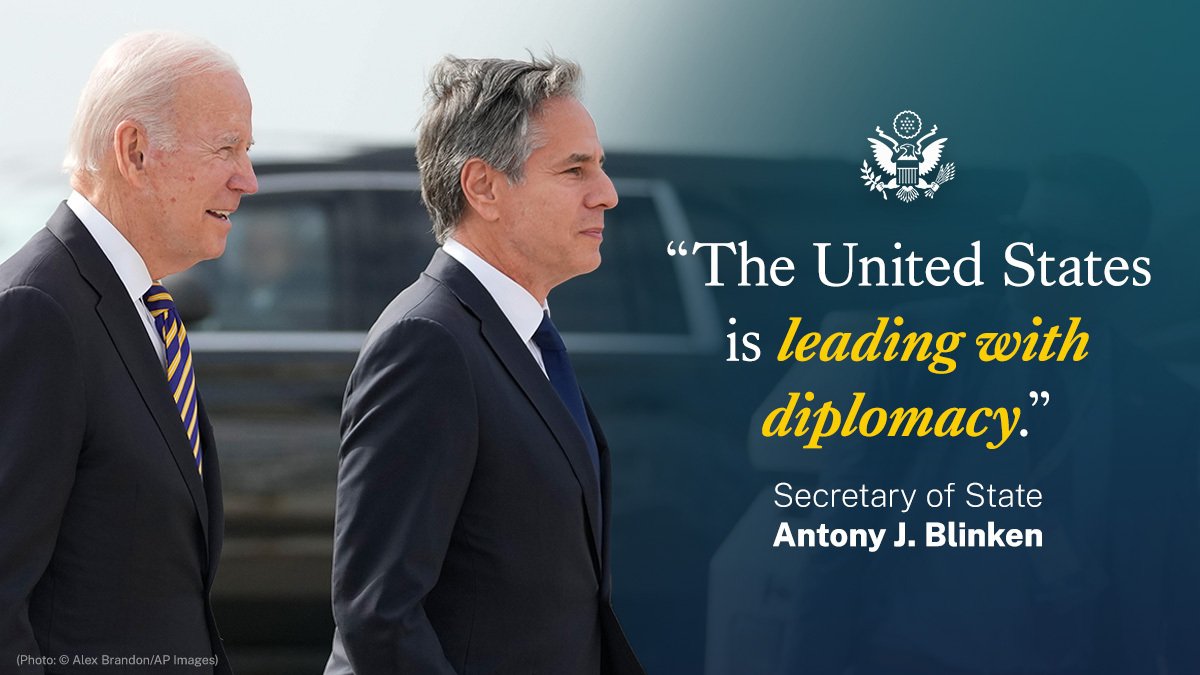
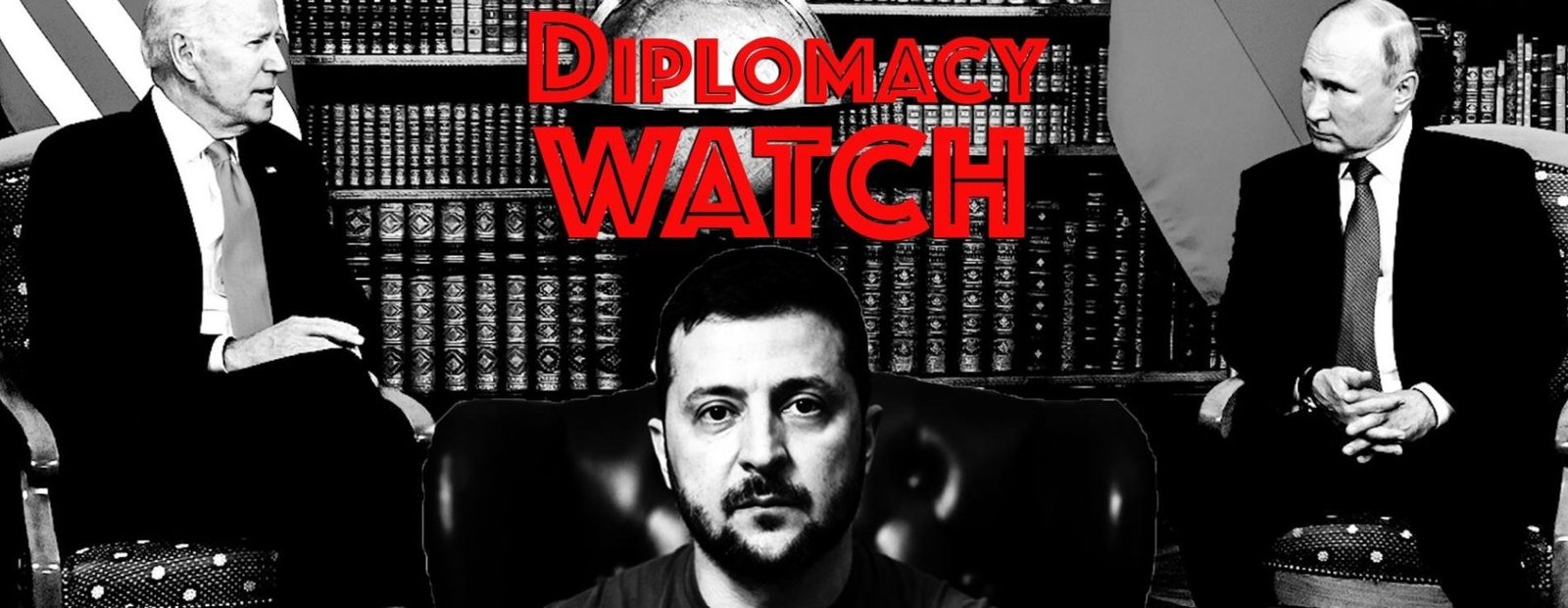
In 2021 the administration said it would pursue ‘relentless diplomacy.’ They call it something else today in Ukraine. Ted Snider October 9, 2024 It is said that Henry Kissinger asserted that little can be won at the negotiating table that isn’t earned on the battlefield. In several wars in recent weeks, U.S. officials have echoed that approach. State Department spokesperson Matthew Miller recently said that the U.S. “supports[s] a ceasefire” in Lebanon while simultaneously recognizing that “military pressure can at times enable diplomacy.” Meanwhile, Secretary of State Antony Blinken has expressed the doctrine as doing “all that we can to strengthen Ukraine’s position on the battlefield so it has the strongest possible position at the negotiating table.” This article was published first by Responsible Statecraft on October 8, 2024 here But during the Biden administration, the iteration of Kissinger’s doctrine has gone well beyond the generals supporting the diplomats. The...
MopsMore4_1000_100dpi
I assume that most readers here know me as a peace and conflict researcher and as co-founder and director of the Transnational Foundation for Peace and Future Research, TFF. However, since 2009, I’ve also worked as an art photographer, done projects, and arranged almost 30 exhibitions in my studio here in Lund, Sweden. See more on Oberg PhotoGraphics. I grew up with contemporary art; it’s always been an essential, joyful interest of mine. And in 2002-2003, I found out that I could reach people not only with texts but also with images. Back then, I went on fact-finding in Iraq and interviewed some 160 people at all levels and also took photos with an early digital low-resolution camera – of people, cafées, nature, streets, children, cultural places, museums and… life in general, nothing special. It was merely snapshots made between meetings in an otherwise quite tight meeting schedule. Upon my...

o-CHINA-AND-AMERICA-facebook
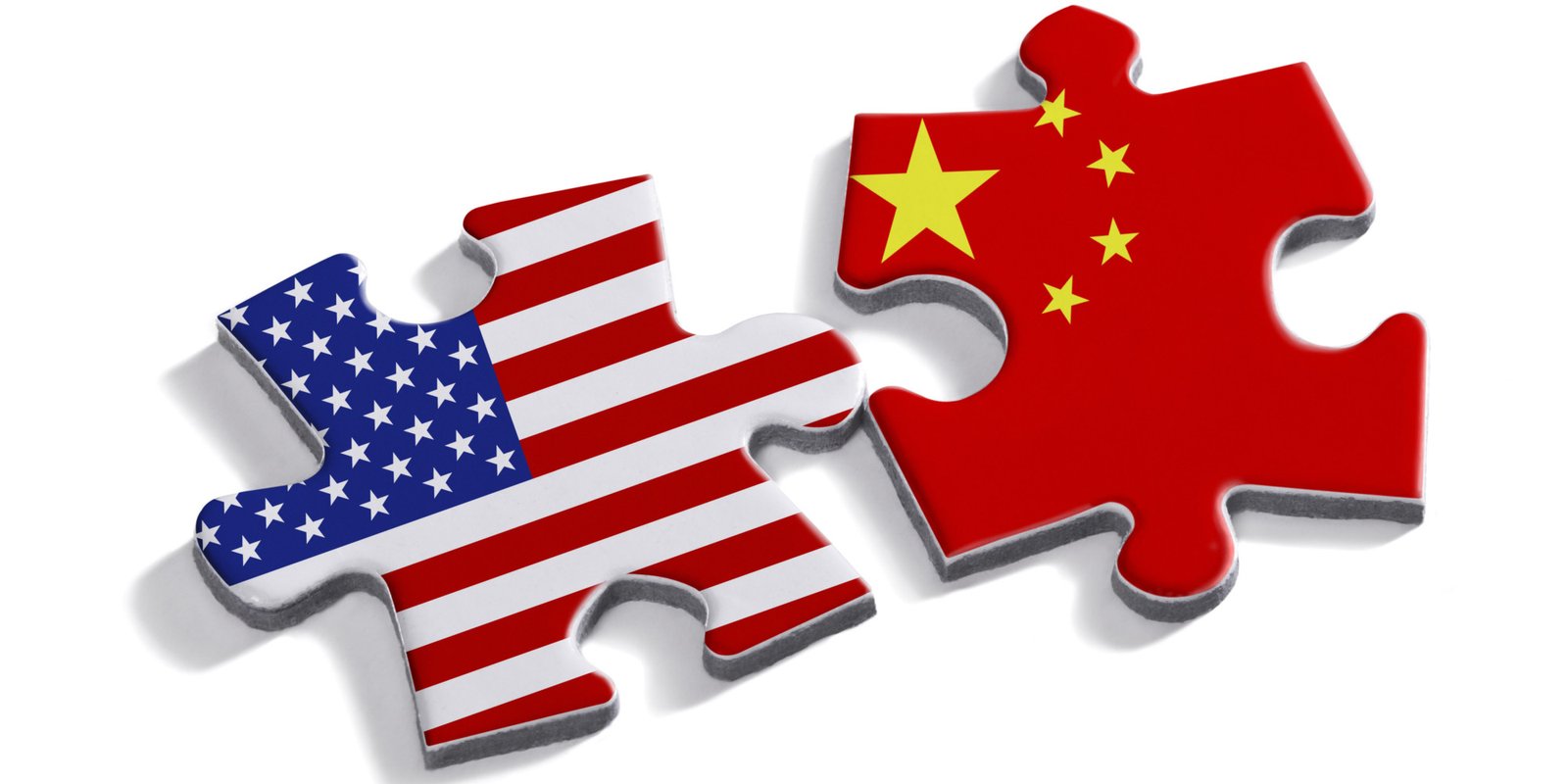
A video conversation with Chas Freeman August 10, 2023 Chas Freeman is a legend of US diplomacy – since he served as interpreter for Kissinger and Nixon during their visit to China in 1972. He is also an academic and prolific writer and commentator. An intellectual that offers so much more than anybody serving as an ambassador in today’s NATO countries. You will find his homepage here with much about him and his thoughts. Although a staunch American, he is not the type Western mainstream media would turn to since he has the ‘wrong’ views on several essentially important things. I’ve also come to appreciate Neutrality Studies’ YouTube Channel. Browse it when you are anyhow there, but – first – listen carefully to this conversation that starts out with Henry Kissinger’s visit to China and moves on to very important aspects of Taiwan and beyond. Jan Oberg, Editor
Symmetry_of_Diplomacy-1125x630-1
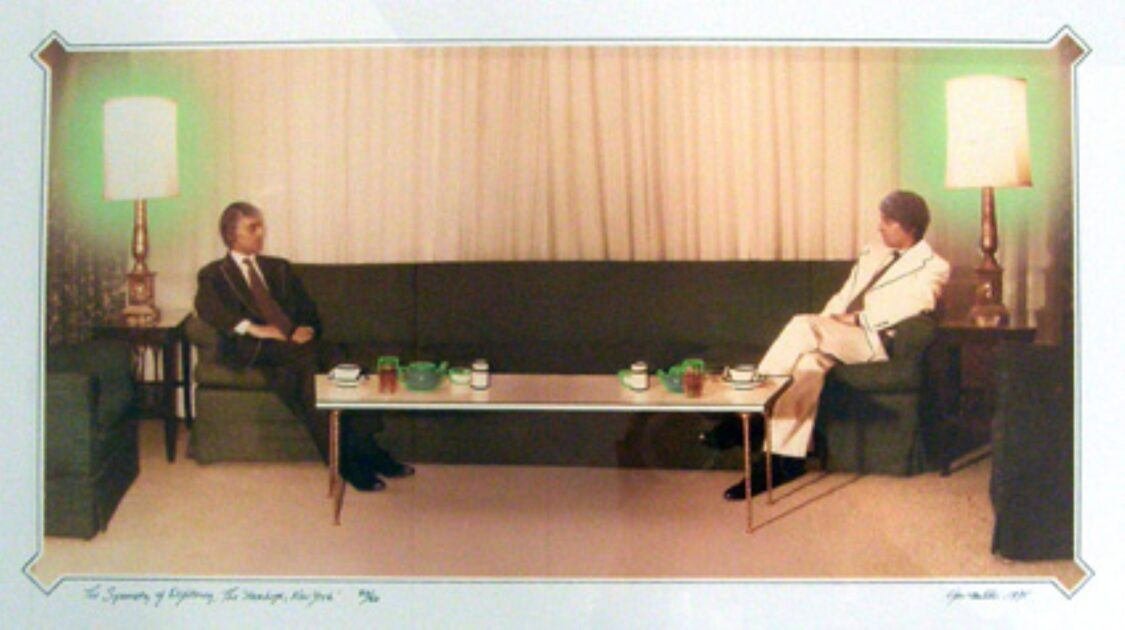
Ger van Elk, Symmetry of Diplomacy, 1975, Groninger Museum   Alfred de Zayas   July 31, 2023   The blaming game has always been counter-productive. In the UN Human Rights Council, the practice is known as “naming and shaming”, as if the States engaging in “naming” would possess a higher moral authority over those “named”, and as if the assignment of blame could possibly contribute to an atmosphere conducive to dialogue and compromise.   Originally published at CounterPunch on July 25, 2023   Those who assign the blame would do better to look for root causes and, in any event, do some sweeping at their doorsteps, as China has told the US on repeated occasions[1]. I recall once the Chinese Ambassador saying in jest that he would send a couple hundred mirrors to the White House. This also reflects an idiom attributed to Confucius (551-479 BC) that “all will follow...
ChinaCulture
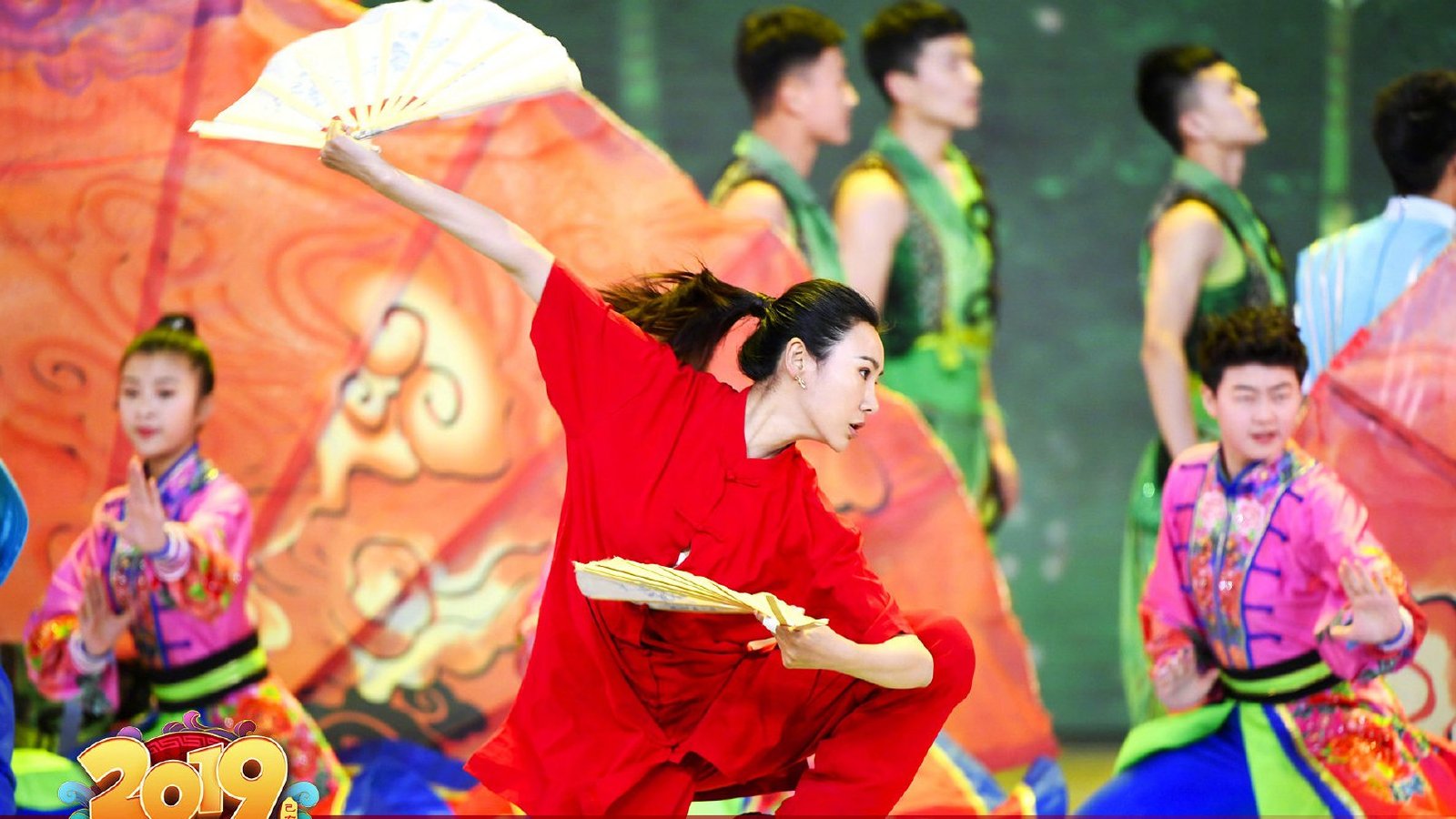
Zhang Lihua May 18, 2023 Traditional Chinese values directly influence China’s foreign policy and create a novel approach to resolving conflicts and conducting international affairs. Originally published at Carnegie Endowment on November 21, 2013 China’s traditional cultural values The cultural values of a country influence its national psychology and identity. Citizens’ values and public opinions are conveyed to state leaders through the media and other information channels, both directly and indirectly influencing decisions on foreign policy. The traditional cultural values that influence the psyche of the Chinese people are harmony, benevolence, righteousness, courtesy, wisdom, honesty, loyalty, and filial piety. Of these, the core value is harmony. Harmony means “proper and balanced coordination between things” and encompasses rationale, propriety, and compatibility. Rationale refers to acting according to objective laws and truths. Propriety indicates suitability and appropriateness. The value of harmony advocates “harmony but not uniformity.” Properly coordinating different things by bringing...
the-diplomacy-vector-3984227
Sam Kolitch February 14, 2022 Ambassador Chas Freeman is a retired career diplomat who served as Assistant Secretary of Defense for International Security Affairs from 1993-1994, Ambassador to Saudi Arabia from 1989-1992 during operations Desert Shield and Desert Storm, Principal Deputy Assistant Secretary of State for African Affairs from 1986-1989 during the Cuban troop withdrawal from Angola and the US mediation of Namibian independence from South Africa, Deputy Chief of Mission and Chargé d’Affaires in the American embassies at Bangkok from 1984-1986 and Beijing from 1981-1984, and Director for Chinese Affairs at the US Department of State from 1979-1981. In 1972, he was the primary American interpreter for President Nixon’s trailblazing visit to China. Ambassador Freeman is the author of America’s Continuing Misadventures in the Middle East, Interesting Times: China, America, and the Shifting Balance of Prestige, America’s Misadventures in the Middle East, The Diplomat’s Dictionary, Arts of Power: Statecraft...
osce
Andrei Kortunov December 28, 2022 Poland’s defiant refusal to allow the Russian foreign minister’s attendance at the OSCE Ministerial Council meeting in Lodz on December 1-2 provoked a boisterous diplomatic uproar. As might be expected, it gave a new impulse to the long-standing debate about the OSCE’s value to Russia. With less than a month remaining before the Polish OSCE chairmanship expires, it is barely possible to imagine that the new chairmanships—North Macedonia in 2023, Estonia in 2024 and even Finland in 2025—might change the general algorithm of Moscow’s interaction with this organization for the better. It is not surprising that the voices of those calling for a withdrawal from the OSCE altogether are getting louder in Russia, especially given that our country has already left the Council of Europe this spring. The cases for withdrawal range from ideological (“the OSCE promotes values alien to Russians”) to financial (“Russia could...
Skaermbillede-2022-10-17-150124
By Connor Echols October 17, 2022 A recent piece in Foreign Affairs revealed that Kyiv and Moscow may have had a tentative deal to end the war all the way back in April. Russia and Ukraine may have agreed on a tentative deal to end the war in April, according to a recent piece in Foreign Affairs. “Russian and Ukrainian negotiators appeared to have tentatively agreed on the outlines of a negotiated interim settlement,” wrote Fiona Hill and Angela Stent. “Russia would withdraw to its position on February 23, when it controlled part of the Donbas region and all of Crimea, and in exchange, Ukraine would promise not to seek NATO membership and instead receive security guarantees from a number of countries.” Originally published at Responsible Statecraft on September 2, 2022 The news highlights the impact of former British Prime Minister Boris Johnson’s efforts to stop negotiations, as journalist Branko Marcetic noted on Twitter....
nuclear-
Jackie Cabasso September 8, 2022 Hypocrisy & outright lying by nuclear-armed states The 10th NPT Review Conference didn’t fail because it couldn’t produce a final document. It failed because the nuclear-armed states haven’t made good on their fundamental nuclear disarmament obligation under Article VI of the Treaty, undertaken 52 years ago, nor on the promises and commitments to action items that would lead to nuclear disarmament they agreed to in connection with the indefinite extension of the Treaty in 1995 and in the 2000 and 2010 final documents. Originally published at The peace and health blog on August 30, 2022 To the contrary, it’s almost as if these commitments have gone into reverse. All of the nuclear-armed states are diverting vast sums of human and economic resources by engaging in programs to qualitatively, and in some cases, quantitatively upgrade their nuclear arsenals; the role of nuclear weapons in “security” policies...
Skaermbillede-2022-08-24-194631
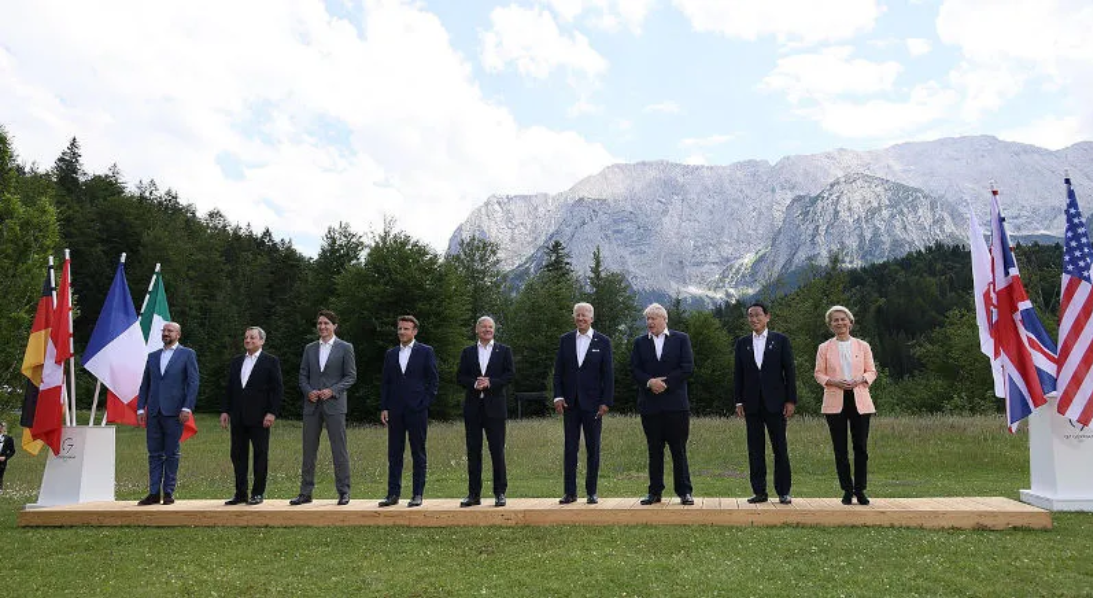
Image: Wikimedia Commons By P&I Guest Writers August 24, 2022 The G-7 countries are democratic domestically but are dictatorial globally. By contrast, the G-20 group, which has many autocratic regimes, represents a more democratic forum for governance. The G-7 is dictatorial, while the G-20 is democratic. This statement is obviously paradoxical. The G-7 countries are very proud of their liberal democratic societies. And they should be. However, while they are democratic domestically, they are dictatorial globally. By contrast, the G-20 group, which has many autocratic regimes, is more representative of the world’s population. The spiritual essence of democracy is conveyed in the phrase: a government of the people, by the people, for the people. In short, it must represent a hundred per cent of the people. The G-7 represent just 10 per cent of the world’s population. Yet, they make decisions and take actions that disrupt the lives of billions of...
theancientmariner2
Craig Murray June 17, 2022 I was in Turkey to try to further peace talks, as an experienced diplomat with good contacts there, and as a peace activist. I was not there as a journalist and much of what I discussed was with the understanding of confidence. It will be probably be some years before I judge it reasonable and fair to reveal all that I know. But I can give some outline. Originally published on Craig Murray’s homepage on June 7, 2022 Turkey continues to be the centre of diplomatic activity on resolving the Ukraine war. It is therefore particularly revealing, and a sign of Western priorities, that I did not come across a single western journalist there trying to follow and cover the diplomatic process. There are hundreds of Western journalists in Ukraine, effectively embedded with the Ukrainian authorities, producing war porn. There appear to be none seriously...
Categories

Year

Author / Contributor

Region