Globalisation – Nationalism

Showing 1-10 of 31 stories

Sort by
Categories

Year

Author / Contributor

Region

Unknown-3-1
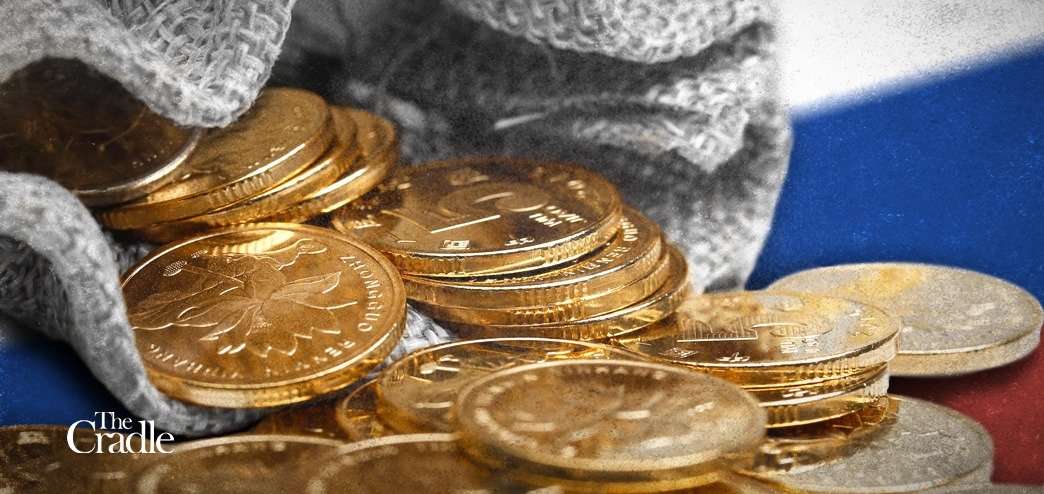
Russia says half its gold assets were frozen – is this for real or a slick play by Moscow? Photo Credit: The Cradle Pepe Escobar March 29, 2022 The Russia-led Eurasia Economic Union and China just agreed to design the mechanism for an independent financial and monetary system that would bypass dollar transactions. Originally posted on The Cradle on March 15, 2022 here It was a long time coming, but finally some key lineaments of the multipolar world’s new foundations are being revealed. After a recent video conference meeting, the Eurasian Economic Union (EAEU) and China agreed to design the mechanism for an independent international monetary and financial system. The EAEU consists of Russia, Kazakhstan, Kyrgyzstan, Belarus and Armenia, is establishing free trade deals with other Eurasian nations, and is progressively interconnecting with the Chinese Belt and Road Initiative (BRI). For all practical purposes, the idea comes from Sergei Glazyev, Russia’s...
19c32d4ad8294f02bbfd045b0bf9d671
The United States Capitol Building in Washington, D.C., U.S. /Getty By Josef Gregory Mahoney December 15, 2021 Editor’s note: Josef Gregory Mahoney is a professor of politics at East China Normal University in Shanghai. The article reflects the author’s opinions and not necessarily the views of CGTN. There has been an active debate among American scholars and pundits for many years over whether the United States is a republic or democracy. One of the keys to this discussion is the argument advanced by some, particularly those on the right, that these two terms are somehow opposites – that one cannot be both at the same time, and that the U.S. is definitively a republic and not a democracy. Originally published at CGTN On the face of it, this assertion is ridiculous. It’s absolutely possible to be both a republic and democratic, and to whatever extent one regards the U.S. as democratic,...
pankajmishwa
Photo: Pankaj Mishra By Radmila Nakarada and Jelena Vidojević June 29, 2021 This conversation with the Indian-born essayist, novelist and historian Pankaj Mishra, took place before the US elections. Q: In your major writings you deal with the Western model of modernisation and in the suffering involved in its evolution, expansion and emulation. You have emerged as a prominent critic of the empire and its links to liberal ideas. Reviewers often depict you as the voice of the marginalised and excluded, humiliated, the victims. How would you define yourself today?  A: I think I was fortunate to write for mainstream publications in the United States and Britain from the late 1990s onwards, when the illusions of Americanising the world were at their strongest. Britain and America were being held as models for the rest of the world to imitate and no attention was being paid to their long past of slavery and...
maxresdefault
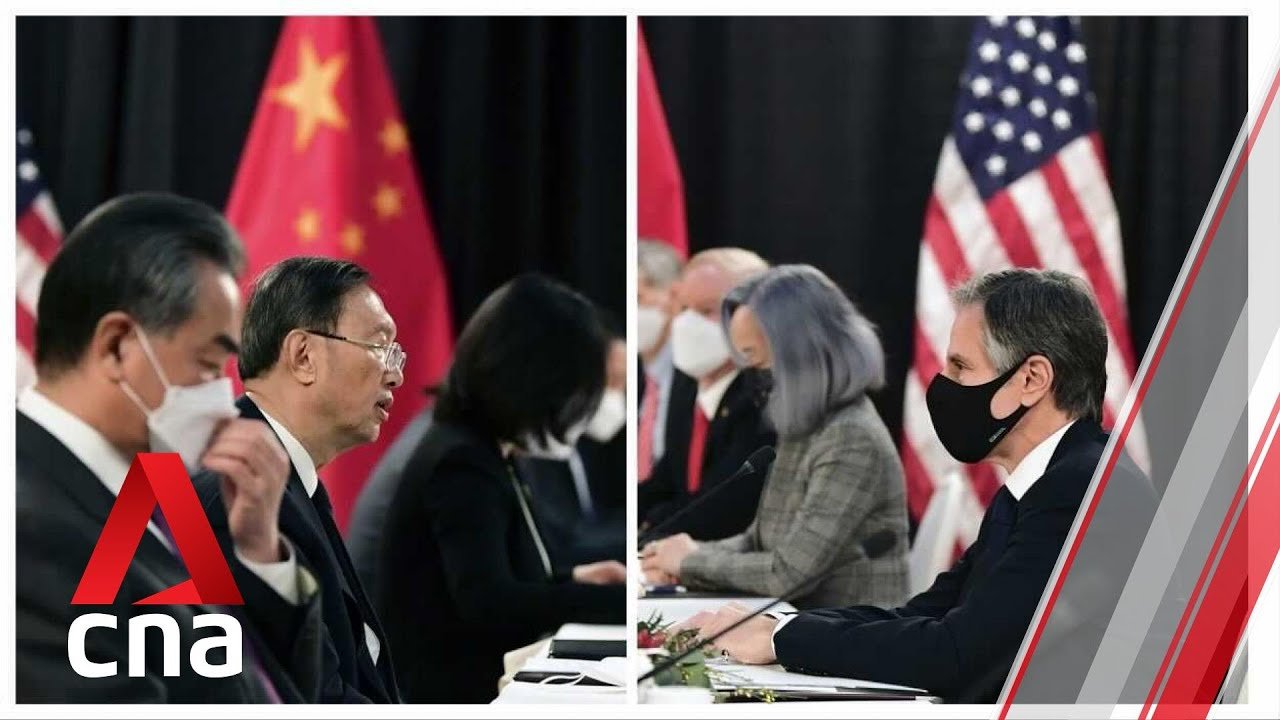
Photo credit: ChannelNewsAsia A U.S. State Department transcript April 3, 2021 Editor’s noteThere are several reasons to assume, or predict, that this meeting will be seen in the future as a serious turning point. One can’t blame the Chinese side for thinking that this is not the way to start dialogues about common matters. Indeed, Secretary of State Antony Blinken here reveals a surprisingly impolite and amateurish style of diplomacy – a style not exactly indicative of global leadership. The Chinese may well have felt, even concluded, that it is, at least at the moment, a hopeless idea to seek long-term cooperation with the United States. Therefore, we bring you the full transcript from the opening day. China’s Yang: ‘Is that the way that you had hoped to conduct this dialogue?’ NEW YORK — This is a U.S. State Department transcript of the opening remarks at the U.S.-China meeting in...
1024px-Small_Flag_of_the_United_Nations_ZP.svg_
2020 marks the 75th Anniversary of the world’s most important and visionary organisation, the United Nations. Everything TFF has done during its 35 years of existence has been based on one mission – namely, to promote the UN Charter’s Article 1 which states that peace shall be brought about by peaceful means. That is a typical Gandhian inspiration – “the means are the goals in-the-making” – as he said. You cannot use destructive means to achieve constructive goals. Regrettably, one hears many – thoughtless – voices accusing “the UN” of being too expensive, too bureaucratic, too ineffective, too corrupt, too this and that. Why must this be seen as an indicator of intellectual poverty? First, as stated by its first Secretary-General, Norwegian Trygve Lie – the UN shall never become stronger or better than its member states want to it to be. And, sadly, they are more nationalist than globalist....
Screenshot
Last year, the Danish artist Gudrun Steen-Andersen created a multimedia installation under the theme: “Perpetuum Mobile – What Would Happen If Migration Was Free Worldwide?” Naturally, it is a thought experiment – not the least in these times of multi-crisis where nationalism, xenophobia, populism and the building of walls seem to have emerged as just another – political – virus way before the Coronavirus. The Danish-language version was made in 2019 and in March this year, we repeated – more or less, that is – the video lectures in English. It was about the time when the Coronavirus had just begun its race to the top of the global agenda. You’ll find them all the videos here or click on this: Steen-Andersen’s heuristic intention – somewhat in the tradition of the great future-thinker Robert Jungk’s future workshop – was realized through her own amazing installation and by invitation to a...
earthmask-1024x623-1
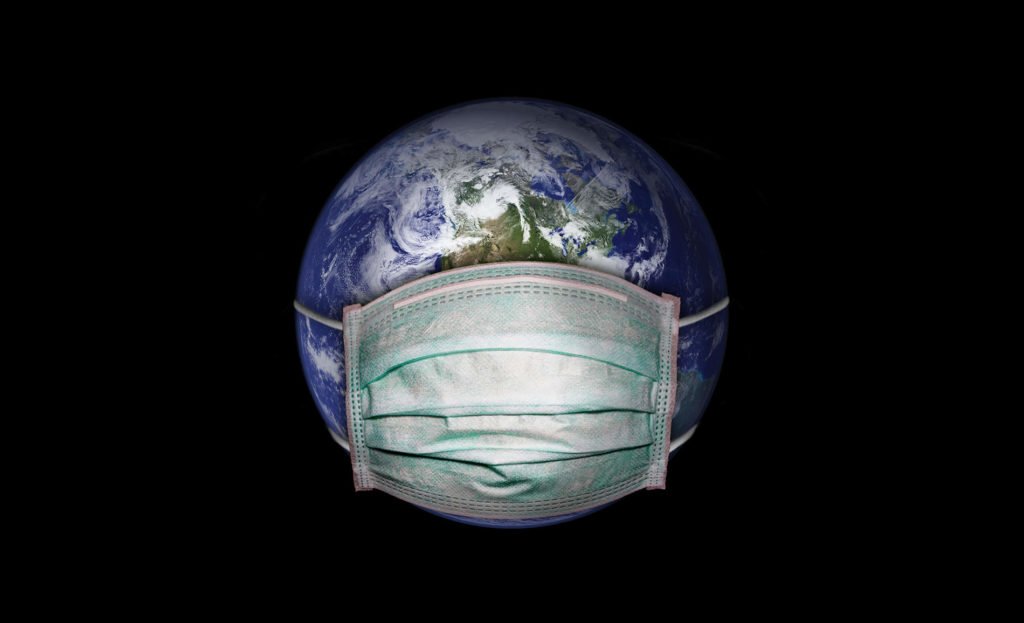
Part 1 Governments have spent trillions on preparing for military threats created by their own policies. No one prioritised human and societal security. The unique over-reaction to COVID-19 should worry us much more than the virus itself. It can be seen as a panicky attempt to cover-up the failure of an outdated militarist security policy. #coronaissecuritypolitics Part 2 of this series • Part 3 • Part 4 The Coronavirus is a comparatively small killer Over the last 3 months, about 40.000+ people have died worldwide because of (or with) the Coronavirus. No other phenomenon in contemporary history has caused so many drastic decisions in democratic and authoritarian governments alike as thi pandemic. Constitutions, a series of freedoms, including the freedom of movement, and much else have been suspended and new emergency laws passed fast enough to qualify for the Guinness World Records. Not to diminish this pandemic tragedy in the...
internationallaw_ShenukaCorea
Illustration by Shenuka Corea Prefatory Note International law – as so much else of value – has fallen on hard times, violated and ignored, where applicable and needed. Although this is a deplorable state of affairs as the planet burns and vulnerable people suffer from ecological hazards and predatory geopolitics, it is the time to heighten struggle, and not sit home in despair. This essay in a slightly modified form was written at the request of Fikir Turu, an online source of commentary operating from Turkey, and published in Turkish. An English version was also published in Transcend Media Service, TMS, 17 February 2020. Published at Richard Falk’s personal blog  Respecting International Law: A Practical Argument International law disappoints in so many ways, making it easy to overlook why, despite its flaws, it remains valuable and indeed vital for human wellbeing. I put here to one side its usefulness for managing the...
mussolinifist
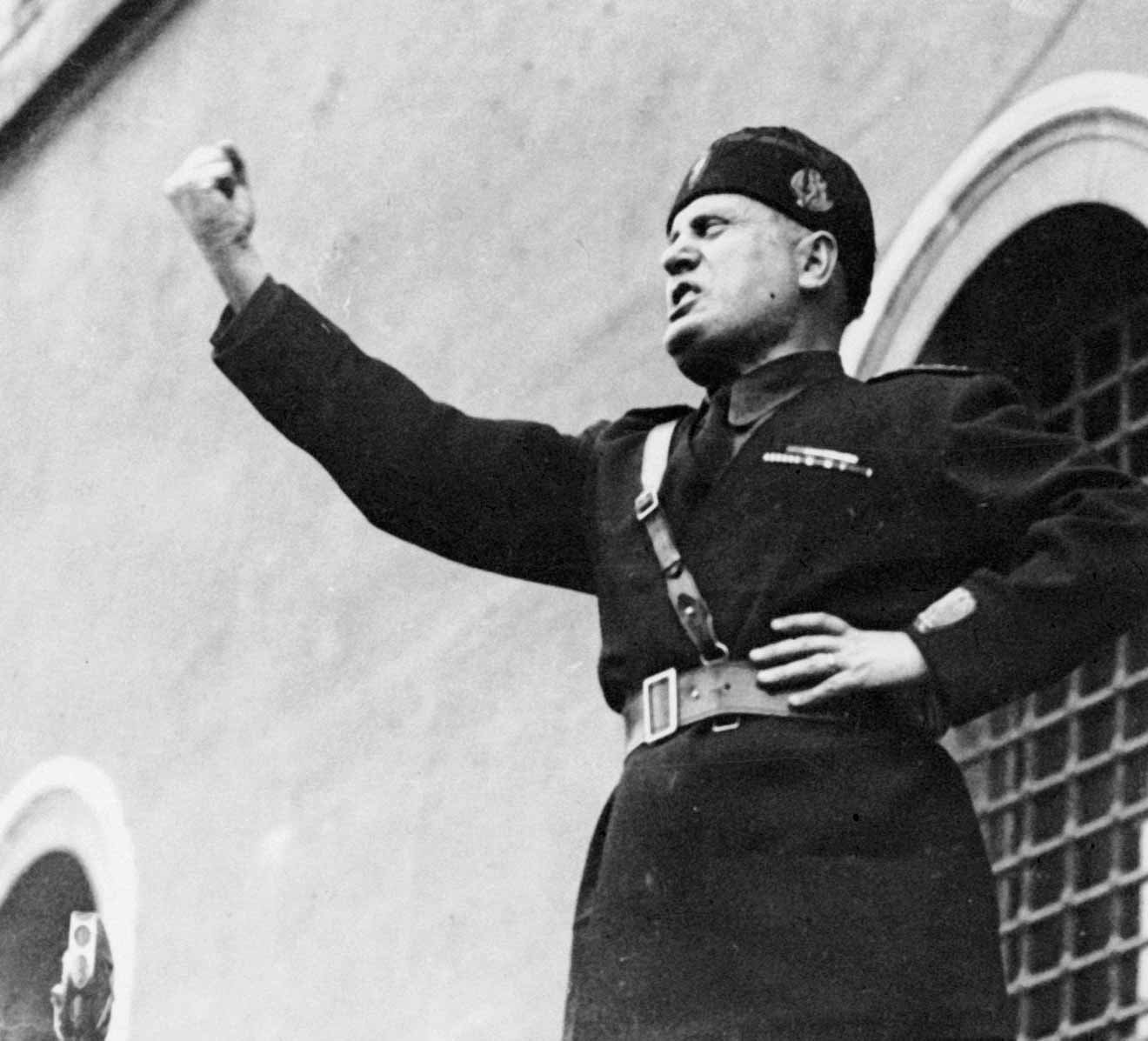
By Umberto Eco February 24, 2020 One of the key questions facing both journalists and loyal oppositions these days is how do we stay honest as euphemisms and trivializations take over the discourse? Can we use words like “fascism,” for example, with fidelity to the meaning of that word in world history? The term, after all, devolved decades after World War II into the trite expression fascist pig, writes Umberto Eco in his 1995 essay “Ur-Fascism,” “used by American radicals thirty years later to refer to a cop who did not approve of their smoking habits.” In the forties, on the other hand, the fight against fascism was a “moral duty for every good American.” (And every good Englishman and French partisan, he might have added.) Originally posted on OpenCulture on November 22, 2016, here Eco grew up under Mussolini’s fascist regime, which “was certainly a dictatorship, but it was not totally totalitarian,...
soldiersnature
Today TFF launches “Bootprint – Militarism and Environment” – a curated, free-of-charge online magazine that brings you quality knowledge about the connections between the two most urgent problems that humanity faces. These two main clusters of problems which, if not solved, threaten to destroy humanity, our Earth and all future potentials are: Environment – with catchwords such as climate change, global warming, CO2 footprint, non-sustainability, pollution, resource depletion, species extinction, variety and diversity reduction, rain forest destruction, overconsumption, fossil fuels economy, limitless material growth, etc. etc. – and Militarism – with catchwords such as warfare, nuclear weapons, arms production and trade, militarization of land, air, space and oceans, tension creating, interventionism, base networks, terrorism, cyber and propaganda warfare, other weapons of mass destruction, special forces operations, intelligence agency crimes, imperialism, etc. The two clusters a fundamentally connected – militarism is enormously destructive of the environment; climate change and other processes...

the-new-confessions-of-an-economic-hit-man-5370946-1-638
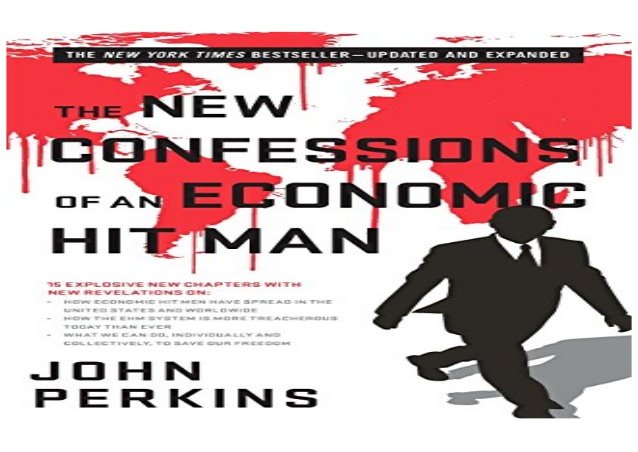
By John Perkins February 08, 2020 John Perkins describes the methods he used to bribe and threaten the heads of state of countries on four continents in order to create a global empire and he reveals how the leaders who did not “play the game” were assassinated or overthrown. He brings us up to date about the way the economic hit man system has spread from developing countries to the US, Europe, and the rest of the world and offers a strategy for turning this around. “Each of us,” he says, “can participate in this exciting revolution. We can transform a system that is consuming itself into extinction into one that is sustainable and regenerative.” This video was originally posted on TEDx Talks Youtube Channel on June 24, 2016, here If you think this type of critical analysis by a person who really knows is important… John Perkins’ books, including...
fall-of-the-berlin-wall-
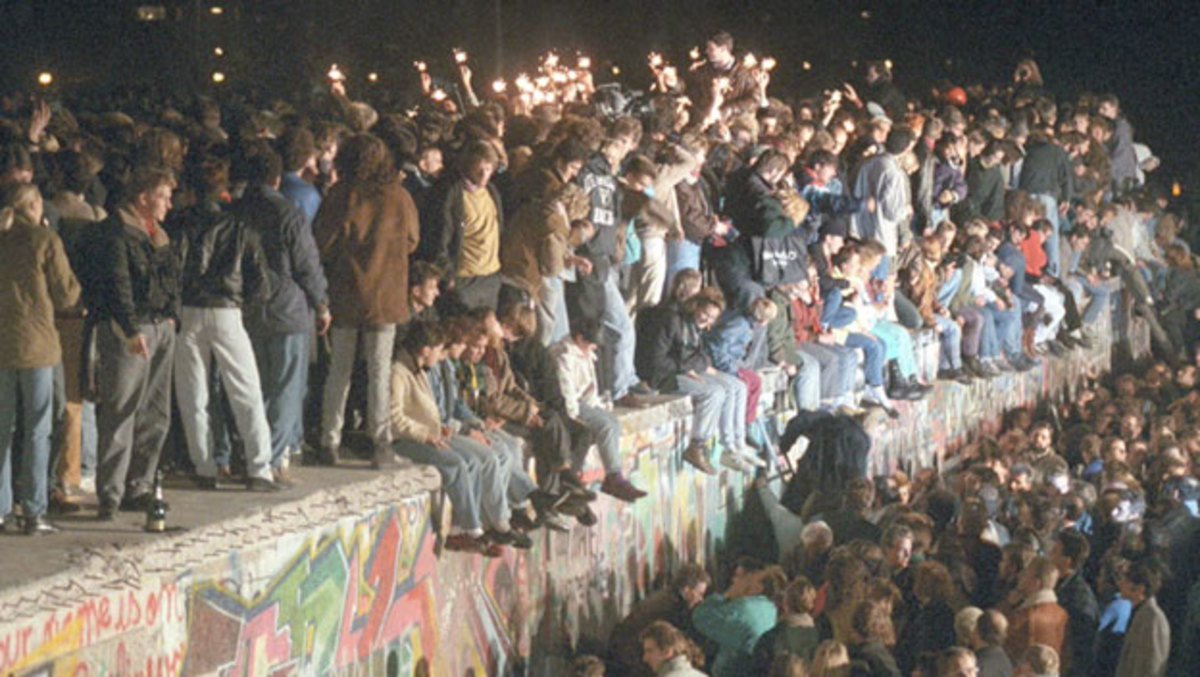
Austere “shock therapy” after the Cold War only shocked the East into reaction. In the West, the corporate political center ultimately did the same. By John Feffer November 18, 2019 The Berlin Wall fell 30 years ago. It was one of the few unambiguously joyous moments in modern history. This popular, nonviolent explosion of dissent effectively toppled East Germany’s despotic regime. And it signaled, if only symbolically, the end of the Cold War that had divided Europe for nearly half a century. Thirty years later, a united Germany remains far and away the largest economy in Europe (and the fourth largest in the world). Most of the countries of the former Warsaw Pact are members of the European Union, and their populations have seen dramatic improvements in living standards. After the horrendous bloodletting that tore apart Yugoslavia in the 1990s, the threat of war in Europe has again receded. Who...
Categories

Year

Author / Contributor

Region