Economic warfare

Showing 1-4 of 4 stories

Sort by
Categories

Year

Author / Contributor

Region

RN
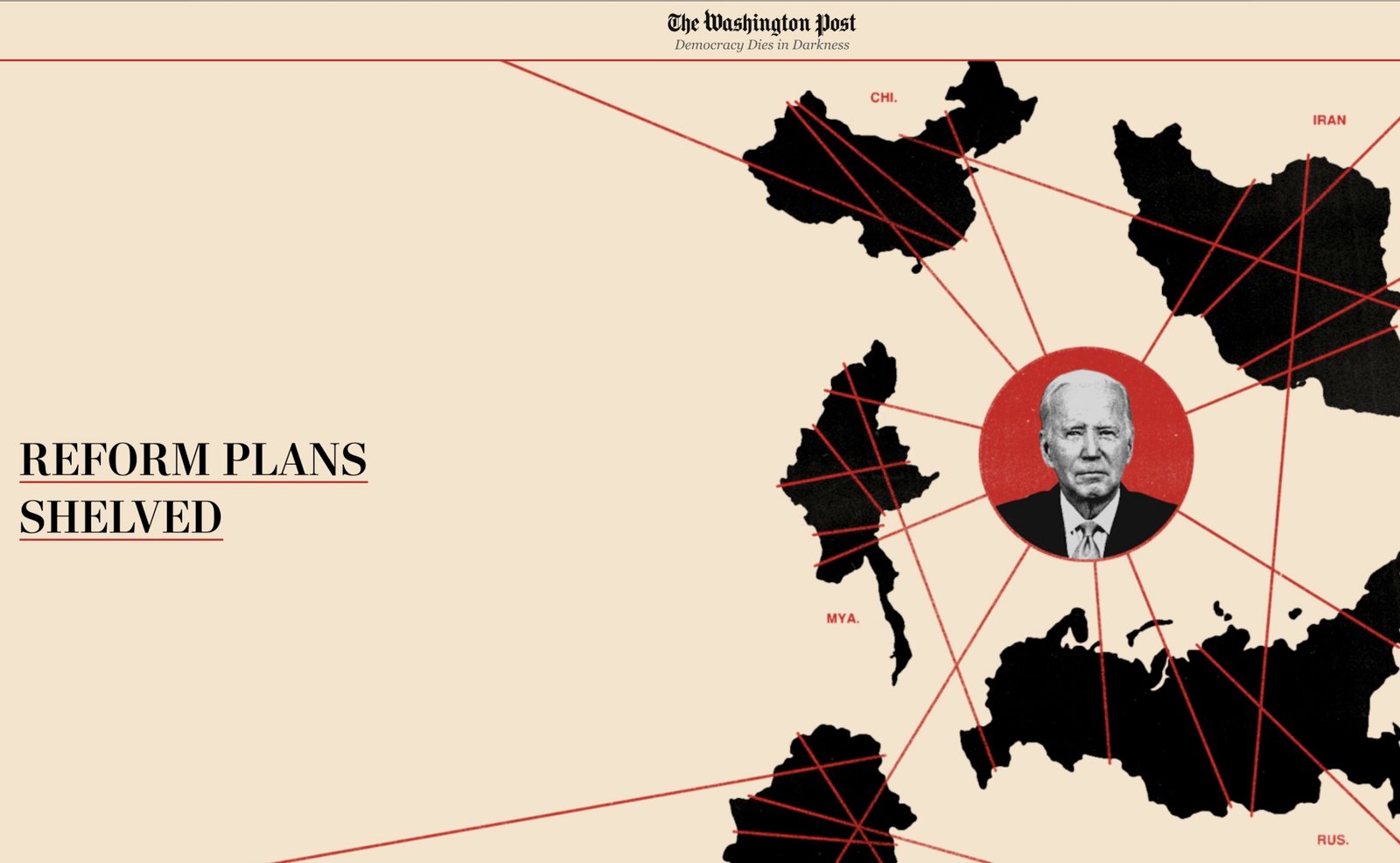
In its recent analysis – “How Four US Presidents Unleashed Economic Warfare Across the Globe” – The Washington Post illustrates what I have called “sanctionitis” – the disease of (over)using sanctions as a means to conduct foreign policy and cause great harm to the world economy, the US economy but also to millions of innocent people who suffer from the consequences of them. But the WP merely points out that sanctions are inefficient from a US point of view in that they have not achieved what was intended, indeed sometimes the opposite. It uses various kinds of pejoratives like “dictator” about leaders of states the US sees as enemies. It fails completely to point out that sanctions – particularly long-term sanctions – are, mostly, grossly immoral because of their humanitarian consequences. Be this as it may, something has happened when Washington Post does publish such an analysis and calls it...
towfiqu-barbhuiya-jODhJal-Nm0-unsplash
Michael Gfoeller & David H. Rundell September 27, 2023 In 1919, John Maynard Keynes was a young economist with the British delegation negotiating the Versailles Treaty. Keynes strongly objected to the harsh economic treatment being meted out to Germany. He resigned and went home to write “The Economic Consequences of the Peace,” which accurately predicted how the treaty would sow the seeds for future conflict. Had Keynes been alive last year, he might well have written “The Economic Consequences of the War,” predicting how the economic sanctions being placed on Russia would, in fact, unravel Europe’s political order. Few products contribute more to economic prosperity and political stability than affordable food and energy. Increased energy costs retard every aspect of economic growth. Rising food costs act much like a regressive tax increase. By imposing economic sanctions on Russia, Europe destroyed its own access to inexpensive food and energy. One did...

China-Tech-War-Microprocessors-Chips
US dependence on Chinese components means defense industry and critical infrastructure could soon be in the line of fire David P. Goldman, Asia Times September 20, 2023 America doesn’t have the factories or skilled labor to replace Chinese imports that support defense contractors and basic infrastructure, leaving the US economy vulnerable to harm in the event of an all-out trade war with China, corporate and government officials told Asia Times. That’s why Biden administration officials are unlikely to heed calls from China hawks to completely cut off China’s semiconductor sector from US technology. A group of 10 prominent House Republicans wrote to the US Commerce Department on September 14 demanding a shutoff of US exports of chip technology to China, claiming that the export controls imposed in October 2022 were ineffective. Originally published by Asia Times on September 16, 2023 The Republicans’ letter cited “recent reports that Huawei Technologies Co. (Huawei)...
trade-timelapse-usa-china_comparison-c46d
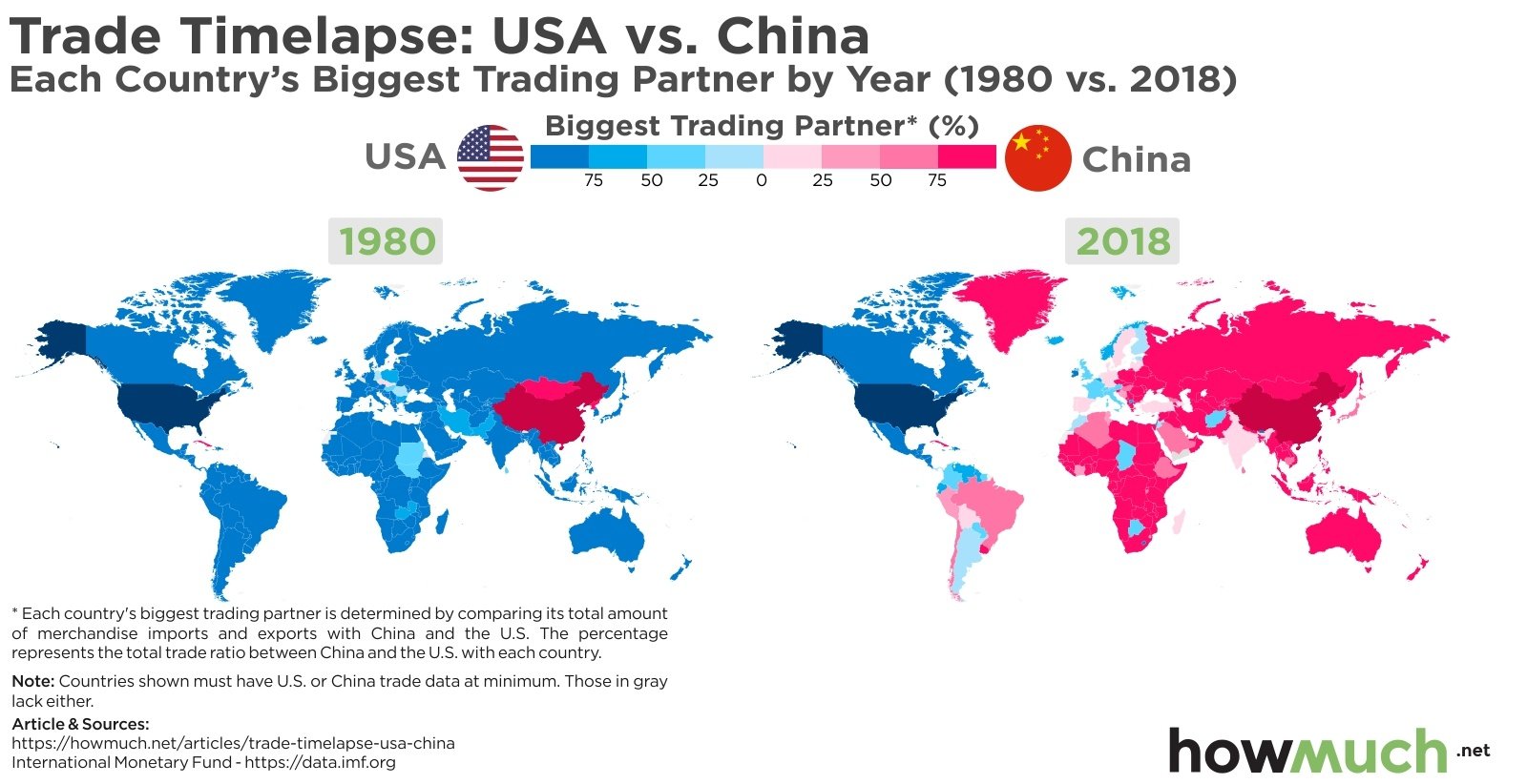
It’s an old US playbook. My assessment is that the US attempt to contain China is not only wrongheaded in principle, but destined to fail in practice. Jeffrey Sachs September 18, 2023 China’s economy is slowing down. Current forecasts put China’s GDP growth in 2023 at less than 5%, below the forecasts made last year and far below the high growth rates that China enjoyed until the late 2010s. The Western press is filled with China’s supposed misdeeds: a financial crisis in the real-estate market, a general overhang of debt, and other ills. Yet much of the slowdown is the result of US measures that aim to slow China’s growth. Such US policies violate World Trade Organization (WTO) rules and are a danger to global prosperity. They should be stopped. Originally published on Jeffrey Sach’s homepage on August 22, 2023 The anti-China policies come out of a familiar playbook of...
Categories

Year

Author / Contributor

Region