Cold war

Showing 1-10 of 216 stories

Sort by
Categories

Year

Author / Contributor

Region

DRONE
Drones over Nordic airports. No damage. No trace. No answers. Most assume Russia—but what if that’s not so? Why is there so much we are not told? This article explores the strategic ambiguity behind recent drone incursions and asks: Who else might benefit from sending drones into NATO airspace? From Ukraine’s surprising drone supremacy to Russia’s possible signalling, the silence itself may be the loudest message. These are the kinds of questions decent, intelligent investigative journalists and commentators could easily research. Why don’t they? Did you, dear reader, know or think of this? That the most powerful weapon in today’s conflicts might be the one that leaves no trace – and no answers. Just enough fear to justify the next move? Recently, drones have repeatedly appeared over Nordic airports and near some military facilities. They cause no damage – for which reason the designation “hybrid attack” is misleading but serves a purpose. These...
Eclecticism_90cm_300dpi_1200_100dpi
Foreword The Board of The Transnational Foundation in Sweden has decided to publish an easy-to-read, scholarly anthology that addresses one of the most important – and potentially dangerous – issues of our time: Why are the political, economic, and medialised Western images of China so consistently negative – and what can you do to understand China better? These images may be expressions of a political will to present only various shades of grey and black with the aim of building a consciousness about China as an enemy and not a partner. They may also be seen as a sort of world-dominating ethos of ignorance based upon the assumption that “we’ve-got-nothing-to-learn-from-others,’ we are the teacher. Another possibility is that the West, deep down, feels that it is getting relatively weaker from a macro-historical perspective and comforts itself with denial and accusations against “the other” of being the reason for its manifest...
WechatIMG754
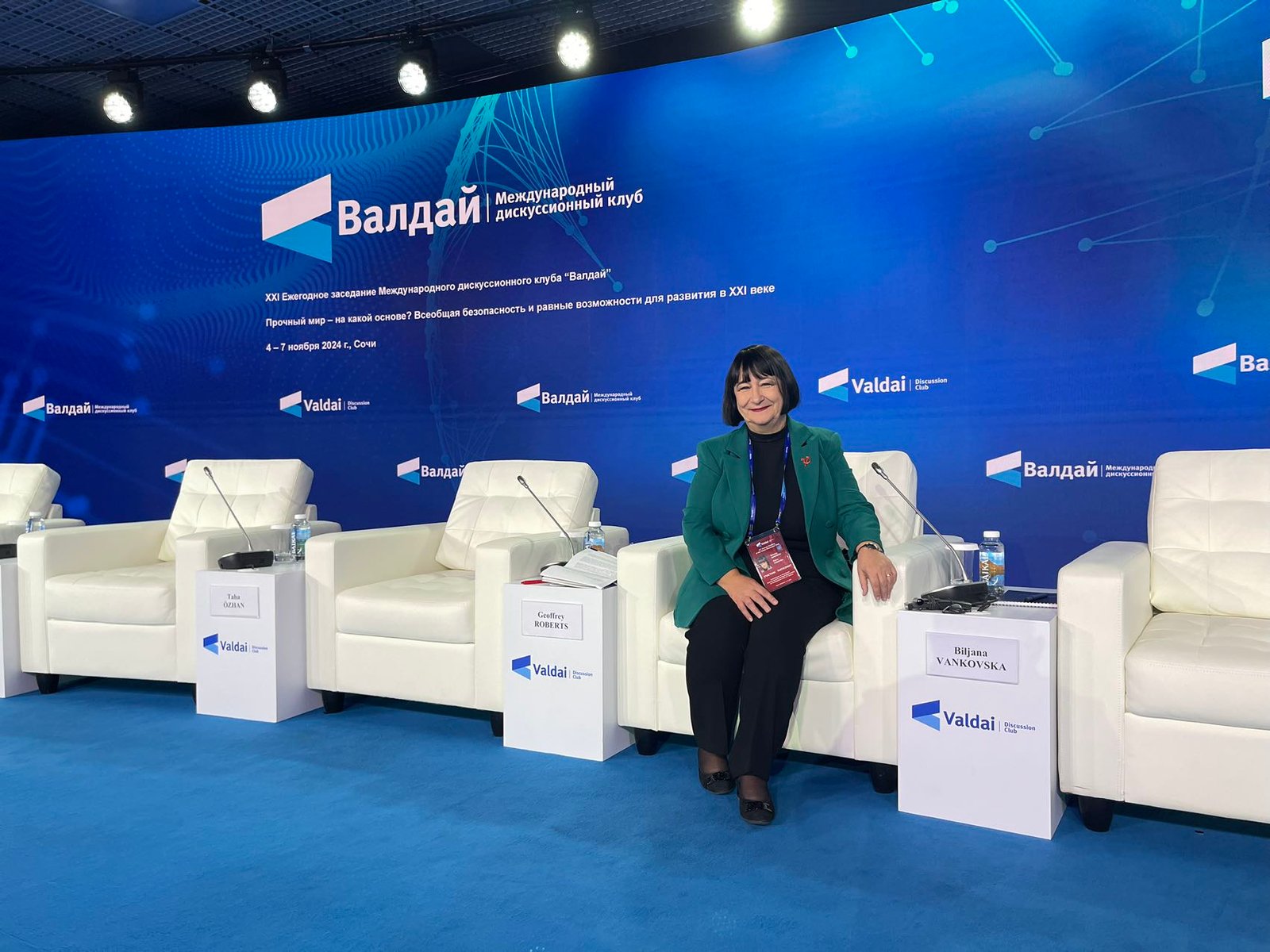
A report from the Valdai Discussion Club event in November 2024 Professor and director of the Global Changes Centre in Skopje, Macedonia and TFF Board member The intelligence services have probably noted this meticulously, but let me publicly share my experience of attending, for the first time, the annual conference of the renowned Valdai Discussion Club in Russia. For 20 years now, it has convened near Sochi, nestled among the stunning mountain peaks of the Russian Caucasus. Personally, this year stands out for many reasons. My first visits to China, and now to Russia, are undoubtedly among the most significant. Due to the format of the conference, I can’t describe Russia to you in the same way I recounted my experience in China. Over four days, around 130 participants (professors, analysts, strategists, diplomats, former generals, journalists—mostly from foreign countries, with fewer from Russia) representing over 50 nations engaged in discussions...

a226e378-ed4b-4aaa-a9c3-c26dd6be7eb3
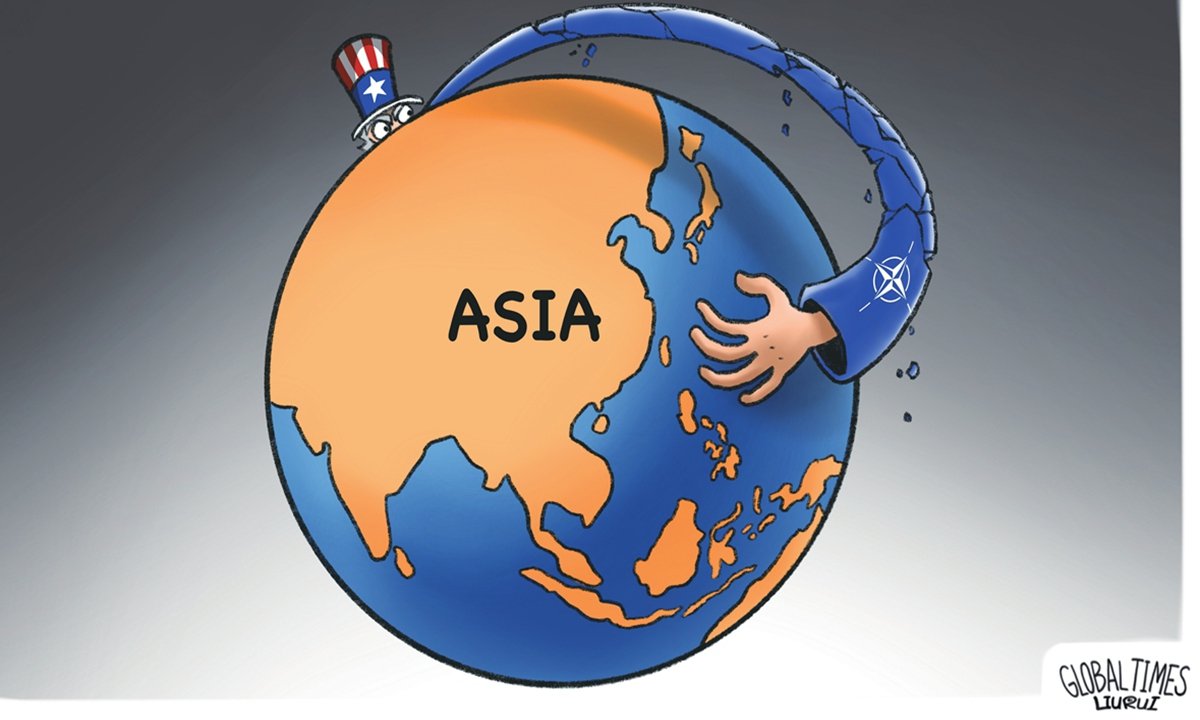
South Korea, Japan, Australia, and New Zealand sent their defence ministers to a NATO meeting in October 2024. While their heads of state and others have attended before, this was the first time these countries’ defence ministers joined. 
 This more military-operative attendance signals that NATO is serious about its expansion into this region. From a politico-psychological angle, it also shows that expansion for the sake of expansion has become the raison d’etre of the once-defensive alliance. NATO has been searching for such a reason to exist ever since the Soviet Union and the Warsaw Pact dissolved about 35 years ago, and, by all logic, it ought to have been closed down, too. The expansion happens in violation of NATO’s Treaty of 1949. That Treaty is a copy of the UN Charter, refers disputes to the UN and states (Art 5) that members of the alliance are obliged to support...
Mahbu
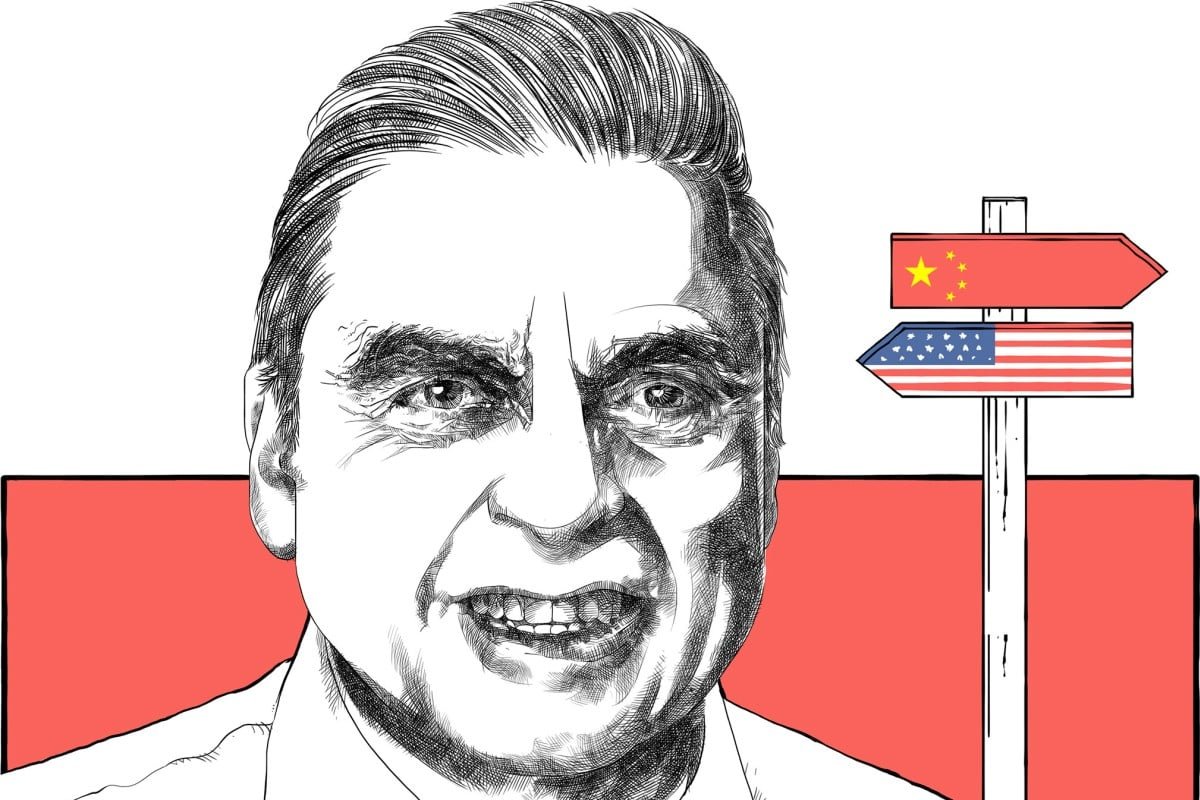
Veteran Singapore envoy on what the West gets wrong about China, Asean as a bellwether region and why the US should prepare for No. 2 status Dewey Sim of the South China Morning Post talks with Kishore Mahbubani on October 7, 2024 Seasoned former diplomat Kishore Mahbubani is a distinguished fellow at the National University of Singapore’s Asia Research Institute and author of nine books, including “Has China Won?” This interview first appeared in SCMP Plus. For other interviews in the Open Questions series, click here. You’ve predicted that the geopolitical contest between the US and China is set to intensify and stretch beyond the next decade. However, US national security adviser Jake Sullivan just visited China and a call between Presidents Xi Jinping and Joe Biden is expected soon. Are these exchanges a signal that things are looking up? I would say the best compliment that I can pay...
Peace-in-Ukraine-grafitti
John J. Mearsheimer Aug 05, 2024 The question of who is responsible for causing the Ukraine war has been a deeply contentious issue since Russia invaded Ukraine on 24 February 2022. The answer to this question matters enormously because the war has been a disaster for a variety of reasons, the most important of which is that Ukraine has effectively been wrecked. It has lost a substantial amount of its territory and is likely to lose more, its economy is in tatters, huge numbers of Ukrainians are internally displaced or have fled the country, and it has suffered hundreds of thousands of casualties. Of course, Russia has paid a significant blood price as well. On the strategic level, relations between Russia and Europe, not to mention Russia and Ukraine, have been poisoned for the foreseeable future, which means that the threat of a major war in Europe will be with...
shubham-dhage-_JrZM1Gy2fI-unsplash
The issue of state sovereignty under international law and its inconsistencies and duplicities has become more complex than ever, especially after the outbreak of the Ukraine war and the “Ukrainization” of the Taiwan issue (even though Taiwan is not a sovereign state like Ukraine). However, the focus of this analysis is relatively modest: we examine a region of the Western Balkans in which the countries have already (more or less voluntarily) lost or given up their statehood and sovereignty. The concept of the so-called “Western Balkans” (WB) – comprising Serbia, Montenegro, Albania, Kosovo, North Macedonia, and Bosnia and Herzegovina – was concocted in the corridors of power in Brussels and Washington. This artificial sub-region, with its flexible geography and borders, lacks logical coherence. It effectively creates a buffer zone of weak states that are unlikely to ever meet the criteria for EU integration despite being offered European perspectives and hopes. However, these...
51995088156_18a4e646c6_k
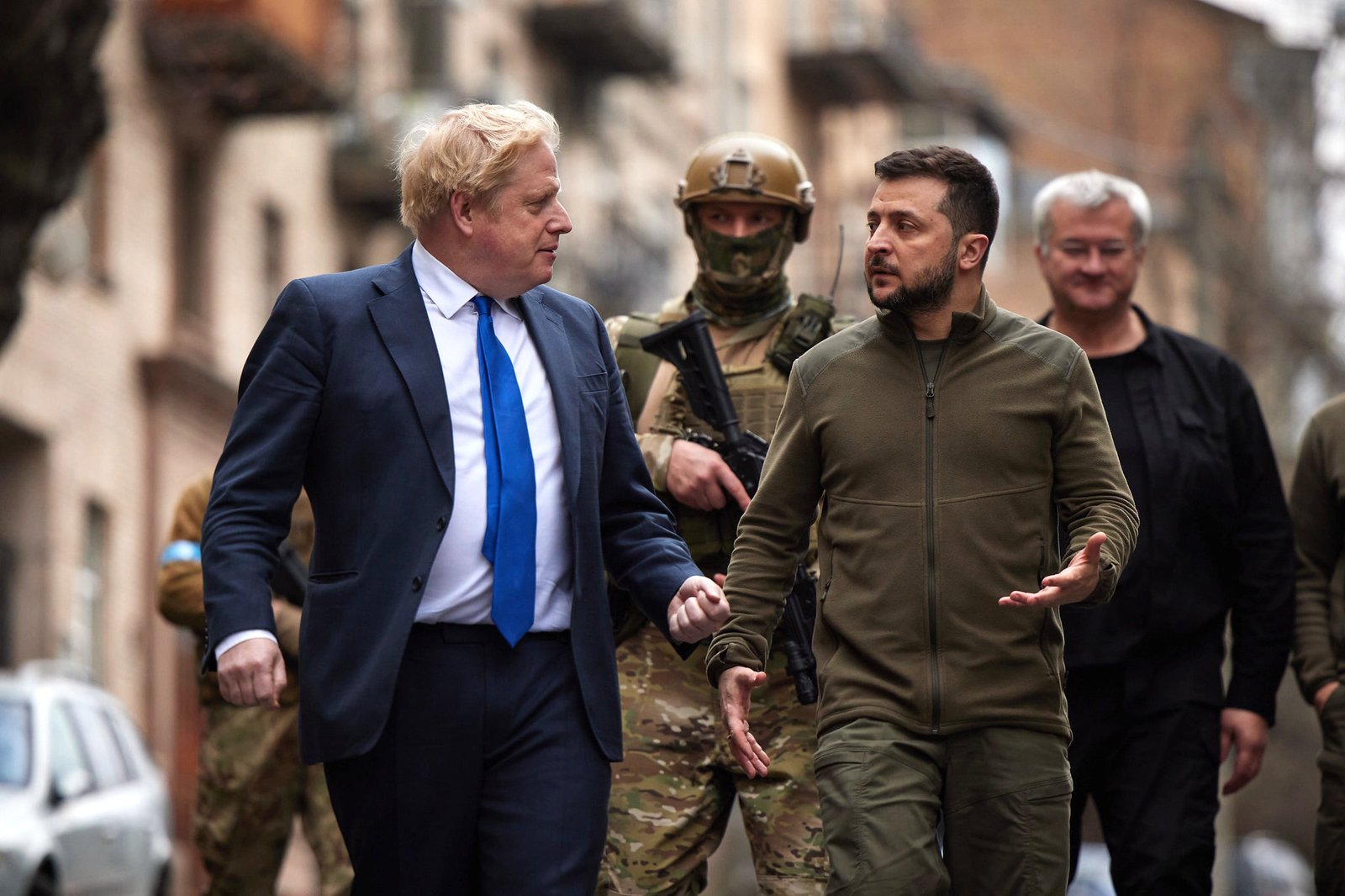
Given their lack of information about the Ukraine-Russia deal scuttled by Boris Johnson early in the war, many Americans will be inclined to believe Biden’s evidence-free claims in last week’s CNN debate. Ray McGovernSpecial to Consortium News, July 2, 2024 July 5, 2024 At Thursday’s debate with Donald Trump, President Joe Biden, calling Russian President Vladimir Putin a “war criminal,” claimed that he “wants all of Ukraine. … Do you think he’ll stop? … What do you think happens to Poland and other places?” Spoiler Alert: Official Ukrainian sources confirm that Putin did stop in March 2022, after Ukrainian President Volodomyr Zelensky agreed to forswear membership in NATO. This was the key provision in the Ukraine-Russia deal initialed by Davyd Arakhamia, who at the time was Zelensky’s chief negotiator (and his party’s faction leader in the Rada) at the talks in Istanbul at the end of March, hardly a month...
The-US-flag-Russian-flag-Ukraine-flag
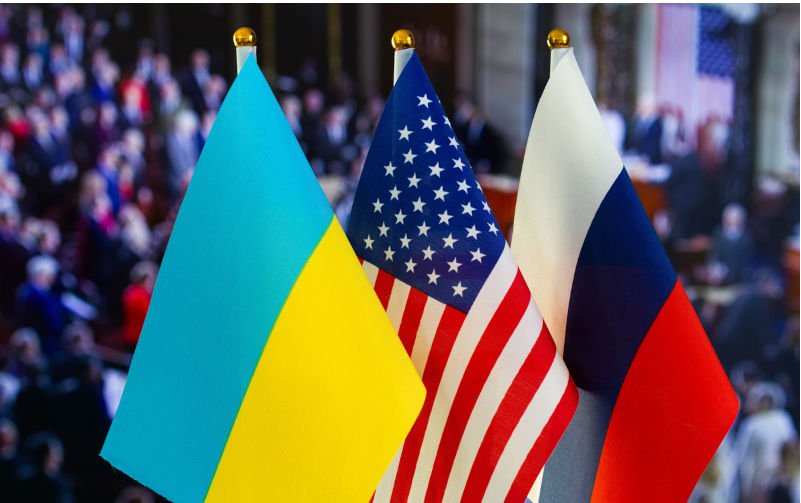
Jeffrey Sachs June 23, 2024 For goodness’ sake, negotiate! For the fifth time since 2008, Russia has proposed to negotiate with the U.S. over security arrangements, this time in proposals made by President Vladimir Putin on June 14, 2024. Four previous times, the U.S. rejected the offer of negotiations in favour of a neocon strategy to weaken or dismember Russia through war and covert operations. The U.S. neocon tactics have failed disastrously, devastating Ukraine in the process, and endangering the whole world. After all the warmongering, it’s time for Biden to open negotiations for peace with Russia. Since the end of the Cold War, the U.S. grand strategy has been to weaken Russia. As early as 1992, then Defence Secretary Richard Cheney opined that following the 1991 demise of the Soviet Union, Russia too should be dismembered. Zbigniew Brzezinski opined in 1997 that Russia should be divided into three loosely confederated entities in...
BPPF_PGPS98.466_042-1
Robert Rauschenberg, Untitled (Black Painting with Portal Form), 1952-53 (alternative orientation) San Francisco MOMA. Gordon Hahn June 4, 2024 The NATO-Russia Ukrainian war for and against NATO expansion, is on the brink of expanding to the NATO countries that provoked Russia to invade Ukraine on 24 February 2024 and have supported its continuation ever since, save one—the United States of America—ironically, the real force behind the war’s genesis. Sixteen years ago today’s CIA Director, at the time US Ambassador to Moscow, William Burns was ignored when he informed Washington:  “Ukraine and Georgia’s NATO aspirations not only touch a raw nerve in Russia, they engender serious concerns about the consequences for stability in the region.  Not only does Russia perceive encirclement, and efforts to undermine Russia’s influence in the region, but it also fears unpredictable and uncontrolled consequences which would seriously affect Russian security interests.  Experts tell us that Russia is...
6656fed685f54002e12983dc
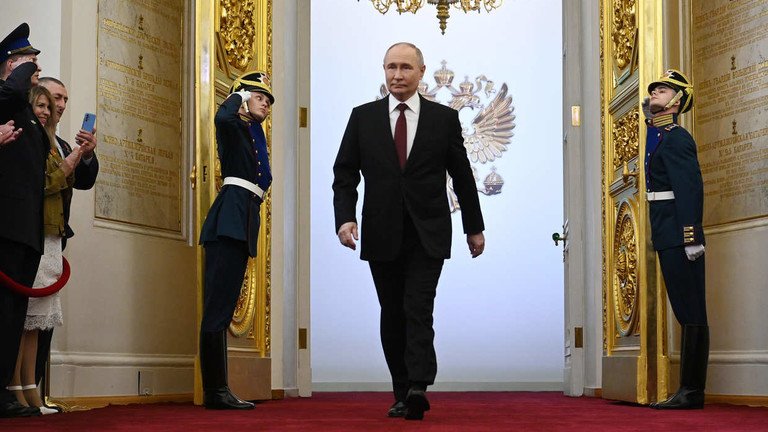
When he first took office, the Russian president was trying to integrate with the West, now the whole ball game has changed Fyodor Lukyanov May 30, 2024 The question of how Russia’s foreign policy will be managed during President Vladimir Putin’s new term seems redundant, if not irrelevant. The head of state is a man who has led the country in one form or another for almost a quarter of a century. He is known for his conservatism – not only in the ideological sense, but also in his aversion to sharp turns. Moreover, Russia is engaged in an intensive military campaign against an international coalition, and there is little point in making plans until it is over, and while its prospects are still unclear. The successful completion of this campaign remains a task of incomparable importance. Nevertheless, it is necessary to reflect on this issue. Firstly, all of the...
Toy-tanks-with-chess-on-chessboard.-Concept-of-military-strategy.-
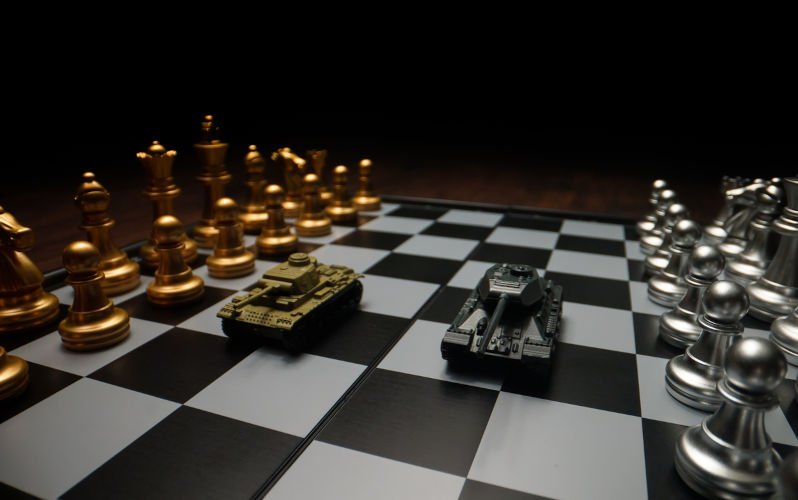
John Jiggens May 20, 2023 Imagine being Tony Blinken and facing the arduous responsibility as US Secretary of State to rule the globe! This seems a daunting task, but fortunately, Blinken doesn’t have to strain his brain too much because he has a manual already written to instruct him. Originally published by “Pearls and Irritations” This manual is called The Grand Chessboard. It tutors you to imagine the world as a giant chessboard, and imagine the countries of the world and their people as pieces on that giant chessboard. Countries are seen as pawns in a game like chess, a game of empires. As hegemon the US manipulates the pawns and occasionally strategically sacrifices them to advance its position. As well as pawns, there are some very powerful pieces on the global chessboard and as the US advances through Eurasia, they oppose the US as it pushes into their spheres...
Categories

Year

Author / Contributor

Region