

Added Responses to the Turkish Daily News

Added responses to questions of the Turkish Daily News (VIII/6/2003)

Question 16: What is your view of the current conditions of Greek/Turkish relations? Is the conflict likely to be resolved peacefully?

My impression of the current Turkish/Greek conflict is based on visits to both countries over the years. I was particularly convinced after a visit to Greece a few weeks ago to give some talks at two conferences that a sea change in the Greek approach to its relationship with Turkey had occurred. Previously Turkey had been a preoccupation of Greeks and Greece. Only several years earlier the sense of Greek grievance with respect to Turkey was always present in serious discussions, during which the participants often exhibited an obsessive concern with the allegedly illegal Turkish occupation of Northern Cyprus, but also were quite ready to discuss the Greek their highly emotional understanding of the events after World War I that led to the departure of most Greek inhabitants from Turkish territory and an elaborate arrangement for the transfer of population in both directions. Now Greek intellectual and political figures seem far less interested in the Cyprus conflict, and when it emerges in conversation, their views about its resolution are generally hopeful and balanced, being especially positive about the recent opening of the Cypriot borders leading to the surprisingly successful moves of Cypriots in both directions without any the violent incidents predicted by pessimists. On the Turkish side there seems a comparable shift in outlook, but it is less dramatic. The tensions with Greece were never as important to Turkey as the other way around, as Turkey had a range of other regional concerns, held most of the cards in relation to the Greek conflict, and was in fact a far bigger country with greater weight in international relations

Of course, in the realm of diplomacy, especially if over-laden with contradictory historical memories as is the case for Greece and Turkey and perceptions of fair solutions confused by intense nationalist pride on both sides there is still much room for slippage in the relationship. Diplomats in Turkey and Greece should not assume that the present window of opportunity will remain open forever. It is important to maintain the impression of forward momentum by taking further positive steps. If the Annan UN-backed plan for Cyprus seems too detailed and inflexible, then the Turkish government should come forward with specific responses or alternative ideas that seem sensitive to the concerns of sensitive and reasonable Greek officials. It needs to be appreciated that there will always be extremists on both sides that will never agree to a compromise, but for this reason it is more important than ever not to allow such views to shape the dynamics of diplomacy.

The secondary issues that have served as flashpoints in past Turkish/Greek relations, such as those involving security zones in the Aegean Sea, the territorial waters of Greek islands, the authority over and width of the continental shelf of the two countries in the Aegean, and the status of unoccupied islets, are manageable or not depending on the overall relationship between the two countries. If the bilateral relations are generally good, and the leadership in Ankara and Athens wants them to get better, then these Aegean problems can be handled by imaginative diplomacy to the satisfaction of both countries, but if the political climate is negative then any of these questions that seem technical and somewhat peripheral could flare up in a crisis and even become a casus belli between the two countries. Actually, Turkey and Greece have much common ground, geographically, culturally, and economically, and share an Eastern Mediterranean relationship to the growing relevance of a Greater Europe, a commonality that will become more pronounced as Turkey moves closer to European Union membership in the coming years. It is my further impression that for a variety of reasons the Greek mainstream political leadership believes it is more beneficial at this point to have Turkey within the EU than without. Of course, should Turkey find the European door slammed closed for whatever reason, it could turn toward its Central Asian hinterland, and embark on a Greater Turkey project that would be received as an unwelcome geopolitical turn by Turkey, but one that does not seem likely at this point.

If one moves from the level of political relations to that of human relations there is an impressive confirmation of my sense that a favorable wind blows in both countries at this time. In Greece with my Turkish wife, Hilal Elver, accentuated this observation. As soon as our Greek contacts discovered that Hilal was Turkish their faces lit up, and an additional surge of warmth and hospitality was exhibited. It was quite moving, and again different from my experience in earlier years where personal interactions among representatives of the two peoples could often, although not invariably, be as frosty as the diplomatic relations between the two countries. Both countries will be prominent on the global stage during 2003, Turkey with the Year of Turkey in Europe being celebrated and Greece with the summer Olympics. Would it not be a fine historical moment to celebrate a resolution of the Cyprus conflict? And would not such a resolution have an uplifting effect on future prospects for both of these great peoples?

17. What about the future of Turkey in relation to Europe? Will Turkey be welcomed into the EU in the years ahead? What are the visible and what are the invisible obstacles?

It is evident that the European pull on the Turkish future is strong at present. I think several forces are pulling Turkey in the same direction: the practical economic advantages about being part of the European market for goods, services, and labor; the important political benefits of having a European alternative to the sort of bilateral relationship with the United States that has so shaped Turkish security policy for the past several decades; and the enormous political and economic gains for domestic life in Turkey by accepting European guidelines on human rights, civil/military relations, democratic governing procedures, environmental safety, and fiscal and monetary policy. The self-disciplining influence of this European framework can help Turkey achieving its full potential as a sovereign state among states, giving Turkey a clearer image of its own positive future just as the recovery of the Ottoman heritage gives Turkey a better appreciation of its own positive past.

But there are obstacles to this optimistic picture, both internal and external obstacles. It may be that there exist strong internal pressures to resist the European guidelines either based on traditional ideas of the relevance of religion to the practice of politics, arising from anxieties that distinctive elements of Turkish cultural identity would be lost if Turkey becomes part of Europe, associated with a feared further fraying of relations with the United States, and arising from vested interests in the present arrangements of wealth and power, including even the operations of hyper-inflation, and a laughably debased currency. There may also be deep pockets of bureaucratic resistance to the European scenario associated with the prison system, the military establishment, parts of the civil service.

But the external obstacles seem no less daunting. Europe may impose such exacting requirements on Turkish entry as to make it impossible to comply, or it may interpret Turkish compliance as unsatisfactory in response to unacknowledged racist and discriminatory beliefs that exhibit discomfort at the prospect of having a country of more than 70 million Muslims in its midst. European identity is surely challenged by Turkey. Will Europe remain overwhelmingly Christian, with large non-Christian minorities, or will Europe become as cosmopolitan in its practices as its overall worldview claims to be? And how will European leaders and their citizens interpret the economic gains and losses of Turkish membership, increased labor and tourist mobility, as well as an enlargement that implicates Europe more directly in the future of the Middle East?

These are momentous issues whose resolution will affect deeply both Europe and the Middle East, as well as determine whether and to what extent Turkey pursues its Asian option, modifies its American relationship, affirms its Islamic identity, and shapes its domestic, regional, and global policy priorities and grand strategy in the coming years.
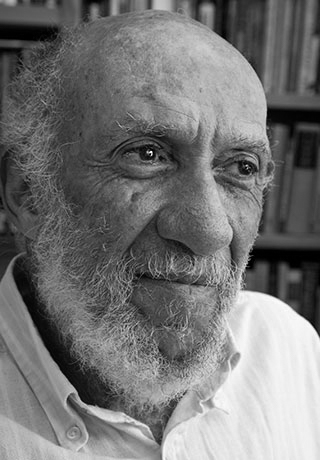

Professor Falk became an adviser to TFF when it was established in 1985.

Share

Leave a Reply

Your email address will not be published. Required fields are marked *

Related Posts

Jan Øberg behandler i artiklen en lang række faktorer, som ligger til grund for den måde vores samfund er organiseret på – og derfor også for konflikter. Artiklen introducerer således sammenhængen mellem familien, foreninger, regeringer, NGO’ er, nation, stat, nationalstat og alliancer for på denne måde bedre at kunne forstå konflikter og i sidste ende blive klogere mht. at løse disse. Øberg, der er fortaler for global bevidsthed, hvilket skal ses i lyset af den øgede globalisering, skelner mellem kulturkamp og kulturdialog. Endelig behandles begrebet magt og magtesløshed: giver magt ret til at udøve magt – fordi man mener at have ret? Litteraturliste og arbejdsspørgsmål efter artiklen. Ordene vi bruger om verden I satellitperspektiv kan man godt tale om den menneskelige familie eller menneskeheden. Udtrykket understreger, at der eksisterer – eller burde eksistere – et fællesskab fordi vi alle er mennesker og sammen bebor denne klode og ingen anden. Og...
Kapitel 2: Forskellige sider af Europa og USA…fortsat 2.5 Militære relationer I forbifarten har vi allerede sagt nogle ting om USA’s militære situation. Kig lige en gang til på afsnit 2.3. Nu skal vi uddybe det militære forhold mellem USA og EU. Der er en række ligheder mellem visse europæiske landes og USA’s militær. Næsten alle er med på en eller anden måde i NATO, direkte som medlem – selv Island, der ikke har et forsvar – eller indirekte i Partnerskab for Fred. USA og Canada er med i OSCE (på dansk OSSE), Organisationen for Sikkerhed og Samarbejde i Europa, der tæller over 50 lande. USA samt England og Frankrig er kernevåbenstater og de har styrker til intervention langt borte fra hjemlandet, om end USA’s er tifold større. Alle har også en omfattende våbeneksport og bruger den som et middel til at tjene penge og få loyale venner på, det...
Background Christian Harleman and Jan Oberg conducted a fact-finding mission to Burundi between November 26 and December 6, 2003. (See websites about the country here). The first TFF mission took place in March 1999. Unfortunately, since then it has not been practically possible to implement the co-operation with Burundi’s Ministry of Education and Burundian NGOs that was planned at the time. The 2003 mission had three purposes. First, to do fact-finding in general about the situation and, in particular, the progress under the Arusha Peace Process. Second, to explore the possibilities for co-operation between the government and relevant NGOs on the one hand and TFF on the other, in order to develop and deepen the existing competence in fields such as conflict-understanding, reconciliation and peace-building. Finally, third, to find out whether it would be possible, in co-operation with the Swedish Rescue Services Agency (Statens Räddningsverk), to establish a health care unit that...

Recent Articles

Jan Øberg behandler i artiklen en lang række faktorer, som ligger til grund for den måde vores samfund er organiseret på – og derfor også for konflikter. Artiklen introducerer således sammenhængen mellem familien, foreninger, regeringer, NGO’ er, nation, stat, nationalstat og alliancer for på denne måde bedre at kunne forstå konflikter og i sidste ende blive klogere mht. at løse disse. Øberg, der er fortaler for global bevidsthed, hvilket skal ses i lyset af den øgede globalisering, skelner mellem kulturkamp og kulturdialog. Endelig behandles begrebet magt og magtesløshed: giver magt ret til at udøve magt – fordi man mener at have ret? Litteraturliste og arbejdsspørgsmål efter artiklen. Ordene vi bruger om verden I satellitperspektiv kan man godt tale om den menneskelige familie eller menneskeheden. Udtrykket understreger, at der eksisterer – eller burde eksistere – et fællesskab fordi vi alle er mennesker og sammen bebor denne klode og ingen anden. Og...
Kapitel 2: Forskellige sider af Europa og USA…fortsat 2.5 Militære relationer I forbifarten har vi allerede sagt nogle ting om USA’s militære situation. Kig lige en gang til på afsnit 2.3. Nu skal vi uddybe det militære forhold mellem USA og EU. Der er en række ligheder mellem visse europæiske landes og USA’s militær. Næsten alle er med på en eller anden måde i NATO, direkte som medlem – selv Island, der ikke har et forsvar – eller indirekte i Partnerskab for Fred. USA og Canada er med i OSCE (på dansk OSSE), Organisationen for Sikkerhed og Samarbejde i Europa, der tæller over 50 lande. USA samt England og Frankrig er kernevåbenstater og de har styrker til intervention langt borte fra hjemlandet, om end USA’s er tifold større. Alle har også en omfattende våbeneksport og bruger den som et middel til at tjene penge og få loyale venner på, det...
Background Christian Harleman and Jan Oberg conducted a fact-finding mission to Burundi between November 26 and December 6, 2003. (See websites about the country here). The first TFF mission took place in March 1999. Unfortunately, since then it has not been practically possible to implement the co-operation with Burundi’s Ministry of Education and Burundian NGOs that was planned at the time. The 2003 mission had three purposes. First, to do fact-finding in general about the situation and, in particular, the progress under the Arusha Peace Process. Second, to explore the possibilities for co-operation between the government and relevant NGOs on the one hand and TFF on the other, in order to develop and deepen the existing competence in fields such as conflict-understanding, reconciliation and peace-building. Finally, third, to find out whether it would be possible, in co-operation with the Swedish Rescue Services Agency (Statens Räddningsverk), to establish a health care unit that...

TFF on Substack

Discover more from TFF Transnational Foundation & Jan Oberg.

Most Popular

Jan Øberg behandler i artiklen en lang række faktorer, som ligger til grund for den måde vores samfund er organiseret på – og derfor også for konflikter. Artiklen introducerer således sammenhængen mellem familien, foreninger, regeringer, NGO’ er, nation, stat, nationalstat og alliancer for på denne måde bedre at kunne forstå konflikter og i sidste ende blive klogere mht. at løse disse. Øberg, der er fortaler for global bevidsthed, hvilket skal ses i lyset af den øgede globalisering, skelner mellem kulturkamp og kulturdialog. Endelig behandles begrebet magt og magtesløshed: giver magt ret til at udøve magt – fordi man mener at have ret? Litteraturliste og arbejdsspørgsmål efter artiklen. Ordene vi bruger om verden I satellitperspektiv kan man godt tale om den menneskelige familie eller menneskeheden. Udtrykket understreger, at der eksisterer – eller burde eksistere – et fællesskab fordi vi alle er mennesker og sammen bebor denne klode og ingen anden. Og...
Kapitel 2: Forskellige sider af Europa og USA…fortsat 2.5 Militære relationer I forbifarten har vi allerede sagt nogle ting om USA’s militære situation. Kig lige en gang til på afsnit 2.3. Nu skal vi uddybe det militære forhold mellem USA og EU. Der er en række ligheder mellem visse europæiske landes og USA’s militær. Næsten alle er med på en eller anden måde i NATO, direkte som medlem – selv Island, der ikke har et forsvar – eller indirekte i Partnerskab for Fred. USA og Canada er med i OSCE (på dansk OSSE), Organisationen for Sikkerhed og Samarbejde i Europa, der tæller over 50 lande. USA samt England og Frankrig er kernevåbenstater og de har styrker til intervention langt borte fra hjemlandet, om end USA’s er tifold større. Alle har også en omfattende våbeneksport og bruger den som et middel til at tjene penge og få loyale venner på, det...
Background Christian Harleman and Jan Oberg conducted a fact-finding mission to Burundi between November 26 and December 6, 2003. (See websites about the country here). The first TFF mission took place in March 1999. Unfortunately, since then it has not been practically possible to implement the co-operation with Burundi’s Ministry of Education and Burundian NGOs that was planned at the time. The 2003 mission had three purposes. First, to do fact-finding in general about the situation and, in particular, the progress under the Arusha Peace Process. Second, to explore the possibilities for co-operation between the government and relevant NGOs on the one hand and TFF on the other, in order to develop and deepen the existing competence in fields such as conflict-understanding, reconciliation and peace-building. Finally, third, to find out whether it would be possible, in co-operation with the Swedish Rescue Services Agency (Statens Räddningsverk), to establish a health care unit that...
Read More
Imagen-thumbnail-The-Transnational-1
Jan Øberg behandler i artiklen en lang række faktorer, som ligger til grund for den måde vores samfund er organiseret på – og derfor også for konflikter. Artiklen introducerer således sammenhængen mellem familien, foreninger, regeringer, NGO’ er, nation, stat, nationalstat og alliancer for på denne måde bedre at kunne forstå konflikter og i sidste ende blive klogere mht. at løse disse. Øberg, der er fortaler for global bevidsthed, hvilket skal ses i lyset af den øgede globalisering, skelner mellem kulturkamp og kulturdialog. Endelig behandles begrebet magt og magtesløshed: giver magt ret til at udøve magt – fordi man mener at have ret? Litteraturliste og arbejdsspørgsmål efter artiklen. Ordene vi bruger om verden I satellitperspektiv kan man godt tale om den menneskelige familie eller menneskeheden. Udtrykket understreger, at der eksisterer – eller burde eksistere – et fællesskab fordi vi alle er mennesker og sammen bebor denne klode og ingen anden. Og...
Imagen-thumbnail-The-Transnational-1
Kapitel 2: Forskellige sider af Europa og USA…fortsat 2.5 Militære relationer I forbifarten har vi allerede sagt nogle ting om USA’s militære situation. Kig lige en gang til på afsnit 2.3. Nu skal vi uddybe det militære forhold mellem USA og EU. Der er en række ligheder mellem visse europæiske landes og USA’s militær. Næsten alle er med på en eller anden måde i NATO, direkte som medlem – selv Island, der ikke har et forsvar – eller indirekte i Partnerskab for Fred. USA og Canada er med i OSCE (på dansk OSSE), Organisationen for Sikkerhed og Samarbejde i Europa, der tæller over 50 lande. USA samt England og Frankrig er kernevåbenstater og de har styrker til intervention langt borte fra hjemlandet, om end USA’s er tifold større. Alle har også en omfattende våbeneksport og bruger den som et middel til at tjene penge og få loyale venner på, det...
Imagen-thumbnail-The-Transnational-1
Background Christian Harleman and Jan Oberg conducted a fact-finding mission to Burundi between November 26 and December 6, 2003. (See websites about the country here). The first TFF mission took place in March 1999. Unfortunately, since then it has not been practically possible to implement the co-operation with Burundi’s Ministry of Education and Burundian NGOs that was planned at the time. The 2003 mission had three purposes. First, to do fact-finding in general about the situation and, in particular, the progress under the Arusha Peace Process. Second, to explore the possibilities for co-operation between the government and relevant NGOs on the one hand and TFF on the other, in order to develop and deepen the existing competence in fields such as conflict-understanding, reconciliation and peace-building. Finally, third, to find out whether it would be possible, in co-operation with the Swedish Rescue Services Agency (Statens Räddningsverk), to establish a health care unit that...
Imagen-thumbnail-The-Transnational-1
Former UN Under-Secretary-General with special responsibility for peacekeeping operations TFF associate August 20, 2003 YRINGHAM, Mass.- Ralph Bunche was born in Detroit 100 years ago today (August 7, 2003). His passionate determination to get results did not extend to seeking credit for them, so his work is better remembered than he is. Of all his many accomplishments – civil rights pioneer, Nobel Peace Prize laureate, chief drafter of two chapters of the United Nations charter, negotiator of the armistices that ended the first Arab-Israeli war – Bunche said he was proudest of developing what came to be known as peacekeeping. Setting up the United Nations Truce Supervision Organization in Palestine in 1948, Bunche formulated the principles that have governed peacekeeping operations ever since. In the 1956 Suez crisis, working with Secretary General Dag Hammarskjold and Lester Pearson of Canada, he organized the first peacekeeping force, the United Nations Emergency Force...
– nästan 11 månader Till Sofia nästan 11 månader # 1  Till Sofias huvudsida Till alla Privata Foto-Serier
Till Sofias huvudsida