
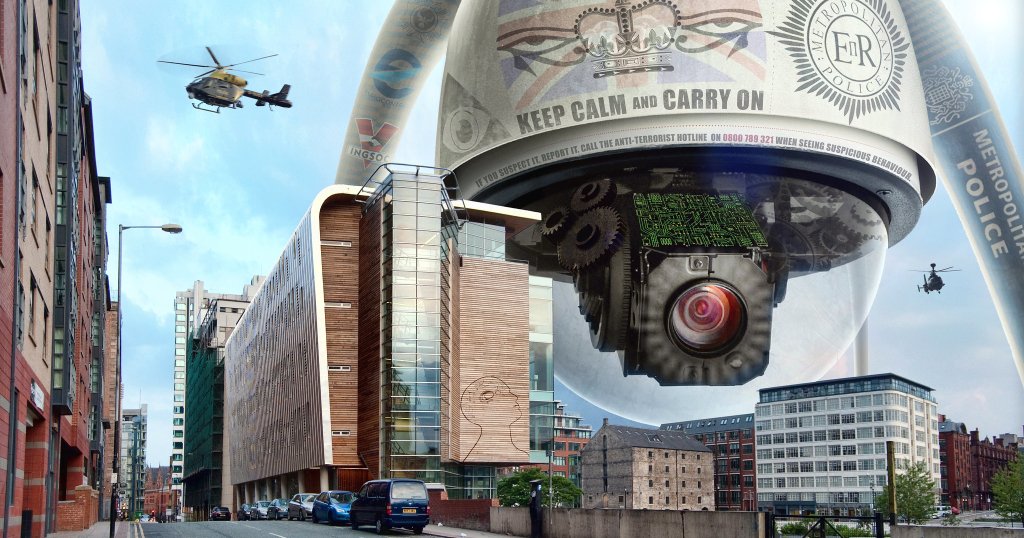
Normalising the exceptional as a serious security threat

Jørgen Johansen argues that, like terrorism before it, the Covid-19 pandemic is being used by politicians across the world to normalise exceptional restrictions on basic rights with political consequences that will long outlast the health emergency.

In his book State of Exception, Giorgio Agamben examined the consequences of policies and regulations introduced in exceptional circumstances, which then become institutionalised as ’normal’, the state of exception becomes the rule.

An illustration might be the USA’s Patriot Act of 2001, enacted after the 9/11 attack, which resulted in a massive expansion of government surveillance.

Likewise, the Guantanamo Bay detention camp set up in 2002 as part of George W. Bush’s war on terror, where detainees have been held for indefinite periods without trial and subjected to torture.

Originally published at rethinkingsecurity.org

Proponents of such exceptional measures justified them by reference to the extraordinary context in which they were introduced – they were deemed necessary to save the lives of tens of thousands of innocent people around the world.

But over time they have become ’normalised’, they have gained a certain level of acceptance as the state of emergency in which they were introduced has been prolonged.

Moreover, such practices have been ’extended’ to apply to other perceived threats. So we have learned of the many secret prisons set up by the CIA as part of the war on terror at black sites around the globe, where prisoners were subjected to regimes of torture that were in contravention of all the norms and regulations of international law.  

We have seen how the definition of acts of terror has expanded over time, until today it includes ‘economic terrorism’ – actions by transnational or non-state actors to disrupt the economic and financial stability of a state, as defined at a round-table held at the Geneva Centre for Security Policy in 2005. 

Such a broad definition, of course, helps legitimate the Israeli government’s attempts to undermine the global movement for boycott, divestment and sanctions (BDS) by branding such action a form of terrorism.

When a campaign urging us not to buy products from illegal settlements is defined as an act of terror we know we are in abnormal ‘normal times’.

Covid-19 and state surveillance

A similar ‘normalisation of the exceptional’ is now seen in the extreme means being used to track people infected by the virus leading to Covid-19. New tools developed by states and the surveillance industry have been approved and deemed necessary and legitimate by legislators, health professionals, scientific bodies and police forces around the world.  

A pandemic is by definition a global threat. As such it will dominate all sorts of media. As consumption of news from media without the traditional editorial responsibilities (so called ‘social media’) grows, and more serious outlets get a smaller audience, the information presented about the threats can often convey an unrealistic portrayal of the dangers involved.

Conspiracy theories flow freely around the web and are regularly backed up by re-tweets from state leaders and other people in influential positions.

The result is a fear that might be perceived as out-of-proportion compared with other causes of death.

And, of course, when people are afraid they are likely to accept ever-more infringements on their civil liberties as necessary, in order to keep the threats within reasonable limits.

We see politicians all over the world supporting a number of proposals for new legislation that directly threaten open and democratic societies.

What they have got approval to use in these times of political panic will certainly be used for very different purposes in the future.

Secret services and special police forces in many countries are employing huge programmes for mobile data tracking, apps to record personal contact with others, CCTV networks equipped with facial recognition,forms to be completed before you can go outside, and drones to enforce social isolation regimes.

Such methods have been adopted by authoritarian states and democracies alike and have opened lucrative new markets for companies that extract, sell, and analyse private data.

Some even brag about it. In a Washington Post  op-ed (20 April 2020), Mark Zuckerberg from Facebook referred to an opt-in symptom survey being shown on Facebook that could help researchers at Carnegie Mellon University to forecast Covid-19 cases, based on location.

If successful, the project would offer county-by-county insights and be eminently useful to public health officials and hospitals that need to prepare for potential surges in patients.

Surely such extraordinary surveillance is justified if it helps control and manage the virus?

Exceptionalism and technology

But history is full of cases where extraordinary situations have opened the doors to the use of exceptional means, and they have a tendency to stick with our societies long into the future. New means of control easily become normalised, and get used in situations and circumstances far removed from those anticipated at the time of their introduction.

The problem with normalising the exceptional arises in particular when the technology and associated rules of use are applied to political surveillance. Then it becomes a threat to all sorts of social movements, political campaigns and nonviolent actions.

Looking back in history we can just imagine the consequences of these powerful surveillance tools in the hands of Hitler, Mussolini, Mao, Stalin or the apartheid regime in South Africa.

Who knows how the political map of the world will change over the next few decades?

Throughout Europe and beyond there are neo-fascist, ultra-nationalist political movements emerging – Jobbik in Hungary, National Revival of Poland, the Lega in Italy, Vox in Spain and similar parties marching in the streets in far too many countries around the world.

Parliaments full of Alternative für Deutschland-type politicians seem certain to employ the surveillance systems developed to track and trace Covid-19 cases as a means of tackling their political opponents and critics.

Contact tracing might be helpful to map contagious diseases, but what about when it is used for mapping activist networks of today and the future?

With right-wing populist politicians marching and entering so many parliaments in the world there is a difficult task ahead to prevent the same tools from being used to identify ‘troublemakers’ who do not share their views of how society should be organised.

It is in theory impossible to un-invent a tool or prevent it from being used for a different purpose than originally intended.

Biopolitics and freedom

The seeds of an upsurge in the enduring conflict between ‘effective policing’ and the protection of civil rights, individual integrity, and political freedom are being laid by well-meaning liberal and democratic-minded politicians who uncritically endorse new legislation and associated technologies that can easily be misused.

We need to think seriously about how to make these tools less open to misuse.

In this endeavour we should bear in mind the cautionary insight of the German sociologist Max Weber regarding the cultural consequences of secularisation and the advance of scientific rationality.

His concern was that as we freed ourselves from traditional world-views and associated mumbo-jumbo there was an accompanying impoverishment of our world – the loss of that sense of wonder at supernatural forces beyond our control, the loss of magic.

In other words, as we advanced our capacity to control our environment, the iron cage of rationality becomes ever-more confining and restricting.

Might we see a comparable process in play at the moment – as we take steps to free ourselves from the fear of the virus, we strengthen the iron cage of surveillance and elite-control?

We need to have an open discussion about how to make these tools less open to misuse. The systems may be hard to scale back after the pandemic, but some steps might be taken:

  • Emergency legislation must be in place only for a short period of time and then ended.
  • Data collected and stored should be made anonymous and later deleted completely.
  • Independent commissions should have full access to the process and ensure that the rules are followed as transparently as possible.

Without some serious actions taken to prevent exploitation of the hasty decisions taken in panic this spring, the first half of 2020 will be remembered in future history books not for a pandemic but for the rise of new surveillance mechanisms globally.

Originally published at rethinkingsecurity.org
Share

Leave a Reply

Your email address will not be published. Required fields are marked *

Related Posts

Officially, the drones were not identified. By simply thinking critically – which journalists and selected experts no longer do – there may be a good reason for that. And this article will never be mentioned in Denmark… Drones over Denmark. No damage. No trace. No answers. Yet the headlines scream “Russian threat,” and Prime Minister Mette Frederiksen speaks with a certainty that defies logic: “We don’t know they were Russian—but we know Russia is the biggest threat to Europe.” It could be nobody else – unless you make an interest analysis which I did two days ago. This is not security policy. It’s theatre. And the audience is being played. Let’s rewind. These drones—unphotographed, untracked, unclaimed—appear and vanish like ghosts. Airports shut down. Panic spreads. Military budgets swell. And the narrative hardens: Russia is behind it. But what if that’s not just wrong but deliberately misleading? Here’s a hypothesis for...
And why the world, especially the EU, must now declare itself independent of the United States. UN’s 80th anniversary This year, the United Nations celebrates the 80th anniversary of its founding. The UN was formed after the scourge of the Second World War, in which 70 to 85 million people were killed and many countries were destroyed. That war came on the heels of the First World War, which also killed between 15 and 22 million people. After the Second World War, especially after the use of nuclear weapons by the United States, which marked a turning point in the history of warfare that could result in the end of civilisation as we know it, humanity decided to move away from the era of empires and big power politics and usher in a new era of peace, freedom and cooperation. These were the principles enshrined in the UN Charter. The United States...
Drones over Nordic airports. No damage. No trace. No answers. Most assume Russia—but what if that’s not so? Why is there so much we are not told? This article explores the strategic ambiguity behind recent drone incursions and asks: Who else might benefit from sending drones into NATO airspace? From Ukraine’s surprising drone supremacy to Russia’s possible signalling, the silence itself may be the loudest message. These are the kinds of questions decent, intelligent investigative journalists and commentators could easily research. Why don’t they? Did you, dear reader, know or think of this? That the most powerful weapon in today’s conflicts might be the one that leaves no trace – and no answers. Just enough fear to justify the next move? Recently, drones have repeatedly appeared over Nordic airports and near some military facilities. They cause no damage – for which reason the designation “hybrid attack” is misleading but serves a purpose. These...

Recent Articles

PressInfo # 141, December 21, 2001It’s time to prepare reconciliation between Albanians and Serbs PressInfo # 140, December 14, 2001Ibrahim Rugova’s decade-long leadership in Kosovo/a PressInfo # 139, 11. december, 2001En god nyhet: Jugoslaviens Sannings- och försoningskommission PressInfo # 139, 11. december, 2001Gode nyheder: Jugoslaviens Sandheds- og Forsoningskommission PressInfo # 139, December 11, 2001Good news: Yugoslavia’s Truth and Reconciliation Commission PressInfo # 138, November 8, 2001TFF co-founder PhD with thesis about young people with roots in other cultures PressInfo # 138, November 8, 2001TFF:s medstiftare doktor på avhandling om unga med ursprung i andra kulturer PressInfo # 137, October 17, 2001A new Marshall Plan: Advancing human security and controlling terrorism PressInfo # 136, October 15, 2001The UN and Annan really deserve it PressInfo # 135, October 10, 2001Preventing a terrorist mushroom cloud PressInfo # 134, 17 oktober, 2001Sverige og 11. september PressInfo # 134, October 9, 2001Sweden and September 11...
Peace is promoted by constructive proposals and dialogue Four preceding PressInfos have expressed concern over — and criticised — the ongoing, militarisation of the EU. Some will say: but there are no alternatives. We believe that there are always alternatives, that democracies are characterised by alternatives and choice, and that openly discussed alternatives will improve the quality and legitimacy of society’s decision–making. In addition, it is an intellectual and moral challenge to not only criticise but also be constructive. If we only tell people that we think they are wrong, they are not likely to listen. However, if we say: what are your views on this set of ideas and steps? — we may sometimes engage them in dialogue and sow a seed. Most people in power circles live their daily lives in in a time frame and a social space where certain ideas, viewpoints and concepts are just not...
Photos © TFF 2000 Read PressInfo 90 “Lift the Sanctions and Bring More Aid to Yugoslavia” See Pictures from Belgrade © TFF 2000 Please reprint, copy, archive, quote or re-post this item, but please retain the source.

TFF on Substack

Discover more from TFF Transnational Foundation & Jan Oberg.

Most Popular

PressInfo # 141, December 21, 2001It’s time to prepare reconciliation between Albanians and Serbs PressInfo # 140, December 14, 2001Ibrahim Rugova’s decade-long leadership in Kosovo/a PressInfo # 139, 11. december, 2001En god nyhet: Jugoslaviens Sannings- och försoningskommission PressInfo # 139, 11. december, 2001Gode nyheder: Jugoslaviens Sandheds- og Forsoningskommission PressInfo # 139, December 11, 2001Good news: Yugoslavia’s Truth and Reconciliation Commission PressInfo # 138, November 8, 2001TFF co-founder PhD with thesis about young people with roots in other cultures PressInfo # 138, November 8, 2001TFF:s medstiftare doktor på avhandling om unga med ursprung i andra kulturer PressInfo # 137, October 17, 2001A new Marshall Plan: Advancing human security and controlling terrorism PressInfo # 136, October 15, 2001The UN and Annan really deserve it PressInfo # 135, October 10, 2001Preventing a terrorist mushroom cloud PressInfo # 134, 17 oktober, 2001Sverige og 11. september PressInfo # 134, October 9, 2001Sweden and September 11...
Peace is promoted by constructive proposals and dialogue Four preceding PressInfos have expressed concern over — and criticised — the ongoing, militarisation of the EU. Some will say: but there are no alternatives. We believe that there are always alternatives, that democracies are characterised by alternatives and choice, and that openly discussed alternatives will improve the quality and legitimacy of society’s decision–making. In addition, it is an intellectual and moral challenge to not only criticise but also be constructive. If we only tell people that we think they are wrong, they are not likely to listen. However, if we say: what are your views on this set of ideas and steps? — we may sometimes engage them in dialogue and sow a seed. Most people in power circles live their daily lives in in a time frame and a social space where certain ideas, viewpoints and concepts are just not...
Photos © TFF 2000 Read PressInfo 90 “Lift the Sanctions and Bring More Aid to Yugoslavia” See Pictures from Belgrade © TFF 2000 Please reprint, copy, archive, quote or re-post this item, but please retain the source.
Read More
Imagen-thumbnail-The-Transnational-1
PressInfo # 141, December 21, 2001It’s time to prepare reconciliation between Albanians and Serbs PressInfo # 140, December 14, 2001Ibrahim Rugova’s decade-long leadership in Kosovo/a PressInfo # 139, 11. december, 2001En god nyhet: Jugoslaviens Sannings- och försoningskommission PressInfo # 139, 11. december, 2001Gode nyheder: Jugoslaviens Sandheds- og Forsoningskommission PressInfo # 139, December 11, 2001Good news: Yugoslavia’s Truth and Reconciliation Commission PressInfo # 138, November 8, 2001TFF co-founder PhD with thesis about young people with roots in other cultures PressInfo # 138, November 8, 2001TFF:s medstiftare doktor på avhandling om unga med ursprung i andra kulturer PressInfo # 137, October 17, 2001A new Marshall Plan: Advancing human security and controlling terrorism PressInfo # 136, October 15, 2001The UN and Annan really deserve it PressInfo # 135, October 10, 2001Preventing a terrorist mushroom cloud PressInfo # 134, 17 oktober, 2001Sverige og 11. september PressInfo # 134, October 9, 2001Sweden and September 11...
Imagen-thumbnail-The-Transnational-1
Peace is promoted by constructive proposals and dialogue Four preceding PressInfos have expressed concern over — and criticised — the ongoing, militarisation of the EU. Some will say: but there are no alternatives. We believe that there are always alternatives, that democracies are characterised by alternatives and choice, and that openly discussed alternatives will improve the quality and legitimacy of society’s decision–making. In addition, it is an intellectual and moral challenge to not only criticise but also be constructive. If we only tell people that we think they are wrong, they are not likely to listen. However, if we say: what are your views on this set of ideas and steps? — we may sometimes engage them in dialogue and sow a seed. Most people in power circles live their daily lives in in a time frame and a social space where certain ideas, viewpoints and concepts are just not...
Imagen-thumbnail-The-Transnational-1
Photos © TFF 2000 Read PressInfo 90 “Lift the Sanctions and Bring More Aid to Yugoslavia” See Pictures from Belgrade © TFF 2000 Please reprint, copy, archive, quote or re-post this item, but please retain the source.
Imagen-thumbnail-The-Transnational-1
Av FRANK SØHOLM GREVIL 16 augusti 2004  Vi er nu nået til tredje akt i det absurde teaterstykke, der i analogi med de store skueprocesser i Moskva 1936-38 er blevet døbt ‘Grevil-sagen’. Første akt bestod i min anonyme fremlæggelse af egenhændigt nedklassificerede rapporter i Berlingske Tidende i februar og marts. Andet akt udgjordes af min fremtræden med navn og billede i Information i april samt den efterfølgende mediestorm, som uden min direkte medvirken kostede en forsvarsminister taburetten samt en sigtelse for brud på tavshedspligten. Tredje akt bliver en retssag, hvor jeg står tiltalt for at have overtrådt straffelovens bestemmelser om uberettiget videregivelse eller udnyttelse af fortrolige oplysninger. Statsanklageren har ovenikøbet valgt at påberåbe sig særligt skærpende omstændigheder. Da jeg aldrig har modtaget betaling for at stille rapporterne til rådighed eller lade mig interviewe, må det skærpende bestå i, at “videregivelsen eller udnyttelsen er sket under sådanne omstændigheder, at det påfører...
Imagen-thumbnail-The-Transnational-1
Af Svenska Irakkommittén mot de Ekonomiska Sanktionerna (SIES) 13 september 2002 FN:s ekonomiska sanktioner mot Irak har nu pågått i tolv år och drabbat det irakiska folket med svåra lidanden. Enligt FN:s egna siffror har mer än 1,5 miljoner människor, varav ca 600 000 barn, dött som en direkt följd av sanktionerna. Dessutom har ett lågintensivt bombkrig mot landet pågått under dessa år. Av all denna förödelse- orsakad huvudsakligen av amerikansk och brittisk politik- har Saddam Husseins brutala och diktatoriska regim snarast stärkts än försvagats. Nu förbereder USA under president Bushs ledning ett storskaligt bombkrig mot Irak som kommer att innebära ett ännu större lidande för civilbefolkningen. Ett sådant krig kommer dessutom att ytterligare undergräva freden och säkerheten i världen. Att upprätta en demokratisk regim i Irak är det irakiska folkets angelägenhet och får enligt folkrätten inte ske med krigshandlingar utifrån. Folkrätten och FN:s stadgar måste respekteras. Vi vädjar till...


