
PressInfo #166 - The West does notunderstand Iraq:Perhaps we need anintellectual Intifada?
Generic thumbnail

The demonising of the enemy before the war is intense. The Swedish media, for instance, take for granted that a war against Iraq will take place. No alternatives to war are mentioned. Iraq has become a synonym for Saddam Hussein in the Swedish media, leaving 23 million human beings in oblivion. Iraq as a society and culture, from now on, belongs to the zone of silence.

It is above all very important that not even the tiniest element of humanness affects our perception of the country. Iraqis must not be pictured as human beings, mothers, fathers, children with hopes and fears, poverty or wealth. We must only imagine Saddam and his palaces that we will pulverize in a technological inferno. None of the potential consequences of a full-fledged war are being discussed. Millions of refugees; tens of thousands of dead and injured (both Iraqis and Americans, especially if chemical weapons are used); environmental disaster; a sky rocketing price of oil; possible spreading of the conflict to Israel-Palestine; the need for hundreds of billions of dollars for reconstruction that could take ten or even twenty years; eventual partition of Iraq in three; war in Turkey against the Kurds; and so on. Can anyone guarantee that none of that will happen?

No, we are supposed to accept the war because it will bring democracy, peace, stability, a market economy and gender equity. But then not a word about the possibility that it is all about taking control of Iraq’s oil, not to mention the oil of Saudi Arabia, who is no longer a reliable ally.

Thanks to TFF’s e-mail services, all the relevant Swedish media know that our team is one of the few in the Nordic region to have been there. But not a single one of them thought that it would be interesting to do an interview. TFF is against the war, and has provided propositions for a non-violent resolution of the conflict, in other words, the “wrong” point of view. Instead, journalists from various media sources (including “Dagens Eko”) call us up because they want to know how to travel there and get a visa, which hotel to stay in and how dangerous it is. Unfortunately, we are not a travel agency.

Bush wants to make us think that all is black in Iraq and that all is white in the United States, that it is the bad guys threatening the good guys. Most of the people who believe that do not have the intellectual capacity to see more than a two-fold matrix when what we need is a four-fold matrix: there are good things and bad things in Iraq just like there are good things and bad things in the United States and in the West.

According to that logic, because they are the evil ones, all that we do is by definition good. That way, we are free to impose several unilateral demands on Iraq (the United States will not promise anything in return), and if Iraq does not comply it has made its own choice to be bombed. So the West has no responsibility whatsoever for what it does or how it chooses to influence and answer to Iraq’s politics.

The Swedish Foreign Minister Anna Lindh is getting dangerously close to that war-legitimising logic in a recent TT telegram following her meeting with Iraq’s Foreign Minister at the UN: “Iraq must give access to all facilities, and I insist to all facilities. I pointed out that the responsibility is now in the Iraqi camp – – it is up to them to decide if military actions will be taken or not.” Literally, this means that the United States and Sweden are thereby no longer responsible for their own actions. Even if we unilaterally dictate the conditions, Saddam alone is responsible for our actions.

This is obviously philosophical nonsense and it is totally immoral. Such reasoning could only be plausible if there were a pre-established mutual agreement about the rules of the game. It is absurd to claim that the US is not responsible for the decision to bomb or not. It has the freedom to choose to do something other than war. To cling to such views is to distance oneself from one’s moral responsibility, not to mention eventually closing the borders to the traumatised Iraqis who will begin to come knocking on our doors after the war.

In addition to the actual substance of the conflict we have a gigantic communication problem with prejudice, stereotypes and huge differences in the meaning of words. Above all, we have a Christian and a Muslim political fundamentalism that match one another perfectly.

Ofra Begio’s book “Saddam’s Word; Political Discourse in Iraq” is an extremely useful tool for those who want to understand the influence of culture and language on this conflict. Among many other things, what I have learned from Begio is that the Arabic language, through its politeness, ceremony, its talking around the core of the matter, and its many repetitions with tiny differences is very suitable for both diplomatic and manipulative purposes. Further, the line between rhetoric and action is rather fuzzy in the Arabic language. Rhetoric can be so powerful that, when repeated many times and with sufficient energy, a threat of war can replace a real war. It has a collective self-absorbing function. Arabic, spoken by Saddam, is full of code words and references to concrete past events that lead individuals to interpret their own situation in a historical context.

Let us for example take the word “intifada”, which became known during the first intifada in Palestine in 1987. An Arabic dictionary from the 15th Century defines the word as “Give me a stone so that I can save my soul with it.” The word describes a situation in which one runs from an oppressor and tries to keep him at distance by throwing stones. It became a core concept in the Iraqi Baath party ideology during the 1960’s. Little by little, the meaning of the word changed to “uprising,” to “make a revolution,” to “lead Iraq towards unity, socialism and freedom.” The word intifada was also used in the context of the invasion of Kuwait. It was argued that the invasion was in support of the Kuwaiti intifada against the corrupted Sabah family, Kuwait’s sovereign dynasty.

Another example is the concept of “thawra.” It is associated with “revolutionism” but has become synonym with the highest, almost holy order in society. The word can mean war or fight, but it can also mean to get the cows moving and drinking water. Other meanings of that word are “a fight against a foreign occupying power” or “a coup against one’s own regime if it is corrupted.” When the Iraqi people have had enough of war, revolutions, coups and political murders the political content of the concept of thawra was oriented towards “the highest good,”towards order and stability rather than change.

In Arabic, words have a ‘magical’ and emotional connotation that we do not really understand in the West. There is nothing really magical about what comes out of the mouth of our politicians. Arabic is an ocean of meanings, associations and images. It is said about the Arabs that they like words for their own sake, for the sake of poetry, sound and eloquence. One can listen to people talk for hours without even saying anything, it sounds so beautiful, just like music. From what I understand, where we draw a sharp line between abstractions, description of reality and fantasy, Arab countries do not make such clear distinctions.

Such a language is perfectly shaped for manipulation. Whoever is in power can decide that a certain word will now have a new nuance and represent something that is not clearly understood by all. For example, the word “yellow” can appear harmless but it was used politically in reference to the Mongol invasion 800 years ago and about Iran during the war. Words are thus not only symbolic but they are also charged emotionally: they enhance the mobilisation of strong positive or negative feelings of belonging against “the others.”

What we can be sure of is that what the Iraqis are saying in this ongoing pie throwing contest with the West is a lot more sophisticated than it seems to be in the English translation. We should not believe that all the rhetoric and statements about war and combat are in fact meant as concrete war declarations: they can downright replace them. By saying this or that and repeating it often enough, the promised actions do not always have to be actually taken. It is the case for example with all the speeches on Arab unity that concludes all Arab States meetings.

One may hope that the war rhetoric of the United States and Iraq will lead to similar results. But I fear that we understand each other’s culture so little that we are on the course of collision. Perhaps what we need is an intellectual and moral intifada in the entire Western world to stop the war against Iraq!

Translation from Swedish

Jean-Francois Drolet
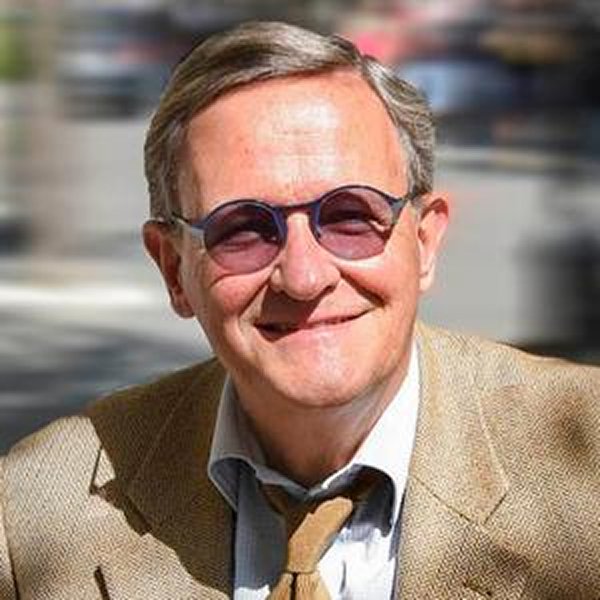
© TFF 2002

Peace & future researcher + ‌Art Photographer

Share

Related Posts

Jan Øberg behandler i artiklen en lang række faktorer, som ligger til grund for den måde vores samfund er organiseret på – og derfor også for konflikter. Artiklen introducerer således sammenhængen mellem familien, foreninger, regeringer, NGO’ er, nation, stat, nationalstat og alliancer for på denne måde bedre at kunne forstå konflikter og i sidste ende blive klogere mht. at løse disse. Øberg, der er fortaler for global bevidsthed, hvilket skal ses i lyset af den øgede globalisering, skelner mellem kulturkamp og kulturdialog. Endelig behandles begrebet magt og magtesløshed: giver magt ret til at udøve magt – fordi man mener at have ret? Litteraturliste og arbejdsspørgsmål efter artiklen. Ordene vi bruger om verden I satellitperspektiv kan man godt tale om den menneskelige familie eller menneskeheden. Udtrykket understreger, at der eksisterer – eller burde eksistere – et fællesskab fordi vi alle er mennesker og sammen bebor denne klode og ingen anden. Og...
Kapitel 2: Forskellige sider af Europa og USA…fortsat 2.5 Militære relationer I forbifarten har vi allerede sagt nogle ting om USA’s militære situation. Kig lige en gang til på afsnit 2.3. Nu skal vi uddybe det militære forhold mellem USA og EU. Der er en række ligheder mellem visse europæiske landes og USA’s militær. Næsten alle er med på en eller anden måde i NATO, direkte som medlem – selv Island, der ikke har et forsvar – eller indirekte i Partnerskab for Fred. USA og Canada er med i OSCE (på dansk OSSE), Organisationen for Sikkerhed og Samarbejde i Europa, der tæller over 50 lande. USA samt England og Frankrig er kernevåbenstater og de har styrker til intervention langt borte fra hjemlandet, om end USA’s er tifold større. Alle har også en omfattende våbeneksport og bruger den som et middel til at tjene penge og få loyale venner på, det...
Background Christian Harleman and Jan Oberg conducted a fact-finding mission to Burundi between November 26 and December 6, 2003. (See websites about the country here). The first TFF mission took place in March 1999. Unfortunately, since then it has not been practically possible to implement the co-operation with Burundi’s Ministry of Education and Burundian NGOs that was planned at the time. The 2003 mission had three purposes. First, to do fact-finding in general about the situation and, in particular, the progress under the Arusha Peace Process. Second, to explore the possibilities for co-operation between the government and relevant NGOs on the one hand and TFF on the other, in order to develop and deepen the existing competence in fields such as conflict-understanding, reconciliation and peace-building. Finally, third, to find out whether it would be possible, in co-operation with the Swedish Rescue Services Agency (Statens Räddningsverk), to establish a health care unit that...

Recent Articles

Jan Øberg behandler i artiklen en lang række faktorer, som ligger til grund for den måde vores samfund er organiseret på – og derfor også for konflikter. Artiklen introducerer således sammenhængen mellem familien, foreninger, regeringer, NGO’ er, nation, stat, nationalstat og alliancer for på denne måde bedre at kunne forstå konflikter og i sidste ende blive klogere mht. at løse disse. Øberg, der er fortaler for global bevidsthed, hvilket skal ses i lyset af den øgede globalisering, skelner mellem kulturkamp og kulturdialog. Endelig behandles begrebet magt og magtesløshed: giver magt ret til at udøve magt – fordi man mener at have ret? Litteraturliste og arbejdsspørgsmål efter artiklen. Ordene vi bruger om verden I satellitperspektiv kan man godt tale om den menneskelige familie eller menneskeheden. Udtrykket understreger, at der eksisterer – eller burde eksistere – et fællesskab fordi vi alle er mennesker og sammen bebor denne klode og ingen anden. Og...
Kapitel 2: Forskellige sider af Europa og USA…fortsat 2.5 Militære relationer I forbifarten har vi allerede sagt nogle ting om USA’s militære situation. Kig lige en gang til på afsnit 2.3. Nu skal vi uddybe det militære forhold mellem USA og EU. Der er en række ligheder mellem visse europæiske landes og USA’s militær. Næsten alle er med på en eller anden måde i NATO, direkte som medlem – selv Island, der ikke har et forsvar – eller indirekte i Partnerskab for Fred. USA og Canada er med i OSCE (på dansk OSSE), Organisationen for Sikkerhed og Samarbejde i Europa, der tæller over 50 lande. USA samt England og Frankrig er kernevåbenstater og de har styrker til intervention langt borte fra hjemlandet, om end USA’s er tifold større. Alle har også en omfattende våbeneksport og bruger den som et middel til at tjene penge og få loyale venner på, det...
Background Christian Harleman and Jan Oberg conducted a fact-finding mission to Burundi between November 26 and December 6, 2003. (See websites about the country here). The first TFF mission took place in March 1999. Unfortunately, since then it has not been practically possible to implement the co-operation with Burundi’s Ministry of Education and Burundian NGOs that was planned at the time. The 2003 mission had three purposes. First, to do fact-finding in general about the situation and, in particular, the progress under the Arusha Peace Process. Second, to explore the possibilities for co-operation between the government and relevant NGOs on the one hand and TFF on the other, in order to develop and deepen the existing competence in fields such as conflict-understanding, reconciliation and peace-building. Finally, third, to find out whether it would be possible, in co-operation with the Swedish Rescue Services Agency (Statens Räddningsverk), to establish a health care unit that...

TFF on Substack

Discover more from TFF Transnational Foundation & Jan Oberg.

Most Popular

Jan Øberg behandler i artiklen en lang række faktorer, som ligger til grund for den måde vores samfund er organiseret på – og derfor også for konflikter. Artiklen introducerer således sammenhængen mellem familien, foreninger, regeringer, NGO’ er, nation, stat, nationalstat og alliancer for på denne måde bedre at kunne forstå konflikter og i sidste ende blive klogere mht. at løse disse. Øberg, der er fortaler for global bevidsthed, hvilket skal ses i lyset af den øgede globalisering, skelner mellem kulturkamp og kulturdialog. Endelig behandles begrebet magt og magtesløshed: giver magt ret til at udøve magt – fordi man mener at have ret? Litteraturliste og arbejdsspørgsmål efter artiklen. Ordene vi bruger om verden I satellitperspektiv kan man godt tale om den menneskelige familie eller menneskeheden. Udtrykket understreger, at der eksisterer – eller burde eksistere – et fællesskab fordi vi alle er mennesker og sammen bebor denne klode og ingen anden. Og...
Kapitel 2: Forskellige sider af Europa og USA…fortsat 2.5 Militære relationer I forbifarten har vi allerede sagt nogle ting om USA’s militære situation. Kig lige en gang til på afsnit 2.3. Nu skal vi uddybe det militære forhold mellem USA og EU. Der er en række ligheder mellem visse europæiske landes og USA’s militær. Næsten alle er med på en eller anden måde i NATO, direkte som medlem – selv Island, der ikke har et forsvar – eller indirekte i Partnerskab for Fred. USA og Canada er med i OSCE (på dansk OSSE), Organisationen for Sikkerhed og Samarbejde i Europa, der tæller over 50 lande. USA samt England og Frankrig er kernevåbenstater og de har styrker til intervention langt borte fra hjemlandet, om end USA’s er tifold større. Alle har også en omfattende våbeneksport og bruger den som et middel til at tjene penge og få loyale venner på, det...
Background Christian Harleman and Jan Oberg conducted a fact-finding mission to Burundi between November 26 and December 6, 2003. (See websites about the country here). The first TFF mission took place in March 1999. Unfortunately, since then it has not been practically possible to implement the co-operation with Burundi’s Ministry of Education and Burundian NGOs that was planned at the time. The 2003 mission had three purposes. First, to do fact-finding in general about the situation and, in particular, the progress under the Arusha Peace Process. Second, to explore the possibilities for co-operation between the government and relevant NGOs on the one hand and TFF on the other, in order to develop and deepen the existing competence in fields such as conflict-understanding, reconciliation and peace-building. Finally, third, to find out whether it would be possible, in co-operation with the Swedish Rescue Services Agency (Statens Räddningsverk), to establish a health care unit that...
Read More
Imagen-thumbnail-The-Transnational-1
Jan Øberg behandler i artiklen en lang række faktorer, som ligger til grund for den måde vores samfund er organiseret på – og derfor også for konflikter. Artiklen introducerer således sammenhængen mellem familien, foreninger, regeringer, NGO’ er, nation, stat, nationalstat og alliancer for på denne måde bedre at kunne forstå konflikter og i sidste ende blive klogere mht. at løse disse. Øberg, der er fortaler for global bevidsthed, hvilket skal ses i lyset af den øgede globalisering, skelner mellem kulturkamp og kulturdialog. Endelig behandles begrebet magt og magtesløshed: giver magt ret til at udøve magt – fordi man mener at have ret? Litteraturliste og arbejdsspørgsmål efter artiklen. Ordene vi bruger om verden I satellitperspektiv kan man godt tale om den menneskelige familie eller menneskeheden. Udtrykket understreger, at der eksisterer – eller burde eksistere – et fællesskab fordi vi alle er mennesker og sammen bebor denne klode og ingen anden. Og...
Imagen-thumbnail-The-Transnational-1
Kapitel 2: Forskellige sider af Europa og USA…fortsat 2.5 Militære relationer I forbifarten har vi allerede sagt nogle ting om USA’s militære situation. Kig lige en gang til på afsnit 2.3. Nu skal vi uddybe det militære forhold mellem USA og EU. Der er en række ligheder mellem visse europæiske landes og USA’s militær. Næsten alle er med på en eller anden måde i NATO, direkte som medlem – selv Island, der ikke har et forsvar – eller indirekte i Partnerskab for Fred. USA og Canada er med i OSCE (på dansk OSSE), Organisationen for Sikkerhed og Samarbejde i Europa, der tæller over 50 lande. USA samt England og Frankrig er kernevåbenstater og de har styrker til intervention langt borte fra hjemlandet, om end USA’s er tifold større. Alle har også en omfattende våbeneksport og bruger den som et middel til at tjene penge og få loyale venner på, det...
Imagen-thumbnail-The-Transnational-1
Background Christian Harleman and Jan Oberg conducted a fact-finding mission to Burundi between November 26 and December 6, 2003. (See websites about the country here). The first TFF mission took place in March 1999. Unfortunately, since then it has not been practically possible to implement the co-operation with Burundi’s Ministry of Education and Burundian NGOs that was planned at the time. The 2003 mission had three purposes. First, to do fact-finding in general about the situation and, in particular, the progress under the Arusha Peace Process. Second, to explore the possibilities for co-operation between the government and relevant NGOs on the one hand and TFF on the other, in order to develop and deepen the existing competence in fields such as conflict-understanding, reconciliation and peace-building. Finally, third, to find out whether it would be possible, in co-operation with the Swedish Rescue Services Agency (Statens Räddningsverk), to establish a health care unit that...
Imagen-thumbnail-The-Transnational-1
Former UN Under-Secretary-General with special responsibility for peacekeeping operations TFF associate August 20, 2003 YRINGHAM, Mass.- Ralph Bunche was born in Detroit 100 years ago today (August 7, 2003). His passionate determination to get results did not extend to seeking credit for them, so his work is better remembered than he is. Of all his many accomplishments – civil rights pioneer, Nobel Peace Prize laureate, chief drafter of two chapters of the United Nations charter, negotiator of the armistices that ended the first Arab-Israeli war – Bunche said he was proudest of developing what came to be known as peacekeeping. Setting up the United Nations Truce Supervision Organization in Palestine in 1948, Bunche formulated the principles that have governed peacekeeping operations ever since. In the 1956 Suez crisis, working with Secretary General Dag Hammarskjold and Lester Pearson of Canada, he organized the first peacekeeping force, the United Nations Emergency Force...
– nästan 11 månader Till Sofia nästan 11 månader # 1  Till Sofias huvudsida Till alla Privata Foto-Serier
Till Sofias huvudsida
