
The Unconquerable World

Book Review

The Unconquerable World: Power, Nonviolence, and the Will of the People. By Jonathan Schell. New York: Metropolitan Books (Henry Holt and Co.). 412 pp. $27.50.

Ever since his earliest days as a writer, more than three decades ago, Jonathan Schell has had an uncanny ability to depict public preoccupations in an arresting manner. His superb journalistic coverage of the Vietnam War for The New Yorker later published as The Village of Ben Suc, remains to this day the best battlefield account of the war, and a classic in its genre. But Schell’s worldwide fame was established back in 1982 with the publication of The Fate of the Earth, an eloquent disquisition on the unsustainability of the nuclear arms standoff at the core of the cold war. As with all his work Schell has a special gift for articulating the most urgent concerns of the day in a prose that is accessible to the general reader, and yet several cuts above standard journalistic treatments.

Undoubtedly, The Unconquerable World, is Schell’s most ambitious, and over time, will be regarded as his most significant work. Although it can be read as a timely and provocative commentary on the militarization of American foreign policy during the Bush presidency, its concerns run far deeper, challenging the strong linkage between national security and war that has dominated both political consciousness and international relations for centuries. The timeliness of the book is accentuated by the American response to September 11 attacks, which is premised on the widely shared view, especially in this country, that the US Government had no alternative to war in dealing with the al Qaeda challenge. The book mounts the most impressive argument ever made that there exists a viable and desirable alternative to a continued reliance on war, and that the failure to seize this opportunity will bring catastrophic results to America and the world.

The book is infused with the Gandhian ethos of nonviolence as theory and practice, and yet Schell tells us that although he had wondered whether the process of writing this book had turned him into a pacifist, he decides not: “Perhaps I simply lacked the strength for that exacting discipline…The difficulty of the creed was not the root of the word, pax, but its suffix ist-suggesting that one rule was valid for all situations.” But more significantly, he adds, a preoccupation with an unconditional renunciation of violence is not integral to his argument, which is to insist that there exists a “growing presence, nourished by historical events, of an alternative” to war, explicating and persuasively linking his inquiry with that of his greatest forebear, William James, and his advocacy of “the moral equivalent of war.” Schell invokes the analogy of world order before World War I, arguing that we are moving ever closer to a precipice similar to that of 1914, but with far more dire consequences because of the existence and spread of weaponry of mass destruction, especially nuclear weaponry. In this sense, The Unconquerable World, offers us a suggestive blend of hope and despair. In Schell’s words, “[a]rms and man have both changed in ways that, even as they imperil us as never before, have created a chance for peace that is greater than ever before.”

It is intriguing to note that President George Bush uses almost identical language in a signed introduction to the important White House document The National Security Strategy of the United States of America, issued in 2002: “Today, the international community has the best chance since the rise of the nation-state in the seventeenth century to build a world where the great powers compete in peace instead of continually prepare for war.” The Bush vision, and vision it is, depends crucially on sustaining indefinitely American military dominance along with promising eventual victory in the ongoing war against terrorism. Peace is established in the spirit of what Charles Krauthammer has dubbed “the unipolar era,” and what more and more observers here and abroad are describing with praise or foreboding as America’s “global empire.” Such a geopolitics of warmaking has been recently moralized by Jean Bethke Elstain in her book on “just war.”

As might be surmised, Schell views such a course of action and thought as disastrous, leading to a cycle of escalating violence, of new rivalries among sovereign states, and of leading to an eventual catastrophic war fought with weaponry of mass destruction. His path to peace is based on the degree to which social change and the resolution of conflict can be achieved by an embrace of nonviolent tactics and ideas, combined with his assessment that a combination of nuclear weaponry and “people’s war” has rendered war essentially obsolete as a rational political instrument. The most fascinating portions of the book present Schell’s evidence for rethinking history from a nonviolent perspective, arguing that dramatic and unpredictable changes have been often managed without a violent challenge to the established order. In other words, our war-mindedness is a consequence of a massive dose of cultural brainwashing.

Schell brilliantly depicts some of the great revolutionary upheavals, including the Glorious Revolution in England, as well as the French and Russian Revolutions from this angle, showing that these revolutions were themselves mainly nonviolent, and it only was their aftermath that turned out to be so bloody. In many respects, Schell’s real gurus are the architects of resistance in Eastern Europe, especially Václav Havel, Adam Michnik, and George Konrád, whose ideas and related movements brought totalitarian regimes to their knees by nonviolent cooperative action. He is also astute in describing the collapse of the Soviet Union, and the miraculous, almost bloodness, transformation of apartheid South Africa. In addition to the leverage that can be achieved by various forms of nonviolent struggle, Schell emphasizes the ethos of self-determination as moving the post-colonial world in the direction of a voluntary relationships between state and society, giving rise to encouraging global trends toward democratization

Where does this lead? Just as Schell explains his non-adherence to pacificism, he also eschews the other end of the idealistic spectrum: world government. Instead, he proposes “[a] revolution against violence-loosely coordinated, multiform, flexible, based on common principles and a common goal rather than on a common blueprint.” Aside from an innovative “league of democratic states,” Schell’s specific proposals follow familiar lines of global reform: disarmament, human rights, strengthening of international law and the United Nations, and giving priority to overcoming world poverty and reversing environmental decay. Schell’s essential idea, following Gandhi, is that it is indispensable to link the renunciation of violence to an integral engagement with positive action to overcome the main grievances afflicting humankind.

There is no question that Jonathan Schell has provided us with an extraordinary counter-text to the prevailing American mood tying our future prospects to success in wars and the related belief that the only way to “peace” is by establishing global dominance in a form that is so intimidating as to render challenge futile. What is missing from Schell’s prescriptions, and perhaps too difficult to expect, is how to get there from where we are, some sort of “road map” for a future nonviolent world order that is persuasive to mainstream citizens. The Unconquerable World is a wonderfully researched and analyzed moral tract, but devoid of a politics that is any way linked to the realities of power and opinion in America. Possibly, the millions who demonstrated throughout the world on February 15 against the Iraq War represent a constituency that will build the sort of movement that could give political backbone to Schell’s moral agenda.

Even if there is no practical fulfillment of Schell’s ideas for security and world order, his book at the very least belongs on the very narrow shelf of classic studies of alternatives to the war system. It deserves a serious reading by all of us who seek realistic hope for the future. It is likely to be inspirational for the increasing numbers of people who are becoming dedicated to minimizing reliance on violence in addressing the most vital issues of our time. This book has a great potential to help young Americans to become engaged and hopeful about the future, and through their commitment possibly to discover the political path that Schell himself has yet to find..
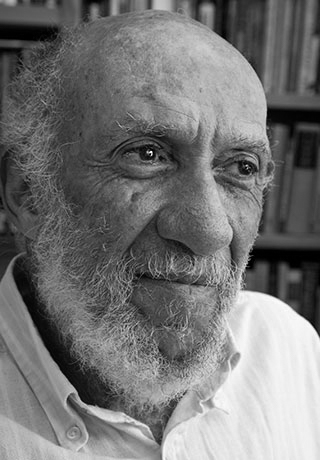

Professor Falk became an adviser to TFF when it was established in 1985.

Share

Leave a Reply

Your email address will not be published. Required fields are marked *

Related Posts

We know that medical personnel have failed to report to higher authorities wounds that were clearly caused by torture and that they have neglected to take steps to interrupt this torture. In addition, they have turned over prisoners’ medical records to interrogators who could use them to exploit the prisoners’ weaknesses or vulnerabilities. We have not yet learned the extent of medical involvement in delaying and possibly falsifying the death certificates of prisoners who have been killed by torturers. A May 22 article on Abu Ghraib in the New York Times states that “much of the evidence of abuse at the prison came from medical documents” and that records and statements “showed doctors and medics reporting to the area of the prison where the abuse occurred several times to stitch wounds, tend to collapsed prisoners or see patients with bruised or reddened genitals.” http://www.truthout.org/docs_04/080604J.shtml#16 According to the article, two doctors who...
Jan Øberg behandler i artiklen en lang række faktorer, som ligger til grund for den måde vores samfund er organiseret på – og derfor også for konflikter. Artiklen introducerer således sammenhængen mellem familien, foreninger, regeringer, NGO’ er, nation, stat, nationalstat og alliancer for på denne måde bedre at kunne forstå konflikter og i sidste ende blive klogere mht. at løse disse. Øberg, der er fortaler for global bevidsthed, hvilket skal ses i lyset af den øgede globalisering, skelner mellem kulturkamp og kulturdialog. Endelig behandles begrebet magt og magtesløshed: giver magt ret til at udøve magt – fordi man mener at have ret? Litteraturliste og arbejdsspørgsmål efter artiklen. Ordene vi bruger om verden I satellitperspektiv kan man godt tale om den menneskelige familie eller menneskeheden. Udtrykket understreger, at der eksisterer – eller burde eksistere – et fællesskab fordi vi alle er mennesker og sammen bebor denne klode og ingen anden. Og...
Kapitel 2: Forskellige sider af Europa og USA…fortsat 2.5 Militære relationer I forbifarten har vi allerede sagt nogle ting om USA’s militære situation. Kig lige en gang til på afsnit 2.3. Nu skal vi uddybe det militære forhold mellem USA og EU. Der er en række ligheder mellem visse europæiske landes og USA’s militær. Næsten alle er med på en eller anden måde i NATO, direkte som medlem – selv Island, der ikke har et forsvar – eller indirekte i Partnerskab for Fred. USA og Canada er med i OSCE (på dansk OSSE), Organisationen for Sikkerhed og Samarbejde i Europa, der tæller over 50 lande. USA samt England og Frankrig er kernevåbenstater og de har styrker til intervention langt borte fra hjemlandet, om end USA’s er tifold større. Alle har også en omfattende våbeneksport og bruger den som et middel til at tjene penge og få loyale venner på, det...

Recent Articles

We know that medical personnel have failed to report to higher authorities wounds that were clearly caused by torture and that they have neglected to take steps to interrupt this torture. In addition, they have turned over prisoners’ medical records to interrogators who could use them to exploit the prisoners’ weaknesses or vulnerabilities. We have not yet learned the extent of medical involvement in delaying and possibly falsifying the death certificates of prisoners who have been killed by torturers. A May 22 article on Abu Ghraib in the New York Times states that “much of the evidence of abuse at the prison came from medical documents” and that records and statements “showed doctors and medics reporting to the area of the prison where the abuse occurred several times to stitch wounds, tend to collapsed prisoners or see patients with bruised or reddened genitals.” http://www.truthout.org/docs_04/080604J.shtml#16 According to the article, two doctors who...
Jan Øberg behandler i artiklen en lang række faktorer, som ligger til grund for den måde vores samfund er organiseret på – og derfor også for konflikter. Artiklen introducerer således sammenhængen mellem familien, foreninger, regeringer, NGO’ er, nation, stat, nationalstat og alliancer for på denne måde bedre at kunne forstå konflikter og i sidste ende blive klogere mht. at løse disse. Øberg, der er fortaler for global bevidsthed, hvilket skal ses i lyset af den øgede globalisering, skelner mellem kulturkamp og kulturdialog. Endelig behandles begrebet magt og magtesløshed: giver magt ret til at udøve magt – fordi man mener at have ret? Litteraturliste og arbejdsspørgsmål efter artiklen. Ordene vi bruger om verden I satellitperspektiv kan man godt tale om den menneskelige familie eller menneskeheden. Udtrykket understreger, at der eksisterer – eller burde eksistere – et fællesskab fordi vi alle er mennesker og sammen bebor denne klode og ingen anden. Og...
Kapitel 2: Forskellige sider af Europa og USA…fortsat 2.5 Militære relationer I forbifarten har vi allerede sagt nogle ting om USA’s militære situation. Kig lige en gang til på afsnit 2.3. Nu skal vi uddybe det militære forhold mellem USA og EU. Der er en række ligheder mellem visse europæiske landes og USA’s militær. Næsten alle er med på en eller anden måde i NATO, direkte som medlem – selv Island, der ikke har et forsvar – eller indirekte i Partnerskab for Fred. USA og Canada er med i OSCE (på dansk OSSE), Organisationen for Sikkerhed og Samarbejde i Europa, der tæller over 50 lande. USA samt England og Frankrig er kernevåbenstater og de har styrker til intervention langt borte fra hjemlandet, om end USA’s er tifold større. Alle har også en omfattende våbeneksport og bruger den som et middel til at tjene penge og få loyale venner på, det...

TFF on Substack

Discover more from TFF Transnational Foundation & Jan Oberg.

Most Popular

We know that medical personnel have failed to report to higher authorities wounds that were clearly caused by torture and that they have neglected to take steps to interrupt this torture. In addition, they have turned over prisoners’ medical records to interrogators who could use them to exploit the prisoners’ weaknesses or vulnerabilities. We have not yet learned the extent of medical involvement in delaying and possibly falsifying the death certificates of prisoners who have been killed by torturers. A May 22 article on Abu Ghraib in the New York Times states that “much of the evidence of abuse at the prison came from medical documents” and that records and statements “showed doctors and medics reporting to the area of the prison where the abuse occurred several times to stitch wounds, tend to collapsed prisoners or see patients with bruised or reddened genitals.” http://www.truthout.org/docs_04/080604J.shtml#16 According to the article, two doctors who...
Jan Øberg behandler i artiklen en lang række faktorer, som ligger til grund for den måde vores samfund er organiseret på – og derfor også for konflikter. Artiklen introducerer således sammenhængen mellem familien, foreninger, regeringer, NGO’ er, nation, stat, nationalstat og alliancer for på denne måde bedre at kunne forstå konflikter og i sidste ende blive klogere mht. at løse disse. Øberg, der er fortaler for global bevidsthed, hvilket skal ses i lyset af den øgede globalisering, skelner mellem kulturkamp og kulturdialog. Endelig behandles begrebet magt og magtesløshed: giver magt ret til at udøve magt – fordi man mener at have ret? Litteraturliste og arbejdsspørgsmål efter artiklen. Ordene vi bruger om verden I satellitperspektiv kan man godt tale om den menneskelige familie eller menneskeheden. Udtrykket understreger, at der eksisterer – eller burde eksistere – et fællesskab fordi vi alle er mennesker og sammen bebor denne klode og ingen anden. Og...
Kapitel 2: Forskellige sider af Europa og USA…fortsat 2.5 Militære relationer I forbifarten har vi allerede sagt nogle ting om USA’s militære situation. Kig lige en gang til på afsnit 2.3. Nu skal vi uddybe det militære forhold mellem USA og EU. Der er en række ligheder mellem visse europæiske landes og USA’s militær. Næsten alle er med på en eller anden måde i NATO, direkte som medlem – selv Island, der ikke har et forsvar – eller indirekte i Partnerskab for Fred. USA og Canada er med i OSCE (på dansk OSSE), Organisationen for Sikkerhed og Samarbejde i Europa, der tæller over 50 lande. USA samt England og Frankrig er kernevåbenstater og de har styrker til intervention langt borte fra hjemlandet, om end USA’s er tifold større. Alle har også en omfattende våbeneksport og bruger den som et middel til at tjene penge og få loyale venner på, det...
Read More
Imagen-thumbnail-The-Transnational-1
We know that medical personnel have failed to report to higher authorities wounds that were clearly caused by torture and that they have neglected to take steps to interrupt this torture. In addition, they have turned over prisoners’ medical records to interrogators who could use them to exploit the prisoners’ weaknesses or vulnerabilities. We have not yet learned the extent of medical involvement in delaying and possibly falsifying the death certificates of prisoners who have been killed by torturers. A May 22 article on Abu Ghraib in the New York Times states that “much of the evidence of abuse at the prison came from medical documents” and that records and statements “showed doctors and medics reporting to the area of the prison where the abuse occurred several times to stitch wounds, tend to collapsed prisoners or see patients with bruised or reddened genitals.” http://www.truthout.org/docs_04/080604J.shtml#16 According to the article, two doctors who...
Imagen-thumbnail-The-Transnational-1
Jan Øberg behandler i artiklen en lang række faktorer, som ligger til grund for den måde vores samfund er organiseret på – og derfor også for konflikter. Artiklen introducerer således sammenhængen mellem familien, foreninger, regeringer, NGO’ er, nation, stat, nationalstat og alliancer for på denne måde bedre at kunne forstå konflikter og i sidste ende blive klogere mht. at løse disse. Øberg, der er fortaler for global bevidsthed, hvilket skal ses i lyset af den øgede globalisering, skelner mellem kulturkamp og kulturdialog. Endelig behandles begrebet magt og magtesløshed: giver magt ret til at udøve magt – fordi man mener at have ret? Litteraturliste og arbejdsspørgsmål efter artiklen. Ordene vi bruger om verden I satellitperspektiv kan man godt tale om den menneskelige familie eller menneskeheden. Udtrykket understreger, at der eksisterer – eller burde eksistere – et fællesskab fordi vi alle er mennesker og sammen bebor denne klode og ingen anden. Og...
Imagen-thumbnail-The-Transnational-1
Kapitel 2: Forskellige sider af Europa og USA…fortsat 2.5 Militære relationer I forbifarten har vi allerede sagt nogle ting om USA’s militære situation. Kig lige en gang til på afsnit 2.3. Nu skal vi uddybe det militære forhold mellem USA og EU. Der er en række ligheder mellem visse europæiske landes og USA’s militær. Næsten alle er med på en eller anden måde i NATO, direkte som medlem – selv Island, der ikke har et forsvar – eller indirekte i Partnerskab for Fred. USA og Canada er med i OSCE (på dansk OSSE), Organisationen for Sikkerhed og Samarbejde i Europa, der tæller over 50 lande. USA samt England og Frankrig er kernevåbenstater og de har styrker til intervention langt borte fra hjemlandet, om end USA’s er tifold større. Alle har også en omfattende våbeneksport og bruger den som et middel til at tjene penge og få loyale venner på, det...
Imagen-thumbnail-The-Transnational-1
Background Christian Harleman and Jan Oberg conducted a fact-finding mission to Burundi between November 26 and December 6, 2003. (See websites about the country here). The first TFF mission took place in March 1999. Unfortunately, since then it has not been practically possible to implement the co-operation with Burundi’s Ministry of Education and Burundian NGOs that was planned at the time. The 2003 mission had three purposes. First, to do fact-finding in general about the situation and, in particular, the progress under the Arusha Peace Process. Second, to explore the possibilities for co-operation between the government and relevant NGOs on the one hand and TFF on the other, in order to develop and deepen the existing competence in fields such as conflict-understanding, reconciliation and peace-building. Finally, third, to find out whether it would be possible, in co-operation with the Swedish Rescue Services Agency (Statens Räddningsverk), to establish a health care unit that...
Imagen-thumbnail-The-Transnational-1
Former UN Under-Secretary-General with special responsibility for peacekeeping operations TFF associate August 20, 2003 YRINGHAM, Mass.- Ralph Bunche was born in Detroit 100 years ago today (August 7, 2003). His passionate determination to get results did not extend to seeking credit for them, so his work is better remembered than he is. Of all his many accomplishments – civil rights pioneer, Nobel Peace Prize laureate, chief drafter of two chapters of the United Nations charter, negotiator of the armistices that ended the first Arab-Israeli war – Bunche said he was proudest of developing what came to be known as peacekeeping. Setting up the United Nations Truce Supervision Organization in Palestine in 1948, Bunche formulated the principles that have governed peacekeeping operations ever since. In the 1956 Suez crisis, working with Secretary General Dag Hammarskjold and Lester Pearson of Canada, he organized the first peacekeeping force, the United Nations Emergency Force...
– nästan 11 månader Till Sofia nästan 11 månader # 1  Till Sofias huvudsida Till alla Privata Foto-Serier