
The Cold War Ideas of March

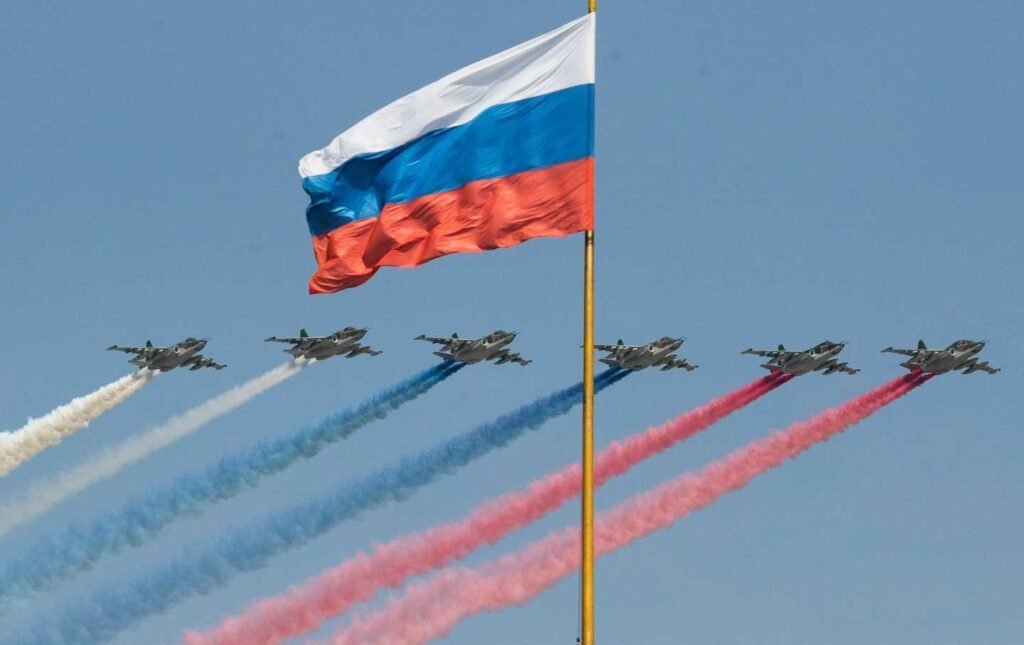
Russian Air Force Su-25 jets fly past the Russian flag on the Kremlin complex during a rehearsal for the Victory Day military parade in Moscow, Friday, May 4, 2018. (AP Photo / Pavel Golovkin)

US Cold Warriors escalate toward actual war with Russia.

By Stephen F. Cohen

March 26, 2019

The John Batchelor Show, March 20, 2019

Heedless of the consequences, or perhaps welcoming them, America’s Cold Warriors and their media platforms have recently escalated their rhetoric against Russia, especially in March.

Anyone who has lived through or studied the preceding 40-year Cold War will recognize the ominous echoes of its most dangerous periods, when actual war was on the horizon or a policy option.

Originally published by The Nation on March 20, 2019 here

Here are only a few random but representative examples:

§ In a March 8 Washington Post opinion article, two American professors, neither with any apparent substantive knowledge of Russia or Cold War history, warned that the Kremlin is trying “to undermine our trust in the institutions that sustain a strong nation and a strong democracy. The media, science, academia and the electoral process are all regular targets.” Decades ago, J. Edgar Hoover, the policeman of that Cold War, said the same, indeed made it an operational doctrine.

§ Nor is the purported threat to America only. According to (retired) Gen. David Petraeus and sitting Senator Sheldon Whitehouse, also in the Post on the following day, the “world is once again polarized between two competing visions for how to organize society.” For Putin’s Kremlin, “the existence of the United States’ rule-of-law world is intrinsically threatening.” This is an “intensifying worldwide struggle.” So much for those who dismissed post–Soviet Russia as merely a “regional” power, including former President Barack Obama, and for the myopic notion that a new Cold War was not possible.

§ But the preceding Cold War was driven by an intense ideological conflict between Soviet Communism and Western capitalism. Where is the ideological threat today, considering that post–Soviet Russia is also a capitalist country? In a perhaps unprecedented nearly 10,000-word manifesto from March 14 in the front news pages of (again) the Post, Robert Kagan provided the answer: “Today, authoritarianism has emerged as the great challenge facing the liberal democratic world—a profound ideological, as well as strategic, challenge.”

That is, “authoritarianism” has replaced Soviet Communism in our times, with Russia again in the forefront.

The substance of Kagan’s “authoritarianism” as “an ideological force” is thin, barely enough for a short opinion article, often inconsistent and rarely empirical. It amounts to a batch of “strongman” leaders (prominently Putin, of course), despite their very different kinds of societies, political cultures, states, and histories, and despite their different nationalisms and ruling styles.

Still, credit Kagan’s ambition to be the undisputed ideologist of the new American Cold War, though less the Post for taking the voluminous result so seriously.

The 40-year Cold War often flirted with hot war, and that, too, seems to be on the agenda. Words, as Russians say, are also deeds. They have consequences, especially when uttered by people of standing in influential outlets. Again, consider a few examples that might reasonably be considered warmongering:

§ The journal Foreign Policy found space for disgraced former Georgian president Mikhail Saakashvili to declare: “It is not a question of whether [Putin] will attack, but where.” (Saakashvili may be the most discredited “democratic” leader of recent times, having brought the West close to war with Russia in 2008 and since having had to flee his own country and then decamp even from US-backed Ukraine.)

§ NBC News, a reliable source of Cold War frenzy, reported, based on Estonian “intelligence,” an equally persistent source of the same mania, that “Russia is most likely to attack the Baltic States first, but a conflict between Russia and NATO would involve attacks on Western Europe.”

§ Also in March, in The Economist, another retired general, Ben Hodges, onetime commander of the US army in Europe, echoes that apocalyptic perspective: “This is not just about NATO’s eastern front.” (Readers may wish to note that “eastern front” is the designation given by Nazi Germany to its 1941 invasion of Soviet Russia. Russians certainly remember.)

§ Plenty of influential American Cold War zealots seem eager to respond to the bugle charge, among them John E. Herbst, a stalwart at the Atlantic Council (NATO’s agitprop “think tank” in Washington), and the Post’s deputy editorial-page editor, Jackson Diehl. Both want amply armed US and NATO warships sent to what Russians sometimes call their bordering “lakes,” the Sea of Azov and the Black Sea. To do so would likely mean the “war” NBC envisages.

Lest readers think all this is merely the “chattering” of opinion-makers, as Aleksandr Solzhenitsyn once termed it, consider a summary of legislation being prepared by a bipartisan US Senate committee, pointedly titled and with a fearsome acronym, DASKA (the Defending American Security from Kremlin Aggression Act of 2019).

Again, Russia is ritualistically accused of “malign influence” and “aggression” around the world, the quality of the committee’s thinking succinctly expressed by one of the Republican senators: “Putin’s Russia is an outlaw regime that is hell-bent on undermining international law and destroying the US-led liberal global order.” There is no evidence for these allegations – Russian policy-makers are constantly citing international law, and the US “liberal global order,” if it ever existed, has done a fine job of undoing itself—but with “an outlaw regime,” there can be no diplomacy, nor do the senators propose any, only war.

A recurring theme of my recently published book War with Russia? is that the new Cold War is more dangerous, more fraught with hot war, than the one we survived.

All of the above amply confirms that thesis, but there is more. Histories of the 40-year US-Soviet Cold War tell us that both sides came to understand their mutual responsibility for the conflict, a recognition that created political space for the constant peace-keeping negotiations, including nuclear arms control agreements, often known as détente.

But as I also chronicle in the book, today’s American Cold Warriors blame only Russia, specifically “Putin’s Russia,” leaving no room or incentive for rethinking any US policy toward post-Soviet Russia since 1991. (See, for example, Nataliya Bugayova’s recent piece for the Institute for the Study of War.)

Still more, as I have also long pointed out, Moscow closely follows what is said and written in the United States about US-Russian relations. Here too words have consequences.

On March 14, Russia’s National Security Council, headed by President Putin, officially raised its perception of American intentions toward Russia from “military dangers” (opasnosti) to direct “military threats” (ugrozy). In short, the Kremlin is preparing for war, however defensive its intention.

Finally, there continues to be no effective, organized American opposition to the new Cold War. This too is a major theme of my book and another reason why this Cold War is more dangerous than was its predecessor. In the 1970s and 1980s, advocates of détente were well-organized, well-funded, and well-represented, from grassroots politics and universities to think tanks, mainstream media, Congress, the State Department, and even the White House. Today there is no such opposition anywhere.

A major factor is, of course, “Russiagate.”

As evidenced in the sources I cite above, much of the extreme American Cold War advocacy we witness today is a mindless response to President Trump’s pledge to find ways to “cooperate with Russia” and to the still-unproven allegations generated by it. Certainly, the Democratic Party is not an opposition party in regard to the new Cold War.

Nancy Pelosi, the leader of its old guard, needlessly initiated an address to Congress by NATO’s secretary general, in April, which will be viewed in Moscow as a provocation. She also decried as “appalling” Trump’s diplomacy with Russian President Putin, whom she dismissed as a “thug.” Such is the state of statesmanship today in the Democratic Party.

Originally published by The Nation on March 20, 2019 here

Its shining new pennies seem little different. Beto O’Rourke, now a declared candidate for the Democratic presidential nomination, promises to lead our “indispensable country,” an elite conceit that has inspired many US wars and cold wars.

Another fledgling would-be Democratic leader, Alexandria Ocasio-Cortez, seems to have bought into Russiagate’s iconic promotion of US intelligence agencies, tweeting on January 12, “The FBI had to open inquiry on whether the most powerful person in the United States is actually working for Russia.”

Evidently, neither she nor O’Rourke understand that growing Cold War is incompatible with progressive policies at home, in America or in Russia.

Among Democrats, there is one exception, Representative Tulsi Gabbard, who is also a declared candidate for the Democratic presidential nomination. Not surprisingly, for lamenting Russiagate’s contribution to the worsening new Cold War and calling for new approaches to Russia itself, Gabbard was shrilly and misleadingly slurred by NBC News. (For a defense of Gabbard, see Glenn Greenwald in The Intercept.)

Herself a veteran of the US military forces, Representative Gabbard soldiers on, the only would-be Democratic president calling for an end to this most dangerous new Cold War.

This commentary is based on Stephen F. Cohen’s most recent weekly discussion with the host of The John Batchelor Show. Now in their fifth year, previous installments are at TheNation.com.
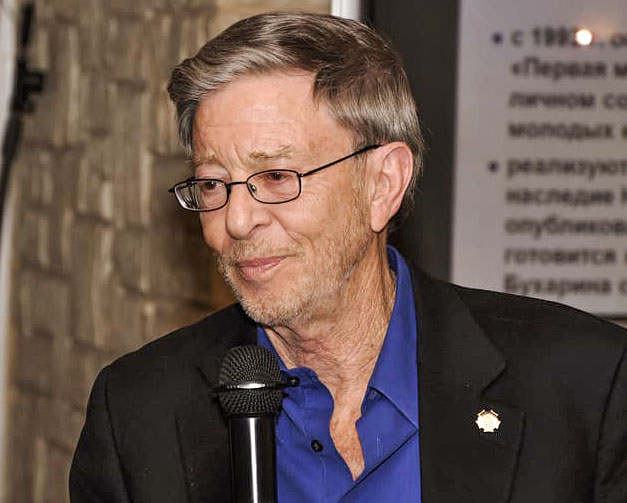
Professor Stephen F. Cohen

Stephen F. Cohen is a professor emeritus of Russian studies, history, and politics at New York University and Princeton University. A Nation contributing editor, he is the author, most recently, of War With Russia? From Putin & Ukraine to Trump & Russiagate.

Share

Leave a Reply

Your email address will not be published. Required fields are marked *

Related Posts

Drones over Nordic airports. No damage. No trace. No answers. Most assume Russia—but what if that’s not so? Why is there so much we are not told? This article explores the strategic ambiguity behind recent drone incursions and asks: Who else might benefit from sending drones into NATO airspace? From Ukraine’s surprising drone supremacy to Russia’s possible signalling, the silence itself may be the loudest message. These are the kinds of questions decent, intelligent investigative journalists and commentators could easily research. Why don’t they? Did you, dear reader, know or think of this? That the most powerful weapon in today’s conflicts might be the one that leaves no trace – and no answers. Just enough fear to justify the next move? Recently, drones have repeatedly appeared over Nordic airports and near some military facilities. They cause no damage – for which reason the designation “hybrid attack” is misleading but serves a purpose. These...
America’s Strategic Assault on Art, Academia, and the Imagination That Sustains Peace The United States once stood as a beacon of cultural audacity—a place where dissent could be beautiful, and beauty and innovation could challenge the present order of things. Its museums, universities, and artists helped inspire a worldwide imagination rooted in creative freedom and innovation. But today, under the Trump regime’s second term, those dynamic qualities are being systematically dismantled. Just read this. As Trump goes after the arts, many museums remain silent | CNN As CNN reports, the administration has launched an aggressive campaign to “eradicate improper ideology” from federally funded museums. Exhibitions involving race, gender, and identity are being censored or cancelled. Amy Sherald’s reimagining of the Statue of Liberty as a Black, trans woman was pulled from the Smithsonian after curators objected to its symbolism. Sherald warned that “history shows us what happens when governments demand loyalty...
A slightly modified version of a text published on Sept. 1, 2025 in TMS. On August 25 Thomas Friedman, always a weathervane for political and economic establishment thinking in the West, wrote a notable column in the NY Times that was pragmatic in tone, misleading in substance, and regressive in intention. Yet it reflects a growing ambivalence toward Israel’s prolonged genocide even among longtime supporters of Israel that now highlights starvation, famine, and a gross distortion of the delivery of humanitarian aid under emergency conditions. But expressed dangerously without hiding the hope that Israel could even now restore its legitimacy without being held accountable for crimes in Gaza and despite all, still expecting to be rewarded by excluding Hamas from any further governance role in Gaza and continuing to move toward the annexation of the West Bank by formal action or through further settlement expansion. It is notable that the headline of...

Recent Articles

PressInfo # 141, December 21, 2001It’s time to prepare reconciliation between Albanians and Serbs PressInfo # 140, December 14, 2001Ibrahim Rugova’s decade-long leadership in Kosovo/a PressInfo # 139, 11. december, 2001En god nyhet: Jugoslaviens Sannings- och försoningskommission PressInfo # 139, 11. december, 2001Gode nyheder: Jugoslaviens Sandheds- og Forsoningskommission PressInfo # 139, December 11, 2001Good news: Yugoslavia’s Truth and Reconciliation Commission PressInfo # 138, November 8, 2001TFF co-founder PhD with thesis about young people with roots in other cultures PressInfo # 138, November 8, 2001TFF:s medstiftare doktor på avhandling om unga med ursprung i andra kulturer PressInfo # 137, October 17, 2001A new Marshall Plan: Advancing human security and controlling terrorism PressInfo # 136, October 15, 2001The UN and Annan really deserve it PressInfo # 135, October 10, 2001Preventing a terrorist mushroom cloud PressInfo # 134, 17 oktober, 2001Sverige og 11. september PressInfo # 134, October 9, 2001Sweden and September 11...
Peace is promoted by constructive proposals and dialogue Four preceding PressInfos have expressed concern over — and criticised — the ongoing, militarisation of the EU. Some will say: but there are no alternatives. We believe that there are always alternatives, that democracies are characterised by alternatives and choice, and that openly discussed alternatives will improve the quality and legitimacy of society’s decision–making. In addition, it is an intellectual and moral challenge to not only criticise but also be constructive. If we only tell people that we think they are wrong, they are not likely to listen. However, if we say: what are your views on this set of ideas and steps? — we may sometimes engage them in dialogue and sow a seed. Most people in power circles live their daily lives in in a time frame and a social space where certain ideas, viewpoints and concepts are just not...
Photos © TFF 2000 Read PressInfo 90 “Lift the Sanctions and Bring More Aid to Yugoslavia” See Pictures from Belgrade © TFF 2000 Please reprint, copy, archive, quote or re-post this item, but please retain the source.

TFF on Substack

Discover more from TFF Transnational Foundation & Jan Oberg.

Most Popular

PressInfo # 141, December 21, 2001It’s time to prepare reconciliation between Albanians and Serbs PressInfo # 140, December 14, 2001Ibrahim Rugova’s decade-long leadership in Kosovo/a PressInfo # 139, 11. december, 2001En god nyhet: Jugoslaviens Sannings- och försoningskommission PressInfo # 139, 11. december, 2001Gode nyheder: Jugoslaviens Sandheds- og Forsoningskommission PressInfo # 139, December 11, 2001Good news: Yugoslavia’s Truth and Reconciliation Commission PressInfo # 138, November 8, 2001TFF co-founder PhD with thesis about young people with roots in other cultures PressInfo # 138, November 8, 2001TFF:s medstiftare doktor på avhandling om unga med ursprung i andra kulturer PressInfo # 137, October 17, 2001A new Marshall Plan: Advancing human security and controlling terrorism PressInfo # 136, October 15, 2001The UN and Annan really deserve it PressInfo # 135, October 10, 2001Preventing a terrorist mushroom cloud PressInfo # 134, 17 oktober, 2001Sverige og 11. september PressInfo # 134, October 9, 2001Sweden and September 11...
Peace is promoted by constructive proposals and dialogue Four preceding PressInfos have expressed concern over — and criticised — the ongoing, militarisation of the EU. Some will say: but there are no alternatives. We believe that there are always alternatives, that democracies are characterised by alternatives and choice, and that openly discussed alternatives will improve the quality and legitimacy of society’s decision–making. In addition, it is an intellectual and moral challenge to not only criticise but also be constructive. If we only tell people that we think they are wrong, they are not likely to listen. However, if we say: what are your views on this set of ideas and steps? — we may sometimes engage them in dialogue and sow a seed. Most people in power circles live their daily lives in in a time frame and a social space where certain ideas, viewpoints and concepts are just not...
Photos © TFF 2000 Read PressInfo 90 “Lift the Sanctions and Bring More Aid to Yugoslavia” See Pictures from Belgrade © TFF 2000 Please reprint, copy, archive, quote or re-post this item, but please retain the source.
Read More
Imagen-thumbnail-The-Transnational-1
PressInfo # 141, December 21, 2001It’s time to prepare reconciliation between Albanians and Serbs PressInfo # 140, December 14, 2001Ibrahim Rugova’s decade-long leadership in Kosovo/a PressInfo # 139, 11. december, 2001En god nyhet: Jugoslaviens Sannings- och försoningskommission PressInfo # 139, 11. december, 2001Gode nyheder: Jugoslaviens Sandheds- og Forsoningskommission PressInfo # 139, December 11, 2001Good news: Yugoslavia’s Truth and Reconciliation Commission PressInfo # 138, November 8, 2001TFF co-founder PhD with thesis about young people with roots in other cultures PressInfo # 138, November 8, 2001TFF:s medstiftare doktor på avhandling om unga med ursprung i andra kulturer PressInfo # 137, October 17, 2001A new Marshall Plan: Advancing human security and controlling terrorism PressInfo # 136, October 15, 2001The UN and Annan really deserve it PressInfo # 135, October 10, 2001Preventing a terrorist mushroom cloud PressInfo # 134, 17 oktober, 2001Sverige og 11. september PressInfo # 134, October 9, 2001Sweden and September 11...
Imagen-thumbnail-The-Transnational-1
Peace is promoted by constructive proposals and dialogue Four preceding PressInfos have expressed concern over — and criticised — the ongoing, militarisation of the EU. Some will say: but there are no alternatives. We believe that there are always alternatives, that democracies are characterised by alternatives and choice, and that openly discussed alternatives will improve the quality and legitimacy of society’s decision–making. In addition, it is an intellectual and moral challenge to not only criticise but also be constructive. If we only tell people that we think they are wrong, they are not likely to listen. However, if we say: what are your views on this set of ideas and steps? — we may sometimes engage them in dialogue and sow a seed. Most people in power circles live their daily lives in in a time frame and a social space where certain ideas, viewpoints and concepts are just not...
Imagen-thumbnail-The-Transnational-1
Photos © TFF 2000 Read PressInfo 90 “Lift the Sanctions and Bring More Aid to Yugoslavia” See Pictures from Belgrade © TFF 2000 Please reprint, copy, archive, quote or re-post this item, but please retain the source.
Imagen-thumbnail-The-Transnational-1
Av FRANK SØHOLM GREVIL 16 augusti 2004  Vi er nu nået til tredje akt i det absurde teaterstykke, der i analogi med de store skueprocesser i Moskva 1936-38 er blevet døbt ‘Grevil-sagen’. Første akt bestod i min anonyme fremlæggelse af egenhændigt nedklassificerede rapporter i Berlingske Tidende i februar og marts. Andet akt udgjordes af min fremtræden med navn og billede i Information i april samt den efterfølgende mediestorm, som uden min direkte medvirken kostede en forsvarsminister taburetten samt en sigtelse for brud på tavshedspligten. Tredje akt bliver en retssag, hvor jeg står tiltalt for at have overtrådt straffelovens bestemmelser om uberettiget videregivelse eller udnyttelse af fortrolige oplysninger. Statsanklageren har ovenikøbet valgt at påberåbe sig særligt skærpende omstændigheder. Da jeg aldrig har modtaget betaling for at stille rapporterne til rådighed eller lade mig interviewe, må det skærpende bestå i, at “videregivelsen eller udnyttelsen er sket under sådanne omstændigheder, at det påfører...
Imagen-thumbnail-The-Transnational-1
Af Svenska Irakkommittén mot de Ekonomiska Sanktionerna (SIES) 13 september 2002 FN:s ekonomiska sanktioner mot Irak har nu pågått i tolv år och drabbat det irakiska folket med svåra lidanden. Enligt FN:s egna siffror har mer än 1,5 miljoner människor, varav ca 600 000 barn, dött som en direkt följd av sanktionerna. Dessutom har ett lågintensivt bombkrig mot landet pågått under dessa år. Av all denna förödelse- orsakad huvudsakligen av amerikansk och brittisk politik- har Saddam Husseins brutala och diktatoriska regim snarast stärkts än försvagats. Nu förbereder USA under president Bushs ledning ett storskaligt bombkrig mot Irak som kommer att innebära ett ännu större lidande för civilbefolkningen. Ett sådant krig kommer dessutom att ytterligare undergräva freden och säkerheten i världen. Att upprätta en demokratisk regim i Irak är det irakiska folkets angelägenhet och får enligt folkrätten inte ske med krigshandlingar utifrån. Folkrätten och FN:s stadgar måste respekteras. Vi vädjar till...