
TFF PressInfo # 349 - Burundi's crisis and the world's inability to prevent violence


• The big – not great – powers of the world have embassies everywhere, plenty of intelligence services, special forces on the ground and satellites in space. They can even hit and kill individuals they don’t like.

They can intervene here and there and everywhere – particularly if they have economic or strategic interests or their own nationals are in danger.

These very weeks they can squander incredible sums of taxpayers’ money on new nukes and huge paranoia-based military exercises in a Europe – to which over a million refugees come because these big – not great – powers have contributed to the destruction of their houses, villages, life opportunities, whole countries and cultures.

So it’s amazing what the big ones can do. It would be impressive if it wasn’t so destructive and self-defeating. Again and again.

The only things they don’t seem capable of, however, is to:

a) fulfil their self-appointed mission called Responsibility to Protect and prevent violence where they have no interests and to

b) contribute to making life better for all and create genuine peace, justice and development.

Take Burundi.

There is a colonial history as well as a history of genocide, extreme poverty and corruption, ten years of economic and other mismanagement under the ever more authoritarian rule of Pierre Nkurunziza.*

Since April this year, there have been tons of indicators that something really bad could happen. The trained observer cannot fail to see the pattern, the incremental, systematic increase of repression of the people.

It’s all well summarised in this background article.

And what do the big powerful do over 6 months with this potential crisis, possibly civil war or genocide – knowing full well about it?

Absolutely nothing!

Nothing except expressing concern, urge parties to talk and abstain from violence. As if it were a farce, they appoint an a priori hopeless mediator, Uganda’s president over no less that 29 years, Museveni.

They come up with their tired standard, counterproductive recipe: sanctions and withdrawal of aid – the latter to make sure that the poor, starving people of Burundi will suffer even more.

But if there ever was a case for the Responsibility to Protect, for violence-preventive diplomacy, for a truly humanitarian intervention with military and civilian means, that case is Burundi.

As far as is known, nobody has a policy for violence-prevention and nothing has been done to plan it, ready for implementation if…

There is no stand-by, ready-to-go UN or AU force, no robust deterrence against those who may set in motion the worst case scenario any day now.

So trained are politicians as well as intellectuals and others in just condemning violence and deliver criticism of the local parties. Nowhere is a plan to be seen as to what could be done before it’s too late.

The International Crisis Group issues alerts. So does Ban Ki-moon (as pathetically as monotonously), so does the EU, Obama, Samantha Power – you name them, all the hand-wringing humanists.

But what’s the use of a doctor who can only make a diagnosis and prognosis but has no idea about treatment – or knows it but lets the patient die?

With a few important exceptions, the media and commentators also don’t get it.

This graph speaks volumes – Burundi won’t hit the headlines before there is mass violence, thousands of killed and wounded Burundians (and photos of dead bodies) and hundreds of thousands of refugees.

And only weeks after that will governments in the do-good Western world begin to discuss what to do.

It will, by then, be all too late.

The big powers can do almost anything. If they find it important. It is simply a convenient lie that we – the world community, the UN etc – does not have the resources. Of course we have!

Truth is that what is lacking is the genuine human and political will to save 10 million Burundians from mass violence, their country from ruin and decades of re-building it again.

Truth is that they are black and poor, have no strategic assets and produce only bananas, coffee and tea.

If a NATO country had had a huge military base in Burundi or it had had oil, you would have seen action long ago.

The international so-called ‘community’ is and remains woefully incapable of doing the most important of all: prevent (mass) violence and bring professional conflict-resolution assistance and facilitate peace and justice.

So are there no solutions?

Of course there are – if the world was geared more to conflict-understanding, violence prevention and peace-making than to the opposite.

If there were a balance between the budgets for war/destruction and for peace/construction – not US $ 30 bn for the UN and US $ 1700 for the world’s military. And if there were a UN as intended in the Charter – and not a UN destroyed during the last 20 years mainly by NATO countries and nation-state fundamentalists who are intellectually incapable to see the world as one and shape a policy for the common good.

Of course there are alternatives. There are, in fact, only alternatives!

Think of things like: real concerted violence-preventive diplomacy; consultations, hearings, bringing the parties out of Burundi and dialogue with them.

Think of deploying a deterrence force in neighbouring countries of, say, 5000-7000 robust, UN-composed military which could intervene (instead of Rwanda?) to stop the bloodbath before it is set in motion.

Model: A UN police/riot control force.

Think of a genuine humanitarian intervention with military and civilian means – because the fundamental criteria is bound to be satisfied, namely:

Such an intervention may sadly costs a few lives but it will, with almost 100% probability, save thousands of lives physically, save a country from destruction and save the rest of the world from a huge humanitarian/refugee and return problem.

It would save millions if not billions of dollars too.

And it would strengthen, in deed and not just empty words, what we pledged in the name of civilisation after the Holocaust, Srebrenica, Rwanda and Burundi and elsewhere: It must never happen again!

But is there just one government who is driven more by human concerns than by self-interest?

Burundi’s future will answer that question.


Resources

Since the crisis broke out, TFF as published five analyses with proposals as to what could be done:

TFF PressInfo # 319: Burundi – Early warning and violence prevention (April 29, 2015)

TFF PressInfo # 320: Burundi – Denying or hoping won’t do (May 8, 2015)

TFF PressInfo # 322: Burundi – Plan genuine humanitarian intervention now (May 15, 2015)

The situation in Burundi: Will dialogue help? (June 7, 2015)

TFF PressInfo # 327: Burundi heading for catastrophe with the world’s eyes wide shut (June 29, 2015).


* I met him shortly after he became president and, at the time, there was both a reconciliatory tone, a vision and a wish to make a better Burundi. Or so it looked and perhaps I was taken for a ride by this born-again Christian sports teacher who allegedly believes that he operates on a mandate from God.

Between 1999 and 2012 TFF and I worked with about 20 civil society organisations, one university and the Ministry of Foreign Affairs.
We made many friends. My heart goes out to them. Without exception, it is always innocent civilians who pay the price for government’s brutality, ignorance or passivity.
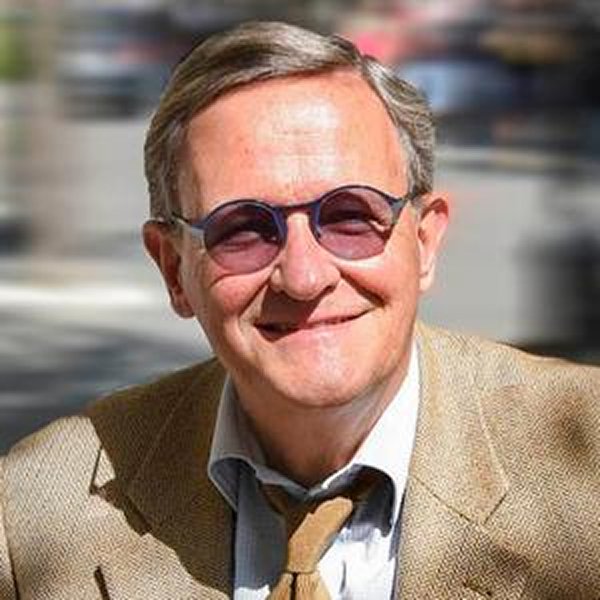

Peace & future researcher + ‌Art Photographer

Share

Leave a Reply

Your email address will not be published. Required fields are marked *

Related Posts

Peace is promoted by constructive proposals and dialogue Four preceding PressInfos have expressed concern over — and criticised — the ongoing, militarisation of the EU. Some will say: but there are no alternatives. We believe that there are always alternatives, that democracies are characterised by alternatives and choice, and that openly discussed alternatives will improve the quality and legitimacy of society’s decision–making. In addition, it is an intellectual and moral challenge to not only criticise but also be constructive. If we only tell people that we think they are wrong, they are not likely to listen. However, if we say: what are your views on this set of ideas and steps? — we may sometimes engage them in dialogue and sow a seed. Most people in power circles live their daily lives in in a time frame and a social space where certain ideas, viewpoints and concepts are just not...
Photos © TFF 2000 Read PressInfo 90 “Lift the Sanctions and Bring More Aid to Yugoslavia” See Pictures from Belgrade © TFF 2000 Please reprint, copy, archive, quote or re-post this item, but please retain the source.
Av FRANK SØHOLM GREVIL 16 augusti 2004  Vi er nu nået til tredje akt i det absurde teaterstykke, der i analogi med de store skueprocesser i Moskva 1936-38 er blevet døbt ‘Grevil-sagen’. Første akt bestod i min anonyme fremlæggelse af egenhændigt nedklassificerede rapporter i Berlingske Tidende i februar og marts. Andet akt udgjordes af min fremtræden med navn og billede i Information i april samt den efterfølgende mediestorm, som uden min direkte medvirken kostede en forsvarsminister taburetten samt en sigtelse for brud på tavshedspligten. Tredje akt bliver en retssag, hvor jeg står tiltalt for at have overtrådt straffelovens bestemmelser om uberettiget videregivelse eller udnyttelse af fortrolige oplysninger. Statsanklageren har ovenikøbet valgt at påberåbe sig særligt skærpende omstændigheder. Da jeg aldrig har modtaget betaling for at stille rapporterne til rådighed eller lade mig interviewe, må det skærpende bestå i, at “videregivelsen eller udnyttelsen er sket under sådanne omstændigheder, at det påfører...

Recent Articles

PressInfo # 141, December 21, 2001It’s time to prepare reconciliation between Albanians and Serbs PressInfo # 140, December 14, 2001Ibrahim Rugova’s decade-long leadership in Kosovo/a PressInfo # 139, 11. december, 2001En god nyhet: Jugoslaviens Sannings- och försoningskommission PressInfo # 139, 11. december, 2001Gode nyheder: Jugoslaviens Sandheds- og Forsoningskommission PressInfo # 139, December 11, 2001Good news: Yugoslavia’s Truth and Reconciliation Commission PressInfo # 138, November 8, 2001TFF co-founder PhD with thesis about young people with roots in other cultures PressInfo # 138, November 8, 2001TFF:s medstiftare doktor på avhandling om unga med ursprung i andra kulturer PressInfo # 137, October 17, 2001A new Marshall Plan: Advancing human security and controlling terrorism PressInfo # 136, October 15, 2001The UN and Annan really deserve it PressInfo # 135, October 10, 2001Preventing a terrorist mushroom cloud PressInfo # 134, 17 oktober, 2001Sverige og 11. september PressInfo # 134, October 9, 2001Sweden and September 11...
Peace is promoted by constructive proposals and dialogue Four preceding PressInfos have expressed concern over — and criticised — the ongoing, militarisation of the EU. Some will say: but there are no alternatives. We believe that there are always alternatives, that democracies are characterised by alternatives and choice, and that openly discussed alternatives will improve the quality and legitimacy of society’s decision–making. In addition, it is an intellectual and moral challenge to not only criticise but also be constructive. If we only tell people that we think they are wrong, they are not likely to listen. However, if we say: what are your views on this set of ideas and steps? — we may sometimes engage them in dialogue and sow a seed. Most people in power circles live their daily lives in in a time frame and a social space where certain ideas, viewpoints and concepts are just not...
Photos © TFF 2000 Read PressInfo 90 “Lift the Sanctions and Bring More Aid to Yugoslavia” See Pictures from Belgrade © TFF 2000 Please reprint, copy, archive, quote or re-post this item, but please retain the source.

TFF on Substack

Discover more from TFF Transnational Foundation & Jan Oberg.

Most Popular

PressInfo # 141, December 21, 2001It’s time to prepare reconciliation between Albanians and Serbs PressInfo # 140, December 14, 2001Ibrahim Rugova’s decade-long leadership in Kosovo/a PressInfo # 139, 11. december, 2001En god nyhet: Jugoslaviens Sannings- och försoningskommission PressInfo # 139, 11. december, 2001Gode nyheder: Jugoslaviens Sandheds- og Forsoningskommission PressInfo # 139, December 11, 2001Good news: Yugoslavia’s Truth and Reconciliation Commission PressInfo # 138, November 8, 2001TFF co-founder PhD with thesis about young people with roots in other cultures PressInfo # 138, November 8, 2001TFF:s medstiftare doktor på avhandling om unga med ursprung i andra kulturer PressInfo # 137, October 17, 2001A new Marshall Plan: Advancing human security and controlling terrorism PressInfo # 136, October 15, 2001The UN and Annan really deserve it PressInfo # 135, October 10, 2001Preventing a terrorist mushroom cloud PressInfo # 134, 17 oktober, 2001Sverige og 11. september PressInfo # 134, October 9, 2001Sweden and September 11...
Peace is promoted by constructive proposals and dialogue Four preceding PressInfos have expressed concern over — and criticised — the ongoing, militarisation of the EU. Some will say: but there are no alternatives. We believe that there are always alternatives, that democracies are characterised by alternatives and choice, and that openly discussed alternatives will improve the quality and legitimacy of society’s decision–making. In addition, it is an intellectual and moral challenge to not only criticise but also be constructive. If we only tell people that we think they are wrong, they are not likely to listen. However, if we say: what are your views on this set of ideas and steps? — we may sometimes engage them in dialogue and sow a seed. Most people in power circles live their daily lives in in a time frame and a social space where certain ideas, viewpoints and concepts are just not...
Photos © TFF 2000 Read PressInfo 90 “Lift the Sanctions and Bring More Aid to Yugoslavia” See Pictures from Belgrade © TFF 2000 Please reprint, copy, archive, quote or re-post this item, but please retain the source.
Read More
Imagen-thumbnail-The-Transnational-1
PressInfo # 141, December 21, 2001It’s time to prepare reconciliation between Albanians and Serbs PressInfo # 140, December 14, 2001Ibrahim Rugova’s decade-long leadership in Kosovo/a PressInfo # 139, 11. december, 2001En god nyhet: Jugoslaviens Sannings- och försoningskommission PressInfo # 139, 11. december, 2001Gode nyheder: Jugoslaviens Sandheds- og Forsoningskommission PressInfo # 139, December 11, 2001Good news: Yugoslavia’s Truth and Reconciliation Commission PressInfo # 138, November 8, 2001TFF co-founder PhD with thesis about young people with roots in other cultures PressInfo # 138, November 8, 2001TFF:s medstiftare doktor på avhandling om unga med ursprung i andra kulturer PressInfo # 137, October 17, 2001A new Marshall Plan: Advancing human security and controlling terrorism PressInfo # 136, October 15, 2001The UN and Annan really deserve it PressInfo # 135, October 10, 2001Preventing a terrorist mushroom cloud PressInfo # 134, 17 oktober, 2001Sverige og 11. september PressInfo # 134, October 9, 2001Sweden and September 11...
Imagen-thumbnail-The-Transnational-1
Peace is promoted by constructive proposals and dialogue Four preceding PressInfos have expressed concern over — and criticised — the ongoing, militarisation of the EU. Some will say: but there are no alternatives. We believe that there are always alternatives, that democracies are characterised by alternatives and choice, and that openly discussed alternatives will improve the quality and legitimacy of society’s decision–making. In addition, it is an intellectual and moral challenge to not only criticise but also be constructive. If we only tell people that we think they are wrong, they are not likely to listen. However, if we say: what are your views on this set of ideas and steps? — we may sometimes engage them in dialogue and sow a seed. Most people in power circles live their daily lives in in a time frame and a social space where certain ideas, viewpoints and concepts are just not...
Imagen-thumbnail-The-Transnational-1
Photos © TFF 2000 Read PressInfo 90 “Lift the Sanctions and Bring More Aid to Yugoslavia” See Pictures from Belgrade © TFF 2000 Please reprint, copy, archive, quote or re-post this item, but please retain the source.
Imagen-thumbnail-The-Transnational-1
Av FRANK SØHOLM GREVIL 16 augusti 2004  Vi er nu nået til tredje akt i det absurde teaterstykke, der i analogi med de store skueprocesser i Moskva 1936-38 er blevet døbt ‘Grevil-sagen’. Første akt bestod i min anonyme fremlæggelse af egenhændigt nedklassificerede rapporter i Berlingske Tidende i februar og marts. Andet akt udgjordes af min fremtræden med navn og billede i Information i april samt den efterfølgende mediestorm, som uden min direkte medvirken kostede en forsvarsminister taburetten samt en sigtelse for brud på tavshedspligten. Tredje akt bliver en retssag, hvor jeg står tiltalt for at have overtrådt straffelovens bestemmelser om uberettiget videregivelse eller udnyttelse af fortrolige oplysninger. Statsanklageren har ovenikøbet valgt at påberåbe sig særligt skærpende omstændigheder. Da jeg aldrig har modtaget betaling for at stille rapporterne til rådighed eller lade mig interviewe, må det skærpende bestå i, at “videregivelsen eller udnyttelsen er sket under sådanne omstændigheder, at det påfører...
Imagen-thumbnail-The-Transnational-1
Af Svenska Irakkommittén mot de Ekonomiska Sanktionerna (SIES) 13 september 2002 FN:s ekonomiska sanktioner mot Irak har nu pågått i tolv år och drabbat det irakiska folket med svåra lidanden. Enligt FN:s egna siffror har mer än 1,5 miljoner människor, varav ca 600 000 barn, dött som en direkt följd av sanktionerna. Dessutom har ett lågintensivt bombkrig mot landet pågått under dessa år. Av all denna förödelse- orsakad huvudsakligen av amerikansk och brittisk politik- har Saddam Husseins brutala och diktatoriska regim snarast stärkts än försvagats. Nu förbereder USA under president Bushs ledning ett storskaligt bombkrig mot Irak som kommer att innebära ett ännu större lidande för civilbefolkningen. Ett sådant krig kommer dessutom att ytterligare undergräva freden och säkerheten i världen. Att upprätta en demokratisk regim i Irak är det irakiska folkets angelägenhet och får enligt folkrätten inte ske med krigshandlingar utifrån. Folkrätten och FN:s stadgar måste respekteras. Vi vädjar till...