
TFF PressInfo # 325 - Hur Västvärlden bröt sina löften till Ryssland

beslöt att inte låtsas om de löften som Västs ledare i slutet av det kalla kriget gav sina sovjetiska/ryska kollegor.

Det var oetiskt och – som Power med viktiga hänvisningar hävdar – en politisk tabbe av historiska proportioner.

Hans berättelse förklarar varför Väst inte heller är oskyldigt i fråga om den aktuella Ukrainakrisen – i sin tur åstadkommen genom en annan tabbe: försöket att byta regim i Kiev och få in Ukraina i det kärnvapenbaserade NATO.

Blankt förnekande sin egen inblandning börjar politiskt korrekta västmedier, politiker och Natohöjdare lämpligt nog sin historia med att Ryssland annekterade Krim som en blixt från klar himmel.

Power säger: ≫Historien kommer inte att se välvilligt på NATOs farliga och kontraproduktiva utvidgning≪.

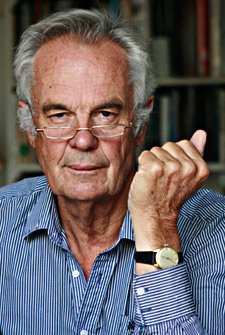
Jan Öberg

Rysslands Europablickande drömmare har räknat in Pusjkin, Lenin, Gorbatjov och, tills rätt nyligen, president Vladimir Putin. Alla har de sett sitt lands framtid som en del av ≫det europeiska huset≪.

Men historiens tilldragelser har inte varit nådiga mot Ryssland. Napoleons invasion, revolution, två världskrig, Stalins kommunism och – senast – Natos utvidgning; allt detta har krossat drömmen gång på gång.

I slutet av kalla kriget, i och med överenskommelsen om en grundstadga mellan Nato och Ryssland (Founding Act on Mutual Relations, Cooperation and Security between NATO and the Russian Federation), såg det ut som om jättekliv mot detta mål togs. Till att börja med skulle Ryssland få säte vid NATOs bord, senare skulle de få komma med i NATO och ännu senare i Europeiska unionen. Somliga förutsåg att detta skulle inträffa inom en tioårsperiod, andra trodde på tjugo år.

Men sedan – pang! – sprack drömmen när president Bill Clinton, uppbackad av USAs akademiska elit på utrikespolitikens område, beslöt att utvidga NATO genom att göra forna medlemmar av Sovjetunionens Warszawapakt till medlemmar.

George Kennan, amerikansk nestor på Rysslandsfrågor, kommenterade: “Det visar på en mycket ringa förståelse för rysk och sovjetisk historia. Det är klart att Ryssland kommer att reagera surt. Sedan kommer NATO-utvidgarna att säga, att ‘Vi sa ju, att såna är de, ryssarna’. Men det är bara så fel”.

De som försvarar Clinton och senare George W Bush och Barack Obama, som fortsatte politiken att utvidga Nato; de hävdar att Natoutvidgningen österut ingalunda bröt något löfte till Moskva om att inte utvidga.

Men det gjorde den.

Som förre Sovjetpresidenten Michail Gorbatjov vid flera tillfällen sagt, fanns det ett löfte om att inte expandera NATO “så mycket som en tumsbredd österut”.

Detta är ett eko av förre amerikanske utrikesministern James Bakers tal i Katarinasalen i Kreml den 9 februari 1990, då han sa att det blir “ingen utvidgning av NATOs jurisdiktion över NATO-styrkor en enda tum österut”.

Det har förekommit en del omskrivningar av historien. Nu gör Baker tvetydiga förnekanden av att någon sådan överenskommelse skulle finnas.

Man har till och med försökt påvisa att Gorbatjov själv förnekar att en sådan överenskommelse fanns. Det stämmer att han de senaste åren sagt än det ena, än det andra. Kanske för att han är generad över att han aldrig bad att få de amerikansk-tyska åtagandena skriftligt.

Det har han försvarat med argumentet att “Warszawapakten fortfarande fanns i början av 1990. Blotta antydan att NATO skulle utvidgas in i paktens medlemsstater hade låtit helt befängt vid den tiden”.

Icke desto mindre är bevisen på att en sådan överenskommelse gjordes starka.

Rodrick Braithwaite, då brittisk ambassadör till Sovjetunionen och senare till Ryssland, har skrivit: “Sedan Tyskland återförenats uppfordrade den tjeckiske presidenten Václav Havel att Tjeckoslovakien, Polen och Ungern skulle gå med i NATO. Storbritanniens premiärminister och utrikesminister försäkrade sovjetiska ministrar, att någon sådan avsikt inte fanns. NATOs generalsekreterare tillade, att en utvidgning skulle skada förhållandet till Sovjetunionen”.

Jack Matlock, ambassadör i Moskva för både Ronald Reagan och George Bush den äldre, har vid åtskilliga tillfällen sagt, att Moskva meddelades ≫tydliga åtaganden≪ att NATO inte skulle expanderas.

Den tyska politiska veckotidningen Der Spiegel har gått igenom de tyska och brittiska läggen. De fann ett samtalsprotokoll från den 10 februari 1990, då utrikesminister Hans-Dietrich Genscher talade med den sovjetiske utrikesministern Eduard Sjevardnadze.

Genscher sa: “För oss är en sak klar: NATO ska inte utvidgas österut”. Emedan samtalet huvudsakligen rörde sig om Östtysklands framtid, tillade Genscher uttryckligen: ≫Såvitt NATOs icke-utvidgning angår, gäller detta även allmänt≪.

I ett viktigt tal som Genscher höll den 31 januari 1990 i Tutzing, sa han att det inte skulle bli “någon utvidgning av NATO österut. Med andra ord: närmare Sovjetunionens gränser”.

När den brittiske utrikesministern Douglas Hurd den 6 februari 1990 träffade Genscher för att diskutera det kommande fria valet i Ungern informerades han om, att Sovjetunionen behövde “den säkerheten att Ungern inte skulle bli en del av Västalliansen”. Genscher sa, att Kreml måste få garantier av det slaget. Det höll Hurd med om.

I april 2009 sa Gorbatjov till den tyska tidskriften Bild, att “Väst troligen gnuggade händerna, lyckliga över att ha blåst ryssarna”. Så ser det onekligen ut.

Dessutom upphävde USA omotiverat Salt 1-avtalet (Avtalet mellan Förenta Staterna och Sovjetunionen om begränsning av antiballistiska missilsystem) och beslöt därtill att gruppera robotförsvar (missilskjölden) i Centraleuropa och sålunda undergräva den så kallade ≫kärnvapenbalansen≪.

Väst har utnyttjat ett försvagat Ryssland i stället för att bana väg för Ryssland in i “det europeiska huset”.

Historien kommer inte att se välvilligt på NATOs farliga och kontraproduktiva utvidgning.

© Jonathan Power 2015

Översättning: Björn Forseth

Foreign affairs columnist, film-maker and author

Share

Leave a Reply

Your email address will not be published. Required fields are marked *

Related Posts

Gandhi, Arun. Lord Richard Attenborough. Kasturba: a lifeNew Delhi: Penguin Books Ltd., 2000.315 pp, 295 Indian Rs, US $22.51 January 29, 2002 Arun Gandhi, grandson to Mohandas and Kasturba, has written a thorough account of Kasturba’s life. Arun begins with a description of Kasturba’s childhood in Porbandar in the late1800s, before she met Mohandas. By having chosen to embark on difficult research into his grandmother’s life, including her first years which are not well-documented, Arun ensures that the reader receives an intimate and life-long portrait of this amazing woman. Kasturba is presented as a lively woman &endash; obedient, yet with a mind of her own. As the relationship between Kasturba and Mohandas developed, Arun maintains that Kasturba’s influence over Mohandas in her own quiet way also grew, to which some of Mohandas’ writings also attest.  Arun paints a vivid picture of the beginnings of Mohandas’ non-violence movement in South Africa, a...
In response to an urgent Appeal from all the living Nobel Peace Prize Laureates, the General Assembly of the United Nations, on November 1998, unanimously declared the first decade of the twenty-first century to be The Decade for a Culture of Peace and Nonviolence. While people are naturally concerned about the amount of violence in our world and how it threatens our future, the Nobel Laureates are right to remind us of the potential of nonviolence and our calling to build a culture of peace and nonviolence.  The twentieth century is instructive in the way that the philosophy and practice of nonviolence have begun to flourish and in the way that nonviolent movements have had an exponential growth across the world. Mohandas Gandhi and Martin Luther King, Jr. are the most famous nonviolent leaders but many have built upon the paths they charted as in country after country, tyrannies and...
We know that medical personnel have failed to report to higher authorities wounds that were clearly caused by torture and that they have neglected to take steps to interrupt this torture. In addition, they have turned over prisoners’ medical records to interrogators who could use them to exploit the prisoners’ weaknesses or vulnerabilities. We have not yet learned the extent of medical involvement in delaying and possibly falsifying the death certificates of prisoners who have been killed by torturers. A May 22 article on Abu Ghraib in the New York Times states that “much of the evidence of abuse at the prison came from medical documents” and that records and statements “showed doctors and medics reporting to the area of the prison where the abuse occurred several times to stitch wounds, tend to collapsed prisoners or see patients with bruised or reddened genitals.” http://www.truthout.org/docs_04/080604J.shtml#16 According to the article, two doctors who...

Recent Articles

Gandhi, Arun. Lord Richard Attenborough. Kasturba: a lifeNew Delhi: Penguin Books Ltd., 2000.315 pp, 295 Indian Rs, US $22.51 January 29, 2002 Arun Gandhi, grandson to Mohandas and Kasturba, has written a thorough account of Kasturba’s life. Arun begins with a description of Kasturba’s childhood in Porbandar in the late1800s, before she met Mohandas. By having chosen to embark on difficult research into his grandmother’s life, including her first years which are not well-documented, Arun ensures that the reader receives an intimate and life-long portrait of this amazing woman. Kasturba is presented as a lively woman &endash; obedient, yet with a mind of her own. As the relationship between Kasturba and Mohandas developed, Arun maintains that Kasturba’s influence over Mohandas in her own quiet way also grew, to which some of Mohandas’ writings also attest.  Arun paints a vivid picture of the beginnings of Mohandas’ non-violence movement in South Africa, a...
In response to an urgent Appeal from all the living Nobel Peace Prize Laureates, the General Assembly of the United Nations, on November 1998, unanimously declared the first decade of the twenty-first century to be The Decade for a Culture of Peace and Nonviolence. While people are naturally concerned about the amount of violence in our world and how it threatens our future, the Nobel Laureates are right to remind us of the potential of nonviolence and our calling to build a culture of peace and nonviolence.  The twentieth century is instructive in the way that the philosophy and practice of nonviolence have begun to flourish and in the way that nonviolent movements have had an exponential growth across the world. Mohandas Gandhi and Martin Luther King, Jr. are the most famous nonviolent leaders but many have built upon the paths they charted as in country after country, tyrannies and...
We know that medical personnel have failed to report to higher authorities wounds that were clearly caused by torture and that they have neglected to take steps to interrupt this torture. In addition, they have turned over prisoners’ medical records to interrogators who could use them to exploit the prisoners’ weaknesses or vulnerabilities. We have not yet learned the extent of medical involvement in delaying and possibly falsifying the death certificates of prisoners who have been killed by torturers. A May 22 article on Abu Ghraib in the New York Times states that “much of the evidence of abuse at the prison came from medical documents” and that records and statements “showed doctors and medics reporting to the area of the prison where the abuse occurred several times to stitch wounds, tend to collapsed prisoners or see patients with bruised or reddened genitals.” http://www.truthout.org/docs_04/080604J.shtml#16 According to the article, two doctors who...

TFF on Substack

Discover more from TFF Transnational Foundation & Jan Oberg.

Most Popular

Gandhi, Arun. Lord Richard Attenborough. Kasturba: a lifeNew Delhi: Penguin Books Ltd., 2000.315 pp, 295 Indian Rs, US $22.51 January 29, 2002 Arun Gandhi, grandson to Mohandas and Kasturba, has written a thorough account of Kasturba’s life. Arun begins with a description of Kasturba’s childhood in Porbandar in the late1800s, before she met Mohandas. By having chosen to embark on difficult research into his grandmother’s life, including her first years which are not well-documented, Arun ensures that the reader receives an intimate and life-long portrait of this amazing woman. Kasturba is presented as a lively woman &endash; obedient, yet with a mind of her own. As the relationship between Kasturba and Mohandas developed, Arun maintains that Kasturba’s influence over Mohandas in her own quiet way also grew, to which some of Mohandas’ writings also attest.  Arun paints a vivid picture of the beginnings of Mohandas’ non-violence movement in South Africa, a...
In response to an urgent Appeal from all the living Nobel Peace Prize Laureates, the General Assembly of the United Nations, on November 1998, unanimously declared the first decade of the twenty-first century to be The Decade for a Culture of Peace and Nonviolence. While people are naturally concerned about the amount of violence in our world and how it threatens our future, the Nobel Laureates are right to remind us of the potential of nonviolence and our calling to build a culture of peace and nonviolence.  The twentieth century is instructive in the way that the philosophy and practice of nonviolence have begun to flourish and in the way that nonviolent movements have had an exponential growth across the world. Mohandas Gandhi and Martin Luther King, Jr. are the most famous nonviolent leaders but many have built upon the paths they charted as in country after country, tyrannies and...
We know that medical personnel have failed to report to higher authorities wounds that were clearly caused by torture and that they have neglected to take steps to interrupt this torture. In addition, they have turned over prisoners’ medical records to interrogators who could use them to exploit the prisoners’ weaknesses or vulnerabilities. We have not yet learned the extent of medical involvement in delaying and possibly falsifying the death certificates of prisoners who have been killed by torturers. A May 22 article on Abu Ghraib in the New York Times states that “much of the evidence of abuse at the prison came from medical documents” and that records and statements “showed doctors and medics reporting to the area of the prison where the abuse occurred several times to stitch wounds, tend to collapsed prisoners or see patients with bruised or reddened genitals.” http://www.truthout.org/docs_04/080604J.shtml#16 According to the article, two doctors who...
Read More
Imagen-thumbnail-The-Transnational-1
Gandhi, Arun. Lord Richard Attenborough. Kasturba: a lifeNew Delhi: Penguin Books Ltd., 2000.315 pp, 295 Indian Rs, US $22.51 January 29, 2002 Arun Gandhi, grandson to Mohandas and Kasturba, has written a thorough account of Kasturba’s life. Arun begins with a description of Kasturba’s childhood in Porbandar in the late1800s, before she met Mohandas. By having chosen to embark on difficult research into his grandmother’s life, including her first years which are not well-documented, Arun ensures that the reader receives an intimate and life-long portrait of this amazing woman. Kasturba is presented as a lively woman &endash; obedient, yet with a mind of her own. As the relationship between Kasturba and Mohandas developed, Arun maintains that Kasturba’s influence over Mohandas in her own quiet way also grew, to which some of Mohandas’ writings also attest.  Arun paints a vivid picture of the beginnings of Mohandas’ non-violence movement in South Africa, a...
Imagen-thumbnail-The-Transnational-1
In response to an urgent Appeal from all the living Nobel Peace Prize Laureates, the General Assembly of the United Nations, on November 1998, unanimously declared the first decade of the twenty-first century to be The Decade for a Culture of Peace and Nonviolence. While people are naturally concerned about the amount of violence in our world and how it threatens our future, the Nobel Laureates are right to remind us of the potential of nonviolence and our calling to build a culture of peace and nonviolence.  The twentieth century is instructive in the way that the philosophy and practice of nonviolence have begun to flourish and in the way that nonviolent movements have had an exponential growth across the world. Mohandas Gandhi and Martin Luther King, Jr. are the most famous nonviolent leaders but many have built upon the paths they charted as in country after country, tyrannies and...
Imagen-thumbnail-The-Transnational-1
We know that medical personnel have failed to report to higher authorities wounds that were clearly caused by torture and that they have neglected to take steps to interrupt this torture. In addition, they have turned over prisoners’ medical records to interrogators who could use them to exploit the prisoners’ weaknesses or vulnerabilities. We have not yet learned the extent of medical involvement in delaying and possibly falsifying the death certificates of prisoners who have been killed by torturers. A May 22 article on Abu Ghraib in the New York Times states that “much of the evidence of abuse at the prison came from medical documents” and that records and statements “showed doctors and medics reporting to the area of the prison where the abuse occurred several times to stitch wounds, tend to collapsed prisoners or see patients with bruised or reddened genitals.” http://www.truthout.org/docs_04/080604J.shtml#16 According to the article, two doctors who...
Imagen-thumbnail-The-Transnational-1
Jan Øberg behandler i artiklen en lang række faktorer, som ligger til grund for den måde vores samfund er organiseret på – og derfor også for konflikter. Artiklen introducerer således sammenhængen mellem familien, foreninger, regeringer, NGO’ er, nation, stat, nationalstat og alliancer for på denne måde bedre at kunne forstå konflikter og i sidste ende blive klogere mht. at løse disse. Øberg, der er fortaler for global bevidsthed, hvilket skal ses i lyset af den øgede globalisering, skelner mellem kulturkamp og kulturdialog. Endelig behandles begrebet magt og magtesløshed: giver magt ret til at udøve magt – fordi man mener at have ret? Litteraturliste og arbejdsspørgsmål efter artiklen. Ordene vi bruger om verden I satellitperspektiv kan man godt tale om den menneskelige familie eller menneskeheden. Udtrykket understreger, at der eksisterer – eller burde eksistere – et fællesskab fordi vi alle er mennesker og sammen bebor denne klode og ingen anden. Og...
Imagen-thumbnail-The-Transnational-1
Kapitel 2: Forskellige sider af Europa og USA…fortsat 2.5 Militære relationer I forbifarten har vi allerede sagt nogle ting om USA’s militære situation. Kig lige en gang til på afsnit 2.3. Nu skal vi uddybe det militære forhold mellem USA og EU. Der er en række ligheder mellem visse europæiske landes og USA’s militær. Næsten alle er med på en eller anden måde i NATO, direkte som medlem – selv Island, der ikke har et forsvar – eller indirekte i Partnerskab for Fred. USA og Canada er med i OSCE (på dansk OSSE), Organisationen for Sikkerhed og Samarbejde i Europa, der tæller over 50 lande. USA samt England og Frankrig er kernevåbenstater og de har styrker til intervention langt borte fra hjemlandet, om end USA’s er tifold større. Alle har også en omfattende våbeneksport og bruger den som et middel til at tjene penge og få loyale venner på, det...
Imagen-thumbnail-The-Transnational-1
Background Christian Harleman and Jan Oberg conducted a fact-finding mission to Burundi between November 26 and December 6, 2003. (See websites about the country here). The first TFF mission took place in March 1999. Unfortunately, since then it has not been practically possible to implement the co-operation with Burundi’s Ministry of Education and Burundian NGOs that was planned at the time. The 2003 mission had three purposes. First, to do fact-finding in general about the situation and, in particular, the progress under the Arusha Peace Process. Second, to explore the possibilities for co-operation between the government and relevant NGOs on the one hand and TFF on the other, in order to develop and deepen the existing competence in fields such as conflict-understanding, reconciliation and peace-building. Finally, third, to find out whether it would be possible, in co-operation with the Swedish Rescue Services Agency (Statens Räddningsverk), to establish a health care unit that...
