
TFF PressInfo # 310: Terrorism - small dot in a larger picture

/10/janoberg.jpg”>[/caption]

What is terrorism? Why do we talk much more about that than other types of deaths? Why is the word misused? What has nuclear weapons – that politicians and media hardly ever talk about – got to do with terror? Why should we all be careful not to exaggerate the phenomenon of terror?

10 x more terrorism than before 9/11

Tell you what: I’ve been critical of the ”war on terror” since September 12, 2001 and particularly since 10/7 when the war on Afghanistan started. If the War on Terror was the answer to 9/11, the U.S. and its friends asked the wrong questions.

Because, what has been the result?

According to U.S. statistics at the time, in the years up to the horrific crime in New York, about 1,000-1,500 people were hit by terror per year worldwide; 1/3 of whom died, the rest were wounded. Most of it happened in South America, some in Europe; small groups such as Baader-Meinhof.

Almost 3,000 were killed on 9/11, many nationalities, far from only American citizens. (About 30,000 die annually from shooting each other).

Today? About 18,000 were killed in terror in 2013.
Although data may not be directly comparable or definitions be the same, the difference between 1,500 and 18,000 cannot be explained by methodological and other variations.

It should be quite obvious that the War on Terror not only has been a tragic failure – as many other wars – but has also contributed to increasing the problem. We should begin to use more honest, intellectual ways of combatting the problem than hunting and killing individuals.

What is terrorism?
There are tons of definitions but what distinguishes terror from other violence is that it deliberately hits the innocent, those not partaking in a conflict, like e.g. children in a school bus. It is, further, a violent act aiming to achieve a political goal; it is surprising and seeks to instil fear in the general population and it is, of course, outside the law and appalling, considered generally immoral and indefensible.

I don’t remember that when great people were killed in the past – e.g. M.K. Gandhi, Martin Luther-King Jr., J. F. Kennedy, Olof Palme – the word terrorism was automatically used. People were shot, killed, it was a political murder, a crime. The moment the attack on Charlie Hebdo and the killing of two people in Copenhagen took place – media and politicians called it terror way before anyone knew who had done it and why.

The War on Terror has mobilised the entire Western world under U.S. leadership after 9/11. It’s become ”necessary” to clamp down on human rights, privacy and check everybody’s whereabouts in the name of ”protecting our citizens”.

This is a vicious circle and it will, at the end of the day, destroy the basic characteristics that we cherish in the Western world. The response to what is called terror is much more destructive to our political culture, values and lifestyle than is Al-Qaeda, ISIS or lonely socially losing desperados.

We should stop the War on Terror
We cannot eradicate terror by killing terrorists without understanding why people become terrorists. There is no successful surgery without decent diagnosis. To explain doesn’t mean defend. Violence begets violence, that we know.

Decades of Western wars, interventions and mass killings in the Middle East is not the only cause but it is certainly one explanatory factor.

It’s absurd and self-defeating to deny any responsibility for the world’s violence when the fact is that 28 NATO countries stand for US $ 1,020 trillion of the world’s 1,745 total military expenditures, i.e. 60% of all and have some 700 military facilities in over 130 countries and, since 1945, have been more interventionist, war-fighting and regime-changing than any other group in contemporary history.

The inflationary word ”terrorism” also swallows resources dearly needed to solve real problems. At least 21,000 children die every day because of poverty and other preventable causes. Add to that adults who die with them. That’s the equivalent, roughly, of the casualties by terrorism per year. A true humanitarian intervention would be good, but we have yet to experience one that does not use bomber planes.

We should stop calling this or that terrorism when it isn’t. We should stop being obsessed about terror when other things are much much more important in terms of killing human beings. Nearly 1,3 million people die worldwide in road crashes every year (3,287 per day) and 20-50 million are injured or disabled.

What’s nuclear weapons got to do with it?
Well, look at the definition above. We used to talk about the balance of terror – and it is still there – for the simple reason that the nuclear powers were supposed to deter other nuclear power(s) from starting a nuclear war because they held millions of civilians hostage: MAD = Mutually Assured Destruction. And mad it was and still is. The theories about, the possession of as well as the willingness to use nuclear weapons rest upon a terrorist philosophy: the mass killing – if ”necessary” – of millions upon millions of innocent civilians.

A new study from the U.S. Physicians for Social Responsibility estimates that even a small nuclear war between India and Pakistan could put up to 2 billion people at risk of starvation.

And in Europe the Ukraine crisis has raised the spectre of a larger war in Europe involving nuclear weapons powers and – mad as it may sound – increased the risk of nuclear war. A recent report by TFF board member, Dr. Gunnar Westberg, of impressions from a visit to NATO’s HQ in Brussels emphasises for the first time in many years the two words: fear and blame.

It is time for a reality check in media and politics: While the War on Terror has been fought, terrorism has grown. However, it is still a small problem, relative to other causes of death. And let us not forget that states with nuclear weapons adhere to terrorism – and you and I are their hostages. Wouldn’t it be good to discuss these things a bit more and connect the bigger dots instead of being obsessed with a rather small one?
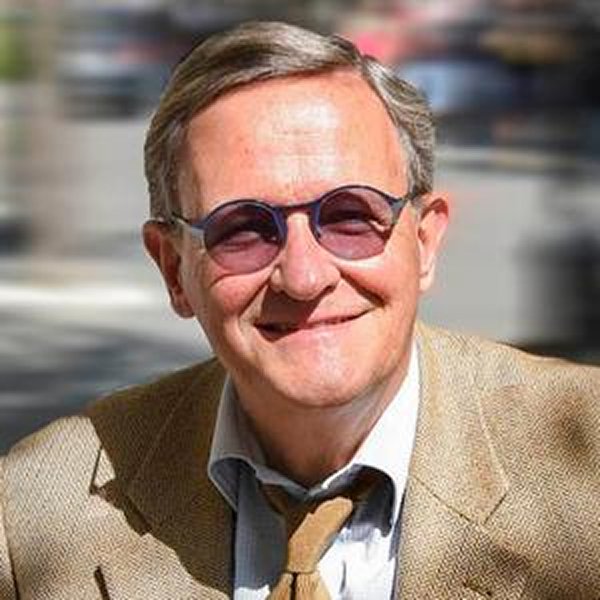

Peace & future researcher + ‌Art Photographer

Share

Leave a Reply

Your email address will not be published. Required fields are marked *

Related Posts

Peace is promoted by constructive proposals and dialogue Four preceding PressInfos have expressed concern over — and criticised — the ongoing, militarisation of the EU. Some will say: but there are no alternatives. We believe that there are always alternatives, that democracies are characterised by alternatives and choice, and that openly discussed alternatives will improve the quality and legitimacy of society’s decision–making. In addition, it is an intellectual and moral challenge to not only criticise but also be constructive. If we only tell people that we think they are wrong, they are not likely to listen. However, if we say: what are your views on this set of ideas and steps? — we may sometimes engage them in dialogue and sow a seed. Most people in power circles live their daily lives in in a time frame and a social space where certain ideas, viewpoints and concepts are just not...
Photos © TFF 2000 Read PressInfo 90 “Lift the Sanctions and Bring More Aid to Yugoslavia” See Pictures from Belgrade © TFF 2000 Please reprint, copy, archive, quote or re-post this item, but please retain the source.
Av FRANK SØHOLM GREVIL 16 augusti 2004  Vi er nu nået til tredje akt i det absurde teaterstykke, der i analogi med de store skueprocesser i Moskva 1936-38 er blevet døbt ‘Grevil-sagen’. Første akt bestod i min anonyme fremlæggelse af egenhændigt nedklassificerede rapporter i Berlingske Tidende i februar og marts. Andet akt udgjordes af min fremtræden med navn og billede i Information i april samt den efterfølgende mediestorm, som uden min direkte medvirken kostede en forsvarsminister taburetten samt en sigtelse for brud på tavshedspligten. Tredje akt bliver en retssag, hvor jeg står tiltalt for at have overtrådt straffelovens bestemmelser om uberettiget videregivelse eller udnyttelse af fortrolige oplysninger. Statsanklageren har ovenikøbet valgt at påberåbe sig særligt skærpende omstændigheder. Da jeg aldrig har modtaget betaling for at stille rapporterne til rådighed eller lade mig interviewe, må det skærpende bestå i, at “videregivelsen eller udnyttelsen er sket under sådanne omstændigheder, at det påfører...

Recent Articles

PressInfo # 141, December 21, 2001It’s time to prepare reconciliation between Albanians and Serbs PressInfo # 140, December 14, 2001Ibrahim Rugova’s decade-long leadership in Kosovo/a PressInfo # 139, 11. december, 2001En god nyhet: Jugoslaviens Sannings- och försoningskommission PressInfo # 139, 11. december, 2001Gode nyheder: Jugoslaviens Sandheds- og Forsoningskommission PressInfo # 139, December 11, 2001Good news: Yugoslavia’s Truth and Reconciliation Commission PressInfo # 138, November 8, 2001TFF co-founder PhD with thesis about young people with roots in other cultures PressInfo # 138, November 8, 2001TFF:s medstiftare doktor på avhandling om unga med ursprung i andra kulturer PressInfo # 137, October 17, 2001A new Marshall Plan: Advancing human security and controlling terrorism PressInfo # 136, October 15, 2001The UN and Annan really deserve it PressInfo # 135, October 10, 2001Preventing a terrorist mushroom cloud PressInfo # 134, 17 oktober, 2001Sverige og 11. september PressInfo # 134, October 9, 2001Sweden and September 11...
Peace is promoted by constructive proposals and dialogue Four preceding PressInfos have expressed concern over — and criticised — the ongoing, militarisation of the EU. Some will say: but there are no alternatives. We believe that there are always alternatives, that democracies are characterised by alternatives and choice, and that openly discussed alternatives will improve the quality and legitimacy of society’s decision–making. In addition, it is an intellectual and moral challenge to not only criticise but also be constructive. If we only tell people that we think they are wrong, they are not likely to listen. However, if we say: what are your views on this set of ideas and steps? — we may sometimes engage them in dialogue and sow a seed. Most people in power circles live their daily lives in in a time frame and a social space where certain ideas, viewpoints and concepts are just not...
Photos © TFF 2000 Read PressInfo 90 “Lift the Sanctions and Bring More Aid to Yugoslavia” See Pictures from Belgrade © TFF 2000 Please reprint, copy, archive, quote or re-post this item, but please retain the source.

TFF on Substack

Discover more from TFF Transnational Foundation & Jan Oberg.

Most Popular

PressInfo # 141, December 21, 2001It’s time to prepare reconciliation between Albanians and Serbs PressInfo # 140, December 14, 2001Ibrahim Rugova’s decade-long leadership in Kosovo/a PressInfo # 139, 11. december, 2001En god nyhet: Jugoslaviens Sannings- och försoningskommission PressInfo # 139, 11. december, 2001Gode nyheder: Jugoslaviens Sandheds- og Forsoningskommission PressInfo # 139, December 11, 2001Good news: Yugoslavia’s Truth and Reconciliation Commission PressInfo # 138, November 8, 2001TFF co-founder PhD with thesis about young people with roots in other cultures PressInfo # 138, November 8, 2001TFF:s medstiftare doktor på avhandling om unga med ursprung i andra kulturer PressInfo # 137, October 17, 2001A new Marshall Plan: Advancing human security and controlling terrorism PressInfo # 136, October 15, 2001The UN and Annan really deserve it PressInfo # 135, October 10, 2001Preventing a terrorist mushroom cloud PressInfo # 134, 17 oktober, 2001Sverige og 11. september PressInfo # 134, October 9, 2001Sweden and September 11...
Peace is promoted by constructive proposals and dialogue Four preceding PressInfos have expressed concern over — and criticised — the ongoing, militarisation of the EU. Some will say: but there are no alternatives. We believe that there are always alternatives, that democracies are characterised by alternatives and choice, and that openly discussed alternatives will improve the quality and legitimacy of society’s decision–making. In addition, it is an intellectual and moral challenge to not only criticise but also be constructive. If we only tell people that we think they are wrong, they are not likely to listen. However, if we say: what are your views on this set of ideas and steps? — we may sometimes engage them in dialogue and sow a seed. Most people in power circles live their daily lives in in a time frame and a social space where certain ideas, viewpoints and concepts are just not...
Photos © TFF 2000 Read PressInfo 90 “Lift the Sanctions and Bring More Aid to Yugoslavia” See Pictures from Belgrade © TFF 2000 Please reprint, copy, archive, quote or re-post this item, but please retain the source.
Read More
Imagen-thumbnail-The-Transnational-1
PressInfo # 141, December 21, 2001It’s time to prepare reconciliation between Albanians and Serbs PressInfo # 140, December 14, 2001Ibrahim Rugova’s decade-long leadership in Kosovo/a PressInfo # 139, 11. december, 2001En god nyhet: Jugoslaviens Sannings- och försoningskommission PressInfo # 139, 11. december, 2001Gode nyheder: Jugoslaviens Sandheds- og Forsoningskommission PressInfo # 139, December 11, 2001Good news: Yugoslavia’s Truth and Reconciliation Commission PressInfo # 138, November 8, 2001TFF co-founder PhD with thesis about young people with roots in other cultures PressInfo # 138, November 8, 2001TFF:s medstiftare doktor på avhandling om unga med ursprung i andra kulturer PressInfo # 137, October 17, 2001A new Marshall Plan: Advancing human security and controlling terrorism PressInfo # 136, October 15, 2001The UN and Annan really deserve it PressInfo # 135, October 10, 2001Preventing a terrorist mushroom cloud PressInfo # 134, 17 oktober, 2001Sverige og 11. september PressInfo # 134, October 9, 2001Sweden and September 11...
Imagen-thumbnail-The-Transnational-1
Peace is promoted by constructive proposals and dialogue Four preceding PressInfos have expressed concern over — and criticised — the ongoing, militarisation of the EU. Some will say: but there are no alternatives. We believe that there are always alternatives, that democracies are characterised by alternatives and choice, and that openly discussed alternatives will improve the quality and legitimacy of society’s decision–making. In addition, it is an intellectual and moral challenge to not only criticise but also be constructive. If we only tell people that we think they are wrong, they are not likely to listen. However, if we say: what are your views on this set of ideas and steps? — we may sometimes engage them in dialogue and sow a seed. Most people in power circles live their daily lives in in a time frame and a social space where certain ideas, viewpoints and concepts are just not...
Imagen-thumbnail-The-Transnational-1
Photos © TFF 2000 Read PressInfo 90 “Lift the Sanctions and Bring More Aid to Yugoslavia” See Pictures from Belgrade © TFF 2000 Please reprint, copy, archive, quote or re-post this item, but please retain the source.
Imagen-thumbnail-The-Transnational-1
Av FRANK SØHOLM GREVIL 16 augusti 2004  Vi er nu nået til tredje akt i det absurde teaterstykke, der i analogi med de store skueprocesser i Moskva 1936-38 er blevet døbt ‘Grevil-sagen’. Første akt bestod i min anonyme fremlæggelse af egenhændigt nedklassificerede rapporter i Berlingske Tidende i februar og marts. Andet akt udgjordes af min fremtræden med navn og billede i Information i april samt den efterfølgende mediestorm, som uden min direkte medvirken kostede en forsvarsminister taburetten samt en sigtelse for brud på tavshedspligten. Tredje akt bliver en retssag, hvor jeg står tiltalt for at have overtrådt straffelovens bestemmelser om uberettiget videregivelse eller udnyttelse af fortrolige oplysninger. Statsanklageren har ovenikøbet valgt at påberåbe sig særligt skærpende omstændigheder. Da jeg aldrig har modtaget betaling for at stille rapporterne til rådighed eller lade mig interviewe, må det skærpende bestå i, at “videregivelsen eller udnyttelsen er sket under sådanne omstændigheder, at det påfører...
Imagen-thumbnail-The-Transnational-1
Af Svenska Irakkommittén mot de Ekonomiska Sanktionerna (SIES) 13 september 2002 FN:s ekonomiska sanktioner mot Irak har nu pågått i tolv år och drabbat det irakiska folket med svåra lidanden. Enligt FN:s egna siffror har mer än 1,5 miljoner människor, varav ca 600 000 barn, dött som en direkt följd av sanktionerna. Dessutom har ett lågintensivt bombkrig mot landet pågått under dessa år. Av all denna förödelse- orsakad huvudsakligen av amerikansk och brittisk politik- har Saddam Husseins brutala och diktatoriska regim snarast stärkts än försvagats. Nu förbereder USA under president Bushs ledning ett storskaligt bombkrig mot Irak som kommer att innebära ett ännu större lidande för civilbefolkningen. Ett sådant krig kommer dessutom att ytterligare undergräva freden och säkerheten i världen. Att upprätta en demokratisk regim i Irak är det irakiska folkets angelägenhet och får enligt folkrätten inte ske med krigshandlingar utifrån. Folkrätten och FN:s stadgar måste respekteras. Vi vädjar till...