
Is Macedonia a state?

By Biljana Vankovska – Билјана Ванковска
Recently a short statement (from a longer interview) that “Macedonia and Bosnia are post-Yugoslav states that, in fact, are not states because Bosnia is a protectorate of some kind and Macedonia is a type of an ambiguously collapsed state which never united in order to be able to fall apart” echoed as an earthquake with the public.

Even “Vodno” [President’s office] was visibly upset and angered at the statement of one of the most authoritative professors and public intellectuals from the area of former Yugoslavia, Zarko Puhovski. He is one step away of being labeled persona non grata. The very fact that part of the establishment dramatically took to heart a media statement of a professor from a third country, as if said by an influential political factor or a center or power, is a clear indication of the accuracy of the thesis that we are not a true state. By the way, Puhovski had given statements such as: Serbia is “an unfinished state”, Kosovo is “ a caricature of the other independent states in the region”, and that there is more democracy in the Central Committee of the Communist Party of China than in EU.

Can you imagine a serious state reacting to a media assessment of an intellectual, regardless of his influence? At the same time, our authorities are deaf to the criticism that comes from the citizens, the domestic intellectuals, and even those that come from EU, OSCE, and the State Department.

Those that are scandalized by the question of whether Macedonia is a real state react in a “Pavlov reflex” way and are prepared “until the last man standing” to defend the statehood. There is a problem that after 20 years of politics of negations from outside (from the UN to Greece and Bulgaria) one easily succumbs to emotions against everyone that is “against us, the Macedonians, and the Republic of Macedonia as a subject of international relations.”

Very few would think that behind the concept and notion of a state lie many a definition. It is not about questioning the international and legal existence of the Republic of Macedonia (even Somalia is formally a state, isn’t it?) nor is a question of closing our eyes in front of the well-known pressures and injustices inflicted to a small state because of a bizzare problem – the self-naming and the self-determination.

What Puhovski is saying and what I have repeated many times, both in the media and my scientific work, relates to what we do with that internationally recognized state? According to a famous British theorist, the state is not defined only as territory, population and a sovereign government but through the elements such as the idea of the state, the institutional structure, and the inhabitants. This theory divides states to weak and strong, and we definitely are a weak state which not only is unable to (does not want to?) deliver services to its citizens for decent life but in which there is no clear “social contract” between the people and the government.

The “Contracts” on which consensus is built in this country are those that are imposed from outside after the initially highly-praised-by-Badinter Constitution became casus belli in 2001. Alongside the Ohrid Framework Agreement, there are different agreements with EU and NATO and, if you want, even the report on the events of December 24 – all written or dictated in English, all supervised by the external factors. Why is this so?

Simply because in Macedonia, similarly as in Bosnia and Herzegovina (though more complicated) there is no awareness about the political community, there is no vision, no idea of the state (outside of the empty phrases about EU and NATO, as if they need to adopt us and make us people, i.e. state). There is no work on behalf of that community because there are no citizens and the elites are mere representatives of squabbling tribes (and also fractions within those tribes).

Forgive me but we cannot get angry with those who see things clearly from outside and who, through media or academically, classify us among states with a risk to fail. As a matter of fact, leaders in the country talk about that failure too: how many times has Ahmeti (DUI) spoken about that while sitting in the Government and not blinking with an eye? In which normal state can a census not be conducted? A basic statistical operation!

In which state can the political parties run their own foreign and even internal affairs? In which normal state is breakfast given away on a bridge, in which people (I cannot call them citizens) are pushing each other and even falling off the bridge in the attempt to get to a modest meal while the authorities present this as a “cultural event” and a proof of an existing community? It may as well turn out true that those students who fall into a test trap are right when defining the social state as a state that is poor and receives social help. Our only vision of togetherness is the nationalistic and surreal vision of EU because there is no internal glue. There is no understanding (we discuss issues through interpreters), there is no empathy, and no common heroes but there are criminals on the other side.

Institutional structure is rotten and corrupt. The biggest pillar of that structure is the police itself with all the equipment for special investigative measures and this is the best sign of a weak state: incapable of brokering a social contract, it relies more and more on fines, power, and force. And it becomes weaker not stronger by doing that. Democracy? Yes, there is democracy on paper or as some theorists say “Potemkin democracy”, presented as a façade to the governors from Brussels or Washington but dysfunctional when it comes to its own populace.

And so we come to the third element – the populace. This is the key issue because half of it has either moved or is about to or acquires a different (Bulgarian or Albanian) passport. What remains cannot be demos. Macedonia, as small as it is, becomes an ethnopolis and there is no word of a Macedonian political nation and a political community. The pre-political situation is such that the stronger get everything and in which a party to a party and a human to a human is wolf.

The international community tries to play the role of a “leader”, of a bearer or at least a manager of the sovereign government but they only weaken the state structure. Truth be said, regardless of whether analysts from outside would agree or not, in spite of all inner weaknesses immanent to the Macedonian society that fails to consolidate in a political community with a common goal, a major parts of the problems are a consequence of the counter indications of the “therapy” prescribed by the international community – stripped of responsibility and even protected from criticisms.

It created Dayton Bosnia and Ohrid Macedonia (it also created Kosovo abovo) and it blames the locals for the weaknesses of the two con-societal states, never itself and its conflicting management. Consociation became a shelter for all primitive nationalists and war-driven dukes who, now, negotiate among themselves (even about amnesty of war crimes and suspension of the rule of law) as if the state is their private property.

Meanwhile, they are erasing unscrupulously the border between the private spheres of undisputed human rights so that they can stay in power. In fact, Puhovski is wrong, very wrong when he says that this is a failing state; he does not know the love that exists among the Macedonian and Albanian elites thirsty for power! Without Macedonia, the way they created it and divided among themselves, they could never be “statesmen.”
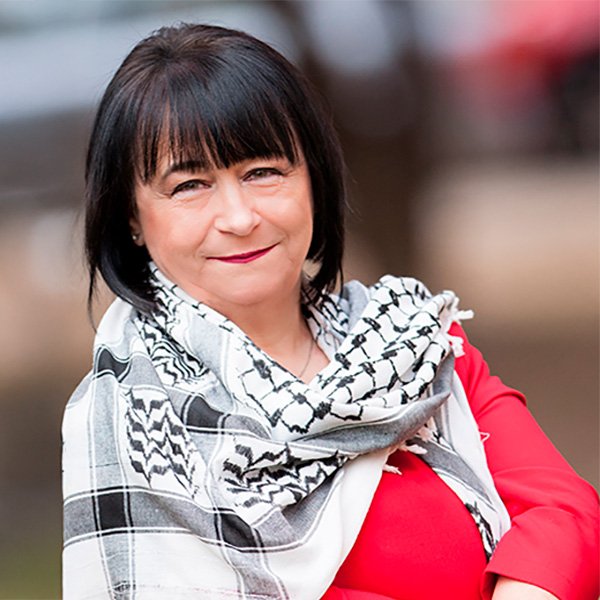

Ph.D. Political Science, Department of Political Studies, Faculty of Law, University of Skopje, 1992 MA Political Science, Department for Political Studies, Faculty of Law, University of Skopje, 1988 BA Law, Department of Political and Administrative Studies, Faculty of Law, University of Skopje, 1982

Share

Leave a Reply

Your email address will not be published. Required fields are marked *

Related Posts

Peace is promoted by constructive proposals and dialogue Four preceding PressInfos have expressed concern over — and criticised — the ongoing, militarisation of the EU. Some will say: but there are no alternatives. We believe that there are always alternatives, that democracies are characterised by alternatives and choice, and that openly discussed alternatives will improve the quality and legitimacy of society’s decision–making. In addition, it is an intellectual and moral challenge to not only criticise but also be constructive. If we only tell people that we think they are wrong, they are not likely to listen. However, if we say: what are your views on this set of ideas and steps? — we may sometimes engage them in dialogue and sow a seed. Most people in power circles live their daily lives in in a time frame and a social space where certain ideas, viewpoints and concepts are just not...
Photos © TFF 2000 Read PressInfo 90 “Lift the Sanctions and Bring More Aid to Yugoslavia” See Pictures from Belgrade © TFF 2000 Please reprint, copy, archive, quote or re-post this item, but please retain the source.
Av FRANK SØHOLM GREVIL 16 augusti 2004  Vi er nu nået til tredje akt i det absurde teaterstykke, der i analogi med de store skueprocesser i Moskva 1936-38 er blevet døbt ‘Grevil-sagen’. Første akt bestod i min anonyme fremlæggelse af egenhændigt nedklassificerede rapporter i Berlingske Tidende i februar og marts. Andet akt udgjordes af min fremtræden med navn og billede i Information i april samt den efterfølgende mediestorm, som uden min direkte medvirken kostede en forsvarsminister taburetten samt en sigtelse for brud på tavshedspligten. Tredje akt bliver en retssag, hvor jeg står tiltalt for at have overtrådt straffelovens bestemmelser om uberettiget videregivelse eller udnyttelse af fortrolige oplysninger. Statsanklageren har ovenikøbet valgt at påberåbe sig særligt skærpende omstændigheder. Da jeg aldrig har modtaget betaling for at stille rapporterne til rådighed eller lade mig interviewe, må det skærpende bestå i, at “videregivelsen eller udnyttelsen er sket under sådanne omstændigheder, at det påfører...

Recent Articles

PressInfo # 141, December 21, 2001It’s time to prepare reconciliation between Albanians and Serbs PressInfo # 140, December 14, 2001Ibrahim Rugova’s decade-long leadership in Kosovo/a PressInfo # 139, 11. december, 2001En god nyhet: Jugoslaviens Sannings- och försoningskommission PressInfo # 139, 11. december, 2001Gode nyheder: Jugoslaviens Sandheds- og Forsoningskommission PressInfo # 139, December 11, 2001Good news: Yugoslavia’s Truth and Reconciliation Commission PressInfo # 138, November 8, 2001TFF co-founder PhD with thesis about young people with roots in other cultures PressInfo # 138, November 8, 2001TFF:s medstiftare doktor på avhandling om unga med ursprung i andra kulturer PressInfo # 137, October 17, 2001A new Marshall Plan: Advancing human security and controlling terrorism PressInfo # 136, October 15, 2001The UN and Annan really deserve it PressInfo # 135, October 10, 2001Preventing a terrorist mushroom cloud PressInfo # 134, 17 oktober, 2001Sverige og 11. september PressInfo # 134, October 9, 2001Sweden and September 11...
Peace is promoted by constructive proposals and dialogue Four preceding PressInfos have expressed concern over — and criticised — the ongoing, militarisation of the EU. Some will say: but there are no alternatives. We believe that there are always alternatives, that democracies are characterised by alternatives and choice, and that openly discussed alternatives will improve the quality and legitimacy of society’s decision–making. In addition, it is an intellectual and moral challenge to not only criticise but also be constructive. If we only tell people that we think they are wrong, they are not likely to listen. However, if we say: what are your views on this set of ideas and steps? — we may sometimes engage them in dialogue and sow a seed. Most people in power circles live their daily lives in in a time frame and a social space where certain ideas, viewpoints and concepts are just not...
Photos © TFF 2000 Read PressInfo 90 “Lift the Sanctions and Bring More Aid to Yugoslavia” See Pictures from Belgrade © TFF 2000 Please reprint, copy, archive, quote or re-post this item, but please retain the source.

TFF on Substack

Discover more from TFF Transnational Foundation & Jan Oberg.

Most Popular

PressInfo # 141, December 21, 2001It’s time to prepare reconciliation between Albanians and Serbs PressInfo # 140, December 14, 2001Ibrahim Rugova’s decade-long leadership in Kosovo/a PressInfo # 139, 11. december, 2001En god nyhet: Jugoslaviens Sannings- och försoningskommission PressInfo # 139, 11. december, 2001Gode nyheder: Jugoslaviens Sandheds- og Forsoningskommission PressInfo # 139, December 11, 2001Good news: Yugoslavia’s Truth and Reconciliation Commission PressInfo # 138, November 8, 2001TFF co-founder PhD with thesis about young people with roots in other cultures PressInfo # 138, November 8, 2001TFF:s medstiftare doktor på avhandling om unga med ursprung i andra kulturer PressInfo # 137, October 17, 2001A new Marshall Plan: Advancing human security and controlling terrorism PressInfo # 136, October 15, 2001The UN and Annan really deserve it PressInfo # 135, October 10, 2001Preventing a terrorist mushroom cloud PressInfo # 134, 17 oktober, 2001Sverige og 11. september PressInfo # 134, October 9, 2001Sweden and September 11...
Peace is promoted by constructive proposals and dialogue Four preceding PressInfos have expressed concern over — and criticised — the ongoing, militarisation of the EU. Some will say: but there are no alternatives. We believe that there are always alternatives, that democracies are characterised by alternatives and choice, and that openly discussed alternatives will improve the quality and legitimacy of society’s decision–making. In addition, it is an intellectual and moral challenge to not only criticise but also be constructive. If we only tell people that we think they are wrong, they are not likely to listen. However, if we say: what are your views on this set of ideas and steps? — we may sometimes engage them in dialogue and sow a seed. Most people in power circles live their daily lives in in a time frame and a social space where certain ideas, viewpoints and concepts are just not...
Photos © TFF 2000 Read PressInfo 90 “Lift the Sanctions and Bring More Aid to Yugoslavia” See Pictures from Belgrade © TFF 2000 Please reprint, copy, archive, quote or re-post this item, but please retain the source.
Read More
Imagen-thumbnail-The-Transnational-1
PressInfo # 141, December 21, 2001It’s time to prepare reconciliation between Albanians and Serbs PressInfo # 140, December 14, 2001Ibrahim Rugova’s decade-long leadership in Kosovo/a PressInfo # 139, 11. december, 2001En god nyhet: Jugoslaviens Sannings- och försoningskommission PressInfo # 139, 11. december, 2001Gode nyheder: Jugoslaviens Sandheds- og Forsoningskommission PressInfo # 139, December 11, 2001Good news: Yugoslavia’s Truth and Reconciliation Commission PressInfo # 138, November 8, 2001TFF co-founder PhD with thesis about young people with roots in other cultures PressInfo # 138, November 8, 2001TFF:s medstiftare doktor på avhandling om unga med ursprung i andra kulturer PressInfo # 137, October 17, 2001A new Marshall Plan: Advancing human security and controlling terrorism PressInfo # 136, October 15, 2001The UN and Annan really deserve it PressInfo # 135, October 10, 2001Preventing a terrorist mushroom cloud PressInfo # 134, 17 oktober, 2001Sverige og 11. september PressInfo # 134, October 9, 2001Sweden and September 11...
Imagen-thumbnail-The-Transnational-1
Peace is promoted by constructive proposals and dialogue Four preceding PressInfos have expressed concern over — and criticised — the ongoing, militarisation of the EU. Some will say: but there are no alternatives. We believe that there are always alternatives, that democracies are characterised by alternatives and choice, and that openly discussed alternatives will improve the quality and legitimacy of society’s decision–making. In addition, it is an intellectual and moral challenge to not only criticise but also be constructive. If we only tell people that we think they are wrong, they are not likely to listen. However, if we say: what are your views on this set of ideas and steps? — we may sometimes engage them in dialogue and sow a seed. Most people in power circles live their daily lives in in a time frame and a social space where certain ideas, viewpoints and concepts are just not...
Imagen-thumbnail-The-Transnational-1
Photos © TFF 2000 Read PressInfo 90 “Lift the Sanctions and Bring More Aid to Yugoslavia” See Pictures from Belgrade © TFF 2000 Please reprint, copy, archive, quote or re-post this item, but please retain the source.
Imagen-thumbnail-The-Transnational-1
Av FRANK SØHOLM GREVIL 16 augusti 2004  Vi er nu nået til tredje akt i det absurde teaterstykke, der i analogi med de store skueprocesser i Moskva 1936-38 er blevet døbt ‘Grevil-sagen’. Første akt bestod i min anonyme fremlæggelse af egenhændigt nedklassificerede rapporter i Berlingske Tidende i februar og marts. Andet akt udgjordes af min fremtræden med navn og billede i Information i april samt den efterfølgende mediestorm, som uden min direkte medvirken kostede en forsvarsminister taburetten samt en sigtelse for brud på tavshedspligten. Tredje akt bliver en retssag, hvor jeg står tiltalt for at have overtrådt straffelovens bestemmelser om uberettiget videregivelse eller udnyttelse af fortrolige oplysninger. Statsanklageren har ovenikøbet valgt at påberåbe sig særligt skærpende omstændigheder. Da jeg aldrig har modtaget betaling for at stille rapporterne til rådighed eller lade mig interviewe, må det skærpende bestå i, at “videregivelsen eller udnyttelsen er sket under sådanne omstændigheder, at det påfører...
Imagen-thumbnail-The-Transnational-1
Af Svenska Irakkommittén mot de Ekonomiska Sanktionerna (SIES) 13 september 2002 FN:s ekonomiska sanktioner mot Irak har nu pågått i tolv år och drabbat det irakiska folket med svåra lidanden. Enligt FN:s egna siffror har mer än 1,5 miljoner människor, varav ca 600 000 barn, dött som en direkt följd av sanktionerna. Dessutom har ett lågintensivt bombkrig mot landet pågått under dessa år. Av all denna förödelse- orsakad huvudsakligen av amerikansk och brittisk politik- har Saddam Husseins brutala och diktatoriska regim snarast stärkts än försvagats. Nu förbereder USA under president Bushs ledning ett storskaligt bombkrig mot Irak som kommer att innebära ett ännu större lidande för civilbefolkningen. Ett sådant krig kommer dessutom att ytterligare undergräva freden och säkerheten i världen. Att upprätta en demokratisk regim i Irak är det irakiska folkets angelägenhet och får enligt folkrätten inte ske med krigshandlingar utifrån. Folkrätten och FN:s stadgar måste respekteras. Vi vädjar till...