
Foreign Reminders of Home Terrors

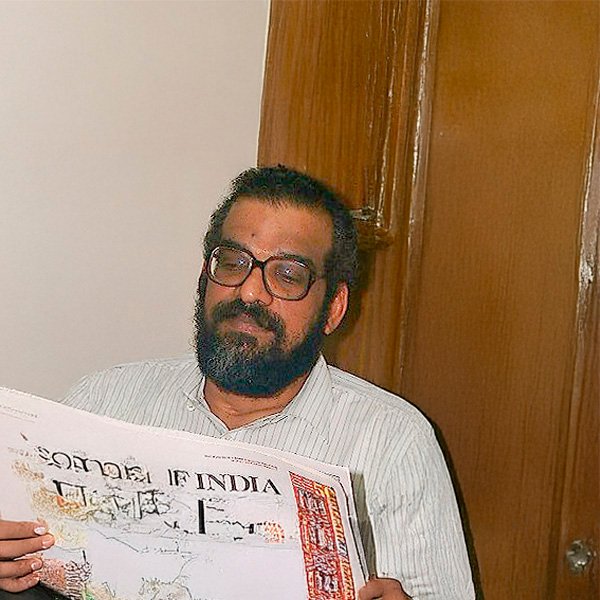
By Shastri Ramachandaran, Times of India 

April 2, 2002 

STOCKHOLM – “Are you not afraid? Is there no fear in India and among Indians after the September 11 attack on the United States?”

This was a recurrent question posed by friends, journalists, travelling companions and acquaintances during my 13-day sojourn from Copenhagen, through Malmo, Lund and Kalmar to Stockholm. The questions came from Danes, Swedes, Norwegians, Hungarians, Austrians, Pakistanis and, of course, Indians also living in these parts.

Invariably, I would burst in to a laugh that provoked them to insistently ask: “But aren’t you frightened with all this terrorism?” I get serious and say that there are few terrors for me as an Indian, at home or abroad. Their perplexed expressions and the expectant silence oblige me to explain that you can die for a million reasons in India; it does not have to be terrorism or bombs alone; and you don’t have to be working in the WTC or the Pentagon.

They still don’t take me seriously. So I have to get even more literal. Here are the other causes and conditions, big and small, of which you can perish in India.

You can disappear in to the ground beneath your feet in an earthquake of the kind that shook Gujarat in January this year or suffocate to death under the rubble. You can be swept away in the cyclone that struck the south-eastern state of Orissa months before the Gujarat disaster. If you survived these two calamities you could still be claimed by famine in Orissa because you cannot subsist on mango kernels or die of starvation even as the granaries are overflowing with unsold stock of rice and wheat.

You can die in riots and demonstrations over disputes about places of worship or even demolition of a mosque. You can die in riots and agitation over language policy, sharing of inter-state river waters, clashes between castes, conflict between communities or even in any democratic protest or strike action. The trigger for violent clashes can be linguistic, religious, ethnic, issues of development, rights of the poor, demands for wage hikes, traditional rights of forest-dwellers and tribes, policies of affirmative action or reverse discrimination, boothcapturing during elections, landless agricultural labour asking for minimum wages, Maoist struggles. You don’t even have to be a participant. You may just happen to be near the scene, passing by, working or living there. Or merely within firing distance of the man who shoots, and not always as a part of police action.

You can die of drinking illicit hooch, as over 40 poor people did in Noida, adjoining Delhi, in the third week of October. You can get sucked in to the gap of a faulty escalator, like a child was at the international airport. You could be on a hijacked plane, like the newly-wed man who was separated from his bride and killed in Kandahar after the plane was taken from Kathmandu. You can die in gang wars of the Mumbai underworld or terrorist attacks in Jammu and Kashmir; and Punjab, and at one time in Tamil Nadu thanks to the LTTE. You can also meet your end at the hands of the forest brigand Veerappan or the police forces in hot pursuit of him.

You can die of environmental pollution or as a result of faulty implementation of policies for a cleaner fuel -like buses retro-fitted with compressed natural gas equipment exploding or catching fire. Children could die because the school bus drivers are rash and negligent -many are crushed under the vehicles while alighting or boarding or the bus simply falls of a bridge as it did, taking some 50 children with it in to the river. Commuters can get knifed by goons in Delhi buses. Businessmen and their children get kidnapped for ransom and extortion, and killed regardless of whether they pay up or don’t. Children can die slow deaths as labour in hazardous industries like match factories.

You can die of starvation, destitution, deprivation, street violence, plain poverty, traffic accidents. You can die in the cold waves during winter, heat waves in summer or in the monsoon floods or building collapses. Or be snatched by a jungle cat from a fortified bus while driving through a wild life park, as happened in Bangalore some years ago. You can breathe your last in a hospital too because the wrong organ was operated or removed, or some surgical implement was left within you before being stitched up.

Death comes easily. It is not only living but also life that is cheap in India. And death is not always dramatic. The annual cycle of epidemics only increase the toll taken by air and water-borne diseases and various communicable, infections and contagious diseases.

There are a million terrors to survive daily and with every bout of survival, fear dies. People cannot afford fear if they want to get on with the business of living. Osama bin Laden or bombs falling off-target from US planes are just one more in a list that cannot even be numbered.

A nuclear apocalypse is too remote for those who survive such daily terrors. So, when countries like Sweden and Denmark cut off development assistance after the nuclear tests in 1998, people simply laughed. Now when they are back on track to resume development cooperation, people still laugh. The government that was sought to be isolated for the nuclear tests is now on the threshold of a new arms race. But never mind.

We took the lead from Washington for cutting off assistance and now we take the lead from Washington lifting sanctions to resume development cooperation, is the cynical approach.

Even as the development cooperators come, on a parallel track are those peddling arms, from the Danish defence ministry or Bofors salesmen from Sweden.

What is development cooperation about anyway, might well ask those who brave terrors other than the kind of terrorism that has struck America. About democracy, electoral assistance, human rights, environmental protection – all instruments of foreign policy and trade for the rich industrialised nations. Now even aid and relief organisations have been reduced to an adjunct of war, as in Afghanistan.

Can development cooperation in some way make exploitative governments, and corporatised, careerist NGOs, in the third world take a few steps towards survival issues: food, safe drinking water, primary health care, education, shelter, public transport and livelihood?

Security in this part of the world means much more than a nuclearised NATO umbrella or freedom from fear of nuclear weapons. There are just to many other commonplace terrors to be terrified of one kind of terrorism alone.

Share

Leave a Reply

Your email address will not be published. Required fields are marked *

Related Posts

Peace is promoted by constructive proposals and dialogue Four preceding PressInfos have expressed concern over — and criticised — the ongoing, militarisation of the EU. Some will say: but there are no alternatives. We believe that there are always alternatives, that democracies are characterised by alternatives and choice, and that openly discussed alternatives will improve the quality and legitimacy of society’s decision–making. In addition, it is an intellectual and moral challenge to not only criticise but also be constructive. If we only tell people that we think they are wrong, they are not likely to listen. However, if we say: what are your views on this set of ideas and steps? — we may sometimes engage them in dialogue and sow a seed. Most people in power circles live their daily lives in in a time frame and a social space where certain ideas, viewpoints and concepts are just not...
Photos © TFF 2000 Read PressInfo 90 “Lift the Sanctions and Bring More Aid to Yugoslavia” See Pictures from Belgrade © TFF 2000 Please reprint, copy, archive, quote or re-post this item, but please retain the source.
Av FRANK SØHOLM GREVIL 16 augusti 2004  Vi er nu nået til tredje akt i det absurde teaterstykke, der i analogi med de store skueprocesser i Moskva 1936-38 er blevet døbt ‘Grevil-sagen’. Første akt bestod i min anonyme fremlæggelse af egenhændigt nedklassificerede rapporter i Berlingske Tidende i februar og marts. Andet akt udgjordes af min fremtræden med navn og billede i Information i april samt den efterfølgende mediestorm, som uden min direkte medvirken kostede en forsvarsminister taburetten samt en sigtelse for brud på tavshedspligten. Tredje akt bliver en retssag, hvor jeg står tiltalt for at have overtrådt straffelovens bestemmelser om uberettiget videregivelse eller udnyttelse af fortrolige oplysninger. Statsanklageren har ovenikøbet valgt at påberåbe sig særligt skærpende omstændigheder. Da jeg aldrig har modtaget betaling for at stille rapporterne til rådighed eller lade mig interviewe, må det skærpende bestå i, at “videregivelsen eller udnyttelsen er sket under sådanne omstændigheder, at det påfører...

Recent Articles

PressInfo # 141, December 21, 2001It’s time to prepare reconciliation between Albanians and Serbs PressInfo # 140, December 14, 2001Ibrahim Rugova’s decade-long leadership in Kosovo/a PressInfo # 139, 11. december, 2001En god nyhet: Jugoslaviens Sannings- och försoningskommission PressInfo # 139, 11. december, 2001Gode nyheder: Jugoslaviens Sandheds- og Forsoningskommission PressInfo # 139, December 11, 2001Good news: Yugoslavia’s Truth and Reconciliation Commission PressInfo # 138, November 8, 2001TFF co-founder PhD with thesis about young people with roots in other cultures PressInfo # 138, November 8, 2001TFF:s medstiftare doktor på avhandling om unga med ursprung i andra kulturer PressInfo # 137, October 17, 2001A new Marshall Plan: Advancing human security and controlling terrorism PressInfo # 136, October 15, 2001The UN and Annan really deserve it PressInfo # 135, October 10, 2001Preventing a terrorist mushroom cloud PressInfo # 134, 17 oktober, 2001Sverige og 11. september PressInfo # 134, October 9, 2001Sweden and September 11...
Peace is promoted by constructive proposals and dialogue Four preceding PressInfos have expressed concern over — and criticised — the ongoing, militarisation of the EU. Some will say: but there are no alternatives. We believe that there are always alternatives, that democracies are characterised by alternatives and choice, and that openly discussed alternatives will improve the quality and legitimacy of society’s decision–making. In addition, it is an intellectual and moral challenge to not only criticise but also be constructive. If we only tell people that we think they are wrong, they are not likely to listen. However, if we say: what are your views on this set of ideas and steps? — we may sometimes engage them in dialogue and sow a seed. Most people in power circles live their daily lives in in a time frame and a social space where certain ideas, viewpoints and concepts are just not...
Photos © TFF 2000 Read PressInfo 90 “Lift the Sanctions and Bring More Aid to Yugoslavia” See Pictures from Belgrade © TFF 2000 Please reprint, copy, archive, quote or re-post this item, but please retain the source.

TFF on Substack

Discover more from TFF Transnational Foundation & Jan Oberg.

Most Popular

PressInfo # 141, December 21, 2001It’s time to prepare reconciliation between Albanians and Serbs PressInfo # 140, December 14, 2001Ibrahim Rugova’s decade-long leadership in Kosovo/a PressInfo # 139, 11. december, 2001En god nyhet: Jugoslaviens Sannings- och försoningskommission PressInfo # 139, 11. december, 2001Gode nyheder: Jugoslaviens Sandheds- og Forsoningskommission PressInfo # 139, December 11, 2001Good news: Yugoslavia’s Truth and Reconciliation Commission PressInfo # 138, November 8, 2001TFF co-founder PhD with thesis about young people with roots in other cultures PressInfo # 138, November 8, 2001TFF:s medstiftare doktor på avhandling om unga med ursprung i andra kulturer PressInfo # 137, October 17, 2001A new Marshall Plan: Advancing human security and controlling terrorism PressInfo # 136, October 15, 2001The UN and Annan really deserve it PressInfo # 135, October 10, 2001Preventing a terrorist mushroom cloud PressInfo # 134, 17 oktober, 2001Sverige og 11. september PressInfo # 134, October 9, 2001Sweden and September 11...
Peace is promoted by constructive proposals and dialogue Four preceding PressInfos have expressed concern over — and criticised — the ongoing, militarisation of the EU. Some will say: but there are no alternatives. We believe that there are always alternatives, that democracies are characterised by alternatives and choice, and that openly discussed alternatives will improve the quality and legitimacy of society’s decision–making. In addition, it is an intellectual and moral challenge to not only criticise but also be constructive. If we only tell people that we think they are wrong, they are not likely to listen. However, if we say: what are your views on this set of ideas and steps? — we may sometimes engage them in dialogue and sow a seed. Most people in power circles live their daily lives in in a time frame and a social space where certain ideas, viewpoints and concepts are just not...
Photos © TFF 2000 Read PressInfo 90 “Lift the Sanctions and Bring More Aid to Yugoslavia” See Pictures from Belgrade © TFF 2000 Please reprint, copy, archive, quote or re-post this item, but please retain the source.
Read More
Imagen-thumbnail-The-Transnational-1
PressInfo # 141, December 21, 2001It’s time to prepare reconciliation between Albanians and Serbs PressInfo # 140, December 14, 2001Ibrahim Rugova’s decade-long leadership in Kosovo/a PressInfo # 139, 11. december, 2001En god nyhet: Jugoslaviens Sannings- och försoningskommission PressInfo # 139, 11. december, 2001Gode nyheder: Jugoslaviens Sandheds- og Forsoningskommission PressInfo # 139, December 11, 2001Good news: Yugoslavia’s Truth and Reconciliation Commission PressInfo # 138, November 8, 2001TFF co-founder PhD with thesis about young people with roots in other cultures PressInfo # 138, November 8, 2001TFF:s medstiftare doktor på avhandling om unga med ursprung i andra kulturer PressInfo # 137, October 17, 2001A new Marshall Plan: Advancing human security and controlling terrorism PressInfo # 136, October 15, 2001The UN and Annan really deserve it PressInfo # 135, October 10, 2001Preventing a terrorist mushroom cloud PressInfo # 134, 17 oktober, 2001Sverige og 11. september PressInfo # 134, October 9, 2001Sweden and September 11...
Imagen-thumbnail-The-Transnational-1
Peace is promoted by constructive proposals and dialogue Four preceding PressInfos have expressed concern over — and criticised — the ongoing, militarisation of the EU. Some will say: but there are no alternatives. We believe that there are always alternatives, that democracies are characterised by alternatives and choice, and that openly discussed alternatives will improve the quality and legitimacy of society’s decision–making. In addition, it is an intellectual and moral challenge to not only criticise but also be constructive. If we only tell people that we think they are wrong, they are not likely to listen. However, if we say: what are your views on this set of ideas and steps? — we may sometimes engage them in dialogue and sow a seed. Most people in power circles live their daily lives in in a time frame and a social space where certain ideas, viewpoints and concepts are just not...
Imagen-thumbnail-The-Transnational-1
Photos © TFF 2000 Read PressInfo 90 “Lift the Sanctions and Bring More Aid to Yugoslavia” See Pictures from Belgrade © TFF 2000 Please reprint, copy, archive, quote or re-post this item, but please retain the source.
Imagen-thumbnail-The-Transnational-1
Av FRANK SØHOLM GREVIL 16 augusti 2004  Vi er nu nået til tredje akt i det absurde teaterstykke, der i analogi med de store skueprocesser i Moskva 1936-38 er blevet døbt ‘Grevil-sagen’. Første akt bestod i min anonyme fremlæggelse af egenhændigt nedklassificerede rapporter i Berlingske Tidende i februar og marts. Andet akt udgjordes af min fremtræden med navn og billede i Information i april samt den efterfølgende mediestorm, som uden min direkte medvirken kostede en forsvarsminister taburetten samt en sigtelse for brud på tavshedspligten. Tredje akt bliver en retssag, hvor jeg står tiltalt for at have overtrådt straffelovens bestemmelser om uberettiget videregivelse eller udnyttelse af fortrolige oplysninger. Statsanklageren har ovenikøbet valgt at påberåbe sig særligt skærpende omstændigheder. Da jeg aldrig har modtaget betaling for at stille rapporterne til rådighed eller lade mig interviewe, må det skærpende bestå i, at “videregivelsen eller udnyttelsen er sket under sådanne omstændigheder, at det påfører...
Imagen-thumbnail-The-Transnational-1
Af Svenska Irakkommittén mot de Ekonomiska Sanktionerna (SIES) 13 september 2002 FN:s ekonomiska sanktioner mot Irak har nu pågått i tolv år och drabbat det irakiska folket med svåra lidanden. Enligt FN:s egna siffror har mer än 1,5 miljoner människor, varav ca 600 000 barn, dött som en direkt följd av sanktionerna. Dessutom har ett lågintensivt bombkrig mot landet pågått under dessa år. Av all denna förödelse- orsakad huvudsakligen av amerikansk och brittisk politik- har Saddam Husseins brutala och diktatoriska regim snarast stärkts än försvagats. Nu förbereder USA under president Bushs ledning ett storskaligt bombkrig mot Irak som kommer att innebära ett ännu större lidande för civilbefolkningen. Ett sådant krig kommer dessutom att ytterligare undergräva freden och säkerheten i världen. Att upprätta en demokratisk regim i Irak är det irakiska folkets angelägenhet och får enligt folkrätten inte ske med krigshandlingar utifrån. Folkrätten och FN:s stadgar måste respekteras. Vi vädjar till...