No War Against Iraq

The Bush administration’s apparent resolve to wage war against Iraq, tempered for the moment by conservative critics, violates the spirit and letter of the US Constitution, as well as disregards the prohibitions on the use of force that are set forth in the UN Charter and accepted as binding rules of international law. Article 2(4) of the UN Charter states: “All Members shall refrain in their international relations from the threat or use of force against the territorial integrity or political independence of any state, or in any other manner inconsistent with the Purposes of the United Nations.”

Nothing in Iraq’s current behavior would justify a preemptive attack against Iraq based upon self-defense as set forth in Article 51 of the Charter. Even Henry Kissinger has stated, “The notion of justified pre-emption runs counter to modern international law, which sanctions the use of force in self-defense only against actual not potential threats.”

The proposed war would also have dangerous, destabilizing and unpredictable consequences for the region and the world, and would likely bring turmoil to the world oil and financial markets. While certainly not endorsing the current repressive governments in Egypt and Saudi Arabia, a war against Iraq could likely produce militantly anti-American governments in these countries that would intensify the existing dangers of global terrorism. 

We oppose on principle and for reasons of prudence, the acquisition of weapons of mass destruction, especially nuclear weapons, by any country, including, of course, Iraq. Our position is one of support for the Non-Proliferation Treaty as a temporary expedient, while a good faith effort is being made to achieve the overall abolition of nuclear weapons through a disarmament treaty with reliable safeguards against cheating. At the 2000 Review Conference of the Non-Proliferation Treaty, the nuclear weapons states made an “unequivocal undertaking to accomplish the total elimination of their nuclear arsenals.” Unfortunately, they have not taken this or other promises for nuclear disarmament seriously and, at present, no effort to achieve nuclear disarmament is being made. US policy under the Bush administration has been particularly egregious in obstructing movement toward eliminating nuclear arsenals.

At the same time, the acquisition of nuclear weaponry, prohibited to Iraq by Security Council resolution, is not itself an occasion for justifiable war. After all, the United States, along with at least seven other countries, possesses and continues to develop such weaponry. There are good reasons for supposing that Iraq can be deterred from ever using such weapons, or from transferring them to al Qaeda or other terrorist groups. The government of Iraq, notwithstanding its record of brutality and regional aggression, has shown a consistent willingness to back down in the face of overwhelming force, as it did in the Gulf War and during the subsequent decade. As well, Iraq has had a general posture of antagonism toward political Islam, and as a radical secular state is a target of al Qaeda rather than an ally. The alleged prospect of a transfer of weapons of mass destruction by Baghdad to those engaged in global terrorism is either an embarrassing display of ignorance about the politics of the Islamic world or it represents an attempt to arouse the fears of Americans to win support for war.

It is necessary to take seriously the possibility that al Qaeda operatives could gain access to weaponry of mass destruction, and would have little hesitation about using it against American targets. Unlike Iraq, al Qaeda cannot be deterred by threats of retaliatory force. Its absence of a territorial base, visionary worldview, and suicidal foot soldiers disclose a political disposition that would seek by any means to inflict maximum harm. The US government should be devoting far more attention and resources to reducing these risks, especially with respect to the rather loose control of nuclear materials in Russia. Going to war against Iraq is likely to accentuate, rather than reduce, these dire risks. It would produce the one set of conditions in which Saddam Hussein, faced with the certain death and the destruction of his country, would have the greatest incentive to strike back with any means at his disposal, including the arming of al Qaeda.

The recent hearings of the Senate Foreign Relations Committee did not provide an occasion for public debate, as the witnesses called accepted as legitimate the goal of a regime change for Iraq, disagreeing only with respect to the costs and feasibility of a war strategy. No principled criticism of the strategy itself was voiced, and thus the hearings are better understood as building a consensus in favor of war than of exploring doubts about the war option. As well, it is regrettable that the hearings paid no attention to the widely criticized punitive sanctions that have had such harsh consequences on Iraqi civilians for more than a decade. The hearings also failed even to raise the critical Constitutional issue of authority to wage war, which vests in the Congress and not with the President, and requires a casus belli as defined by international law. 

Granting the concerns of the US government that Saddam Hussein possesses or may obtain weapons of mass destruction, there are available alternatives to war that are consistent with international law and are strongly preferred by America’s most trusted allies. These include the resumption of weapons inspections under United Nations auspices combined with multilateral diplomacy and a continued reliance on non-nuclear deterrence. This kind of approach has proved effective over the years in addressing comparable concerns about North Korea’s pursuit of a nuclear weapons capability.

We are encouraged by the reported practical objections to the proposed war by important US establishment figures and most US allies. Personally, and on behalf of the Nuclear Age Peace Foundation, we urge the American people to exercise their responsibilities as citizens to join in raising their voices in opposition to waging war against Iraq, not only because of its high risks of failure and blowback, but on principled grounds that this country upholds international law and respects the constraints of its own Constitution, and is respectful of world public opinion and of the United Nations framework dedicated to the prevention of war.

The Nuclear Age Peace Foundation can be found at www.wagingpeace.org

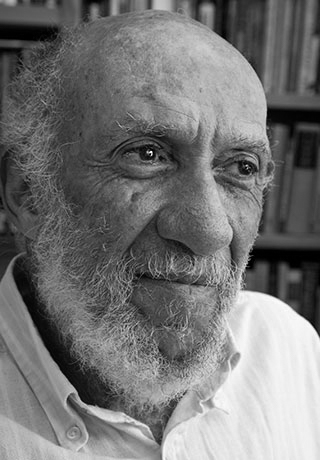
Professor Falk became an adviser to TFF when it was established in 1985.

Share

Leave a Reply

Your email address will not be published. Required fields are marked *

Related Posts

Peace is promoted by constructive proposals and dialogue Four preceding PressInfos have expressed concern over — and criticised — the ongoing, militarisation of the EU. Some will say: but there are no alternatives. We believe that there are always alternatives, that democracies are characterised by alternatives and choice, and that openly discussed alternatives will improve the quality and legitimacy of society’s decision–making. In addition, it is an intellectual and moral challenge to not only criticise but also be constructive. If we only tell people that we think they are wrong, they are not likely to listen. However, if we say: what are your views on this set of ideas and steps? — we may sometimes engage them in dialogue and sow a seed. Most people in power circles live their daily lives in in a time frame and a social space where certain ideas, viewpoints and concepts are just not...
Photos © TFF 2000 Read PressInfo 90 “Lift the Sanctions and Bring More Aid to Yugoslavia” See Pictures from Belgrade © TFF 2000 Please reprint, copy, archive, quote or re-post this item, but please retain the source.
Av FRANK SØHOLM GREVIL 16 augusti 2004  Vi er nu nået til tredje akt i det absurde teaterstykke, der i analogi med de store skueprocesser i Moskva 1936-38 er blevet døbt ‘Grevil-sagen’. Første akt bestod i min anonyme fremlæggelse af egenhændigt nedklassificerede rapporter i Berlingske Tidende i februar og marts. Andet akt udgjordes af min fremtræden med navn og billede i Information i april samt den efterfølgende mediestorm, som uden min direkte medvirken kostede en forsvarsminister taburetten samt en sigtelse for brud på tavshedspligten. Tredje akt bliver en retssag, hvor jeg står tiltalt for at have overtrådt straffelovens bestemmelser om uberettiget videregivelse eller udnyttelse af fortrolige oplysninger. Statsanklageren har ovenikøbet valgt at påberåbe sig særligt skærpende omstændigheder. Da jeg aldrig har modtaget betaling for at stille rapporterne til rådighed eller lade mig interviewe, må det skærpende bestå i, at “videregivelsen eller udnyttelsen er sket under sådanne omstændigheder, at det påfører...

Recent Articles

PressInfo # 141, December 21, 2001It’s time to prepare reconciliation between Albanians and Serbs PressInfo # 140, December 14, 2001Ibrahim Rugova’s decade-long leadership in Kosovo/a PressInfo # 139, 11. december, 2001En god nyhet: Jugoslaviens Sannings- och försoningskommission PressInfo # 139, 11. december, 2001Gode nyheder: Jugoslaviens Sandheds- og Forsoningskommission PressInfo # 139, December 11, 2001Good news: Yugoslavia’s Truth and Reconciliation Commission PressInfo # 138, November 8, 2001TFF co-founder PhD with thesis about young people with roots in other cultures PressInfo # 138, November 8, 2001TFF:s medstiftare doktor på avhandling om unga med ursprung i andra kulturer PressInfo # 137, October 17, 2001A new Marshall Plan: Advancing human security and controlling terrorism PressInfo # 136, October 15, 2001The UN and Annan really deserve it PressInfo # 135, October 10, 2001Preventing a terrorist mushroom cloud PressInfo # 134, 17 oktober, 2001Sverige og 11. september PressInfo # 134, October 9, 2001Sweden and September 11...
Peace is promoted by constructive proposals and dialogue Four preceding PressInfos have expressed concern over — and criticised — the ongoing, militarisation of the EU. Some will say: but there are no alternatives. We believe that there are always alternatives, that democracies are characterised by alternatives and choice, and that openly discussed alternatives will improve the quality and legitimacy of society’s decision–making. In addition, it is an intellectual and moral challenge to not only criticise but also be constructive. If we only tell people that we think they are wrong, they are not likely to listen. However, if we say: what are your views on this set of ideas and steps? — we may sometimes engage them in dialogue and sow a seed. Most people in power circles live their daily lives in in a time frame and a social space where certain ideas, viewpoints and concepts are just not...
Photos © TFF 2000 Read PressInfo 90 “Lift the Sanctions and Bring More Aid to Yugoslavia” See Pictures from Belgrade © TFF 2000 Please reprint, copy, archive, quote or re-post this item, but please retain the source.

TFF on Substack

Discover more from TFF Transnational Foundation & Jan Oberg.

Most Popular

PressInfo # 141, December 21, 2001It’s time to prepare reconciliation between Albanians and Serbs PressInfo # 140, December 14, 2001Ibrahim Rugova’s decade-long leadership in Kosovo/a PressInfo # 139, 11. december, 2001En god nyhet: Jugoslaviens Sannings- och försoningskommission PressInfo # 139, 11. december, 2001Gode nyheder: Jugoslaviens Sandheds- og Forsoningskommission PressInfo # 139, December 11, 2001Good news: Yugoslavia’s Truth and Reconciliation Commission PressInfo # 138, November 8, 2001TFF co-founder PhD with thesis about young people with roots in other cultures PressInfo # 138, November 8, 2001TFF:s medstiftare doktor på avhandling om unga med ursprung i andra kulturer PressInfo # 137, October 17, 2001A new Marshall Plan: Advancing human security and controlling terrorism PressInfo # 136, October 15, 2001The UN and Annan really deserve it PressInfo # 135, October 10, 2001Preventing a terrorist mushroom cloud PressInfo # 134, 17 oktober, 2001Sverige og 11. september PressInfo # 134, October 9, 2001Sweden and September 11...
Peace is promoted by constructive proposals and dialogue Four preceding PressInfos have expressed concern over — and criticised — the ongoing, militarisation of the EU. Some will say: but there are no alternatives. We believe that there are always alternatives, that democracies are characterised by alternatives and choice, and that openly discussed alternatives will improve the quality and legitimacy of society’s decision–making. In addition, it is an intellectual and moral challenge to not only criticise but also be constructive. If we only tell people that we think they are wrong, they are not likely to listen. However, if we say: what are your views on this set of ideas and steps? — we may sometimes engage them in dialogue and sow a seed. Most people in power circles live their daily lives in in a time frame and a social space where certain ideas, viewpoints and concepts are just not...
Photos © TFF 2000 Read PressInfo 90 “Lift the Sanctions and Bring More Aid to Yugoslavia” See Pictures from Belgrade © TFF 2000 Please reprint, copy, archive, quote or re-post this item, but please retain the source.
Read More
Imagen-thumbnail-The-Transnational-1
PressInfo # 141, December 21, 2001It’s time to prepare reconciliation between Albanians and Serbs PressInfo # 140, December 14, 2001Ibrahim Rugova’s decade-long leadership in Kosovo/a PressInfo # 139, 11. december, 2001En god nyhet: Jugoslaviens Sannings- och försoningskommission PressInfo # 139, 11. december, 2001Gode nyheder: Jugoslaviens Sandheds- og Forsoningskommission PressInfo # 139, December 11, 2001Good news: Yugoslavia’s Truth and Reconciliation Commission PressInfo # 138, November 8, 2001TFF co-founder PhD with thesis about young people with roots in other cultures PressInfo # 138, November 8, 2001TFF:s medstiftare doktor på avhandling om unga med ursprung i andra kulturer PressInfo # 137, October 17, 2001A new Marshall Plan: Advancing human security and controlling terrorism PressInfo # 136, October 15, 2001The UN and Annan really deserve it PressInfo # 135, October 10, 2001Preventing a terrorist mushroom cloud PressInfo # 134, 17 oktober, 2001Sverige og 11. september PressInfo # 134, October 9, 2001Sweden and September 11...
Imagen-thumbnail-The-Transnational-1
Peace is promoted by constructive proposals and dialogue Four preceding PressInfos have expressed concern over — and criticised — the ongoing, militarisation of the EU. Some will say: but there are no alternatives. We believe that there are always alternatives, that democracies are characterised by alternatives and choice, and that openly discussed alternatives will improve the quality and legitimacy of society’s decision–making. In addition, it is an intellectual and moral challenge to not only criticise but also be constructive. If we only tell people that we think they are wrong, they are not likely to listen. However, if we say: what are your views on this set of ideas and steps? — we may sometimes engage them in dialogue and sow a seed. Most people in power circles live their daily lives in in a time frame and a social space where certain ideas, viewpoints and concepts are just not...
Imagen-thumbnail-The-Transnational-1
Photos © TFF 2000 Read PressInfo 90 “Lift the Sanctions and Bring More Aid to Yugoslavia” See Pictures from Belgrade © TFF 2000 Please reprint, copy, archive, quote or re-post this item, but please retain the source.
Imagen-thumbnail-The-Transnational-1
Av FRANK SØHOLM GREVIL 16 augusti 2004  Vi er nu nået til tredje akt i det absurde teaterstykke, der i analogi med de store skueprocesser i Moskva 1936-38 er blevet døbt ‘Grevil-sagen’. Første akt bestod i min anonyme fremlæggelse af egenhændigt nedklassificerede rapporter i Berlingske Tidende i februar og marts. Andet akt udgjordes af min fremtræden med navn og billede i Information i april samt den efterfølgende mediestorm, som uden min direkte medvirken kostede en forsvarsminister taburetten samt en sigtelse for brud på tavshedspligten. Tredje akt bliver en retssag, hvor jeg står tiltalt for at have overtrådt straffelovens bestemmelser om uberettiget videregivelse eller udnyttelse af fortrolige oplysninger. Statsanklageren har ovenikøbet valgt at påberåbe sig særligt skærpende omstændigheder. Da jeg aldrig har modtaget betaling for at stille rapporterne til rådighed eller lade mig interviewe, må det skærpende bestå i, at “videregivelsen eller udnyttelsen er sket under sådanne omstændigheder, at det påfører...
Imagen-thumbnail-The-Transnational-1
Af Svenska Irakkommittén mot de Ekonomiska Sanktionerna (SIES) 13 september 2002 FN:s ekonomiska sanktioner mot Irak har nu pågått i tolv år och drabbat det irakiska folket med svåra lidanden. Enligt FN:s egna siffror har mer än 1,5 miljoner människor, varav ca 600 000 barn, dött som en direkt följd av sanktionerna. Dessutom har ett lågintensivt bombkrig mot landet pågått under dessa år. Av all denna förödelse- orsakad huvudsakligen av amerikansk och brittisk politik- har Saddam Husseins brutala och diktatoriska regim snarast stärkts än försvagats. Nu förbereder USA under president Bushs ledning ett storskaligt bombkrig mot Irak som kommer att innebära ett ännu större lidande för civilbefolkningen. Ett sådant krig kommer dessutom att ytterligare undergräva freden och säkerheten i världen. Att upprätta en demokratisk regim i Irak är det irakiska folkets angelägenhet och får enligt folkrätten inte ske med krigshandlingar utifrån. Folkrätten och FN:s stadgar måste respekteras. Vi vädjar till...