PI 435 Likely: Nuclear Use Within Months (Part 2) - How to avoid it and build peace with Korea?

/11/tff-pressinfo-434-nuclear-weapons-use-within-months-part-1-why/”>Part 1 about the risks here

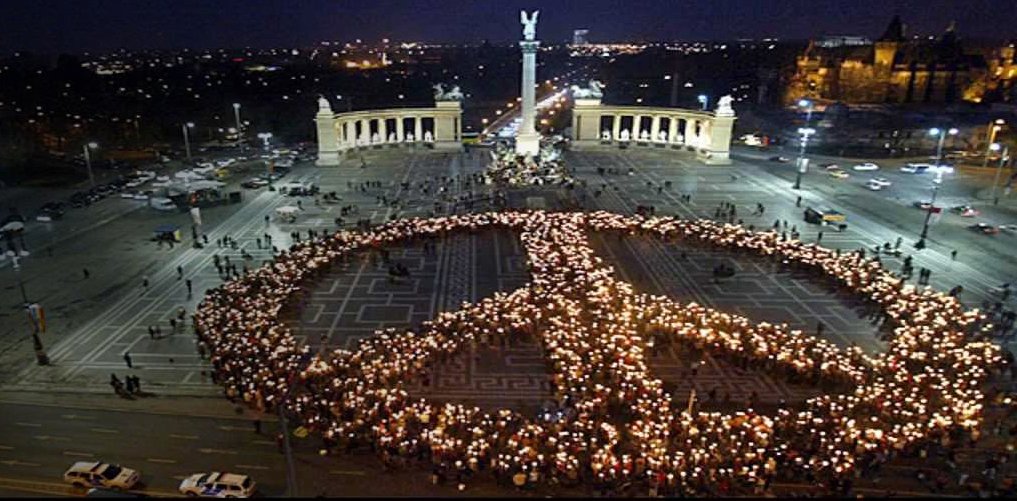
Fact is that we are dealing here with a conflict that is the most threatening to humankind’s survival and it would be rather more easy to solve than most other conflicts.

This has recently been pointed out by TFF Board Member and former Co-President of International Physicians for the Prevention of Nuclear War, IPPNW, 2004-2008, Gunnar Westberg, in a short analysis.
How?

• The West – the EU or NATO, if not the US itself – takes a serious mediation initiative. As long as people talk, they don’t start wars. That in itself would de-escalate the tensions and risks in sharp contrast to continued tit-for-tat sandbox thinking and reckless statements, last by defence secretary Mad Dog Mattis at the border between the North and South.

• The vastly superior side stops every military activity in the waters close to the North while South Korea’s leadership take up contact with the leadership of the North.

• The type of provisions of Jimmy Carter’s old deal with the North Koreans are dusted off and used as inspiration for more: Give the North Koreans all the economic assistance they believe they need and give them civilian energy technology too – as a quid-pro-quo for very tight IAEA inspections and a written guarantee that it will not acquire nuclear weapons as long as the West keeps its side of such a deal. (President George W. Bush just destroyed that deal and thought it appropriate to include North Korea in his Axis Of Evil speech).

• Sign a non-aggression or non-attack pact between North and South Korea and between North Korea and the US. That is, undermine any fears the North Koreans may have. The overwhelming superiority of the adversaries of the North implies that such a pact would be risk-free to write and sign.

• Let North and South Korea freely decide if they want to unify. They have a perfect human and international legal right to do so, it’s nobody’s business but the Korean people’s. The world should assist them in doing so if they want.

• The US and North Korea sign a peace treaty (what exists today is only the 1953 ceasefire agreement).

• Respect that whoever is going to run Korea – North or South or One – is for their people to decide. No foreign country has a right to attempt regime change.

• The US and NATO states, Russia, India, Pakistan, China and Israel take credible steps one-by-one to reduce their arsenals and, as soon as possible, sign the BAN Treaty. It’s double standard politics to have thousands of nuclear weapons and threaten others with them – and simultaneously argue that this others shall never have a right to possess such weapons. The situation with North Korea illustrates why nuclear possession is immensely more important than nuclear proliferation – which is why those who possess nukes divert the attention to those who are proliferating.

• During the whole de-escalation and peace-building process, world public opinion is mobilised against any threat with or use of nuclear weapons by anyone, media highlight the horrific consequences of even a small, limited nuclear exchange for the countries, the region and the world. It’s a morally confused world in which politicians have to resign for sexual harassment while nobody bothers to demand their resignation for threatening with or advocating the use of nuclear weapons guaranteed to kill millions of people and making parts of the world uninhabitable.

Is this a one-sided backing down? No, it isn’t.

It rather illustrated how to take the interests of oneself and the global common good serious. What the North Koreans shall do as a quid-pro-quo is, as stated above, to abstain from any attempt to acquire nuclear weapons. Which is the purpose of those who are at odds with it?

An added benefit that peace and stability would bring is that the enormous natural resources that North Korea sit on could finally be exploited to the benefit of itself, first, but also to the world.

This in itself may be seen as an unfair, or double standard, goal in a world where virtually all its adversaries are nuclear ‘have’ countries, but that is not the issue here.

The steps outlined above are not mentioned in terms of priority or importance. It is a typical but counterproductive Western thinking to draw lines and follow uni-linear strategies with First, Second, Third .. step. If the first or second step doesn’t happen, nothing then follows and all are stuck.

All involved parties instead begin by taking the step that they can best take and thereby invite others to follow and reciprocate with more good steps – in the direction of de-escalation, stabilisation, diplomacy, dialogue, security and, finally sustained peace among all parties.

There is a theory for all this, developed by Charles Osgood and it is called GRIT – Gradual, Reciprocated Initiatives for Tension Reduction.

None of this will be possible unless it is recognised how extremely a-symmetric this conflict is and that the major moral responsibility for starting such a GRIT process is with the stronger party – and that this party must start with ”negative” steps – i.e. abstain from making things worse and then take ”positive” step that makes the situation move towards a better future. One must be deeply frightened by the fact that even a ground invasion “to secure all North Korea’s nuclear weapons” is discussed in the US.

It’s fully possible. Peace is possible. Also in this conflict. It’s a matter of intellectual capacity, ethics, empathy and vision and how to combine them with both self-interest and the common good.

But peace will not be possible with the policies, thinking and statements coming out of Washington and Pyongyang at the moment. They will, much more likely, lead to the use of nuclear weapons within months. One might see it all as a game, a war on words. But that sort of thing is not separable neither from psychological reactions such as fear and anger nor from behavioural responses.

A final word of ethics: No one has a right to decide about the fate of humankind or take such action that threatens continued life on earth. Humankind must raise its voice as one against every statement and activity that increases the risk of more or less complete destruction of the Earth and humanity as we know it.

The long-term solution – also to crises such as this one – lies of course in the ongoing, worldwide struggle for nuclear abolition. We need a normative, ethical revolution of the type that made people abhor cannibalism, absolute monarchy, slavery, child labour/soldiers, sexual misconduct or made smoking in public places unacceptable in a very short time-span.

Nuclear weapons have no place in the unfolding of human civilisation and partnership with Nature. Neither do the individuals, elites and systems that promote nuclear weapons and, thereby, the idea that millions of people can or should be killed for any reason.

We, the peoples everywhere, have a right to live in freedom from the threat of annihilation. Nuclear regimes are the only ones we should agree to change once and for all.

Therefore, please spread these…

#Metoo_fornuclearabolition

#Metoo_againstnuclearism

#Metoo_condemnnuclearproponents

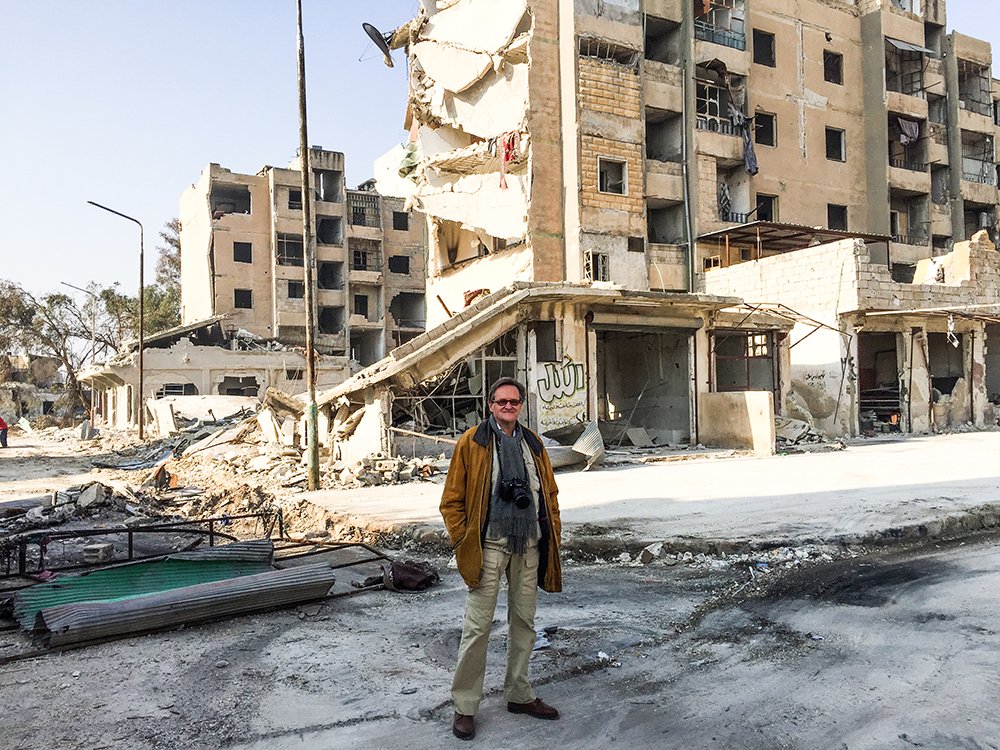
* The author has never visited North Korea but only South Korea and the border between the two.
Peace & future researcher + ‌Art Photographer

Share

Leave a Reply

Your email address will not be published. Required fields are marked *

Related Posts

Former UN Under-Secretary-General with special responsibility for peacekeeping operations TFF associate August 20, 2003 YRINGHAM, Mass.- Ralph Bunche was born in Detroit 100 years ago today (August 7, 2003). His passionate determination to get results did not extend to seeking credit for them, so his work is better remembered than he is. Of all his many accomplishments – civil rights pioneer, Nobel Peace Prize laureate, chief drafter of two chapters of the United Nations charter, negotiator of the armistices that ended the first Arab-Israeli war – Bunche said he was proudest of developing what came to be known as peacekeeping. Setting up the United Nations Truce Supervision Organization in Palestine in 1948, Bunche formulated the principles that have governed peacekeeping operations ever since. In the 1956 Suez crisis, working with Secretary General Dag Hammarskjold and Lester Pearson of Canada, he organized the first peacekeeping force, the United Nations Emergency Force...
OK, Trump did not get it. But he got a full endorsement of a possible future US regime change in Venezuela. And that is what Ms Machado has advocated. On October 10, 2025, the Norwegian Nobel Committee awarded its Peace Prize to Venezuelan opposition figure María Corina Machado. The citation praised her “tireless work promoting democratic rights.” But Ms Machado has openly called for U.S. military intervention in Venezuela, stating on CBS: “The only way to stop the suppression is by force—U.S. force.” She or her party has received funding from the National Endowment for Democracy (NED), a U.S. government-backed body known as a CIA front organisation and for supporting regime-change operations worldwide. And in 2018, she sent a letter to Israeli Prime Minister Benjamin Netanyahu, asking him to use “force and influence” to help dismantle Venezuela’s government—citing alleged ties to terrorism, Iran and narcotrafficking. This year’s NATO Norwegian prize...
PRESS RELEASE – 6 OCTOBER 2025 LAY DOWN YOUR ARMSPEACE PRIZE FOR 2025 is awarded Francesca Albanese The United Nations Special Rapporteur on the occupied Palestinian territories – as the person who, in accordance with Alfred Nobel’s will, has “done the most or the best work for fraternity between nations and for the abolition or reduction of standing armies as well as for the holding and promotion of peace congresses.” Francesca Albanese has forcefully and unwaveringly worked against Israel’s full-scale war on the occupied Palestinian territories, in particular Israel´s ongoing genocide against the Palestinian people. She has confronted Israel’s systematic war crimes and crimes against humanity in a truly global outreach. Further, she has brought governments, international organisations and people’s groups together to underline the responsibility of the world at large to act and to stop arming, enabling, and profiting from Israel’s ongoing criminal actions. But first of all, Albanese...

Recent Articles

Former UN Under-Secretary-General with special responsibility for peacekeeping operations TFF associate August 20, 2003 YRINGHAM, Mass.- Ralph Bunche was born in Detroit 100 years ago today (August 7, 2003). His passionate determination to get results did not extend to seeking credit for them, so his work is better remembered than he is. Of all his many accomplishments – civil rights pioneer, Nobel Peace Prize laureate, chief drafter of two chapters of the United Nations charter, negotiator of the armistices that ended the first Arab-Israeli war – Bunche said he was proudest of developing what came to be known as peacekeeping. Setting up the United Nations Truce Supervision Organization in Palestine in 1948, Bunche formulated the principles that have governed peacekeeping operations ever since. In the 1956 Suez crisis, working with Secretary General Dag Hammarskjold and Lester Pearson of Canada, he organized the first peacekeeping force, the United Nations Emergency Force...
– nästan 11 månader Till Sofia nästan 11 månader # 1  Till Sofias huvudsida Till alla Privata Foto-Serier
Till Sofias huvudsida

TFF on Substack

Discover more from TFF Transnational Foundation & Jan Oberg.

Most Popular

Former UN Under-Secretary-General with special responsibility for peacekeeping operations TFF associate August 20, 2003 YRINGHAM, Mass.- Ralph Bunche was born in Detroit 100 years ago today (August 7, 2003). His passionate determination to get results did not extend to seeking credit for them, so his work is better remembered than he is. Of all his many accomplishments – civil rights pioneer, Nobel Peace Prize laureate, chief drafter of two chapters of the United Nations charter, negotiator of the armistices that ended the first Arab-Israeli war – Bunche said he was proudest of developing what came to be known as peacekeeping. Setting up the United Nations Truce Supervision Organization in Palestine in 1948, Bunche formulated the principles that have governed peacekeeping operations ever since. In the 1956 Suez crisis, working with Secretary General Dag Hammarskjold and Lester Pearson of Canada, he organized the first peacekeeping force, the United Nations Emergency Force...
– nästan 11 månader Till Sofia nästan 11 månader # 1  Till Sofias huvudsida Till alla Privata Foto-Serier
Till Sofias huvudsida
Read More
Imagen-thumbnail-The-Transnational-1
Former UN Under-Secretary-General with special responsibility for peacekeeping operations TFF associate August 20, 2003 YRINGHAM, Mass.- Ralph Bunche was born in Detroit 100 years ago today (August 7, 2003). His passionate determination to get results did not extend to seeking credit for them, so his work is better remembered than he is. Of all his many accomplishments – civil rights pioneer, Nobel Peace Prize laureate, chief drafter of two chapters of the United Nations charter, negotiator of the armistices that ended the first Arab-Israeli war – Bunche said he was proudest of developing what came to be known as peacekeeping. Setting up the United Nations Truce Supervision Organization in Palestine in 1948, Bunche formulated the principles that have governed peacekeeping operations ever since. In the 1956 Suez crisis, working with Secretary General Dag Hammarskjold and Lester Pearson of Canada, he organized the first peacekeeping force, the United Nations Emergency Force...
– nästan 11 månader Till Sofia nästan 11 månader # 1  Till Sofias huvudsida Till alla Privata Foto-Serier
Till Sofias huvudsida
BlackNobel
OK, Trump did not get it. But he got a full endorsement of a possible future US regime change in Venezuela. And that is what Ms Machado has advocated. On October 10, 2025, the Norwegian Nobel Committee awarded its Peace Prize to Venezuelan opposition figure María Corina Machado. The citation praised her “tireless work promoting democratic rights.” But Ms Machado has openly called for U.S. military intervention in Venezuela, stating on CBS: “The only way to stop the suppression is by force—U.S. force.” She or her party has received funding from the National Endowment for Democracy (NED), a U.S. government-backed body known as a CIA front organisation and for supporting regime-change operations worldwide. And in 2018, she sent a letter to Israeli Prime Minister Benjamin Netanyahu, asking him to use “force and influence” to help dismantle Venezuela’s government—citing alleged ties to terrorism, Iran and narcotrafficking. This year’s NATO Norwegian prize...
Screenshot-2025-10-08-163458
PRESS RELEASE – 6 OCTOBER 2025 LAY DOWN YOUR ARMSPEACE PRIZE FOR 2025 is awarded Francesca Albanese The United Nations Special Rapporteur on the occupied Palestinian territories – as the person who, in accordance with Alfred Nobel’s will, has “done the most or the best work for fraternity between nations and for the abolition or reduction of standing armies as well as for the holding and promotion of peace congresses.” Francesca Albanese has forcefully and unwaveringly worked against Israel’s full-scale war on the occupied Palestinian territories, in particular Israel´s ongoing genocide against the Palestinian people. She has confronted Israel’s systematic war crimes and crimes against humanity in a truly global outreach. Further, she has brought governments, international organisations and people’s groups together to underline the responsibility of the world at large to act and to stop arming, enabling, and profiting from Israel’s ongoing criminal actions. But first of all, Albanese...
Copilot_20251003_003414
Officially, the drones were not identified. By simply thinking critically – which journalists and selected experts no longer do – there may be a good reason for that. And this article will never be mentioned in Denmark… Drones over Denmark. No damage. No trace. No answers. Yet the headlines scream “Russian threat,” and Prime Minister Mette Frederiksen speaks with a certainty that defies logic: “We don’t know they were Russian—but we know Russia is the biggest threat to Europe.” It could be nobody else – unless you make an interest analysis which I did two days ago. This is not security policy. It’s theatre. And the audience is being played. Let’s rewind. These drones—unphotographed, untracked, unclaimed—appear and vanish like ghosts. Airports shut down. Panic spreads. Military budgets swell. And the narrative hardens: Russia is behind it. But what if that’s not just wrong but deliberately misleading? Here’s a hypothesis for...