
PressInfo # 309: Learn conflict and peace in 20 minutes

/10/janoberg.jpg”>[/caption]

The world is full of unnecessary violence and human suffering. Do you know anyone who’d like it to continue like that?

If we educate ourselves and look outside the box, we can create a better world for all. Peace and security can be learnt, making conflict illiteracy and most of the violence a thing of the past.

Below is how – not in a column of 800 words but in a twice as long mini text book. It’ll enable you to think new thoughts and take the first steps into a hitherto closed but beautiful landscape.

Here we go:

Conflict happen. They are basically a good thing. There is no human community without conflict – and if there were it would be a dictatorship, or utterly boring. But how good are we – citizens, media and politicians – at dealing with conflict? Why do we often see violence where it could have been avoided and large violence where only a little, applied early, could have stopped large and long wars?

First a couple of ‘credos’ based on a few decades of experience:

• Conflicts are usually much more complex than presented by the parties and those who intervene in them; many have existential dimensions too.

• If we could learn to analyse and understand conflicts and reduce early, over-emotional side-taking – like we have medical expertise investigating diseases and treating patients instead of condemning them – we would have a more peaceful and just world with much less suffering.

• Conflicts is a problem standing between parties – their solution is not located only in individuals but in changing everybody’s goals, attitudes, behaviour and visions of the future.

• Conflicts can be solved/managed better if we address them sooner rather than later.

• The moment violence has been introduced we face a much bigger problem: the original issue plus the humiliation, anger and wish for revenge.

• Conflict-resolution can end in both peaceful co-existence and in civilised divorce, both requiring some traffic rules.

•Don’t let your own emotions run away with you.

• Don’t believe in two theories: that there is a good violence that wins over evil violence and that human evil explains any conflict.

Here is how the professional conflict doctor goes about it – think Yugoslavia, Iraq, Libya, Syria, terrorism, Ukraine – or your personal small-group, everyday conflicts. Begin with the diagnosis. If that is wrong, everything will go wrong so be careful with your diagnosis:

Who are the parties?
There are often many more than you think and there is never only two parties. Inside each party there are normally lots of division, e.g. government versus opposition – nationalists versus non-nationalists, majorities/minorities. The parties are related to each other in time and space – detect the structure and many layers of the conflict!

The stage and the wider theatre
Conflicts play out at a geographical place, the stage, and that is where the media focus. However, the theatre may be much broader. Kosovo was never about Kosovo only, it was about Central Asia, Russia, strategic interests and control over rest-Yugoslavia.

Don’t mix conflicts and violence
Most people focus on the violence because it causes human suffering, death and destruction – and footage can be made of it. The underlying conflict(s) – what it is really about and what energises the use of violence is often ignored. So, instead of condemning violence, ask: Why do they do that? And when you understand that, help them to stop it. Just telling parties in violent conflict to stop being violent – ceasefire and no more – without addressing underlying conflict is amateurism. When conflicts are treated well, violence will fade. We see a lot of violence because people don’t know the better tools.

How the parties see it, not how you see it
Invite all the parties to a hearing or go and ask them: get a sense of what attitudes they have to each other, old grievances, traumas – how they see themselves (often as innocent, of course), the other(s) (often as bad guys, of course); what do they fear and what do they want in the future. Always be respectful and don’t judge, just listen and observe – for instance fear or hatred in the eyes and (body)language – and register it all.

What do the parties actually do and why?
Is their grievance basically in words, thoughts or actions? Are they already killing in cold blood? Do they say one thing and do the opposite? Is their behaviour genuine or made to, for instance, attract media attention and sympathy – do they use media/marketing companies to ”sell” their behaviour. Do they adhere to one standard or double standards? And, as analyst, keep your own biases/sympathies in check.

Conflict is a problem to be solved – not a matter of good versus bad people.
Before you judge and condemn the parties – and most certainly before you take sides – understand the issues. Use history books, interviews, media, public statements and find out what is sales points and what is real issues that stand between the parties (remember a conflict is something standing between the parties not located in one party, country or leader: Iraq cannot be explained by Saddam’s existence alone, Ukraine not by Putin alone).

Different parties will tell you different versions of what ”it” is about – see where they overlap, where there is mutual understanding in spite of conflict and remember that all parties in conflict share one thing: they agree that what they fight about is important to them. That is a pointer to a solution.

Further is the conflict real or latent? Could we do early warning? Can we deal with it early so it doesn’t become so serious? Is it about different values or about how to share something the parties agree on is valuable? Is the conflict symmetric or a-symmetric. What is a conflict’s economic, political, cultural, religious, gender, military etc dimensions? Is it about interests or motives?

Some experience-based dos and donts:
Never trust black-and-white perceptions or a source that says that there are only two parties and one is right and the other wrong. Always ask: which parties wre not heard in this media report?

• Never ask leading questions but ask exactly the same questions and get the same information out of all parties.

• Never trust one or two media reports, always check other parties’ views and other views. If you can’t go to the conflict zone, get hold of all parties’s views from their websites and blogs.

• Read Western and non-Western news agencies’ reports.

• Define the parties as broadly as possible. Those you leave outside will make themselves heard, perhaps through terror attacks.

• Don’t mix the violence and the conflict.

• Always treat all parties – also those you personally perhaps don’t sympathise with – with utter respect (mostly people don’t fight just for fun).

• Listen carefully to what they say (and perhaps don’t say or don’t want to talk about).

• Read everything about them and the conflict before you talk with them but when you do forget everything you read and listen intensely. People in the conflict are the main source to your knowledge. Always!

• Finally, like a medical doctor should not talk about a patient s/he has never seen, a conflict doctor should not have strong views without having studied the conflict and its parties carefully.

Diagnosis
On the basis of all the above points you can make you diagnosis. Then you can make a prognosis: What will happen to the conflict if Party A does this or that, how will B react. And: If we as mediators propose something, how will all the parties react and what moves will they do?

Treatment
This is where you bring in all the parties to an elaborate process of consultations, first one-on-one and then more and more. The main focus is the future – not grievances about the past: what would you, Party G, like to see happen in the future? Brainstorming – slowly moving towards a core idea and then, as the last step: the negotiation table. Only amateurs take people from the killing fields straight to the table; and failed negotiations are worse than no negotiations. Only amateurs meet at a place where the media wait outside.

When is a conflict solved?
1) When the parties’ attitudes, behaviour and perceptions of the future have changed.

2) Not when some big guy has twisted the arms of a small guy but when all parties have been involved in a mediation-negotiation process and voluntarily accept the result. Without consent – e.g. referendum or other consultations – a peace deal will fall apart.

3) It is solved when the parties can address hurt and harm and and reconciliation and forgiveness can be put on the agenda. Perhaps with in a truth commission and in community projects aimed at long-term healing.

So what is conflict resolution and mediation
1) It’s a science: know your stuff, educate yourself. Fighting wars requires military knowledge; solving conflicts require equally much training, MA’s and university research.
2) It is an art: Be creative and see a better future for all where the parties themselves are stuck in the present and the past (grievances) and – naturally – have tunnel vision.

Conclusions
The more you know about conflict handling, its science and art, the less you need violence.
Therefore, expand conflict-resolution and peace-making in your schools, universities, academies and media.
Decision-makers should have conflict professionals among their advisers.
Set up conflict-resolution academies next to your military academies.
You can become a conflict professional and leave conflict illiteracy behind.

Then you can help reduce the world’s suffering, violence and warfare and create peace. And with peace comes security and development. Peace is to secure development and develop security – a permanent process towards a better-for-all society.

Peace is something you can learn. But the world’s many MIMACs – Military-Industrial-Media-Academic Complexes – don’t teach it; they are stuck with teaching us violence.

That’s why the world looks the way it does.
But it doesn’t have to be like that.
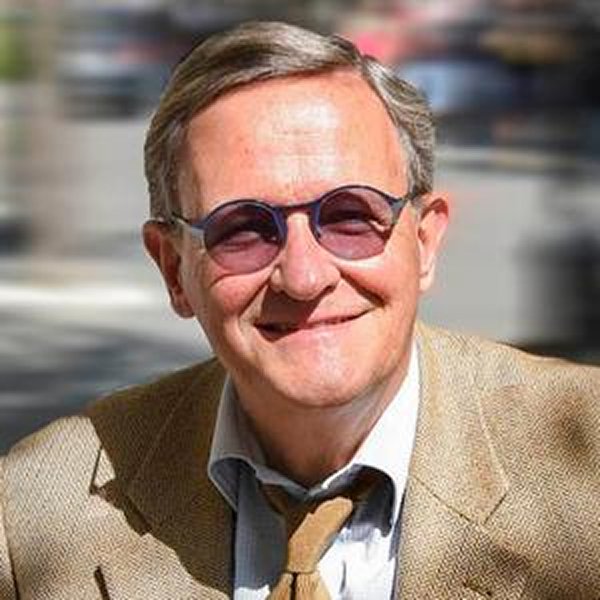
Peace & future researcher + ‌Art Photographer

Share

Leave a Reply

Your email address will not be published. Required fields are marked *

Related Posts

Jan Øberg behandler i artiklen en lang række faktorer, som ligger til grund for den måde vores samfund er organiseret på – og derfor også for konflikter. Artiklen introducerer således sammenhængen mellem familien, foreninger, regeringer, NGO’ er, nation, stat, nationalstat og alliancer for på denne måde bedre at kunne forstå konflikter og i sidste ende blive klogere mht. at løse disse. Øberg, der er fortaler for global bevidsthed, hvilket skal ses i lyset af den øgede globalisering, skelner mellem kulturkamp og kulturdialog. Endelig behandles begrebet magt og magtesløshed: giver magt ret til at udøve magt – fordi man mener at have ret? Litteraturliste og arbejdsspørgsmål efter artiklen. Ordene vi bruger om verden I satellitperspektiv kan man godt tale om den menneskelige familie eller menneskeheden. Udtrykket understreger, at der eksisterer – eller burde eksistere – et fællesskab fordi vi alle er mennesker og sammen bebor denne klode og ingen anden. Og...
Kapitel 2: Forskellige sider af Europa og USA…fortsat 2.5 Militære relationer I forbifarten har vi allerede sagt nogle ting om USA’s militære situation. Kig lige en gang til på afsnit 2.3. Nu skal vi uddybe det militære forhold mellem USA og EU. Der er en række ligheder mellem visse europæiske landes og USA’s militær. Næsten alle er med på en eller anden måde i NATO, direkte som medlem – selv Island, der ikke har et forsvar – eller indirekte i Partnerskab for Fred. USA og Canada er med i OSCE (på dansk OSSE), Organisationen for Sikkerhed og Samarbejde i Europa, der tæller over 50 lande. USA samt England og Frankrig er kernevåbenstater og de har styrker til intervention langt borte fra hjemlandet, om end USA’s er tifold større. Alle har også en omfattende våbeneksport og bruger den som et middel til at tjene penge og få loyale venner på, det...
Background Christian Harleman and Jan Oberg conducted a fact-finding mission to Burundi between November 26 and December 6, 2003. (See websites about the country here). The first TFF mission took place in March 1999. Unfortunately, since then it has not been practically possible to implement the co-operation with Burundi’s Ministry of Education and Burundian NGOs that was planned at the time. The 2003 mission had three purposes. First, to do fact-finding in general about the situation and, in particular, the progress under the Arusha Peace Process. Second, to explore the possibilities for co-operation between the government and relevant NGOs on the one hand and TFF on the other, in order to develop and deepen the existing competence in fields such as conflict-understanding, reconciliation and peace-building. Finally, third, to find out whether it would be possible, in co-operation with the Swedish Rescue Services Agency (Statens Räddningsverk), to establish a health care unit that...

Recent Articles

Jan Øberg behandler i artiklen en lang række faktorer, som ligger til grund for den måde vores samfund er organiseret på – og derfor også for konflikter. Artiklen introducerer således sammenhængen mellem familien, foreninger, regeringer, NGO’ er, nation, stat, nationalstat og alliancer for på denne måde bedre at kunne forstå konflikter og i sidste ende blive klogere mht. at løse disse. Øberg, der er fortaler for global bevidsthed, hvilket skal ses i lyset af den øgede globalisering, skelner mellem kulturkamp og kulturdialog. Endelig behandles begrebet magt og magtesløshed: giver magt ret til at udøve magt – fordi man mener at have ret? Litteraturliste og arbejdsspørgsmål efter artiklen. Ordene vi bruger om verden I satellitperspektiv kan man godt tale om den menneskelige familie eller menneskeheden. Udtrykket understreger, at der eksisterer – eller burde eksistere – et fællesskab fordi vi alle er mennesker og sammen bebor denne klode og ingen anden. Og...
Kapitel 2: Forskellige sider af Europa og USA…fortsat 2.5 Militære relationer I forbifarten har vi allerede sagt nogle ting om USA’s militære situation. Kig lige en gang til på afsnit 2.3. Nu skal vi uddybe det militære forhold mellem USA og EU. Der er en række ligheder mellem visse europæiske landes og USA’s militær. Næsten alle er med på en eller anden måde i NATO, direkte som medlem – selv Island, der ikke har et forsvar – eller indirekte i Partnerskab for Fred. USA og Canada er med i OSCE (på dansk OSSE), Organisationen for Sikkerhed og Samarbejde i Europa, der tæller over 50 lande. USA samt England og Frankrig er kernevåbenstater og de har styrker til intervention langt borte fra hjemlandet, om end USA’s er tifold større. Alle har også en omfattende våbeneksport og bruger den som et middel til at tjene penge og få loyale venner på, det...
Background Christian Harleman and Jan Oberg conducted a fact-finding mission to Burundi between November 26 and December 6, 2003. (See websites about the country here). The first TFF mission took place in March 1999. Unfortunately, since then it has not been practically possible to implement the co-operation with Burundi’s Ministry of Education and Burundian NGOs that was planned at the time. The 2003 mission had three purposes. First, to do fact-finding in general about the situation and, in particular, the progress under the Arusha Peace Process. Second, to explore the possibilities for co-operation between the government and relevant NGOs on the one hand and TFF on the other, in order to develop and deepen the existing competence in fields such as conflict-understanding, reconciliation and peace-building. Finally, third, to find out whether it would be possible, in co-operation with the Swedish Rescue Services Agency (Statens Räddningsverk), to establish a health care unit that...

TFF on Substack

Discover more from TFF Transnational Foundation & Jan Oberg.

Most Popular

Jan Øberg behandler i artiklen en lang række faktorer, som ligger til grund for den måde vores samfund er organiseret på – og derfor også for konflikter. Artiklen introducerer således sammenhængen mellem familien, foreninger, regeringer, NGO’ er, nation, stat, nationalstat og alliancer for på denne måde bedre at kunne forstå konflikter og i sidste ende blive klogere mht. at løse disse. Øberg, der er fortaler for global bevidsthed, hvilket skal ses i lyset af den øgede globalisering, skelner mellem kulturkamp og kulturdialog. Endelig behandles begrebet magt og magtesløshed: giver magt ret til at udøve magt – fordi man mener at have ret? Litteraturliste og arbejdsspørgsmål efter artiklen. Ordene vi bruger om verden I satellitperspektiv kan man godt tale om den menneskelige familie eller menneskeheden. Udtrykket understreger, at der eksisterer – eller burde eksistere – et fællesskab fordi vi alle er mennesker og sammen bebor denne klode og ingen anden. Og...
Kapitel 2: Forskellige sider af Europa og USA…fortsat 2.5 Militære relationer I forbifarten har vi allerede sagt nogle ting om USA’s militære situation. Kig lige en gang til på afsnit 2.3. Nu skal vi uddybe det militære forhold mellem USA og EU. Der er en række ligheder mellem visse europæiske landes og USA’s militær. Næsten alle er med på en eller anden måde i NATO, direkte som medlem – selv Island, der ikke har et forsvar – eller indirekte i Partnerskab for Fred. USA og Canada er med i OSCE (på dansk OSSE), Organisationen for Sikkerhed og Samarbejde i Europa, der tæller over 50 lande. USA samt England og Frankrig er kernevåbenstater og de har styrker til intervention langt borte fra hjemlandet, om end USA’s er tifold større. Alle har også en omfattende våbeneksport og bruger den som et middel til at tjene penge og få loyale venner på, det...
Background Christian Harleman and Jan Oberg conducted a fact-finding mission to Burundi between November 26 and December 6, 2003. (See websites about the country here). The first TFF mission took place in March 1999. Unfortunately, since then it has not been practically possible to implement the co-operation with Burundi’s Ministry of Education and Burundian NGOs that was planned at the time. The 2003 mission had three purposes. First, to do fact-finding in general about the situation and, in particular, the progress under the Arusha Peace Process. Second, to explore the possibilities for co-operation between the government and relevant NGOs on the one hand and TFF on the other, in order to develop and deepen the existing competence in fields such as conflict-understanding, reconciliation and peace-building. Finally, third, to find out whether it would be possible, in co-operation with the Swedish Rescue Services Agency (Statens Räddningsverk), to establish a health care unit that...
Read More
Imagen-thumbnail-The-Transnational-1
Jan Øberg behandler i artiklen en lang række faktorer, som ligger til grund for den måde vores samfund er organiseret på – og derfor også for konflikter. Artiklen introducerer således sammenhængen mellem familien, foreninger, regeringer, NGO’ er, nation, stat, nationalstat og alliancer for på denne måde bedre at kunne forstå konflikter og i sidste ende blive klogere mht. at løse disse. Øberg, der er fortaler for global bevidsthed, hvilket skal ses i lyset af den øgede globalisering, skelner mellem kulturkamp og kulturdialog. Endelig behandles begrebet magt og magtesløshed: giver magt ret til at udøve magt – fordi man mener at have ret? Litteraturliste og arbejdsspørgsmål efter artiklen. Ordene vi bruger om verden I satellitperspektiv kan man godt tale om den menneskelige familie eller menneskeheden. Udtrykket understreger, at der eksisterer – eller burde eksistere – et fællesskab fordi vi alle er mennesker og sammen bebor denne klode og ingen anden. Og...
Imagen-thumbnail-The-Transnational-1
Kapitel 2: Forskellige sider af Europa og USA…fortsat 2.5 Militære relationer I forbifarten har vi allerede sagt nogle ting om USA’s militære situation. Kig lige en gang til på afsnit 2.3. Nu skal vi uddybe det militære forhold mellem USA og EU. Der er en række ligheder mellem visse europæiske landes og USA’s militær. Næsten alle er med på en eller anden måde i NATO, direkte som medlem – selv Island, der ikke har et forsvar – eller indirekte i Partnerskab for Fred. USA og Canada er med i OSCE (på dansk OSSE), Organisationen for Sikkerhed og Samarbejde i Europa, der tæller over 50 lande. USA samt England og Frankrig er kernevåbenstater og de har styrker til intervention langt borte fra hjemlandet, om end USA’s er tifold større. Alle har også en omfattende våbeneksport og bruger den som et middel til at tjene penge og få loyale venner på, det...
Imagen-thumbnail-The-Transnational-1
Background Christian Harleman and Jan Oberg conducted a fact-finding mission to Burundi between November 26 and December 6, 2003. (See websites about the country here). The first TFF mission took place in March 1999. Unfortunately, since then it has not been practically possible to implement the co-operation with Burundi’s Ministry of Education and Burundian NGOs that was planned at the time. The 2003 mission had three purposes. First, to do fact-finding in general about the situation and, in particular, the progress under the Arusha Peace Process. Second, to explore the possibilities for co-operation between the government and relevant NGOs on the one hand and TFF on the other, in order to develop and deepen the existing competence in fields such as conflict-understanding, reconciliation and peace-building. Finally, third, to find out whether it would be possible, in co-operation with the Swedish Rescue Services Agency (Statens Räddningsverk), to establish a health care unit that...
Imagen-thumbnail-The-Transnational-1
Former UN Under-Secretary-General with special responsibility for peacekeeping operations TFF associate August 20, 2003 YRINGHAM, Mass.- Ralph Bunche was born in Detroit 100 years ago today (August 7, 2003). His passionate determination to get results did not extend to seeking credit for them, so his work is better remembered than he is. Of all his many accomplishments – civil rights pioneer, Nobel Peace Prize laureate, chief drafter of two chapters of the United Nations charter, negotiator of the armistices that ended the first Arab-Israeli war – Bunche said he was proudest of developing what came to be known as peacekeeping. Setting up the United Nations Truce Supervision Organization in Palestine in 1948, Bunche formulated the principles that have governed peacekeeping operations ever since. In the 1956 Suez crisis, working with Secretary General Dag Hammarskjold and Lester Pearson of Canada, he organized the first peacekeeping force, the United Nations Emergency Force...
– nästan 11 månader Till Sofia nästan 11 månader # 1  Till Sofias huvudsida Till alla Privata Foto-Serier
Till Sofias huvudsida


