
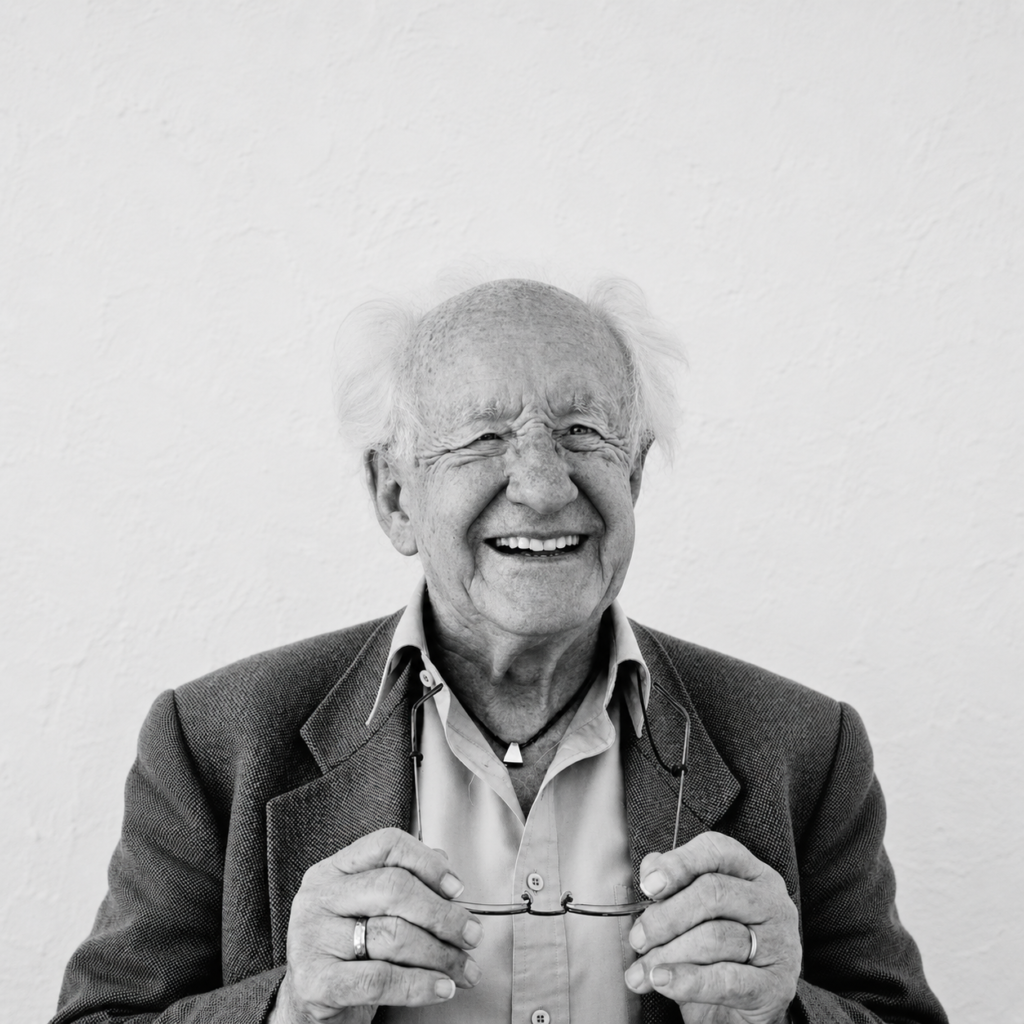
A day of peace for the Americas

From Puebla, México – Universidad de las Americas

Today is the 2012 day of peace as resolved by the UN General Assembly (Resolution 55/282, 2001; following resolution 56/37, 1981). A day of cease-fire and nonviolence, but open to all peace themes.

And that brings us straight to the key problem in the theory and practice of peace:

Are we thinking of the negative peace of cease-fire and no violence (as distinct from nonviolence), or are we thinking of the positive peace of cooperation for mutual and equal benefit, empathy for emotional harmony, reconciliation of past traumas, and resolution capacity for endless agenda of future conflicts?

Are we thinking of using nonviolence? Or of persuading, or forcing, those with serious grievances to lay down their arms and reintegrate peacefully in civilian life? Or trying to understand and do something deeper, about the grievances?

Both-And is not an answer to be ruled out, like having both growth and distribution as goals of development, that other big UN word. But, a big BUT: not one first, and then the other. That tends to work out as cease-fire first, and then nothing; or as growth first, and then nothing, presumably waiting for time to ripen. But that time has a tendency not to come for two simple reasons: for those high up the problem is the violence, not the grievances, which constitute “their” problem. And growth is what they feed on, distribution being again “their” problem.

These are existential, not philosophical, problems for countries like México and Colombia, with huge violent activity within a syndrome that has narco traffic as a part. The traditional approach is to use the ultima ratio of the state–police, military and paramilitary–to fight, kill, uproot the violence. And, if that does not work, try to negotiate a cease-fire. But the underlying causes have a tendency to reproduce the violence, with democracies pushing that problem onto the next administration and dictatorships becoming even more brutal.

We do ourselves a huge disfavor if we accept only the task of negative peace, curing symptoms and not the disease. Like ice against fever.

Let us look at six concrete American cases for both negative and positive peace:

1) Malvinas-Falklands;
2) Cuba;
3) Drugs/arms flows;
4) Flagrant inequality;
5) US interventionism, and
6) Micro-management of South America & the Caribbean vis-à-vis the northern countries. Mantra: no lasting negative peace without positive peace.

1) Malvinas-Falklands exploded in 1982 as a war by the South on the North, something new at the time; won by the UK. “Peace”? Not at all, no solution of the underlying conflict. There is an obvious solution, the formula used in another place where the West had traveled too far and settled: Hong Kong-Macau. One flag down another flag up, one garrison out another in, and the rest remains the same. The sovereignty so obviously belongs to Argentina and to Latin America and the Caribbean, more collective these days for self-affirmation, for historical as well as geographical reasons. However, do respect the people.

2) Cuba is short on multi-party elections, but so have been most Latin American countries – today, Honduras and Paraguay function under USA-supported coups – without being excluded from the Organization of American States. Give Cuba an OAS membership right away, also to honor the first country to challenge the giant to the North and which has a leader surviving ten US presidents, most of which highly forgettable. Let us have some sense of history, please.

How about 3) the people/drugs-traffic-in-return-for-arms/money syndrome? It is complex, but there are two handles: the narco traffic has to be reduced from both ends, the supply and the demand, and by both doing their best to certify each other. Or even better, jointly, for their efforts. In addition, reduce the magnitude of the problem by legalizing marijuana, such a minor problem relative to the #1 health problem in the USA: tobacco and alcohol, both legal. The latter was once prohibited with disastrous consequences: violence, gangsterism, mafias. These disappeared with legalization but alcoholism did not go away; yet nor did it increase.

Underlying all of this, not the only factor but a major one, is, of course, 4) flagrant inequality, injustice, exploitation. The key approach is to lift up the bottom. Give micro-credits to the most needy in the most miserable communities, with small companies producing basic necessities products – above all food, water, health and education – for and by the most needy; empowering them to lift themselves up without threatening the rich. The key impediment is not technical. This is all feasible within, say, 5-10 years, but those high up fear that “they will treat us the way we treated them”. This fear has to be addressed and alleviated. The poor want equal opportunity, dignity.

Feasible, like using student volunteers for alphabetization, like training barefoot nurses for the most frequent diseases, combined with helicopters to adequate hospitals, using herbs and generic drugs.

Then, 5) the inter-Americas dimension: the 100 or so US military interventions and the present emergence on the horizon of Los Estados Unidos de América Latina y el Caríbe. It is as natural as the independence of the British colonies on the Atlantic seaboard in 1775, with a famous Declaration in 1776 and a US constitution in 1787. How would a mature USA react? “Welcome, brothers from the South! We know what this is about, and will not repeat the stupidity of London, fighting 35 years to prevent our independence. We are no George III. But how can we meet, in equity and harmony, solving our traumas and conflicts?”

A mature Latin American answer would be something like: “Turn the OAS into a dialogue forum! We cannot accept vetoes from the North against an almost united South, but are ready for dialogues on the Malvinas, Cuba, drugs/arms, misery; problems we will approach in our way, with open minds.”

And one further step: 6) how about a MEXUSCAN, a North America of three countries (Mexico-US-Canada), revising the North American Free Trade Agreement-NAFTA for equality, and having Mexico as a bridge to the South? With open borders, no fences, and with free flows of people and legitimate goods and services both ways?

Positive peace for the Americas in our lifetime.
Share

Leave a Reply

Your email address will not be published. Required fields are marked *

Related Posts

Peace is promoted by constructive proposals and dialogue Four preceding PressInfos have expressed concern over — and criticised — the ongoing, militarisation of the EU. Some will say: but there are no alternatives. We believe that there are always alternatives, that democracies are characterised by alternatives and choice, and that openly discussed alternatives will improve the quality and legitimacy of society’s decision–making. In addition, it is an intellectual and moral challenge to not only criticise but also be constructive. If we only tell people that we think they are wrong, they are not likely to listen. However, if we say: what are your views on this set of ideas and steps? — we may sometimes engage them in dialogue and sow a seed. Most people in power circles live their daily lives in in a time frame and a social space where certain ideas, viewpoints and concepts are just not...
Photos © TFF 2000 Read PressInfo 90 “Lift the Sanctions and Bring More Aid to Yugoslavia” See Pictures from Belgrade © TFF 2000 Please reprint, copy, archive, quote or re-post this item, but please retain the source.
Av FRANK SØHOLM GREVIL 16 augusti 2004  Vi er nu nået til tredje akt i det absurde teaterstykke, der i analogi med de store skueprocesser i Moskva 1936-38 er blevet døbt ‘Grevil-sagen’. Første akt bestod i min anonyme fremlæggelse af egenhændigt nedklassificerede rapporter i Berlingske Tidende i februar og marts. Andet akt udgjordes af min fremtræden med navn og billede i Information i april samt den efterfølgende mediestorm, som uden min direkte medvirken kostede en forsvarsminister taburetten samt en sigtelse for brud på tavshedspligten. Tredje akt bliver en retssag, hvor jeg står tiltalt for at have overtrådt straffelovens bestemmelser om uberettiget videregivelse eller udnyttelse af fortrolige oplysninger. Statsanklageren har ovenikøbet valgt at påberåbe sig særligt skærpende omstændigheder. Da jeg aldrig har modtaget betaling for at stille rapporterne til rådighed eller lade mig interviewe, må det skærpende bestå i, at “videregivelsen eller udnyttelsen er sket under sådanne omstændigheder, at det påfører...

Recent Articles

PressInfo # 141, December 21, 2001It’s time to prepare reconciliation between Albanians and Serbs PressInfo # 140, December 14, 2001Ibrahim Rugova’s decade-long leadership in Kosovo/a PressInfo # 139, 11. december, 2001En god nyhet: Jugoslaviens Sannings- och försoningskommission PressInfo # 139, 11. december, 2001Gode nyheder: Jugoslaviens Sandheds- og Forsoningskommission PressInfo # 139, December 11, 2001Good news: Yugoslavia’s Truth and Reconciliation Commission PressInfo # 138, November 8, 2001TFF co-founder PhD with thesis about young people with roots in other cultures PressInfo # 138, November 8, 2001TFF:s medstiftare doktor på avhandling om unga med ursprung i andra kulturer PressInfo # 137, October 17, 2001A new Marshall Plan: Advancing human security and controlling terrorism PressInfo # 136, October 15, 2001The UN and Annan really deserve it PressInfo # 135, October 10, 2001Preventing a terrorist mushroom cloud PressInfo # 134, 17 oktober, 2001Sverige og 11. september PressInfo # 134, October 9, 2001Sweden and September 11...
Peace is promoted by constructive proposals and dialogue Four preceding PressInfos have expressed concern over — and criticised — the ongoing, militarisation of the EU. Some will say: but there are no alternatives. We believe that there are always alternatives, that democracies are characterised by alternatives and choice, and that openly discussed alternatives will improve the quality and legitimacy of society’s decision–making. In addition, it is an intellectual and moral challenge to not only criticise but also be constructive. If we only tell people that we think they are wrong, they are not likely to listen. However, if we say: what are your views on this set of ideas and steps? — we may sometimes engage them in dialogue and sow a seed. Most people in power circles live their daily lives in in a time frame and a social space where certain ideas, viewpoints and concepts are just not...
Photos © TFF 2000 Read PressInfo 90 “Lift the Sanctions and Bring More Aid to Yugoslavia” See Pictures from Belgrade © TFF 2000 Please reprint, copy, archive, quote or re-post this item, but please retain the source.

TFF on Substack

Discover more from TFF Transnational Foundation & Jan Oberg.

Most Popular

PressInfo # 141, December 21, 2001It’s time to prepare reconciliation between Albanians and Serbs PressInfo # 140, December 14, 2001Ibrahim Rugova’s decade-long leadership in Kosovo/a PressInfo # 139, 11. december, 2001En god nyhet: Jugoslaviens Sannings- och försoningskommission PressInfo # 139, 11. december, 2001Gode nyheder: Jugoslaviens Sandheds- og Forsoningskommission PressInfo # 139, December 11, 2001Good news: Yugoslavia’s Truth and Reconciliation Commission PressInfo # 138, November 8, 2001TFF co-founder PhD with thesis about young people with roots in other cultures PressInfo # 138, November 8, 2001TFF:s medstiftare doktor på avhandling om unga med ursprung i andra kulturer PressInfo # 137, October 17, 2001A new Marshall Plan: Advancing human security and controlling terrorism PressInfo # 136, October 15, 2001The UN and Annan really deserve it PressInfo # 135, October 10, 2001Preventing a terrorist mushroom cloud PressInfo # 134, 17 oktober, 2001Sverige og 11. september PressInfo # 134, October 9, 2001Sweden and September 11...
Peace is promoted by constructive proposals and dialogue Four preceding PressInfos have expressed concern over — and criticised — the ongoing, militarisation of the EU. Some will say: but there are no alternatives. We believe that there are always alternatives, that democracies are characterised by alternatives and choice, and that openly discussed alternatives will improve the quality and legitimacy of society’s decision–making. In addition, it is an intellectual and moral challenge to not only criticise but also be constructive. If we only tell people that we think they are wrong, they are not likely to listen. However, if we say: what are your views on this set of ideas and steps? — we may sometimes engage them in dialogue and sow a seed. Most people in power circles live their daily lives in in a time frame and a social space where certain ideas, viewpoints and concepts are just not...
Photos © TFF 2000 Read PressInfo 90 “Lift the Sanctions and Bring More Aid to Yugoslavia” See Pictures from Belgrade © TFF 2000 Please reprint, copy, archive, quote or re-post this item, but please retain the source.
Read More
Imagen-thumbnail-The-Transnational-1
PressInfo # 141, December 21, 2001It’s time to prepare reconciliation between Albanians and Serbs PressInfo # 140, December 14, 2001Ibrahim Rugova’s decade-long leadership in Kosovo/a PressInfo # 139, 11. december, 2001En god nyhet: Jugoslaviens Sannings- och försoningskommission PressInfo # 139, 11. december, 2001Gode nyheder: Jugoslaviens Sandheds- og Forsoningskommission PressInfo # 139, December 11, 2001Good news: Yugoslavia’s Truth and Reconciliation Commission PressInfo # 138, November 8, 2001TFF co-founder PhD with thesis about young people with roots in other cultures PressInfo # 138, November 8, 2001TFF:s medstiftare doktor på avhandling om unga med ursprung i andra kulturer PressInfo # 137, October 17, 2001A new Marshall Plan: Advancing human security and controlling terrorism PressInfo # 136, October 15, 2001The UN and Annan really deserve it PressInfo # 135, October 10, 2001Preventing a terrorist mushroom cloud PressInfo # 134, 17 oktober, 2001Sverige og 11. september PressInfo # 134, October 9, 2001Sweden and September 11...
Imagen-thumbnail-The-Transnational-1
Peace is promoted by constructive proposals and dialogue Four preceding PressInfos have expressed concern over — and criticised — the ongoing, militarisation of the EU. Some will say: but there are no alternatives. We believe that there are always alternatives, that democracies are characterised by alternatives and choice, and that openly discussed alternatives will improve the quality and legitimacy of society’s decision–making. In addition, it is an intellectual and moral challenge to not only criticise but also be constructive. If we only tell people that we think they are wrong, they are not likely to listen. However, if we say: what are your views on this set of ideas and steps? — we may sometimes engage them in dialogue and sow a seed. Most people in power circles live their daily lives in in a time frame and a social space where certain ideas, viewpoints and concepts are just not...
Imagen-thumbnail-The-Transnational-1
Photos © TFF 2000 Read PressInfo 90 “Lift the Sanctions and Bring More Aid to Yugoslavia” See Pictures from Belgrade © TFF 2000 Please reprint, copy, archive, quote or re-post this item, but please retain the source.
Imagen-thumbnail-The-Transnational-1
Av FRANK SØHOLM GREVIL 16 augusti 2004  Vi er nu nået til tredje akt i det absurde teaterstykke, der i analogi med de store skueprocesser i Moskva 1936-38 er blevet døbt ‘Grevil-sagen’. Første akt bestod i min anonyme fremlæggelse af egenhændigt nedklassificerede rapporter i Berlingske Tidende i februar og marts. Andet akt udgjordes af min fremtræden med navn og billede i Information i april samt den efterfølgende mediestorm, som uden min direkte medvirken kostede en forsvarsminister taburetten samt en sigtelse for brud på tavshedspligten. Tredje akt bliver en retssag, hvor jeg står tiltalt for at have overtrådt straffelovens bestemmelser om uberettiget videregivelse eller udnyttelse af fortrolige oplysninger. Statsanklageren har ovenikøbet valgt at påberåbe sig særligt skærpende omstændigheder. Da jeg aldrig har modtaget betaling for at stille rapporterne til rådighed eller lade mig interviewe, må det skærpende bestå i, at “videregivelsen eller udnyttelsen er sket under sådanne omstændigheder, at det påfører...
Imagen-thumbnail-The-Transnational-1
Af Svenska Irakkommittén mot de Ekonomiska Sanktionerna (SIES) 13 september 2002 FN:s ekonomiska sanktioner mot Irak har nu pågått i tolv år och drabbat det irakiska folket med svåra lidanden. Enligt FN:s egna siffror har mer än 1,5 miljoner människor, varav ca 600 000 barn, dött som en direkt följd av sanktionerna. Dessutom har ett lågintensivt bombkrig mot landet pågått under dessa år. Av all denna förödelse- orsakad huvudsakligen av amerikansk och brittisk politik- har Saddam Husseins brutala och diktatoriska regim snarast stärkts än försvagats. Nu förbereder USA under president Bushs ledning ett storskaligt bombkrig mot Irak som kommer att innebära ett ännu större lidande för civilbefolkningen. Ett sådant krig kommer dessutom att ytterligare undergräva freden och säkerheten i världen. Att upprätta en demokratisk regim i Irak är det irakiska folkets angelägenhet och får enligt folkrätten inte ske med krigshandlingar utifrån. Folkrätten och FN:s stadgar måste respekteras. Vi vädjar till...


